
Pod filters and airboxes both manage engine air intake but differ in design and airflow dynamics. Pod filters attach directly to the intake manifold, while airboxes enclose the filter element in a compartment.
Car enthusiasts and mechanics often deliberate between pod filters and airboxes for engine performance tuning. An airbox is a traditional component of a car’s intake system, typically ensuring a steady flow of clean, cool air to the engine and sometimes incorporating a silencer for noise reduction.
On the other hand, a pod filter, or “cone” filter, is an aftermarket part that replaces the factory airbox. It is a standalone filter connecting directly to the throttle body or carburetor, providing less restrictive airflow and often claimed to increase horsepower and improve engine sound. Choosing between the two often depends on the desired balance between performance, engine protection, and the specific requirements of the vehicle’s engine.

The Basics Of Air Filtration
Air filters serve the critical function of purifying incoming air before it enters an engine, trapping dirt and contaminants to prevent engine wear. They ensure optimal engine performance and longevity. There are primarily two types of air filters used in automotive applications: traditional airboxes and pod filters.
Traditional airboxes are enclosed units that contain a replaceable filter, typically made of paper, foam, or cotton. This setup channels air through ducts, which aids in noise reduction and ensures that air is filtered across a large surface area. Traditional airboxes are preferred for their ability to balance performance with filtration efficiency and are often standard in factory vehicles.
Contrastingly, pod filters are smaller, individual filters that attach directly to the intake system. Their design allows for potentially increased airflow, which can be advantageous for engine performance. Pod filters can be made of similar materials to those in traditional airboxes but offer a more free-flowing design. They are popular in performance applications where engine sound and higher airflow demands are appreciated.
Airflow Efficiency And Performance
Pod filters and airboxes are vital components in managing engine air intake. Both have distinct advantages depending on the specific requirements and constraints of the vehicle application.
Pod filters are known for their lightweight and compact design, which makes them a favorite choice for performance enthusiasts. They are easier to install and can be placed directly onto the air intake system, providing unrestricted airflow to the engine. This can lead to a more immediate response during acceleration and is often associated with an increase in horsepower.
Conversely, airboxes typically offer a more controlled air intake system. Their size and structure allow for the incorporation of larger air filters, which can efficiently trap dirt and debris while maintaining consistent airflow. They are often better at silencing engine noise and providing a more stable temperature control for the air entering the engine, which can be advantageous for overall engine performance and longevity.
Maintenance And Longevity
Regular cleaning and proper care are essential for maintaining pod filters effectively. Unlike standard airboxes, pod filters require frequent inspection to ensure they are free of debris and dirt. Users must often remove and clean these components, which can be labor-intensive.
On the other hand, airboxes are generally low-maintenance due to their enclosed design, which shields the filter from contaminants to a greater degree. These require servicing less often, usually during scheduled vehicle maintenance.
When To Change Motorcycle Spark Plugs
As for longevity, pod filters may degrade more quickly due to their direct exposure to the environment, potentially leading to more frequent replacements. In contrast, airboxes can enhance the lifespan of an air filter by minimizing exposure to heat and debris, contributing to longer intervals between replacements.
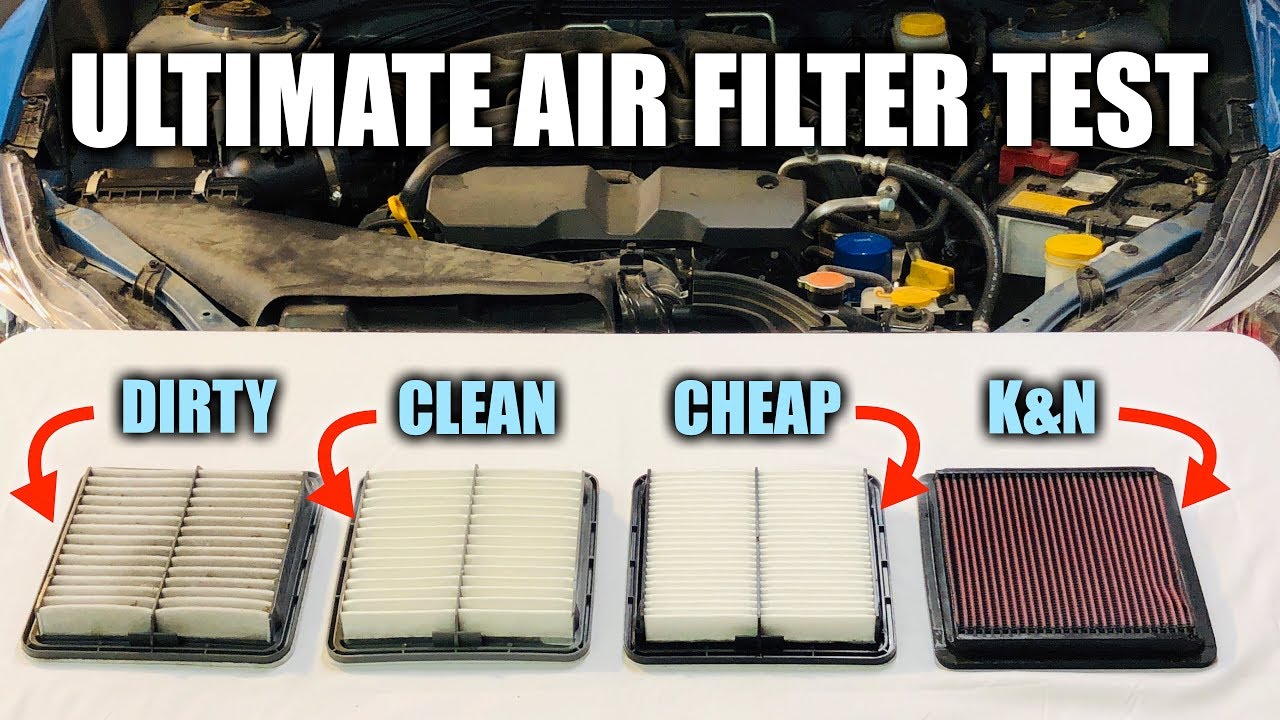
Credit: m.youtube.com
Frequently Asked Questions For Pod filters and airboxes
Is A Pod Filter Better Than A Stock Air Box?
A pod filter can offer better airflow but may not filter debris as efficiently as a stock air box. Stock air boxes provide balanced performance and filtration, making them a reliable choice.
Is A Cone Filter Better Than An Air Box?
A cone filter can provide better airflow and increased horsepower, but an air box offers better filtration and noise reduction. Personal preference and vehicle requirements should guide the choice.
What Is The Difference Between An Airbox And An Air Intake?
An airbox contains the air filter, dampening noise and filtering air before it enters the engine. An air intake system, on the other hand, channels outside air to the engine, potentially boosting performance and efficiency.
Does A Pod Filter Use More Fuel?
A pod filter can lead to increased fuel consumption. It allows more air into the engine, which may cause it to use more fuel, especially if driving aggressively or with a heavy foot.
Conclusion
Navigating the debate between pod filters and airboxes boils down to your vehicle’s specific needs and performance goals. Both options offer distinct advantages, whether it’s the enhanced airflow of a pod filter or the consistent protection of an airbox. Carefully weigh these considerations to make an informed decision for the ultimate engine performance and longevity.
Choose wisely, drive confidently, and maintain efficiently.