
Testing a 6-volt motorcycle ignition coil is straightforward. It helps ensure your bike runs smoothly.
A motorcycle’s ignition coil is crucial for engine performance. It transforms the battery’s voltage into the high voltage needed for the spark plugs. When the ignition coil fails, your motorcycle may not start or run poorly. Testing the ignition coil can help identify problems early.
This guide will walk you through the process step-by-step, using simple tools and techniques. You’ll learn how to perform basic checks and understand the results. Let’s dive into the details and get your motorcycle running at its best.
Credit: www.youtube.com
Safety Precautions
Wear gloves to protect your hands. Use safety glasses to shield your eyes. Put on long sleeves to cover your arms. Boots protect your feet. Always wear a helmet. Safety gear can prevent injuries.
Work in a clean area. Ensure good lighting. Keep tools in reach. No liquids near the coil. Have a fire extinguisher ready. Keep kids and pets away. Safety first.
Locating The Ignition Coil
To locate the ignition coil on a 6-volt motorcycle, first identify the spark plug. Then, trace the wire connected to the spark plug back to the ignition coil. This component is usually found near the engine or under the fuel tank.
Motorcycle Manual
Check the motorcycle manual for the location of the ignition coil. Manuals often have diagrams. These diagrams show where parts are located. Follow the steps in the manual. It helps in finding the coil easily. Manuals also provide safety tips. Always follow these tips. This prevents accidents. Manuals are very helpful. Keep them handy.
Visual Inspection
First, look at the ignition coil closely. Check for any damage. Look for cracks or burns. These signs mean the coil is bad. Also, check the wires connected to the coil. Make sure they are not loose. Loose wires can cause problems. Check for corrosion on the terminals. Corrosion affects performance. Clean them if needed. A visual inspection is simple. But it tells a lot.
Disconnecting The Ignition Coil
Disconnecting the ignition coil is a crucial step in testing a 6-volt motorcycle ignition coil. Ensure the engine is off before you start. This prevents accidental shocks and ensures safety.
Turn Off The Motorcycle
First, make sure the motorcycle is turned off. This is very important for safety. Next, find the key and turn it to the off position. Double-check to be sure the bike is not running.
Disconnect Battery
Locate the battery on your motorcycle. Use a wrench to loosen the battery cables. Start by removing the negative cable first. This helps prevent short circuits. Then, remove the positive cable. Keep the cables away from the battery to avoid accidents.

Credit: m.youtube.com
Testing With A Multimeter
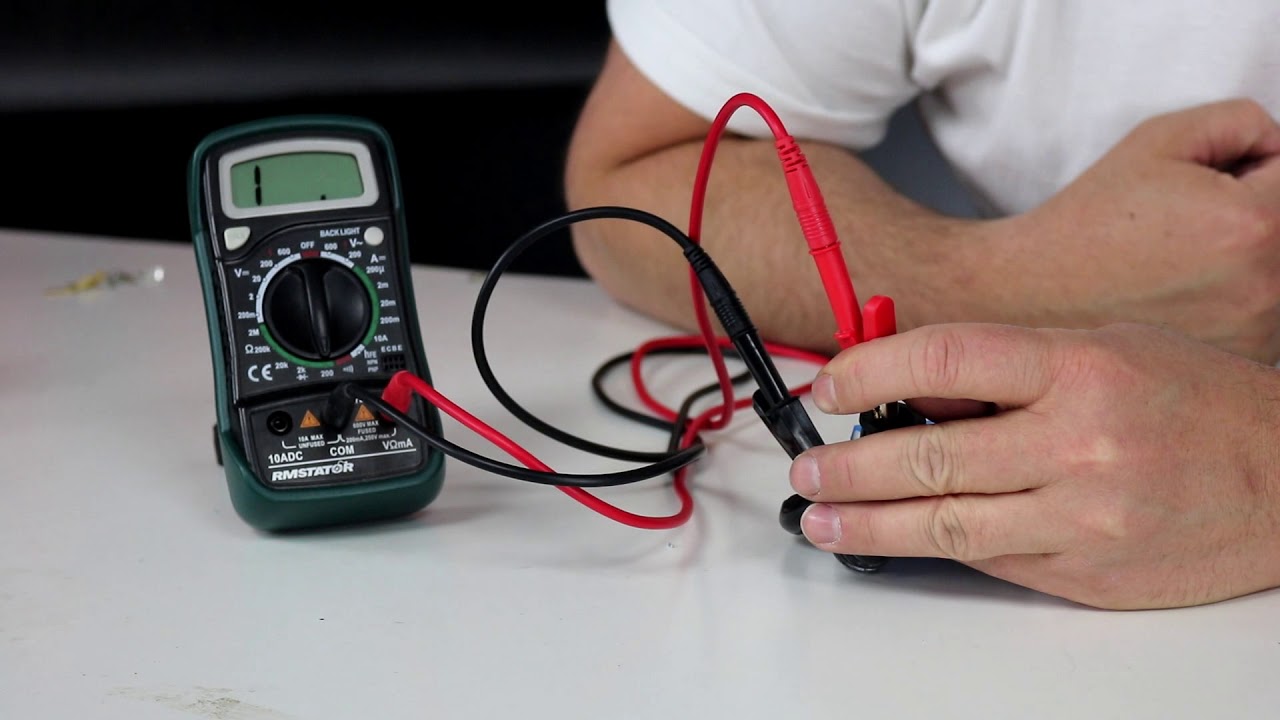
Testing a 6-volt motorcycle ignition coil with a multimeter involves checking resistance and continuity. First, set your multimeter to the ohms setting. Then, measure the primary and secondary windings to ensure proper function.
Set Up The Multimeter
First, make sure the multimeter is on. Set it to the ohms setting. This checks resistance. Turn off the motorcycle’s ignition switch. Unplug the ignition coil wires.
Measure Primary Resistance
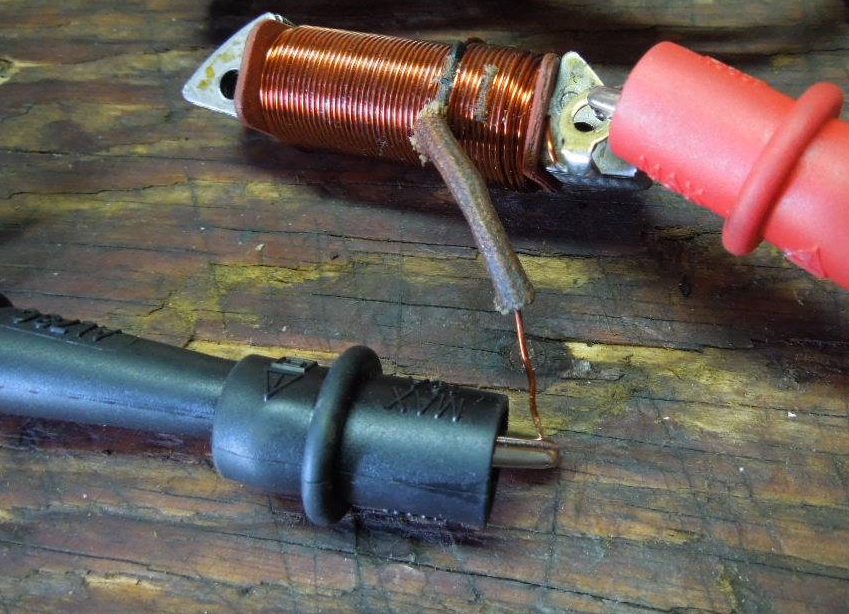
Touch the multimeter probes to the coil’s primary terminals. These terminals are usually marked. The reading should be low, around 0.5 to 2 ohms. This is the primary resistance. Any reading far off means the coil may be bad.
Measure Secondary Resistance
Now, move the probes to the secondary terminals. One probe on the coil tower and the other on a primary terminal. The reading should be higher, around 5,000 to 15,000 ohms. This is the secondary resistance. If the reading is not in this range, the coil might be faulty.
Interpreting The Results
Ensure the ignition coil’s resistance matches the specifications. Compare the readings with the expected values. Any significant deviation might indicate a faulty coil.
Normal Resistance Range
The resistance range for a normal ignition coil should be between 3 to 5 ohms. Use a multimeter to measure this. Place the multimeter probes on the coil’s terminals. Read the display. If the resistance is within this range, the coil is good. If not, it might be faulty.
Identifying Faults
A high resistance reading can mean a bad coil. It could also mean broken wires. A low resistance reading might mean an internal short. Replace the coil if you get these readings. No resistance means the coil is dead. Check the wires first. If they are fine, replace the coil.
Reconnecting The Ignition Coil
Testing a 6-volt motorcycle ignition coil involves a few simple steps. Start by disconnecting the coil from the motorcycle. Use a multimeter to check the resistance.
Reattach Battery
First, make sure the ignition switch is off. Connect the positive terminal of the battery to the ignition coil. Use a screwdriver to tighten the connections. Ensure there is no loose wiring. Double-check that the connections are secure.
Secure Ignition Coil
Place the ignition coil back in its mounting bracket. Use a wrench to tighten the bolts. Make sure the coil is firmly attached. Check for any corrosion on the coil. Clean it if necessary. Ensure all wires are connected properly. The coil should not wiggle or move.
Credit: www.thejunkmanadv.com
Frequently Asked Questions
How Do You Check A 6 Volt Ignition Coil?
First, disconnect the coil from the motorcycle. Use a multimeter to measure resistance between the primary and secondary terminals. Compare the readings with the manufacturer’s specifications.
What Are The Symptoms Of A Bad Ignition Coil?
Symptoms include difficulty starting, engine misfires, reduced performance, and poor fuel economy. If you notice these issues, testing the ignition coil is recommended.
Can A 6 Volt Coil Go Bad?
Yes, a 6 volt ignition coil can fail due to age, overheating, or electrical issues. Regular testing ensures it functions properly.
What Tools Are Needed To Test An Ignition Coil?
You need a multimeter and a basic understanding of its operation. Proper testing ensures accurate results.
Conclusion: How to Test a 6 Volt Motorcycle Ignition Coil
Testing a 6-volt motorcycle ignition coil is simple. Follow the steps outlined. Use basic tools like a multimeter. Ensure safety precautions during the process. Regular testing can prevent future issues. Keep your bike running smoothly. An ignition coil in good condition boosts performance.
Check your coil regularly to avoid breakdowns. Save time and money with routine checks. Stay proactive with motorcycle maintenance. Happy riding!