
Wiring an ignition coil on a motorcycle can seem complex at first. But with the right guidance, it becomes much easier.
Understanding how to wire an ignition coil is essential for every motorcycle enthusiast. The ignition coil is a critical part of your bike’s engine system. It converts the battery’s low voltage to the high voltage needed to spark the engine.
Without it, your motorcycle won’t run. In this guide, we’ll break down the steps to wire the ignition coil properly. This knowledge will help you maintain your bike’s performance and save on repair costs. Keep reading to learn how to wire the ignition coil on your motorcycle with confidence.
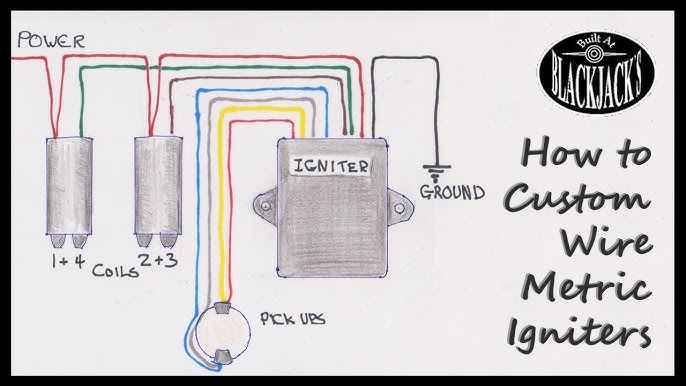
Credit: www.youtube.com
Introduction To Ignition Coils
Ignition coils are a key part of a motorcycle’s engine. They convert low voltage from the battery into high voltage. This high voltage is needed to create a spark. The spark ignites the fuel in the engine. This process allows the motorcycle to start and run.
The main purpose of ignition coils is to provide the spark. Without the spark, the engine cannot start. Ignition coils also help improve engine performance. They ensure the engine runs smoothly and efficiently. Bad ignition coils can cause engine misfires and poor fuel economy.
| Type | Description |
|---|---|
| Single Coil | Used in older motorcycles. One coil for all cylinders. |
| Dual Coil | Two coils, each serving two cylinders. |
| Coil-on-Plug | One coil per cylinder. Directly mounted on spark plug. |
Tools And Materials Needed
You will need a socket wrench, screwdrivers, and pliers. A wire stripper is also important. Keep a multimeter handy for checking connections. A test light can help too. Make sure your tools are in good shape.
Gather all the wiring you need. Use heat shrink tubing for protection. Have some electrical tape ready. Ensure you have the ignition coil. You will also need connectors. Zip ties can help keep everything neat.
Safety Precautions
Ensure the motorcycle is off before starting. Use insulated tools to avoid electric shock. Follow the wiring diagram closely to connect the ignition coil safely.
Personal Safety
Wiring the ignition coil can be risky. Always wear protective gear like gloves and goggles. This keeps you safe from electric shocks. Ensure your hands are dry. Wet hands conduct electricity. Work in a well-lit area to avoid mistakes. Keep a fire extinguisher nearby. Just in case. Follow these steps to stay safe.
Motorcycle Safety
Disconnect the motorcycle battery first. This prevents short circuits. Make sure the bike is on a stable surface. It should not move or fall. Use a kickstand or a center stand. Check all wires for damage. Replace any broken wires. Double-check all connections. Loose wires can cause problems.
Preparation Steps
Begin by disconnecting the motorcycle battery for safety. Identify the ignition coil and check the wiring diagram. Attach the wires securely to the coil terminals.
Disconnect The Battery
First, turn off the motorcycle. Then, locate the battery. Remove the battery cover. Use a wrench to disconnect the negative cable. This will prevent any electric shock. Next, disconnect the positive cable. Store the cables safely. Ensure the battery is completely disconnected before moving on.
Locate The Ignition Coil
Find the ignition coil on your motorcycle. It is usually near the engine. Look for a small box with wires. Refer to the motorcycle manual if needed. The ignition coil may have a label. Ensure you have the correct part before proceeding. Once located, you can start wiring the ignition coil.
Removing The Old Ignition Coil
Removing the old ignition coil is a crucial step in wiring a new one on your motorcycle. Ensure all connections are detached before taking the coil out.
Detach Wiring
Start by turning off the motorcycle. Locate the ignition coil. Look for the wiring connected to the coil. Carefully disconnect the wires. Pay attention to their positions. Use tape to label each wire. This helps during reassembly.
Unbolt The Coil
Find the bolts holding the coil. Use a wrench or screwdriver. Carefully loosen and remove the bolts. Hold the coil as you unbolt it. This prevents it from falling. Once the bolts are out, remove the coil. Set it aside safely.
Credit: kzrider.com
Installing The New Ignition Coil
First, find the old coil. Remove it carefully. Put the new coil in its place. Use screws to hold it tight. Make sure it is secure. Check the position twice.
Identify the wires. They should be color-coded. Match each wire to the correct terminal. Connect them firmly. Use a screwdriver if needed. Ensure all connections are tight. Double-check each wire. No loose ends should be left.
Testing The Installation
Testing the ignition coil installation on your motorcycle ensures proper functioning. Check for secure connections and spark plug activity. This step helps avoid future issues.
Reconnect The Battery
Reconnect the battery cables. Make sure they are tight and secure. Loose connections can cause problems. Check the terminals for any dirt or corrosion. Clean them if needed. A clean connection ensures good power flow. Use a wrench to tighten the bolts.
Start The Engine
Turn the key to the “on” position. Listen for any unusual sounds. Press the starter button. The engine should start smoothly. If it does not, check the connections again. Make sure everything is properly installed. The engine running well means the ignition coil is wired correctly.
Troubleshooting Common Issues
Engine misfires can be frustrating. Poor connections can cause misfires. Check all wires for loose connections. Corroded wires can also lead to problems. Clean any dirty terminals. Faulty spark plugs are another culprit. Replace old or damaged plugs. Always use the right type for your bike.
No spark means the engine won’t start. First, check the ignition coil. It must be correctly wired. A bad coil can cause no spark. Replace it if needed. Inspect the spark plug wires. They should be in good condition. Broken wires mean no spark. Finally, ensure the kill switch is off. A simple step but often overlooked.
Maintenance Tips
Learn how to wire an ignition coil on your motorcycle with these easy steps. Ensure all connections are secure and follow the wiring diagram for your specific bike model. Proper maintenance of the ignition coil helps keep your motorcycle running smoothly.
Regular Inspections
Check the ignition coil often. Look for cracks or damage. Clean the coil with a soft cloth. Make sure connections are tight. Loose connections can cause problems. Test the coil for proper function. Use a multimeter to check. Replace the coil if it’s faulty. Always use the right tools for the job. Safety is important. Wear gloves and goggles. Keep your workspace clean and dry. This helps prevent accidents.
Proper Storage
Store the motorcycle in a dry place. Moisture can damage the ignition coil. Cover the bike with a waterproof cover. This keeps dust and dirt away. Disconnect the battery if storing for long. This saves the coil from draining power. Keep the bike off the ground. Use a stand to lift it. This prevents tire and coil damage. Check the bike every month. Look for any new issues. Fix them right away to avoid bigger problems.

Credit: m.youtube.com
Frequently Asked Questions
What Tools Are Needed To Wire An Ignition Coil?
To wire an ignition coil, you’ll need a wrench, screwdriver, pliers, and electrical tape. Ensure you have the correct wiring diagram for your motorcycle model.
How Do You Identify The Ignition Coil Wires?
Identify the ignition coil wires by referring to your motorcycle’s wiring diagram. Typically, there are primary and secondary wires with different colors.
Can A Faulty Ignition Coil Affect Motorcycle Performance?
Yes, a faulty ignition coil can cause misfiring, poor fuel economy, and difficulty starting the motorcycle. Ensure regular maintenance for optimal performance.
Is It Necessary To Disconnect The Battery Before Wiring?
Yes, always disconnect the battery before wiring the ignition coil. This prevents electrical shock and protects the motorcycle’s electrical system.
Conclusion: How to Wire Ignition Coil on Motorcycle
Wiring an ignition coil on your motorcycle may seem daunting at first. Follow the steps outlined, and you can do it yourself. Double-check connections to ensure safety. Proper wiring keeps your motorcycle running smoothly. Practice patience and take your time.
With a little effort, you can save money and learn a new skill. Happy riding!