How Long Do Lithium And Electric Motorcycle Batteries Last? Find Out
Lithium and electric motorcycle batteries typically last between 3 to 5 years. However, their lifespan depends on various factors, including usage and maintenance.
Electric motorcycles are gaining popularity for their eco-friendliness and efficiency. One of the most common questions from potential buyers is about battery life. Understanding the longevity of lithium and electric motorcycle batteries is crucial. It helps riders plan for replacements and maintenance.
This article explores the factors affecting battery life and offers tips to extend it. Whether you are an experienced rider or a newbie, knowing how long these batteries last can help you make informed decisions. Stay tuned to learn more about the lifespan of lithium and electric motorcycle batteries.
Credit: lithiumbattery.en.made-in-china.com
Understanding the factors that affect the lifespan of lithium and electric motorcycle batteries can help extend their usage. Various elements can influence battery longevity, including usage patterns and charging habits. Knowing these can aid in better battery management.
Usage Patterns
How often and how far you ride impacts battery life. Frequent short trips can be more taxing. Long, steady rides are better for the battery. Aggressive riding with sudden acceleration drains the battery faster. Smooth and consistent riding helps maintain battery health.
Charging Habits
Proper charging practices are crucial. Avoid letting the battery drop below 20%. Frequent deep discharges shorten battery life. Try to keep the battery between 20% and 80% charged. Overcharging can also harm the battery. Use a charger with an automatic shut-off feature. This prevents overcharging.
Lithium Battery Technology
Lithium battery technology powers most modern electric motorcycles. These batteries provide high energy density and long life. They are compact and lightweight. This makes them ideal for vehicles like motorcycles.
Composition And Design
Lithium batteries use lithium ions to store energy. They have a positive electrode called the cathode and a negative one called the anode. The electrolyte allows lithium ions to move between the electrodes. A separator keeps the electrodes from touching each other.
The design of lithium batteries is sophisticated. It focuses on maximizing energy storage and safety. The materials used in the electrodes affect the battery’s performance. Common cathode materials include lithium cobalt oxide and lithium iron phosphate.
Advantages And Disadvantages
Lithium batteries have many advantages. They offer high energy density. This means they can store more energy in a smaller space. They are also lightweight, reducing the overall weight of the motorcycle. These batteries have a long cycle life, meaning they can be charged and discharged many times.
There are some disadvantages too. Lithium batteries can be expensive. They also require careful handling to prevent damage. If they overheat, they can pose safety risks. Proper management systems are necessary to maintain their performance.
Electric Motorcycle Batteries
Electric motorcycle batteries are crucial components. They power your ride and define its performance. These batteries are the heart of electric motorcycles. Understanding their types and performance metrics is essential for every rider.
Types Available
Several types of batteries are available for electric motorcycles. The most common are Lithium-ion (Li-ion) and Lithium Iron Phosphate (LiFePO4). Li-ion batteries are popular due to their high energy density. They are lightweight and compact, making them a favorite among riders. LiFePO4 batteries, on the other hand, offer greater stability and safety. They have a longer life cycle and can withstand more charge-discharge cycles.
Performance Metrics
Electric motorcycle batteries are judged by several metrics. Capacity is a critical metric. It is measured in ampere-hours (Ah). Higher capacity means more energy stored, leading to longer rides. Voltage is another important factor. It determines the power output of the battery. Higher voltage means more power and better performance.
Another key metric is charging time. Faster charging times are more convenient for riders. They reduce downtime and increase riding time. Battery life is also crucial. It is measured in charge-discharge cycles. A higher number of cycles means a longer-lasting battery. Lastly, weight and size matter too. Lighter batteries contribute to better handling and efficiency.
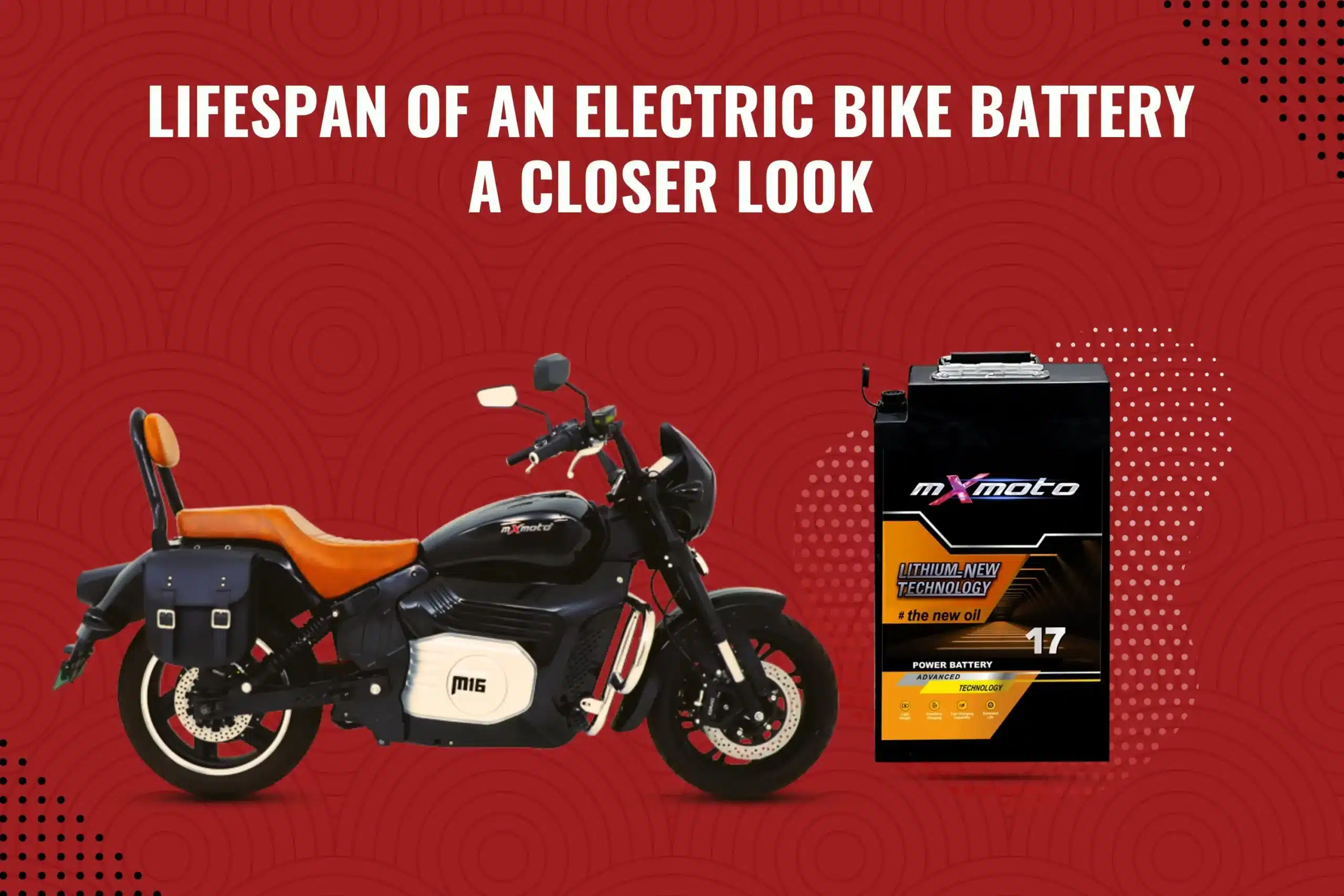
Credit: www.mxmoto.co
Average Lifespan Expectations
Understanding the average lifespan of lithium and electric motorcycle batteries helps in planning maintenance and replacements. Knowing this helps ensure that your bike runs smoothly for years.
Lithium Batteries
Lithium batteries typically last between 3 to 5 years. Their lifespan depends on how often you charge and discharge them. Regular maintenance can help extend their life. Avoiding extreme temperatures also helps in preserving battery health. Ensuring the battery does not fully drain can also prolong its lifespan.
Electric motorcycle batteries usually last around 5 years. These batteries can endure about 300 to 500 charge cycles. Riding habits and charging practices greatly affect their longevity. Using a quality charger can help maintain battery health. Regular check-ups can identify potential issues early. Following the manufacturer’s guidelines can also ensure a longer lifespan.
Maintenance Tips
Maintaining your lithium and electric motorcycle batteries is essential for longevity. Proper care can ensure your battery lasts longer and performs better. Here are some key maintenance tips to help you get the most out of your battery.
Proper Storage
Store your motorcycle in a cool, dry place. Extreme temperatures can harm your battery. Avoid leaving your bike out in the hot sun or freezing cold. When not in use, disconnect the battery to prevent drain. A trickle charger can keep it fully charged without overcharging.
Regular Inspections
Inspect your battery regularly for signs of wear or damage. Check the terminals for corrosion. Clean them if you notice any buildup. Look for cracks or leaks in the battery casing. Replace the battery if you see any significant damage. Regularly check the voltage to ensure it stays within the recommended range.
Signs Of Battery Degradation
Understanding the signs of battery degradation is crucial for electric motorcycle owners. Over time, lithium and electric motorcycle batteries can lose efficiency. Recognizing these signs early can help maintain your bike’s performance.
Reduced Range
One of the most obvious signs of battery degradation is a reduced range. If your motorcycle doesn’t travel as far on a single charge, the battery might be aging. You may notice that your rides are getting shorter. This reduction in range can affect your travel plans.
Initial Range
Degraded Range
100 miles
80 miles
150 miles
120 miles
Longer Charging Times
Another sign of battery wear is longer charging times. If your battery takes more time to charge, it may be degrading. This can be frustrating when you’re in a hurry. Monitoring your charging times can help you identify this issue early.
Normal charging time: 2 hours
Degraded battery charging time: 3-4 hours
Noticing these signs early can help you plan for battery replacement. Keeping an eye on your motorcycle’s range and charging times ensures you get the most out of your rides.
Replacement Considerations
When considering the lifespan of lithium and electric motorcycle batteries, it’s essential to think about replacement considerations. These factors can greatly impact your riding experience and expenses. Let’s delve into the important aspects you need to keep in mind.
Cost Factors
Replacing a battery for your electric motorcycle can be a significant investment. The cost can vary based on several factors:
Battery type
Brand
Capacity
Warranty
On average, a new lithium battery can cost between $500 and $2,000. Higher capacity batteries tend to be more expensive. It’s important to compare different brands and their warranty options to ensure you get the best value for your money.
Choosing The Right Battery
Choosing the right battery is crucial for your motorcycle’s performance. Here are some key points to consider:
Compatibility: Ensure the battery is compatible with your motorcycle’s model.
Performance: Look for batteries with good reviews on performance and longevity.
Warranty: A longer warranty often indicates better quality and reliability.
Capacity: Higher capacity batteries provide longer riding ranges.
A table can help you compare different options:
Brand
Capacity (Ah)
Cost ($)
Warranty (years)
Brand A
20
700
2
Brand B
30
1200
3
Brand C
25
900
2.5
By considering these factors, you can make an informed decision on your battery replacement. This ensures your motorcycle remains efficient and reliable.
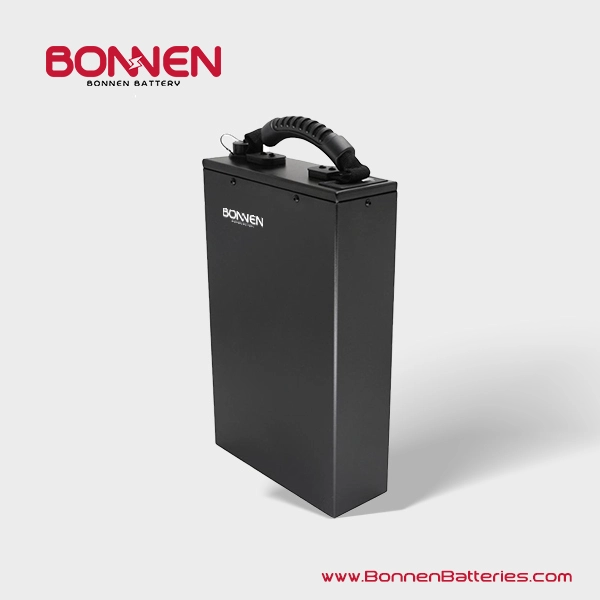
Credit: www.bonnenbatteries.com
Future Of Battery Technology
The future of battery technology for electric and lithium motorcycle batteries is promising. With rapid advancements, the lifespan of these batteries is set to increase. This means longer rides and less frequent replacements. Let’s explore the key innovations and sustainability efforts shaping this future.
Innovations
Battery technology is evolving at a fast pace. Researchers are developing solid-state batteries. These batteries offer higher energy density and longer life spans. They are also safer, reducing the risk of overheating. Another innovation is the use of graphene. Graphene batteries charge faster and last longer. Fast-charging technology is also improving. This makes it easier to get back on the road quickly.
Sustainability
Environmental concerns are driving new battery designs. Companies are working on recycling programs. These programs aim to reduce waste and reuse materials. Sustainable materials are also in focus. Researchers are exploring eco-friendly alternatives to traditional battery components. Battery production processes are becoming greener. Renewable energy sources are being used in manufacturing. This makes the entire lifecycle of the battery more sustainable.
Frequently Asked Questions
How Long Do Lithium Motorcycle Batteries Last?
Lithium motorcycle batteries typically last between 5 to 10 years. Their longevity depends on usage, maintenance, and charging habits.
What Affects Electric Motorcycle Battery Life?
Electric motorcycle battery life is affected by charging cycles, temperature, and riding conditions. Proper maintenance can extend battery life.
Can I Extend My Motorcycle Battery Life?
Yes, you can extend battery life by following proper charging practices. Avoid extreme temperatures and regular maintenance.
How Do I Know If My Battery Is Dying?
Signs of a dying battery include reduced range, slow charging, and difficulty starting the motorcycle. Regular checks are essential.
Conclusion
Lithium and electric motorcycle batteries can last several years. Proper care extends their life. Regular maintenance, like charging and storing correctly, helps. Riding habits also impact battery longevity. Avoid extreme temperatures for best results. Quality batteries perform better and last longer.
Always choose reliable brands. Understand battery limits and follow guidelines. This ensures you get the most out of your motorcycle. Happy riding!
I'm Dan, the motorcycle enthusiast behind Motorcycle Guidlines. With a deep passion for bikes and years of hands-on experience, I love helping fellow riders troubleshoot, repair, and fine-tune their machines. Whether you're a beginner or a seasoned rider, I'm here to share tips, tricks, and insights to keep your ride smooth and your engine roaring. Let's explore the world of motorcycle mechanics together!