Why Do Motorcycle Batteries Die So Fast? Discover the Reasons
Motorcycle batteries can die quickly for several reasons. Factors like short trips, extreme temperatures, and lack of maintenance can impact battery life.
Motorcycle owners often face the frustrating issue of dead batteries. It’s a common problem that can leave you stranded. Understanding why this happens can help you prevent it. Various factors, such as frequent short rides, can prevent the battery from fully charging.
Extreme weather conditions, both hot and cold, can also take a toll on battery health. Additionally, neglecting regular maintenance, like checking connections and fluid levels, can shorten your battery’s life. By understanding these factors, you can take steps to extend your motorcycle battery’s lifespan and ensure a smoother ride.
Motorcycle batteries often die fast due to lack of use. When a motorcycle sits idle, the battery slowly loses its charge. This is a common problem for many riders. Understanding why this happens can help prevent battery drain.
Effects Of Infrequent Riding
Not using your motorcycle often can harm the battery. When a bike stays parked, its battery discharges over time. Even small electrical components can drain the battery. This slow drain weakens the battery’s ability to hold a charge.
Cold weather can make things worse. Batteries lose their charge faster in low temperatures. If a motorcycle is stored in a cold garage, the battery may die even quicker.
Preventing Battery Drain
There are ways to prevent battery drain due to lack of use. One option is to use a battery tender. This device keeps the battery charged even when the bike is not in use. It connects to the battery and supplies a small, steady charge.
Another tip is to start the bike regularly. Running the engine helps keep the battery charged. Try to start your motorcycle at least once a week.
Storing the bike in a warmer place can also help. A heated garage or storage area can slow down the battery’s discharge rate.
Parasitic Drains
Motorcycle batteries often die fast due to parasitic drains. A parasitic drain occurs when electrical components continue to draw power even when the motorcycle is off. This constant power draw can quickly deplete the battery, leading to frequent recharges or replacements.
Electrical Components
Many electrical components in a motorcycle can cause parasitic drains. For instance, alarms, GPS units, or aftermarket accessories might stay on or consume power even when not in use. These components, although helpful, can strain the battery.
Alarms: Security systems often draw power even when the bike is parked.
GPS Units: Some GPS devices remain active, slowly draining the battery.
Aftermarket Accessories: Additional lights or audio systems can also contribute to battery drain.
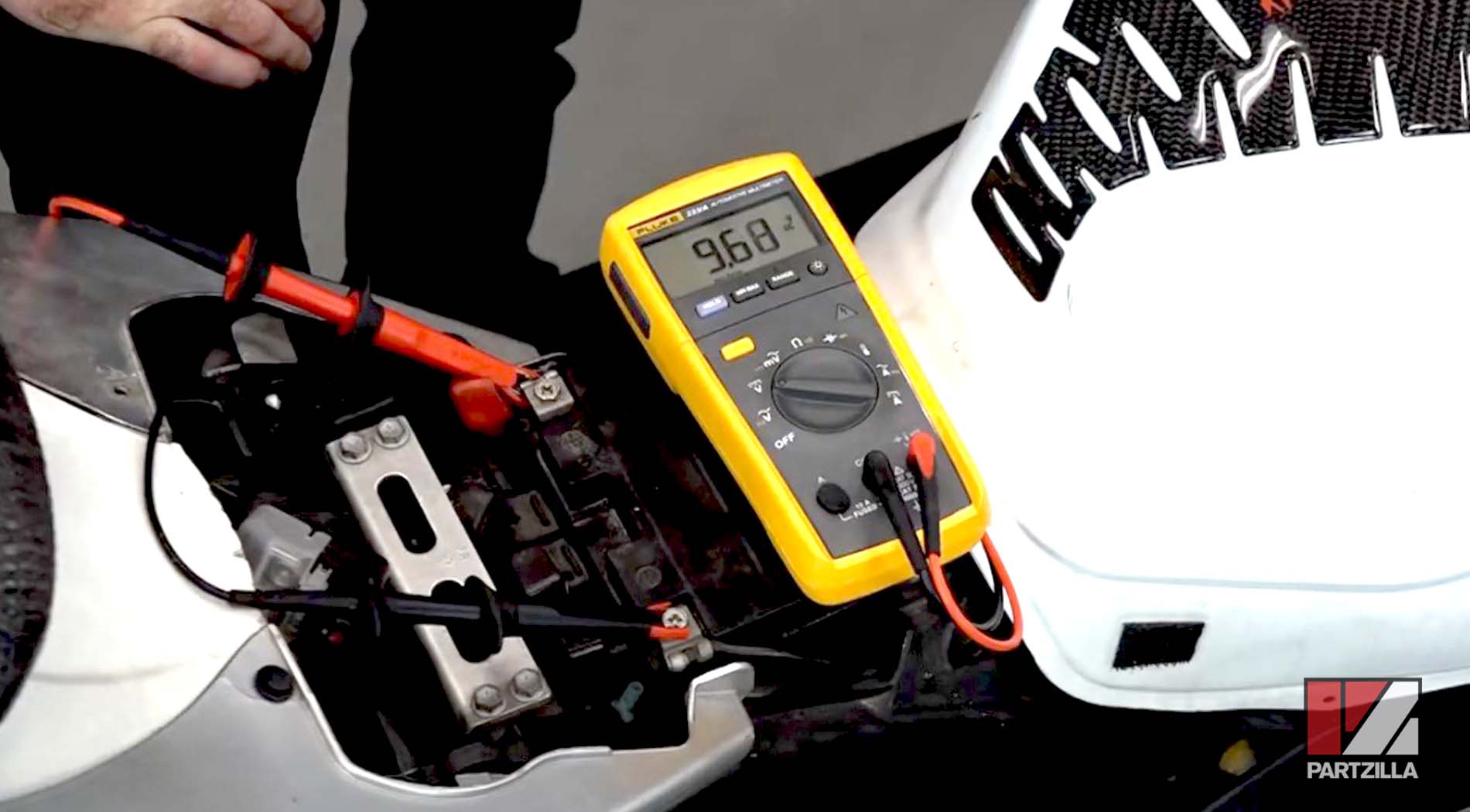
Detecting Parasitic Drain
Detecting a parasitic drain is crucial to prevent battery issues. Here are some steps to identify parasitic drains:
Turn off the motorcycle and remove the key.
Disconnect the negative battery terminal.
Use a multimeter to measure the current between the negative terminal and the battery post.
If the reading is above 50 milliamps, there is a parasitic drain.
Properly identifying and addressing parasitic drains can save your battery. Regularly check your motorcycle’s electrical components and ensure they are not draining power unnecessarily.
Short Rides
Motorcycle owners often wonder why their batteries die so fast. One major reason is short rides. Short rides can have a significant impact on battery life.
Impact On Battery Life
During a short ride, the battery does not get enough time to charge fully. The engine uses the battery to start, but the ride is too short to recharge it. This leads to a gradual loss of charge over time. The alternator, which charges the battery, needs more time to work effectively.
Short rides also increase the risk of sulfation. Sulfation occurs when lead sulfate crystals build up on the battery’s plates. This reduces the battery’s ability to hold a charge. Once sulfation happens, it is hard to reverse, leading to a dead battery.
Optimal Ride Duration
To keep your motorcycle battery healthy, aim for longer rides. An optimal ride should last at least 30 minutes. This gives the alternator enough time to charge the battery fully. Longer rides ensure the battery remains in good condition.
Short rides are fun but can harm your battery. Plan for longer trips to get the most out of your motorcycle battery. Keeping the battery charged will extend its life and save you from frequent replacements.
Extreme Temperatures
Extreme temperatures can significantly affect the lifespan of your motorcycle battery. Both cold and heat can have detrimental effects, causing your battery to die faster. Understanding how temperature impacts your battery can help you take preventive measures.
Cold Weather Effects
Cold weather can be very harsh on motorcycle batteries. In low temperatures, the battery’s chemical reactions slow down, reducing its ability to produce power. This means your battery has to work harder to start the engine.
Additionally, the oil in the engine becomes thicker in the cold. This makes it more difficult for the battery to crank the engine. The combination of these factors can drain your battery quickly.
Here are some ways cold weather affects your battery:
Slower chemical reactions
Increased engine oil viscosity
Higher power demand for starting
Heat Damage
Heat can also be damaging to your motorcycle battery. High temperatures can cause the battery fluid to evaporate. This leads to a decrease in electrolyte levels, which are essential for the battery’s function.
Excessive heat can also cause the battery’s internal components to wear out faster. This results in a shorter lifespan. If your motorcycle is exposed to high temperatures for extended periods, you may notice your battery dying quicker than usual.
Here are some effects of heat on your battery:
Fluid evaporation
Decreased electrolyte levels
Faster wear of internal components
In summary, both cold and heat can lead to a faster drain on your motorcycle battery. Taking steps to protect your battery from extreme temperatures can help extend its life.
Poor Maintenance
Poor maintenance is one of the main reasons motorcycle batteries die quickly. Proper care ensures the battery performs well and lasts longer. Neglecting maintenance tasks can lead to a dead battery, often at the most inconvenient times. Below are some key aspects of proper maintenance to keep your motorcycle battery in top shape.
Regular Checks
Regular checks are essential for battery health. Inspect the battery terminals for corrosion. Clean them if you see any buildup. Ensure the connections are tight. Loose connections can cause poor performance and quicker battery drain.
Task
Frequency
Check Battery Voltage
Monthly
Inspect Terminals
Monthly
Clean Terminals
Quarterly
Proper Storage
Proper storage is crucial during periods of inactivity. Store the motorcycle in a cool, dry place. Excessive heat or cold can damage the battery. Use a battery tender if you won’t ride for a while. This device keeps the battery charged without overcharging it.
Store in a cool, dry place
Use a battery tender
Disconnect the battery if storing for a long time
Follow these tips to extend the life of your motorcycle battery. Regular checks and proper storage can prevent unexpected battery failure.
Credit: www.partzilla.com
Faulty Charging System
A motorcycle battery often dies fast due to a faulty charging system. The charging system includes the alternator, rectifier, and regulator. All these components must work properly to keep the battery charged. If one fails, the battery will not charge correctly. Let’s explore the most common issues.
Alternator Issues
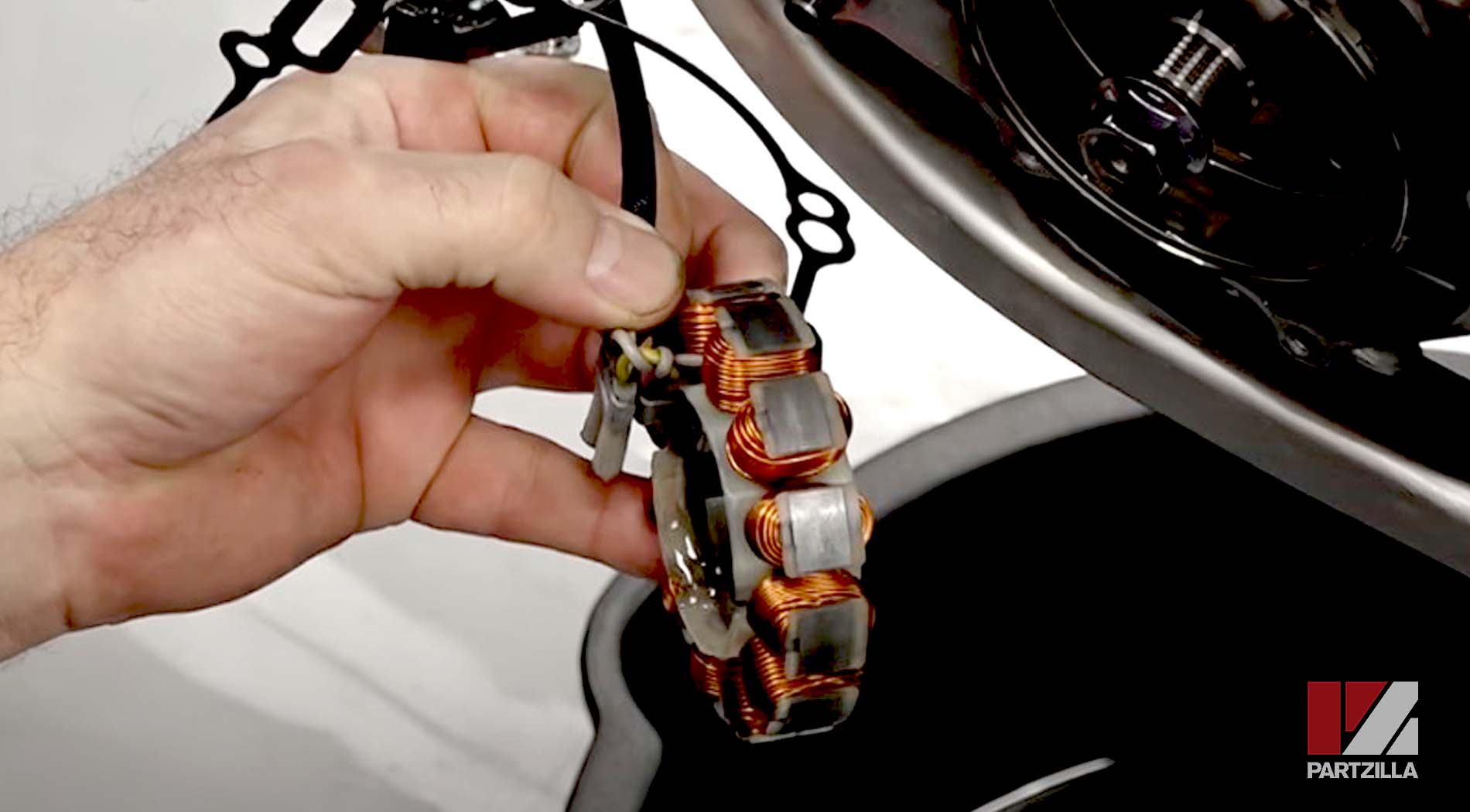
The alternator is crucial for charging the battery. It converts mechanical energy into electrical energy. If the alternator is not working, the battery will not charge. Common alternator issues include:
Worn-out brushes
Damaged stator
Broken rotor
Any of these problems can stop the alternator from producing enough electricity. This leads to a weak or dead battery.
Rectifier/regulator Problems
The rectifier converts AC power from the alternator to DC power. The regulator ensures the voltage stays within safe limits. Both are essential for a healthy battery. Common problems include:
Burnt-out diodes in the rectifier
Faulty voltage regulation
A damaged rectifier can cause an overcharge or undercharge. This quickly drains the battery. A faulty regulator can lead to too much voltage, harming the battery cells.
Regular checks and maintenance help prevent these issues. Ensure all components of the charging system work properly. This helps prolong battery life and ensures a smooth ride.
Old Battery
An old motorcycle battery can be a major reason why your battery dies fast. Over time, all batteries lose their ability to hold a charge. This happens even with the best care. Knowing when your battery is old can save you a lot of trouble.
Signs Of Aging
How can you tell if your motorcycle battery is aging? There are several signs. Your bike may take longer to start. The lights may dim when you start the engine. The battery may also look swollen or have a bad smell. These are clear signs that your battery is old.
When To Replace
Replacing your battery at the right time is key. Most motorcycle batteries last about three to five years. Check the date on your battery. If it is more than three years old, think about getting a new one. A fresh battery can save you from unexpected breakdowns.
Credit: www.partzilla.com
Credit: www.swbatteries.com.au
Frequently Asked Questions
Why Do Motorcycle Batteries Drain Quickly?
Motorcycle batteries drain quickly due to factors like frequent short rides, extreme temperatures, and electrical issues. Regular maintenance can help.
How Can I Extend My Motorcycle Battery Life?
You can extend your motorcycle battery life by regular charging, avoiding short trips, and proper storage in cool, dry places.
What Causes A Motorcycle Battery To Die Overnight?
A motorcycle battery can die overnight due to a parasitic drain, faulty charging system, or leaving lights on.
How Often Should I Charge My Motorcycle Battery?
Charge your motorcycle battery at least once a month, especially if not in regular use, to maintain its health.
Conclusion
Understanding why motorcycle batteries die fast is crucial for every rider. Regular maintenance and proper usage extend battery life. Avoid short trips and frequent start-ups. Ensure your motorcycle’s electrical system works well. Store the bike in a cool, dry place.
Use a battery tender for long periods of inactivity. These steps help maintain battery health. Enjoy longer rides without battery worries. Keep your motorcycle in top shape with these simple tips. Happy and safe riding!
I'm Dan, the motorcycle enthusiast behind Motorcycle Guidlines. With a deep passion for bikes and years of hands-on experience, I love helping fellow riders troubleshoot, repair, and fine-tune their machines. Whether you're a beginner or a seasoned rider, I'm here to share tips, tricks, and insights to keep your ride smooth and your engine roaring. Let's explore the world of motorcycle mechanics together!