
Motorcycle batteries typically range from 12 volts and 2 to 30 amps. Knowing the right amps and volts for your battery is crucial.
It ensures your motorcycle runs smoothly and safely. Motorcycle batteries are the heart of your bike’s electrical system. They power everything from the ignition to the lights. Getting the right battery specifications can make a big difference in performance. But how do you know which amps and volts are best?
This guide will help you understand the basics. We will explain how to choose the right battery for your motorcycle. By the end, you’ll have a clear idea of what to look for. Let’s dive in and explore the world of motorcycle batteries.
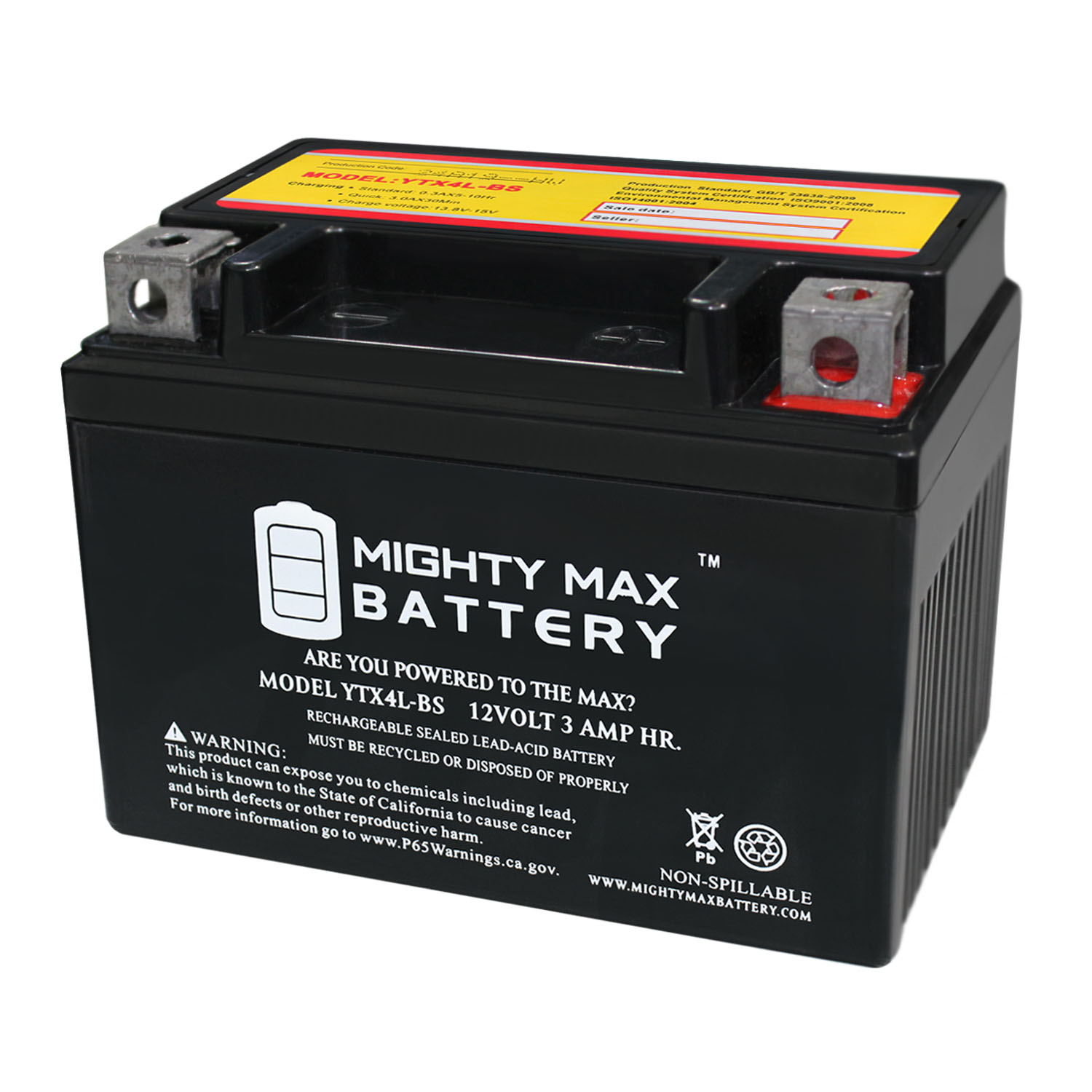
Credit: www.mightymaxbattery.com
Introduction To Motorcycle Batteries
Motorcycle batteries are the heart of a bike’s electrical system. They power the ignition, lights, and other electronics. Understanding their function is key to maintaining your motorcycle. Let’s dive into the basics of motorcycle batteries.
Importance Of Proper Voltage
Voltage is the electrical potential difference. Most motorcycle batteries have 12 volts. Proper voltage ensures your bike starts and runs efficiently. Low voltage can lead to electrical issues and unreliable starts. Always check your battery’s voltage regularly.
Role Of Amperage
Amperage measures the battery’s power capacity. It indicates how much current the battery can supply. Motorcycle batteries usually range from 10 to 30 amps. Higher amperage means more power for your bike’s electrical components. Ensure your battery’s amperage meets your motorcycle’s requirements.
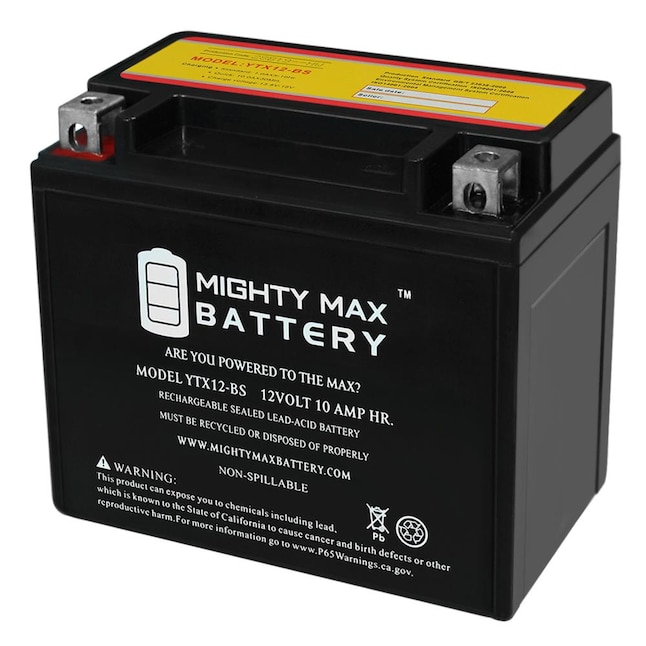
Credit: www.lowes.com
Standard Voltage Levels
Motorcycle batteries are essential for powering your bike. Knowing the standard voltage levels helps in choosing the right battery. It ensures your motorcycle runs smoothly and reliably.
Common Voltage Ratings
Motorcycle batteries come in two common voltage ratings: 6 volts and 12 volts. Most modern motorcycles use 12-volt batteries. They provide more power and are suitable for bikes with more electrical components. Older models and smaller bikes might use 6-volt batteries. Here’s a table to help you understand the common voltage ratings:
| Voltage Rating | Common Usage |
|---|---|
| 6 Volts | Older models, smaller bikes |
| 12 Volts | Modern motorcycles |
Voltage Differences By Model
Different motorcycle models may require different voltage levels. High-performance bikes with advanced systems may need a stronger battery. Cruisers and touring bikes often use 12-volt batteries for better performance. Some off-road bikes and smaller motorcycles still use 6-volt batteries. Always check your motorcycle’s manual before buying a battery. It ensures you get the correct voltage and avoid issues. Here’s a quick list of voltage differences by model:
- High-performance bikes: Usually 12 volts
- Cruisers and touring bikes: Typically 12 volts
- Off-road bikes: May use 6 or 12 volts
- Small motorcycles: Often 6 volts
Choosing the right voltage is crucial for your motorcycle’s performance. It ensures a smooth ride and long battery life.
Understanding Amperage In Batteries
Understanding amperage is essential when discussing motorcycle batteries. Amperage, or amps, measures the electrical current flowing from the battery. It determines how much power the battery can deliver to your motorcycle.
Typical Amp Ratings
Motorcycle batteries come with different amp ratings. These ratings depend on the size and type of the battery. Most motorcycle batteries have a rating between 2 to 30 amps. The higher the amp rating, the more power the battery can supply. The table below shows common amp ratings for various motorcycle battery types:
| Battery Type | Typical Amp Rating |
|---|---|
| Small bikes | 2-5 amps |
| Medium bikes | 6-12 amps |
| Large bikes | 12-30 amps |
Impact On Performance
The amp rating of a battery directly affects its performance. A higher amp rating means the battery can handle more load. This is crucial for motorcycles with high electrical demands. Consider these key points:
- A high amp rating ensures reliable starts.
- It supports additional accessories like lights and audio systems.
- It extends the battery’s lifespan by preventing overloading.
Choosing the right amp rating is vital for optimal motorcycle performance. Matching the battery’s amps to your motorcycle’s needs ensures smooth operation.
Factors Affecting Voltage And Amperage
Motorcycle batteries typically have a voltage of 12 volts and amperage ranging from 2 to 30 amps. Factors like battery size, type, and usage impact these values. Ensure compatibility with your motorcycle’s requirements for optimal performance.
Understanding the voltage and amperage of motorcycle batteries is key. Various factors impact these two important metrics. These factors include the battery size, type, and motorcycle requirements. Each one plays a vital role in determining the battery’s performance.
Battery Size And Type
Battery size directly affects voltage and amperage. Larger batteries typically hold more power. This means they can deliver higher voltage and amperage. Smaller batteries, on the other hand, may have lower values. Different types of batteries also impact these values. Lead-acid batteries are common and reliable. Lithium-ion batteries offer higher performance and longer life. Each type has different voltage and amperage characteristics.
Motorcycle Requirements
Different motorcycles need different battery specifications. High-performance bikes require higher voltage and amperage. This ensures they start quickly and run smoothly. Smaller, less powerful bikes need less power. The electrical system of the motorcycle also plays a part. Bikes with more accessories need batteries with higher amperage. This ensures all components work efficiently. Understanding these factors helps in choosing the right battery. It ensures your motorcycle runs at its best. “`
Choosing The Right Battery
Choosing the right motorcycle battery is essential for optimal performance and safety. Your motorcycle’s electrical system relies on the battery to start the engine and power accessories. Understanding the amps and volts of motorcycle batteries helps in making an informed decision.
Compatibility Considerations
First, ensure the battery fits your motorcycle’s specifications. Check the manufacturer’s guidelines for battery size and type. Using an incompatible battery can damage your motorcycle’s electrical system. It may also void the warranty. Most motorcycles use a 12-volt battery. But, some smaller bikes and scooters may require a 6-volt battery. Check your motorcycle’s manual for the correct voltage. Consider the physical dimensions of the battery. It must fit in the battery compartment without modifications. Compare the terminal types to ensure proper connections.
Performance Needs
Performance needs vary based on your riding style and conditions. Higher Cold Cranking Amps (CCA) are crucial in colder climates. CCA measures the battery’s ability to start the engine in low temperatures. If you have many electrical accessories, choose a battery with a higher Amp-Hour (Ah) rating. Ah measures the battery’s capacity to supply power over time. This ensures your lights, GPS, and other devices run smoothly. Some high-performance motorcycles require batteries with higher voltage and amp ratings. Check with your dealer or a professional mechanic for recommendations.
| Type of Motorcycle | Voltage | Typical Amp-Hour (Ah) Rating |
|---|---|---|
| Standard Motorcycle | 12V | 8-12 Ah |
| Scooter | 6V or 12V | 4-8 Ah |
| High-Performance Motorcycle | 12V | 12-18 Ah |
By considering compatibility and performance needs, you can choose the right battery. This ensures your motorcycle runs efficiently and reliably.
Maintenance Tips
Proper maintenance of your motorcycle battery ensures its longevity and performance. Consistently checking your battery’s voltage and amperage is crucial. Follow these tips to keep your battery in optimal condition.
Regular Voltage Checks
Regular voltage checks are essential for battery health. Use a multimeter to measure the voltage. A fully charged 12-volt battery should read around 12.6 to 12.8 volts. If the voltage drops below 12.4 volts, your battery needs charging. Checking the voltage every month helps you catch issues early. When measuring, ensure the motorcycle is off. This gives an accurate reading. If the voltage fluctuates, it might indicate a failing battery. Consider replacing it soon.
Ensuring Proper Amperage
Amperage is as important as voltage. Amperage measures the battery’s current output. A typical motorcycle battery has an amperage rating between 2 and 30 amps. Check your battery’s specifications to know the exact amperage. Use a battery load tester to measure amperage. Connect the tester to the battery terminals. A healthy battery should maintain its amperage under load. If the amperage drops significantly, the battery might be weak. Keep terminals clean to ensure proper amperage flow. Corroded terminals hinder performance. Check the amperage regularly, especially before long rides. This ensures your motorcycle starts reliably. Proper amperage maintenance extends the battery’s life.
Troubleshooting Common Issues
Motorcycle batteries can face many issues. Knowing how to troubleshoot them helps. Here, we cover common problems with amps and volts.
Voltage Drops
Voltage drops are a frequent issue. They can cause starting problems. Use a multimeter to check the voltage. A healthy motorcycle battery should read around 12.6 to 12.8 volts when fully charged. If the voltage drops below 12 volts, the battery may be weak. Check the connections first. Loose or corroded terminals can cause voltage drops. Clean the terminals and tighten the connections. Still having issues? It might be time for a new battery.
Amperage Inconsistencies
Amperage inconsistencies can be tricky. They may indicate deeper problems. Use a multimeter to measure the amperage. A typical motorcycle battery delivers 10-18 amps. If the amperage is too low, check the charging system. A faulty alternator or regulator can cause low amperage. Inspect these parts for any damage or wear. Consistently low amperage? The battery itself might be the culprit. Consider replacing it.

Credit: us.saint.cc
Frequently Asked Questions
What Is The Typical Voltage Of A Motorcycle Battery?
Most motorcycle batteries have a voltage of 12 volts. Some older models may use 6-volt batteries. Always check your motorcycle’s manual for the correct voltage.
How Many Amps Does A Motorcycle Battery Have?
Motorcycle batteries typically range between 2 to 30 amps. The exact number depends on the battery’s size and type. Check your motorcycle’s specifications for the correct amp rating.
Can I Use A Car Battery For My Motorcycle?
Using a car battery for a motorcycle is not recommended. Car batteries are much larger and can damage the motorcycle’s electrical system. Always use a battery specifically designed for motorcycles.
How Long Does A Motorcycle Battery Last?
A motorcycle battery typically lasts between 2 to 5 years. Regular maintenance and proper charging can extend its lifespan. Check the battery regularly for signs of wear.
Conclusion
Understanding motorcycle batteries is crucial for proper maintenance. They typically range between 6 to 12 volts. Amps vary depending on the bike’s model and size. Ensure your battery meets the manufacturer’s specifications. Regular checks can prevent issues. Always charge and store it correctly.
This ensures longer life and better performance. Keep these points in mind for a smooth ride. Happy motorcycling!