
Motorcycle batteries power your ride and come in different types. Each type has unique features and benefits.
Understanding the different types of motorcycle batteries can help you choose the right one for your bike. Motorcycle batteries vary in design, performance, and maintenance needs. Knowing what each type offers can make a big difference in your riding experience.
From lead-acid to lithium-ion, each battery type serves different purposes and suits different motorcycles. We will explore the various types of motorcycle batteries, highlighting their key features and benefits. This knowledge will help you make an informed decision and ensure your motorcycle runs smoothly and reliably. Let’s dive into the world of motorcycle batteries and discover which type is best for you.

Credit: zenithmotorcycles.co.uk
Introduction To Motorcycle Batteries
Motorcycle batteries are essential for the smooth running of your bike. They power the electrical systems and help start the engine. Understanding the different types of motorcycle batteries can help you make an informed decision. This guide will walk you through the various options available.
Importance Of Choosing The Right Battery
Choosing the right battery ensures your motorcycle performs well. A good battery provides reliable power and lasts longer. It also reduces the risk of breakdowns and ensures all electrical components work properly. The right battery can enhance your riding experience.
Factors To Consider
When selecting a motorcycle battery, several factors are crucial. Here are some key points to consider:
- Battery Type: Lead-acid, AGM, and lithium-ion are the main types.
- Size: Ensure the battery fits your motorcycle’s compartment.
- Voltage: Most motorcycles require a 12-volt battery.
- Cold Cranking Amps (CCA): Higher CCA means better starting power in cold weather.
- Maintenance: Some batteries need regular maintenance, others are maintenance-free.
| Battery Type | Advantages | Disadvantages |
|---|---|---|
| Lead-Acid | Affordable, widely available | Heavy, requires maintenance |
| AGM | Maintenance-free, good performance | More expensive than lead-acid |
| Lithium-Ion | Lightweight, long-lasting | Expensive, can be sensitive to temperature |
Credit: www.velapower.com
Lead-acid Batteries
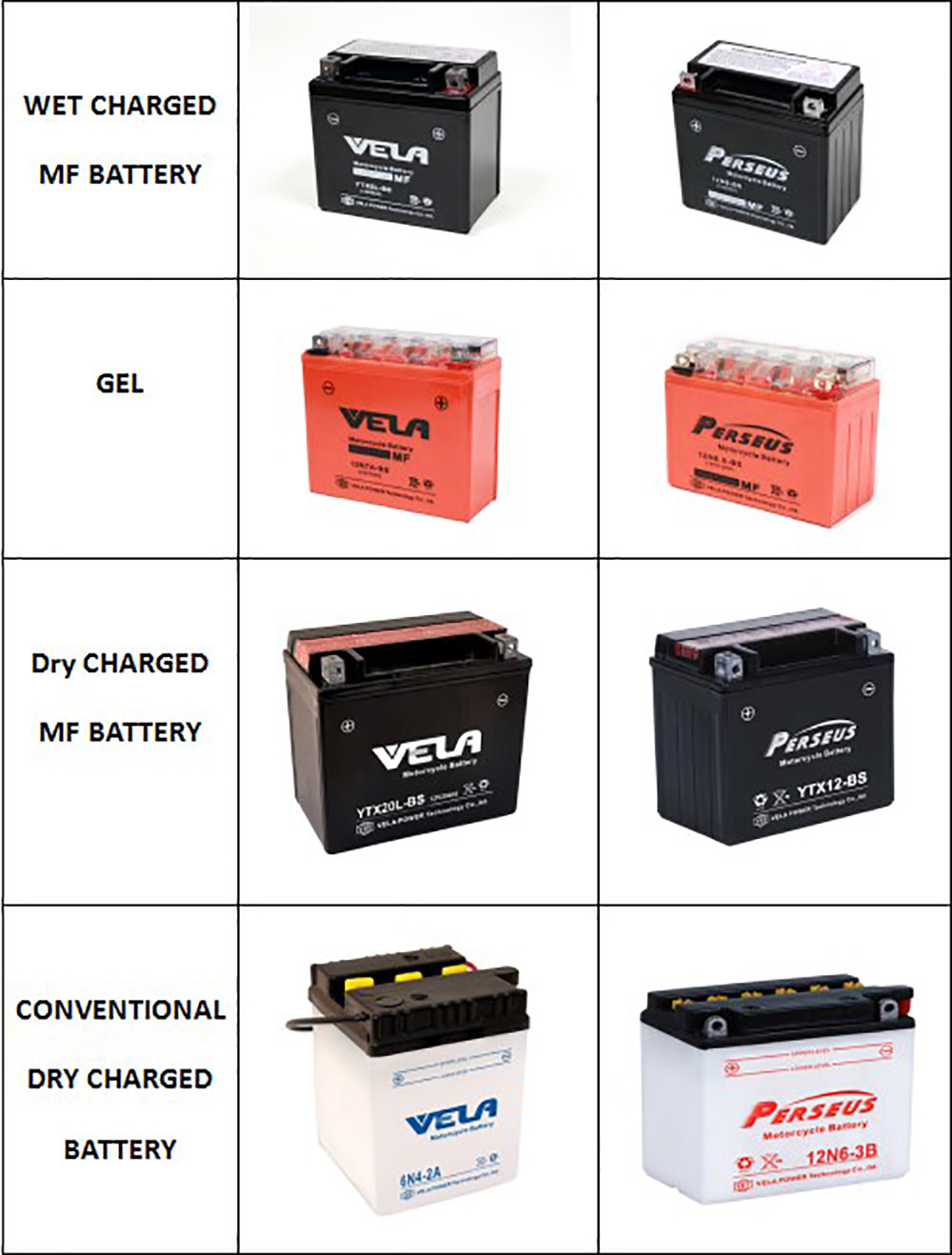
Lead-acid batteries are the most common type used in motorcycles. These batteries have been around for over a century. They are reliable and cost-effective. There are two main types of lead-acid batteries: Flooded Lead-Acid and Sealed Lead-Acid.
Flooded Lead-acid
Flooded Lead-Acid batteries are also known as wet cell batteries. They contain liquid electrolyte that needs regular maintenance. You have to check the water level often. If the water level drops, you need to refill it. These batteries are usually cheaper. They also have a longer lifespan if maintained well. One downside is that they can leak if tipped over. They also produce gas, so they need proper ventilation.
Sealed Lead-acid
Sealed Lead-Acid batteries are also called maintenance-free batteries. They come in two types: AGM (Absorbent Glass Mat) and Gel. These batteries do not need regular watering. The electrolyte is sealed inside, so they do not leak. AGM batteries have a special glass mat that absorbs the electrolyte. Gel batteries use a thickened electrolyte. Both types are safer and more convenient. They are also less likely to spill or leak. However, they are usually more expensive than flooded batteries.
Agm Batteries
Absorbent Glass Mat (AGM) batteries are popular in the motorcycle world. They are known for their reliability and efficiency. AGM batteries use a special fiberglass mat to hold the electrolyte solution. This design helps the battery stay sealed and maintenance-free. Riders appreciate the robust nature and long life of AGM batteries.
Advantages Of Agm
AGM batteries offer several benefits:
- Maintenance-Free: No need to check water levels or add water.
- Sealed Design: Prevents leaks and spills, ensuring safety.
- Vibration-Resistant: Handles the rough rides without issues.
- Long Lifespan: Lasts longer compared to other types.
- Fast Recharging: Quick recharge times keep you on the road.
Common Uses
AGM batteries are versatile and used in various motorcycles:
| Type of Motorcycle | Reason for Use |
|---|---|
| Sport Bikes | Lightweight and high performance |
| Touring Bikes | Long lifespan and reliability |
| Cruisers | Handles vibrations well |
| Off-Road Bikes | Sealed design for rugged conditions |
AGM batteries are a trusted choice for many riders. Their features make them suitable for different riding needs. Whether for sport, touring, or off-road, AGM batteries deliver consistent performance.
Gel Batteries
Gel batteries are a type of lead-acid battery. They are filled with a gelified electrolyte. This makes them different from traditional lead-acid batteries. Gel batteries are popular among motorcycle enthusiasts. They offer several advantages over other types of batteries.
Benefits Of Gel Technology
Gel batteries come with many benefits. Below are some key benefits:
- Maintenance-Free: Gel batteries do not need regular maintenance. They are sealed and require no water top-ups.
- Long Lifespan: These batteries have a long lifespan. They can last up to five years with proper care.
- Vibration Resistant: Gel batteries resist vibrations. This makes them ideal for motorcycles that experience a lot of movement.
- Spill-Proof: The gel inside the battery does not spill. This reduces the risk of leaks and damage.
- Deep Discharge Recovery: Gel batteries recover from deep discharges better than other lead-acid batteries.
Typical Applications
Gel batteries have several applications in the motorcycle world:
- Touring Motorcycles: They are used in touring bikes. These bikes need reliable and long-lasting power sources.
- Off-Road Bikes: Off-road bikes benefit from vibration resistance. Gel batteries offer this feature.
- Custom Builds: Custom bike builders prefer gel batteries. They are compact and versatile.
- Scooters: Gel batteries are ideal for scooters. They are maintenance-free and easy to use.
In summary, gel batteries offer many benefits. They are reliable, long-lasting, and perfect for a variety of motorcycle types.
Lithium-ion Batteries
Lithium-Ion batteries are increasingly popular in the world of motorcycles. They offer numerous advantages over traditional batteries. These batteries are known for their light weight and high energy density. Let’s explore their key features and performance comparison.
Key Features
- Lightweight: Lithium-Ion batteries are much lighter than lead-acid batteries. This helps in improving the overall performance of the motorcycle.
- High Energy Density: They can store more energy in a smaller package. This means longer rides without frequent recharges.
- Longer Lifespan: These batteries last longer. They can handle more charge cycles than other types.
- Low Self-Discharge Rate: Lithium-Ion batteries retain their charge for a longer period. This makes them ideal for motorcycles that are not used daily.
- Fast Charging: They charge faster than traditional batteries. This reduces downtime significantly.
Performance Comparison
| Feature | Lithium-Ion Battery | Lead-Acid Battery |
|---|---|---|
| Weight | Lightweight | Heavy |
| Energy Density | High | Low |
| Lifespan | Long | Short |
| Self-Discharge Rate | Low | High |
| Charging Time | Fast | Slow |
In summary, Lithium-Ion batteries are a great choice for motorcycle enthusiasts. They provide better performance, durability, and convenience.
Nickel-cadmium Batteries
Nickel-Cadmium (Ni-Cd) batteries are another option for motorcycles. These batteries are known for their durability and long lifespan. They can handle extreme temperatures and are less likely to suffer damage from overcharging. This makes them a reliable choice for many riders.
Pros And Cons
Nickel-Cadmium batteries have several advantages. They are very durable and can last many years. They perform well in a wide range of temperatures. They can also be recharged many times without losing capacity. But there are some downsides. Ni-Cd batteries are heavier than other types. They also contain toxic metals, which can harm the environment. They are more expensive than some other battery types. You must also fully discharge them before recharging, or they can lose capacity.
Usage Scenarios
Nickel-Cadmium batteries are a good choice for riders who need a reliable battery. They are ideal for use in extreme weather conditions. If you ride in very hot or cold climates, these batteries can perform well. They are also suitable for motorcycles used infrequently. Their long lifespan means they won’t need replacing often. These batteries are also a good option if you need a battery with many recharge cycles. They can be recharged many times without losing much capacity. This makes them a good choice for riders who use their motorcycles a lot.
Battery Maintenance Tips
Maintaining your motorcycle battery ensures its longevity and reliability. Proper maintenance can prevent unexpected breakdowns and keep your ride smooth. Here are some essential tips to help you maintain your motorcycle battery.
Regular Checks
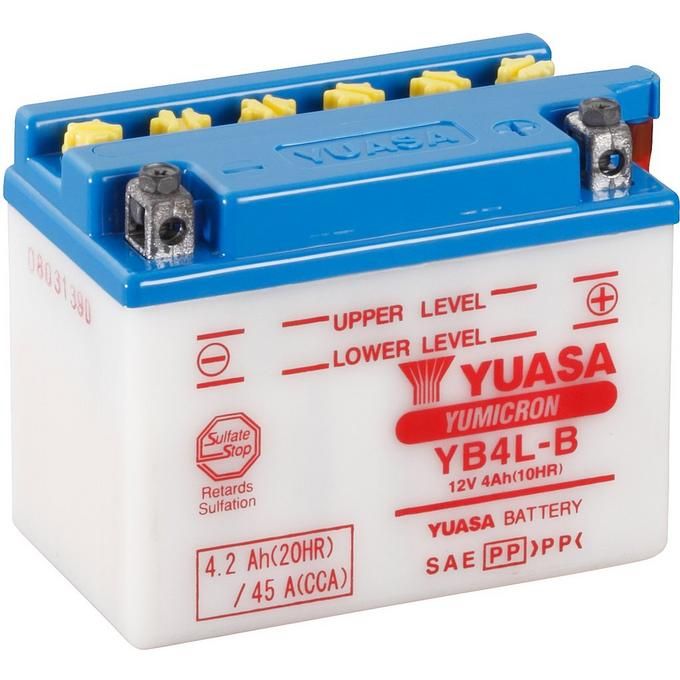
Regular checks are vital for battery health. Inspect the battery terminals and connections. Look for any signs of corrosion or loose connections. Clean the terminals with a mixture of baking soda and water. Use a wire brush to remove any buildup. Check the battery voltage using a multimeter. A healthy battery should read around 12.6 volts when fully charged. If the voltage drops below 12 volts, it’s time to charge the battery.
| Check | Action |
|---|---|
| Terminals | Clean and tighten |
| Voltage | Charge if below 12 volts |
Proper Storage
Proper storage can extend your battery’s life. Store your motorcycle in a cool, dry place. Extreme temperatures can damage the battery. Keep the battery on a trickle charger if storing for long periods. This maintains the charge without overcharging. Disconnect the battery if you won’t use your motorcycle for a while. This prevents any potential drain from the bike’s electronics. Store the battery in a secure place, away from flammable materials.
- Store in a cool, dry place
- Use a trickle charger
- Disconnect for long periods
- Keep away from flammables
By following these tips, you can ensure your motorcycle battery stays in top condition. Regular checks and proper storage are key to a long-lasting battery.
Credit: www.batco.com.au
Choosing The Right Battery
Choosing the right motorcycle battery is crucial for your bike’s performance. With various options available, it’s important to understand what fits your needs. This section will help you make an informed decision.
Matching Battery To Bike
Every motorcycle has specific requirements for its battery. These requirements depend on the bike’s make, model, and year. Using the wrong battery can lead to performance issues or even damage. Always refer to your bike’s manual for the recommended battery type. Check the following factors to ensure a match:
- Voltage: Ensure the battery voltage matches your bike’s needs.
- Capacity: Capacity is measured in ampere-hours (Ah). Choose a battery with the correct capacity.
- Dimensions: Make sure the battery fits in your bike’s battery compartment.
Budget Considerations
Budget plays a significant role in choosing a motorcycle battery. Prices can vary widely based on the type and brand. Consider your budget while ensuring you get a quality battery. Here are some options:
| Battery Type | Price Range |
|---|---|
| Lead-Acid | $20 – $100 |
| AGM (Absorbent Glass Mat) | $50 – $150 |
| Lithium-Ion | $100 – $300 |
Lead-acid batteries are often the cheapest. AGM batteries offer better performance and lifespan. Lithium-ion batteries are the most expensive but provide the best performance and longest life. By matching the battery to your bike and considering your budget, you can make an informed choice. This ensures your motorcycle runs smoothly and reliably.
Frequently Asked Questions
What Are The Types Of Motorcycle Batteries?
Motorcycle batteries come in three main types: Lead Acid, AGM, and Lithium-Ion. Each has unique features, performance, and maintenance needs.
How Does A Lead Acid Battery Work?
Lead Acid batteries use chemical reactions between lead plates and sulfuric acid to generate power. They are cost-effective and reliable.
What Is An Agm Battery?
AGM (Absorbed Glass Mat) batteries are sealed, maintenance-free, and have better performance. They are vibration-resistant and ideal for high-performance motorcycles.
Why Choose A Lithium-ion Battery?
Lithium-Ion batteries are lightweight, have a longer lifespan, and charge quickly. They offer superior performance but are more expensive.
Conclusion
Understanding the different types of motorcycle batteries is essential. Each type offers unique benefits. Choose based on your needs and riding style. Lead-acid batteries are reliable and budget-friendly. Lithium-ion batteries are lightweight and last longer. Absorbent Glass Mat (AGM) batteries offer a good balance.
Maintenance-free options save time and effort. Remember to consider battery life and performance. Proper care extends battery lifespan. Selecting the right battery ensures a smooth ride. Invest wisely for a better motorcycle experience. Happy riding!