Obtaining a motorcycle licence in Alberta is a straightforward process. You need to follow specific steps and meet certain requirements.
Riding a motorcycle offers freedom and excitement. To legally ride in Alberta, you must have a valid motorcycle licence. This guide will help you understand the steps involved in getting your licence. From learning the rules to passing tests, we will cover all you need to know.
Whether you are a new rider or transferring from another province, this information will help you navigate the process smoothly. Let’s get started on your journey to becoming a licensed motorcycle rider in Alberta.
Eligibility Criteria
To get a motorcycle license in Alberta, you must meet several eligibility criteria. These criteria ensure that all riders are safe and prepared for the road. Understanding the requirements will help you start the process smoothly.
Age Requirements
You must be at least 16 years old to apply for a motorcycle license in Alberta. If you are under 18, you need parental or guardian consent. This consent must be in writing.
Health And Vision Standards
Good health is essential for safe riding. You must meet basic health standards. A medical exam may be required if you have certain health conditions. Vision is also crucial. You will need to pass a vision test to ensure you can see well enough to ride safely.
Knowledge Test
So, you’ve decided to ride a motorcycle in Alberta? That’s awesome! But first, you need to pass the Knowledge Test. This test checks if you know the rules of the road and how to ride safely. Let’s break it down, so you know exactly what to do.
Studying For The Test
Preparing for the Knowledge Test is crucial. Here are some tips to help you:
- Get the Right Materials: The Alberta Driver’s Guide is your best friend. It covers everything you need to know.
- Practice, Practice, Practice: Take online practice tests. They give you a feel of the real thing.
- Join a Study Group: Sometimes, studying with friends can make it easier and more fun.
Booking The Test
Ready to book your test? Here’s how:
- Visit a registry agent. You can find one near you here.
- Bring your ID. Make sure you have a valid ID with you.
- Pay the fee. The test isn’t free, so be ready to pay a small fee.
What To Expect On Test Day
Test day can be nerve-wracking, but don’t worry! Here’s what you need to know:
- Arrive Early: Give yourself plenty of time to get there. Rushing can make you more nervous.
- Bring What You Need: Have your ID and any necessary documents.
- Stay Calm: Take deep breaths. You’ve got this!
The test itself is a multiple-choice exam. You’ll need to answer questions about road signs, rules, and safety. If you’ve studied, you’ll be fine.
So, there you go! Follow these steps, and you’ll be on your way to getting your motorcycle licence in Alberta. Happy riding!
Class 7 Licence
If you’re dreaming of the open road and the thrill of riding a motorcycle, your journey starts with getting a Class 7 Licence in Alberta. This is the first step in obtaining your motorcycle licence, and it’s crucial to understand the process and requirements. Let’s break it down in a simple, clear way to help you get started on your path to becoming a licensed motorcycle rider.
Application Process
Applying for a Class 7 Licence in Alberta is straightforward, but it does require you to follow a few essential steps. Here’s what you need to do:
- Age Requirement: You must be at least 14 years old to apply.
- Study the Handbook: The Alberta Driver’s Guide will be your best friend. Study it well, as it contains all the information you need to pass the knowledge test.
- Take the Knowledge Test: Visit an Alberta registry agent office to take your knowledge test. Be prepared to answer questions about road signs, rules, and safe driving practices.
- Vision Test: At the registry office, you’ll also need to pass a vision test to ensure you can see well enough to drive safely.
- Provide Identification: Bring valid identification documents. You’ll need proof of your name, date of birth, and legal entitlement to be in Canada.
- Pay the Fee: There is a fee for taking the knowledge test and for issuing the licence. Make sure to check the current rates at your local registry office.
Restrictions And Conditions
Once you’ve got your Class 7 Licence, you’re on your way, but there are some important restrictions and conditions you need to follow:
- Supervised Driving: You must be accompanied by a fully licensed driver who is at least 18 years old and has a Class 5 non-GDL licence.
- No Alcohol: You must maintain a zero alcohol level while driving. No exceptions!
- Passenger Limit: You are not allowed to drive with more passengers than seat belts in the vehicle.
- Curfew: You cannot drive between midnight and 5 AM.
- Practice Time: You must hold your Class 7 Licence for at least one year before you can take the next step towards your full motorcycle licence.
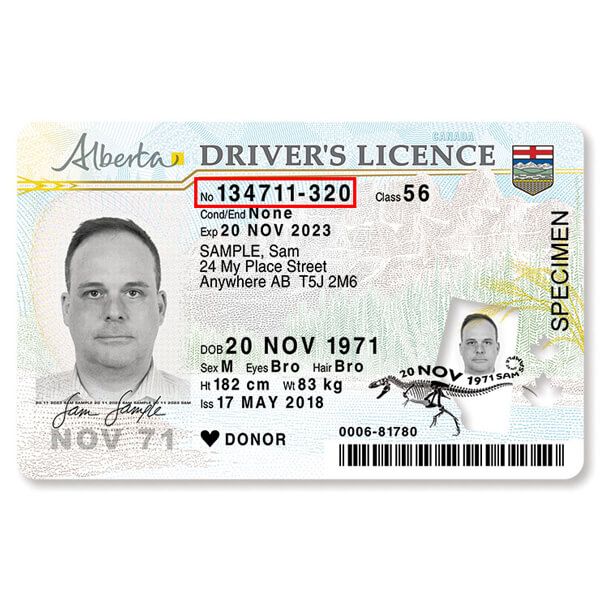
Remember, these rules are in place for your safety and the safety of others on the road. Think of them as stepping stones to help you become a more confident and skilled driver. So, study hard, practice safe driving, and soon enough, you’ll be ready to hit the open road on your motorcycle!
Credit: eservices.alberta.ca
Class 6 Licence
Getting a motorcycle licence in Alberta can be an exciting journey. If you’re dreaming of feeling the wind in your hair and the open road ahead, then obtaining your Class 6 Licence is your first step. This blog post will guide you through the essential steps, focusing on the Class 6 Licence. We’ll break it down into easy-to-understand sections so you can get on your bike and ride safely and legally.
Graduated Licensing System
Alberta uses a Graduated Licensing System (GLS) to help new drivers gain experience and skills over time. For a motorcycle licence, this system ensures you become a safe and responsible rider. The GLS has two stages:
- Stage One: Class 7 Licence – You need to pass a knowledge test on the rules of the road and traffic signs. You’ll get a learner’s permit, which allows you to practice riding under supervision.
- Stage Two: Class 6 Licence – After holding your Class 7 for at least a year, you can take the road test. Once you pass, you’ll get your full Class 6 Licence.
Road Test Requirements
Before you can take the road test for your Class 6 Licence, there are a few requirements you need to meet:
- Minimum Age: You must be at least 16 years old.
- Knowledge Test: You must have passed the Class 7 knowledge test.
- Valid Learner’s Permit: You must have held your Class 7 Licence for at least one year.
- Motorcycle: You need a motorcycle that meets Alberta’s safety standards.
The road test itself is designed to ensure you can handle your motorcycle safely. It includes:
- Basic control skills
- Observing traffic rules
- Riding in traffic
During the test, the examiner will observe how well you control your bike and how you respond to real-life traffic situations. Remember, practice makes perfect!
So there you have it! With a bit of patience and a lot of practice, you’ll be well on your way to earning your Class 6 Licence in Alberta. Safe riding!
Motorcycle Training Course
Dreaming of hitting the open road on a motorcycle? If you’re in Alberta, getting a motorcycle license involves more than just passing a test. One critical step is taking a Motorcycle Training Course. This course not only prepares you for the licensing exams but also ensures you understand the safety and skills needed to ride confidently. Let’s dive into the benefits of taking a course and how to find a certified school.
Benefits Of Taking A Course
Why should you consider a motorcycle training course? Well, it’s more than just a box to tick off. Here are some key benefits:
- Safety First: The course teaches essential safety skills. You’ll learn how to handle the bike in various conditions, from wet roads to heavy traffic.
- Confidence Booster: Feeling nervous about riding? A course can boost your confidence. Instructors guide you step-by-step, helping you become a more assured rider.
- Insurance Discounts: Some insurance companies offer discounts to those who have completed a certified training course. It’s a win-win!
- Passing the Test: Let’s face it, the licensing test can be tough. A training course prepares you thoroughly, increasing your chances of passing on the first try.
Finding A Certified School
Now that you know the benefits, how do you find a reputable training school in Alberta? Here are some tips:
- Research Online: Start with a simple online search. Look for schools with good reviews and high ratings. Websites like Google and Yelp can be handy.
- Check Certification: Ensure the school is certified by the Alberta Transportation. Certification means the school meets provincial standards.
- Ask for Recommendations: Know someone who rides? Ask them for recommendations. Personal experiences can give you valuable insights.
- Visit the School: If possible, visit the school. Talk to the instructors and see the facilities. You’ll get a feel for the environment and the teaching style.
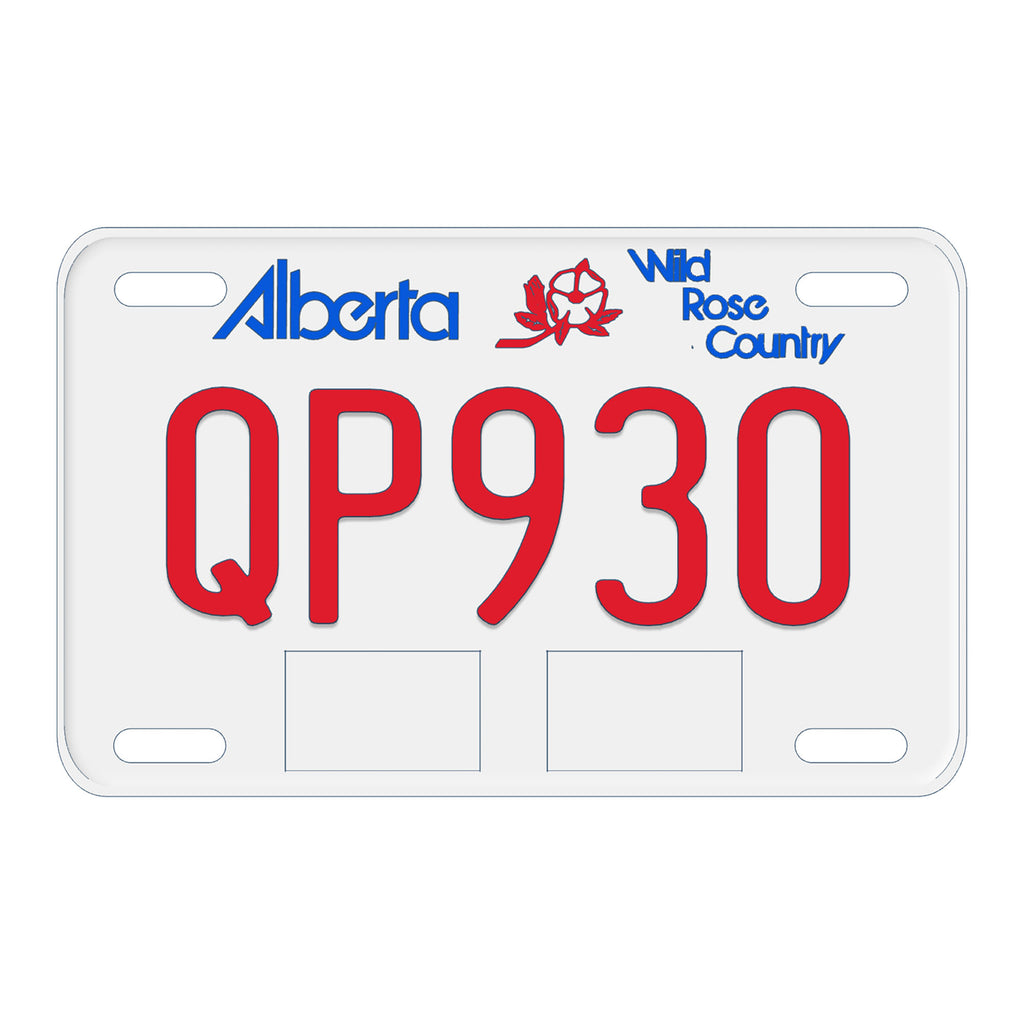
Taking a motorcycle training course is a smart move. It equips you with the skills, knowledge, and confidence to ride safely. Plus, it makes passing the licensing test easier. So, do your homework, find a certified school, and get ready to ride!
Credit: ygk3d.com
Road Test Preparation
Preparing for your motorcycle road test in Alberta is crucial. It helps boost your confidence and ensures you follow all the rules. Knowing what to expect can make a big difference. Let’s break it down step by step.
Practice Sessions
Regular practice is key. Find a quiet place to ride. Focus on your turns, stops, and signaling. Practice in different weather conditions. It helps you get used to various situations. Use parking lots for slow-speed maneuvers. They are great for practicing tight turns.
Remember, consistency matters. The more you ride, the better you get. Try to ride daily, even if it’s just for a short time. This helps build muscle memory. It also makes you more comfortable on your bike.
Tips For Success
Pay attention to your surroundings. Always check your mirrors. Be aware of other vehicles. Use your indicators every time you turn. These small habits make a big difference. They show the examiner you are attentive and careful.
Stay calm during your test. Deep breaths can help. If you make a mistake, don’t panic. Correct it and keep going. The examiner understands you might be nervous. Show your skills confidently. Ride smoothly and follow the rules.
Wear the right gear. Helmets, gloves, and jackets are essential. They protect you and show you are serious about safety. Your examiner will notice this. Safety is a top priority for passing the test.
After Passing The Road Test
Congratulations! You’ve successfully passed the road test and are on your way to becoming a licensed motorcycle rider in Alberta. However, the journey doesn’t end here. There are a few more steps you need to take and habits to adopt to ensure you’re fully prepared for the open road. Let’s dive into what happens after passing the road test.
Receiving Your Licence
After you’ve conquered the road test, it’s time to get your actual motorcycle licence. Here’s what you need to know:
- Visit your local registry office. Bring your identification and proof of passing the road test.
- You will need to pay a fee for your motorcycle licence. Fees can vary, so it’s a good idea to check in advance.
- Your licence will be issued as a Class 6 licence. This allows you to ride motorcycles of all sizes and power.
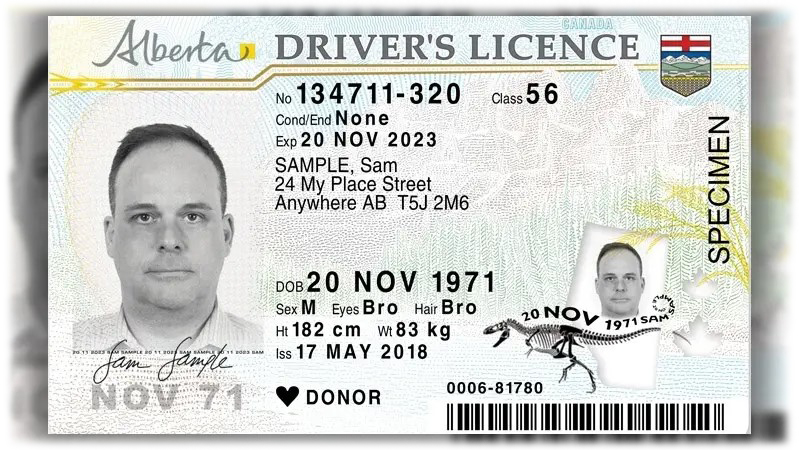
Voila! You’ll receive a temporary paper licence immediately, and your permanent licence will arrive in the mail within a few weeks. Simple, right?
Maintaining Safe Riding Practices
Having a motorcycle licence is a great responsibility. Ensuring your safety and the safety of others is paramount. Here are some tips to keep in mind:
- Wear proper gear: Always wear a helmet, gloves, and protective clothing. It’s not just about obeying the law; it’s about protecting yourself.
- Stay visible: Make sure you are seen by other drivers. Use your headlights, wear bright clothing, and avoid blind spots.
- Follow traffic rules: Stick to speed limits, signal your intentions, and obey traffic signs. It’s the best way to stay safe.
- Be aware of road conditions: Watch out for potholes, gravel, and wet surfaces. These can be more hazardous for motorcycles than for cars.
- Take a refresher course: Even after getting your licence, consider taking an advanced riding course. It can sharpen your skills and increase your confidence.
Remember, riding a motorcycle is thrilling, but it comes with its own set of risks. Keeping these tips in mind will help you enjoy the ride while staying safe.
Passing the road test is just the beginning. With your new licence in hand and a commitment to safe riding practices, you’re ready to hit the road and enjoy the freedom that comes with being a motorcycle rider in Alberta.
Credit: www.registrywest.com
Frequently Asked Questions
How Long Does It Take To Get A Motorcycle License In Alberta?
It takes approximately one to three months to get a motorcycle license in Alberta. This includes passing tests and completing the required training.
What Is The Highest Cc Without A Motorcycle License?
The highest cc without a motorcycle license varies by location. In many places, it’s typically up to 50cc. Always check local regulations.
Can You Ride A Motorcycle In Alberta Without A Class 6?
No, you cannot ride a motorcycle in Alberta without a Class 6 license. It is required by law.
How Long Does It Take To Get A Motorcycle License In Canada?
It typically takes 12 to 24 months to get a motorcycle license in Canada, depending on the province’s requirements.
Conclusion
Getting a motorcycle licence in Alberta is straightforward. Follow the steps. Study the rules. Practice riding. Take the tests. Pass them. Remember to wear safety gear. Enjoy the freedom of the open road. Stay safe and ride responsibly.


