
Riding a motorcycle brings freedom and excitement. Yet, safety is crucial.
Motorcycle accidents can be severe. Riders face risks from other vehicles, road conditions, and their own mistakes. Understanding how to avoid these dangers is key to staying safe. In this blog post, we will explore practical tips and strategies for avoiding accidents on a motorcycle.
From wearing the right gear to understanding road conditions, we will cover essential safety measures. Whether you are a new rider or an experienced one, these insights will help you enjoy a safer ride. Join us as we delve into the steps you can take to protect yourself on the road. Safety first, ride smart!
Credit: www.kogan-disalvo.com
Choosing The Right Motorcycle
Picking the right motorcycle is crucial. Opt for a bike that matches your skill level. Smaller bikes are easier to handle. Avoid powerful bikes if you are a beginner. They can be hard to control. A good fit is key. Your feet should touch the ground. This helps with balance and safety. Test the bike before buying. Make sure you feel comfortable. A well-chosen bike can prevent accidents.
Always look for a bike with modern safety features. Anti-lock braking systems (ABS) can save lives. They help prevent the wheels from locking. This keeps you from skidding. Traction control is another feature to consider. It helps maintain control on slippery roads. Make sure your bike has good lights. This makes you visible to others. Reflectors are also important. They help other drivers see you. Choose a motorcycle with these features for safer rides.
Wearing Proper Gear
Wearing proper gear, like a helmet, gloves, and boots, can greatly reduce the risk of injury. Protective clothing shields your body from serious harm during accidents. Stay safe by always dressing appropriately.
Helmet Selection
A helmet is the most important gear. It protects your head. Choose a helmet that fits snugly. It should not move around. Look for certified helmets. They meet safety standards. Full-face helmets offer the best protection. They cover your entire face and chin.
Protective Clothing
Wear jackets and pants made of strong materials. Leather or textile is good. They protect your skin in a crash. Gloves protect your hands. Wear boots that cover your ankles. Avoid regular shoes. Reflective gear makes you more visible. This helps other drivers see you.
Conducting Pre-ride Inspections
Check the tire pressure. Use a gauge to get an accurate reading. Look for any cuts or nails in the tires. Replace the tires if you find damage. Make sure the tread is deep enough. Good tread grips the road better.
Test the brakes before each ride. Squeeze the brake lever. It should feel firm. Also, check the brake pads. Worn-out pads can be dangerous. Replace them if needed. Make sure the brake fluid is at the right level. Proper brakes can save your life.

Credit: www.humbertoinjurylaw.com
Understanding Road Conditions
Understanding road conditions can significantly reduce motorcycle accidents. Pay attention to weather, road surfaces, and traffic patterns. Stay alert and drive safely.
Weather Impacts
Rain can make roads slippery. Wet roads reduce tire grip. Fog reduces visibility, making it hard to see. Strong winds can push the motorcycle. Dress warmly in cold weather. It keeps you alert and focused.
Surface Hazards
Watch for potholes. They can cause a sudden jolt. Gravel can make the bike slide. Wet leaves are slippery. Avoid manhole covers when wet. They are very slippery. Smooth roads are best. Even small bumps can be dangerous.
Practicing Defensive Riding
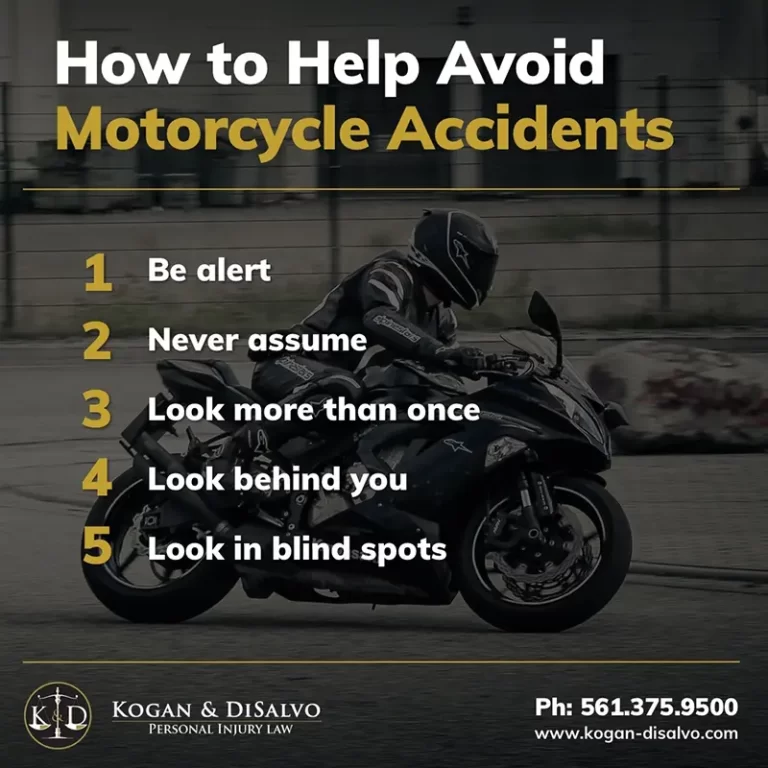
Always keep your eyes moving. Scan the road ahead. Look for hazards. Check your mirrors frequently. Stay aware of blind spots. Predict what other drivers might do. Stay focused. Avoid distractions like phones. Listen for sounds like horns. Use your senses to stay alert. Recognize danger early. Take action quickly to avoid accidents.
Maintain a safe distance from vehicles ahead. At least two seconds gap. More in bad weather or heavy traffic. This gives you time to react. Avoid tailgating. It reduces your reaction time. Use the “two-second rule”. Pick a marker on the road. When the car ahead passes it, start counting. If you reach the marker before two seconds, increase distance. This ensures safety.

Credit: www.cooperandfriedman.com
Mastering Motorcycle Handling
Leaning into a corner is important. Keep your body relaxed. Look where you want to go. Do not stare at obstacles. Slow down before you enter the turn. Use both brakes for stopping. Do not brake while turning. It may cause skidding. Practice on empty roads or parking lots. Gain confidence in your skills.
Use both brakes for quick stops. Front brake has most of the stopping power. Squeeze, do not grab, the brake lever. Keep your weight back when braking hard. It helps to avoid flipping over. Practice emergency stops regularly. Know your bike’s limits. Be smooth and steady with the brakes. Avoid sudden or jerky movements. It can cause loss of control.
Avoiding Common Mistakes
Speeding on a motorcycle can be very dangerous. High speed reduces your reaction time. It also makes it harder to control the bike. Always follow the speed limit. Ride at a safe speed. This gives you more time to react to obstacles. Stay alert and be cautious.
Distracted riding is a major cause of accidents. Avoid using your phone while riding. Keep your eyes on the road at all times. Even a quick glance away can be risky. Make sure your focus is always on riding. Pay attention to traffic and road conditions. Stay aware of your surroundings.
Emergency Situations
Always stay alert on the road. Watch for sudden obstacles. Swerving can help avoid a crash. Practice swerving in a safe place. Know your bike’s limits. Use both brakes when stopping quickly. Keep your bike in good condition. This ensures it responds well. Wear safety gear always. It protects you during accidents.
Stop immediately if you crash. Check for injuries first. Call for help if needed. Move to a safe place if possible. Stay calm and breathe deeply. Exchange information with others involved. Take photos of the accident scene. Report the accident to the authorities. Get medical help even if you feel okay. Some injuries are not felt right away.
Frequently Asked Questions
How To Avoid An Accident On A Motorcycle?
Wear protective gear, maintain your motorcycle, follow traffic rules, stay alert, and avoid distractions to prevent accidents.
What Are The Top 3 Causes Of Motorcycle Accidents?
The top 3 causes of motorcycle accidents are speeding, distracted driving, and impaired driving. Always stay alert and ride responsibly.
Where Do 70% Of Motorcycle Accidents Occur?
70% of motorcycle accidents occur at intersections and urban areas. Riders must stay alert in these high-risk zones.
How Do You Not Fall Over On A Motorcycle?
Maintain balance by keeping your speed steady. Look ahead, not down. Use your body to lean into turns. Practice good posture and grip. Keep your tires properly inflated.
Conclusion
Staying safe on a motorcycle takes practice and awareness. Always wear your helmet. Check your bike before each ride. Stay alert to road conditions. Maintain safe distances from other vehicles. Ride at safe speeds. Follow traffic rules. Keep learning and improving your riding skills.
Safe riding habits help you avoid accidents. Enjoy your ride and stay safe.