
Motorcycle jerking when downshifting, also referred to as when a motorcycle jerks when downshifting, is often due to improper clutch use or mismatched engine speed. It can signal a need for smoother gear transitions or maintenance issues.
Jerky motions while downshifting your motorcycle can disrupt the riding experience and potentially signify underlying mechanical problems. A smooth transition between gears is essential for maintaining control and ensuring the longevity of your motorcycle’s transmission. Clutch issues often cause this problem—either from rider error or a need for adjustment or repair.
Besides the clutch, incorrect engine speed matching during gear changes can lead to a jerky ride. Riders should always aim to rev match accurately to maintain momentum and prevent undue stress on the transmission. Regular maintenance, including timely oil changes and clutch inspections, can help avoid jerking motions when downshifting. For new riders, mastering the art of clutch control and understanding the dynamics of the motorcycle’s drivetrain is crucial to eliminate jerking and enhance overall performance.

Diagnosing The Issue
Motorcycle downshifting issues often stem from a variety of mechanical or operational problems. A jerk or sudden jolt experienced during downshift can be alarming and indicates that immediate attention is required to prevent further damage to the motorcycle’s transmission.
Problems like clutch wear or incorrect clutch adjustments could lead to rough shifts. Engine performance issues, such as improper air-fuel mixtures or ignition system failures, could also be a contributing factor. Additionally, the use of incorrect oil types or low oil levels can affect the gearbox and clutch operation. It’s essential to systematically assess these areas to understand why the motorcycle behaves unpredictably during downshifts.
| Potential Causes | Impact on Downshifting |
|---|---|
| Clutch Wear or Adjustment | Causes abrupt and jerky gear changes |
| Engine Performance Issues | Leads to erratic engine behavior affecting shifts |
| Improper Oil Use | Impacts the smoothness of the clutch and gearbox |
Motorcycle Jerks When Downshifting
Motorcycles that jerk during downshifting can catch riders off guard. Noticing these symptoms early can prevent future mechanical issues. Riders may experience a sudden loss of speed, unsmooth gear transitions, or an abrupt thrust forward. These signs often indicate that the bike’s transmission requires attention.
Jerking typically manifests in certain scenarios: during aggressive riding, when a motorcycle is ridden at low speeds, or when shifting gears without proper clutch engagement. Riding on slopes or uneven terrain can also lead to a jerky motorcycle performance. Riders should maintain a routine inspection schedule to ensure gear and clutch systems remain in optimal condition for a smooth riding experience.
| Scenario | Description |
|---|---|
| Aggressive Riding | Forces quick downshifts, can lead to jerking if gears are not properly engaged. |
| Low Speed Maneuvers | Less momentum necessitates precise gear engagement, risk of jerking if done improperly. |
| Improper Clutch Use | Skipping the clutch or releasing it too quickly may cause the bike to jerk. |
| Uneven Terrain | Slopes can lead to unexpected downshifts, resulting in a jerky motion. |
Smooth It Out
To achieve a smooth downshift on a motorcycle, it’s crucial to master the coordination between the clutch and throttle. One should gently apply the clutch while simultaneously offering a slight twist to the throttle. This subtle balance helps to match the engine speed to the lower gear, thereby preventing the jerky motion commonly experienced during downshifting. Riders must practice this technique consistently to ensure a seamless transition between gears.
For newer riders, it may help to think of downshifting as a dance between the clutch and throttle, where timing and rhythm are key. Releasing the clutch slowly and applying throttle just enough to raise the engine RPM can minimize jolts. Advanced riders often make use of rev-matching, where they blip the throttle to raise the engine RPM as the clutch is released. This advanced technique requires practice but can lead to exceptionally smooth gear changes.
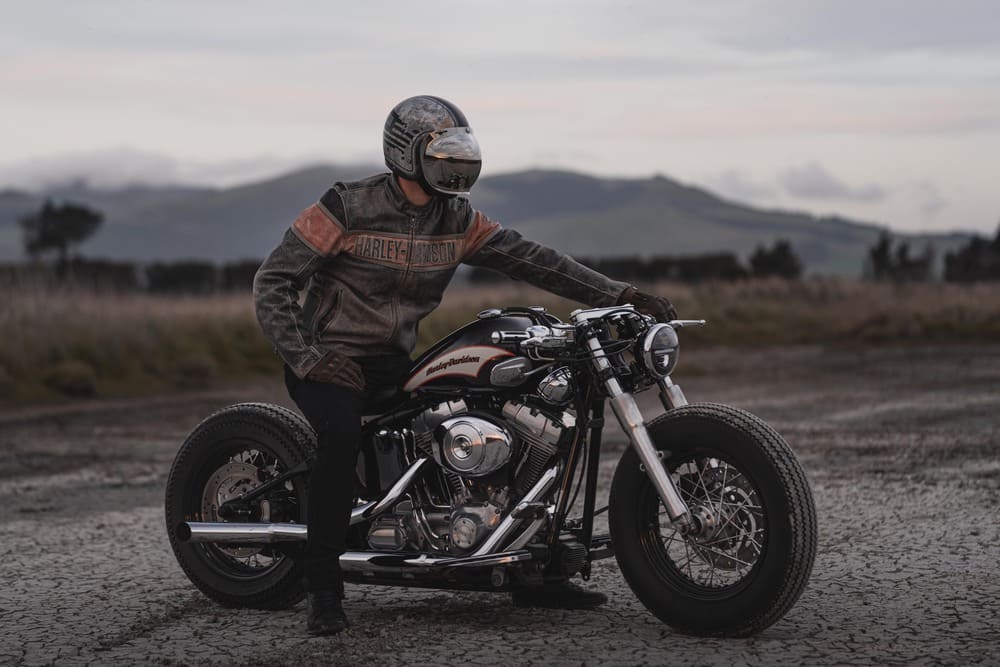
Credit: www.saint.cc
Frequently Asked Questions On Motorcycle Jerks When Downshifting
Why Does My Bike Jolt When I Downshift?
Your bike may jolt when you downshift due to abrupt engine speed changes. Properly timing your downshifts and using throttle blips can smooth transitions and reduce jolting.
How Do I Stop My Motorcycle From Jerking When Changing Gears?
Ensure smooth gear changes on your motorcycle by practicing these steps: Gradually release the clutch, match engine speed to gear, use throttle control, and keep the chain properly tensioned. Regular maintenance is also crucial for preventing jerking during shifts.
Why Does My Bike Jerk When I Slow Down?
Your bike may jerk when slowing down due to worn-out clutch components, dirty or obstructed carburetor, engine stalling, or misadjusted fuel mixture. Have these parts checked and serviced regularly.
What Helps Make Your Downshifting Smoother On A Motorcycle?
To ensure smoother downshifting on a motorcycle, practice rev-matching, gently apply the clutch, and gradually release it. Keep throttle adjustments minimal and maintain a steady grip on the handlebars. Regularly check your bike’s clutch and gear system for seamless transitions.
Conclusion
Addressing a motorcycle that jerks during downshifting is crucial for a smooth ride. Regular maintenance and understanding your bike’s quirks can prevent this issue. As you implement the tips shared, enjoy safer and more enjoyable journeys. Remember, your motorcycle’s performance reflects your attention to its needs.
Keep riding smoothly!