
When it comes to motorcycles, safety is always a top concern for riders. In recent years, three-wheeled motorcycles have gained popularity as a safer alternative to traditional two-wheeled bikes. These vehicles, often called trikes, combine the thrill of motorcycling with the added stability of three wheels. But just like any other vehicle, not all three-wheeled motorcycles are created equal when it comes to safety.
In this article, we’ll delve into the safety aspects of three-wheeled motorcycles, helping you understand the benefits and limitations of these vehicles. We’ll also highlight which models are considered the safest and why.
What is a 3 Wheel Motorcycle?
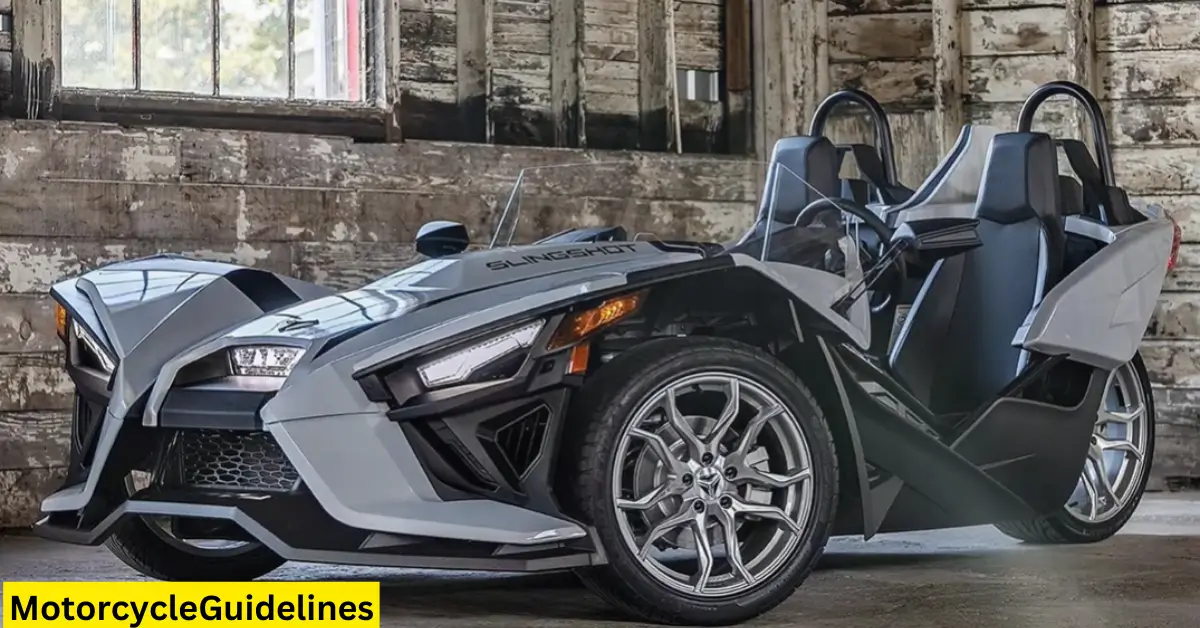
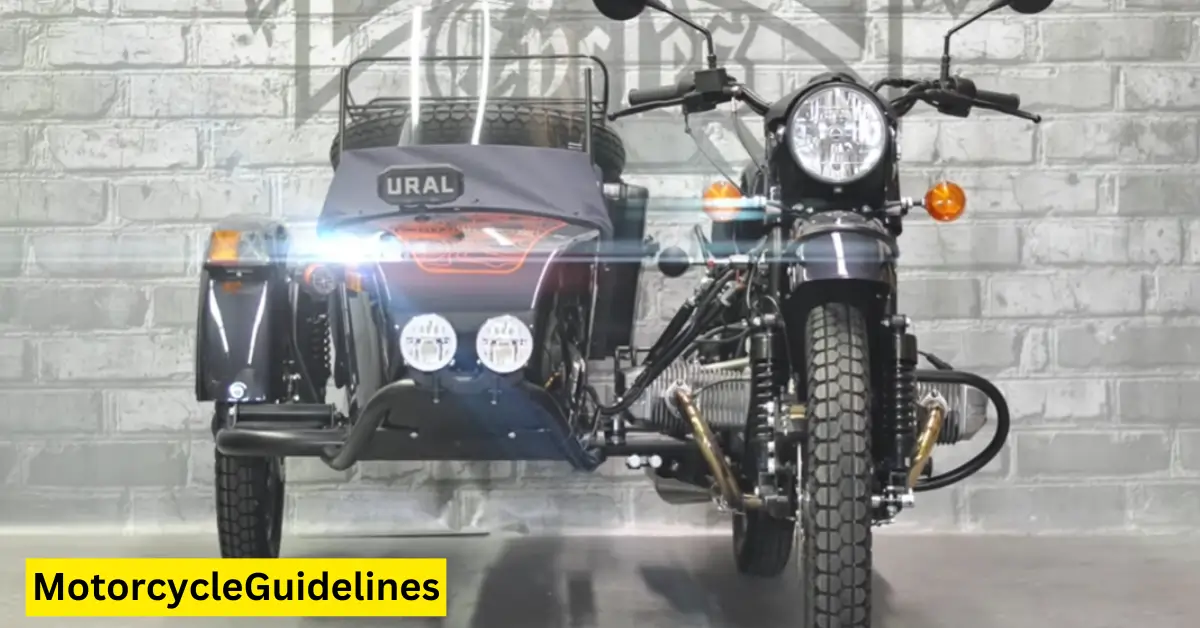
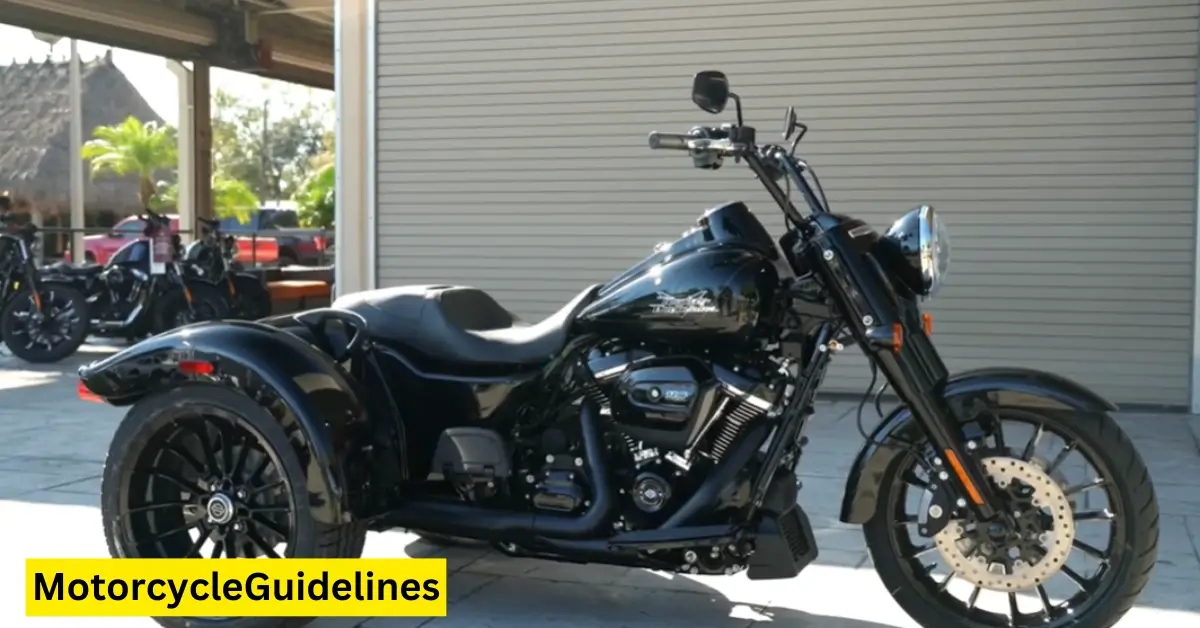
A 3-wheel motorcycle, or a trike, is a type of motorcycle designed with three wheels instead of the traditional two. These vehicles come in various configurations, but most commonly, they have either two wheels at the front (referred to as a reverse trike) or two wheels at the rear (known as a traditional trike).
-
Reverse Trike: A motorcycle with two wheels in the front and one in the back. These often resemble futuristic vehicles and are popular for their unique design.
-
Traditional Trike: A motorcycle with two wheels at the back and one in the front, often resulting from a modification of a regular two-wheeled bike.
Trikes are generally considered safer than two-wheel motorcycles because they offer increased stability. However, like all vehicles, the level of safety varies depending on design, handling, and other factors.
What Makes a 3 Wheel Motorcycle Safer?
Before we look at the specific models, let’s first explore why a three-wheeled motorcycle is generally considered safer than a traditional two-wheeled bike.
-
Increased Stability
-
Trikes have an inherent advantage over motorcycles because they offer greater stability. With three points of contact on the ground instead of two, they are less prone to tipping over, especially in tricky situations like sharp turns or uneven terrain.
-
-
Better Visibility
-
The wider design of a three-wheeled motorcycle makes it more visible to other drivers on the road. Trikes tend to catch more attention from passing motorists due to their unique appearance, making them less likely to be involved in accidents caused by a lack of visibility.
-
-
No Need for Leaning
-
Unlike traditional motorcycles, which require the rider to lean into turns, three-wheeled motorcycles do not. This means that riders are not at risk of losing balance while making sharp turns, which reduces the chances of accidents during cornering.
-
-
Improved Traction and Braking
-
With three wheels, trikes offer better traction, which improves braking and handling. This is particularly beneficial in wet or slippery conditions, where traditional motorcycles may struggle.
-
Which 3-Wheel Motorcycles Are Considered the Safest?
Now that we know the general safety benefits of three-wheeled motorcycles, let’s focus on which models are the safest based on factors such as stability, handling, design, and overall safety features.
Here are some of the safest three-wheeled motorcycles currently on the market:
-
Can-Am Spyder F3
-
Category: Reverse trike
-
Features: The Can-Am Spyder F3 is one of the most popular and safest three-wheeled motorcycles. It comes equipped with advanced safety features like electronic stability control, anti-lock brakes (ABS), and traction control. Its unique design, with two wheels in the front, provides excellent stability, and its low center of gravity makes it easier to handle.
-
Why it’s safe: The Spyder F3’s sophisticated safety systems help riders maintain control in various road conditions. The added stability of the front wheels makes it less prone to tipping, even on sharp turns.
-
-
Yamaha Niken
-
Category: Reverse trike
-
Features: The Yamaha Niken stands out as an innovative reverse trike with two wheels in the front. This design provides unmatched grip and stability, especially in corners. The Niken is equipped with a sophisticated suspension system that ensures smooth handling and excellent traction, even on wet or rough surfaces.
-
Why it’s safe: The dual front wheels offer increased stability and better braking performance. The Niken’s lean-sensitive suspension allows the rider to safely lean into turns without the risk of losing balance.
-
-
Harley-Davidson Tri Glide Ultra
-
Category: Traditional trike
-
Features: The Tri Glide Ultra is a luxury trike with a design based on Harley-Davidson’s renowned touring motorcycles. It features comfort-enhancing amenities like heated seats, infotainment systems, and ample luggage space. The trike is also equipped with a powerful engine and modern safety features such as electronic stability control, anti-lock brakes (ABS), and a reverse gear for easy parking.
-
Why it’s safe: The Tri Glide Ultra’s stable rear-wheel design and advanced safety technologies make it a safe and reliable choice for long-distance touring. The added comfort features reduce rider fatigue, which enhances overall safety on long rides.
-
-
Can-Am Ryker
-
Category: Reverse trike
-
Features: The Can-Am Ryker is a more affordable alternative to the Spyder series but still boasts impressive safety features. It comes with stability control, anti-lock brakes, and a robust chassis design that ensures better traction and handling. The Ryker’s smaller size and lighter weight make it more agile while maintaining a solid, stable feel on the road.
-
Why it’s safe: The Ryker’s compact design and advanced safety systems make it an excellent option for new riders or those looking for a safer introduction to three-wheeled motorcycles. Its electronic stability control helps prevent loss of traction during acceleration and braking.
-
-
Piaggio MP3 500
-
Category: Reverse trike
-
Features: The Piaggio MP3 500 features two wheels at the front for added stability and safety. It comes with a 500cc engine and offers excellent handling, making it perfect for city commuting and highway cruising. The MP3’s automatic transmission, combined with its sophisticated suspension, provides smooth and easy handling.
-
Why it’s safe: The Piaggio MP3 offers a stable ride, especially in urban environments. The front-wheel suspension is designed to enhance cornering performance, and the two front wheels provide better traction and grip compared to traditional motorcycles.
-
How to Ensure Your 3 Wheel Motorcycle is Safe to Ride
While choosing a safe three-wheeled motorcycle is important, there are additional steps you can take to ensure your safety while riding:
-
Wear Proper Safety Gear: Always wear a DOT-approved helmet, gloves, and protective clothing. Armor in your jacket and pants can provide added protection in case of a fall.
-
Check Tire Pressure Regularly: Tire pressure affects traction and handling. Make sure your tires are properly inflated to avoid unexpected handling issues.
-
Keep Up with Maintenance: Regular maintenance, such as oil changes, brake checks, and tire inspections, is essential to ensure the safety of your vehicle. Consult your owner’s manual for recommended maintenance schedules.
-
Practice Safe Riding Habits: Avoid aggressive riding, sharp turns at high speeds, and always remain vigilant about road conditions.
Additional Safety Considerations for 3 Wheel Motorcycles
While three-wheeled motorcycles offer many safety benefits compared to traditional two-wheel bikes, they also come with their own set of challenges. Understanding these challenges and how to mitigate them can ensure that you get the most out of your ride while minimizing the risks. In this section, we’ll explore additional safety considerations for riding three-wheeled motorcycles.
Common Safety Challenges of 3 Wheel Motorcycles
Though three-wheeled motorcycles are generally more stable than their two-wheeled counterparts, they are not immune to safety risks. Riders must be aware of potential hazards and adjust their riding habits accordingly.
-
Cornering and Leaning
-
Unlike two-wheeled motorcycles, three-wheelers don’t require the rider to lean into turns. However, this lack of leaning can also be a disadvantage in certain conditions. Riders of three-wheeled motorcycles might not have the same sense of control during sharp turns as they would on a two-wheeled bike. This can make tight corners feel less natural, especially on reverse trikes where the rear wheel is the single point of contact with the road.
-
Mitigation Tip: Slow down before entering turns, especially if you’re unfamiliar with the bike’s handling. Practice on less crowded roads to get accustomed to how the vehicle handles corners.
-
-
Rear-End Collisions
-
While the design of a three-wheeled motorcycle improves visibility and reduces the risk of being rear-ended, there’s still a possibility of being involved in such an accident, particularly when the rider is stopped in traffic. Traditional trikes, with their wide rear axle, can be more difficult to maneuver in tight spots, making it harder to avoid collisions in heavy traffic.
-
Mitigation Tip: Stay aware of your surroundings, especially when stopping at intersections or in traffic. Position yourself to allow for more maneuvering room, and always be ready to react quickly if needed.
-
-
Lack of Protective Surroundings
-
Despite their increased stability, riders of three-wheeled motorcycles are still exposed to the elements and potential hazards on the road. A trike may offer more stability than a two-wheeled bike, but the rider’s body is still vulnerable to injury in the event of an accident, especially if the rider is thrown off the vehicle or caught in a collision.
-
Mitigation Tip: Always wear protective gear, including a full-face helmet, padded jacket, gloves, and durable riding pants. Consider additional gear like knee and elbow pads for extra protection.
-
-
Limited Experience and Handling
-
If you’re transitioning from a two-wheeled motorcycle to a three-wheeled one, you might find the handling to be quite different. Some riders struggle with the added width of a trike, particularly when it comes to parking or maneuvering in small spaces. A three-wheeled motorcycle’s handling characteristics can take some getting used to.
-
Mitigation Tip: Take a motorcycle safety course specifically designed for trikes. Many courses provide instruction on how to handle the unique features of a three-wheeled motorcycle and can help you build confidence on the road.
-
-
Weather Conditions
-
Like traditional motorcycles, three-wheelers can be affected by adverse weather conditions such as rain, ice, or snow. While the three wheels provide added stability, they can still lose traction in slippery conditions, especially if the tires aren’t properly equipped for wet roads.
-
Mitigation Tip: Always ride cautiously in poor weather conditions. Make sure your tires are suitable for the season and road conditions, and reduce your speed during rain or snow.
-
How to Make Your 3 Wheel Motorcycle Safer
Beyond choosing a safe model, there are several proactive steps you can take to further enhance the safety of your three-wheeled motorcycle. Here are a few practical suggestions:
-
Invest in Advanced Safety Features
-
Many modern trikes come with advanced safety features, such as traction control, stability management systems, and advanced braking systems. These technologies can improve your handling, reduce the risk of accidents, and provide better overall control in various conditions.
-
Suggested Features:
-
Anti-lock Braking System (ABS): Prevents wheel lockup during emergency braking.
-
Traction Control: Helps prevent wheel spin in slippery conditions.
-
Electronic Stability Control (ESC): Reduces the risk of loss of control by monitoring the vehicle’s stability.
-
-
-
Perform Regular Maintenance
-
Regular maintenance is crucial to keeping your three-wheeled motorcycle in top shape. Inspect your trike’s brakes, suspension, tires, and steering components regularly. Poorly maintained vehicles are more prone to accidents due to malfunctioning parts.
-
Key Maintenance Tasks:
-
Check tire pressure and tread regularly.
-
Ensure the brakes are functioning properly and pads are replaced as needed.
-
Inspect the suspension system and replace any worn-out components.
-
Ensure the steering mechanism is responsive and secure.
-
-
-
Enhance Visibility
-
Even though three-wheeled motorcycles are more visible than two-wheel motorcycles, adding extra lighting or reflective materials can further enhance your visibility, especially at night or in low-light conditions. Consider adding auxiliary lights, reflective decals, or vests to make yourself more noticeable to other drivers.
-
Visibility Tips:
-
Install bright LED lights or additional running lights.
-
Wear high-visibility clothing or gear.
-
Ensure all lights are working properly, including brake lights and turn signals.
-
-
Conclusion
Three-wheeled motorcycles, or trikes, provide an exciting and safer alternative to traditional two-wheel motorcycles. With enhanced stability, better visibility, and more traction, trikes offer a thrilling ride with increased safety features. However, riders must be aware of the unique challenges associated with these vehicles, including handling, cornering, and exposure to the elements.
Choosing a trike with advanced safety features, maintaining your vehicle, and wearing the proper safety gear will help you maximize your safety on the road. Whether you’re a seasoned rider or new to the world of trikes, always prioritize safety and take the time to familiarize yourself with the handling of your three-wheeled motorcycle.