
When you look at a motorcycle, one of the first things you may notice is that the front wheel is often larger than the rear wheel. While this might seem unusual at first glance, there are good reasons behind this design choice. The size difference between the front and rear wheels on a motorcycle serves multiple functional purposes, from improving handling and stability to enhancing safety.
In this article, we’ll explore why motorcycle manufacturers design motorcycles with a larger front wheel and how this configuration impacts the overall performance of the bike. By understanding the rationale behind this feature, riders can gain a deeper appreciation for motorcycle dynamics and better understand how to maintain their bikes for optimal performance.
The Key Roles of Motorcycle Wheels
Before diving into why the front wheel is bigger, it’s essential to understand the roles that both the front and rear wheels play in motorcycle dynamics. Each wheel is designed to perform specific tasks to ensure the bike handles well, provides a smooth ride, and is safe to operate.
-
Front Wheel
-
Steering: The front wheel is responsible for steering the bike. It’s the primary point of contact when navigating turns and maintaining balance.
-
Stability: The front wheel needs to be stable to ensure the rider’s safety and comfort while riding at different speeds and on various road conditions.
-
-
Rear Wheel
-
Traction and Power Delivery: The rear wheel is where most of the motorcycle’s power is transmitted. It provides the traction needed for acceleration and braking.
-
Support: The rear wheel helps support the rider’s weight and stabilizes the bike when in motion, allowing the front wheel to focus on steering and handling.
-
Why Is the Front Wheel Bigger?
Now, let’s explore the key reasons why the front wheel is often larger than the rear wheel on many motorcycles:
-
Improved Handling and Steering
-
A larger front wheel contributes to better handling and more precise steering. The front wheel is the primary point of contact for turning and steering, so a larger wheel allows for more control when navigating curves and corners. This is particularly important when riding at higher speeds or in challenging road conditions.
-
A larger front wheel helps smooth out minor imperfections in the road and absorbs shocks from bumps or obstacles more effectively than a smaller wheel.
-
-
Increased Stability
-
Stability is critical when riding a motorcycle, and a larger front wheel helps provide that. The larger surface area of the front wheel improves stability, particularly at higher speeds. It reduces the likelihood of the bike feeling “twitchy” or unstable when riding straight or through rough terrain.
-
A bigger front wheel allows the motorcycle to maintain better directional control, especially in windy conditions or when riding on uneven surfaces. This gives the rider more confidence, making the bike feel more stable and grounded.
-
-
Improved Traction During Braking
-
During braking, weight shifts to the front of the motorcycle. A larger front wheel provides more traction in these moments, improving the bike’s ability to decelerate safely. The larger wheel offers a greater contact patch with the road, which enhances grip and reduces the risk of the front wheel skidding or losing control.
-
Additionally, a larger front wheel helps the motorcycle maintain better grip during hard braking, which can improve safety and prevent accidents, particularly in emergency situations.
-
-
Handling of Uneven Surfaces
-
Motorcycles often have to deal with uneven road surfaces, potholes, or curbs. A larger front wheel helps absorb the shock from these obstacles more effectively than a smaller one. It acts as a shock absorber, reducing the impact on the motorcycle’s frame and the rider. This feature is especially beneficial for riders who frequently navigate rough roads or off-road trails.
-
The increased diameter of the front wheel also helps maintain a smoother ride by gliding over obstacles rather than being forced to react abruptly to changes in terrain.
-
-
Aerodynamics and Comfort
-
A larger front wheel can also contribute to improved aerodynamics. While the size of the front wheel doesn’t have a massive effect on drag, its design allows it to cut through the air more efficiently, especially at higher speeds. The increased size can create less resistance, helping the bike move more smoothly through the air.
-
Comfort is another benefit of a larger front wheel. By absorbing shocks better and offering a smoother ride, riders experience less fatigue, particularly on long journeys. The increased size allows for better cushioning against bumps, potholes, and rough road surfaces.
-

Design Variations: Not All Motorcycles Have Larger Front Wheels
While many motorcycles feature a larger front wheel than the rear, there are notable exceptions. Certain bikes, such as cruisers and custom choppers, may have similarly sized front and rear wheels, or in some cases, a smaller front wheel. The choice of wheel size ultimately depends on the type of motorcycle and its intended purpose.
For example:
-
Cruiser Motorcycles: Cruisers often feature similarly sized wheels front and rear for a more balanced aesthetic. These bikes are designed more for comfort and style rather than high-speed performance, so the wheel sizes are less concerned with handling at high speeds.
-
Sport Bikes: Many sport bikes use a significantly larger front wheel to maximize handling and speed control. The size difference between the front and rear wheels is especially noticeable on performance-oriented motorcycles, where the front wheel is often much larger than the rear.
Factors That Influence Front Wheel Size
The decision to use a larger front wheel on motorcycles is influenced by various design factors. These include the bike’s intended use, the handling characteristics desired, and the type of rider it’s aimed at. Here are some factors that influence wheel size:
-
Type of Riding: Motorcycles designed for high-speed racing or off-roading tend to have larger front wheels for better handling, stability, and traction. On the other hand, bikes designed for cruising or leisurely rides may not require as large of a front wheel.
-
Rider Experience: Experienced riders often prefer larger front wheels because they provide better stability and control, especially when cornering at high speeds. Novice riders, however, may find larger wheels harder to maneuver, especially in tight turns or low-speed conditions.
-
Motorcycle Purpose: Motorcycles designed for touring or long-distance rides may also feature larger front wheels to ensure comfort, reduce vibrations, and offer better overall handling on highways and uneven surfaces.
How a Bigger Front Wheel Enhances Motorcycle Performance
In the previous section, we explored the reasons behind the larger front wheel on motorcycles and how it improves handling, stability, and safety. Now, let’s dive deeper into how the size of the front wheel affects motorcycle performance in more specific ways. Understanding these details will give you a better grasp of how to maintain optimal performance and how it impacts your riding experience.
The Impact of Front Wheel Size on Motorcycle Handling
Handling is one of the most important factors for any motorcycle, whether you’re cruising down the highway or carving corners on a twisty mountain road. The front wheel plays a crucial role in this, and its size significantly affects how the bike behaves, especially when turning and navigating different road conditions.
-
Turning Radius and Maneuverability
-
A larger front wheel increases the motorcycle’s turning radius. While this might sound like a disadvantage, it actually helps stabilize the bike in high-speed corners. A larger wheel reduces the risk of sharp, abrupt turns that could upset the bike’s balance.
-
For example, when cornering at higher speeds, a larger front wheel can create a smoother transition through the turn, offering more control and less chance of oversteering or understeering. It is especially noticeable in high-performance bikes designed for racing, where precise handling is critical.
-
-
Cornering Stability
-
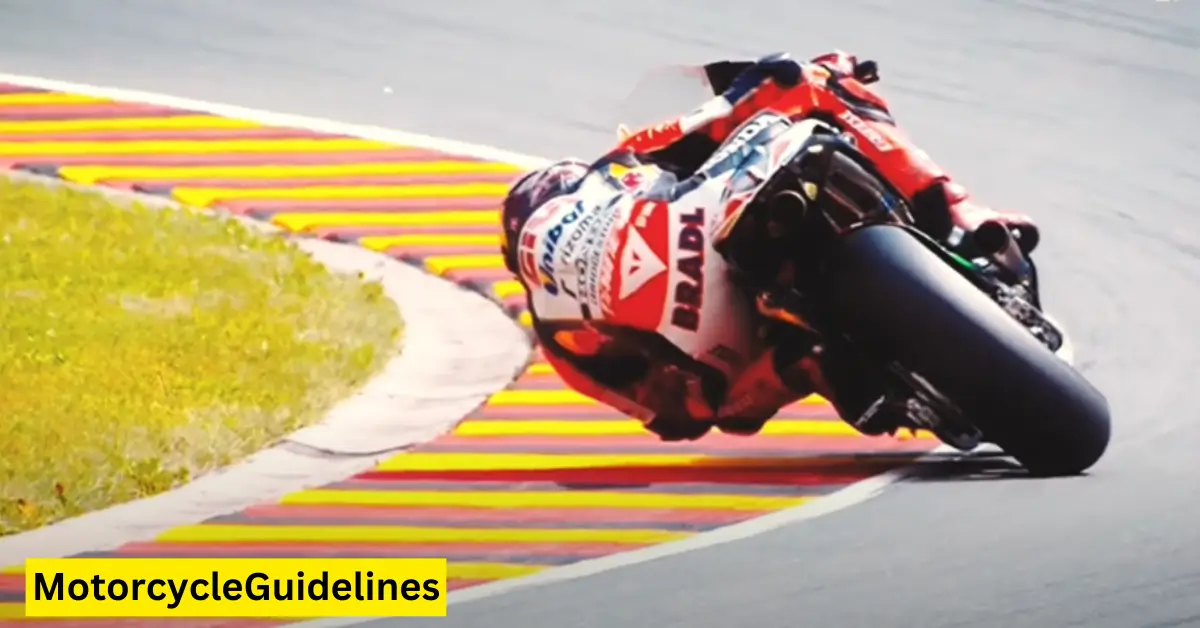
Stability while cornering is another area where the larger front wheel shines. When cornering, the contact patch (the area of the tire that touches the ground) is crucial. A larger front wheel typically provides a wider contact patch, which gives the rider more control, especially at high speeds or in challenging conditions.
-
Riders on motorcycles with larger front wheels often report that the bike feels more stable and predictable in turns. The increased traction helps prevent the front tire from sliding, especially in wet conditions or when leaning at sharp angles.
-
-
Impact of Larger Wheels on Agility
-
On the flip side, larger front wheels can reduce the bike’s agility at lower speeds. Smaller front wheels are quicker to respond to handlebar input, making them ideal for maneuvering in tight spaces, parking, or navigating through congested traffic. The larger the front wheel, the more effort is required to turn the handlebars, which can make low-speed maneuvering feel a bit more sluggish.
-
However, the tradeoff for this reduced agility is enhanced high-speed stability, which is particularly valuable when riding on highways or at higher speeds.
-
How the Front Wheel Size Affects Braking Performance
When it comes to braking, the larger front wheel offers several benefits. Because the front wheel bears much of the braking load, its size directly influences the bike’s braking ability and safety during emergency stops.
-
Increased Braking Surface
-
A larger front wheel provides more surface area, which improves braking performance. The larger surface area of the tire allows the front brake to distribute the stopping force more evenly, reducing the likelihood of skidding or loss of traction.
-
In the event of an emergency, a larger front wheel gives the rider more control over the braking process. It also allows the motorcycle to decelerate more quickly without risking the front end of the bike losing grip.
-
-
Absorption of Road Impacts During Braking
-
A larger front wheel also plays a role in absorbing impacts during hard braking. As the front wheel hits bumps or potholes while the bike is decelerating, the larger tire helps cushion the impact. This reduces the shock to the bike’s suspension system and allows the rider to maintain more control during the braking process.
-
This feature is especially beneficial when riding on rough or uneven roads, where sudden shocks could destabilize the bike. The larger front wheel helps the motorcycle maintain stability even under hard braking conditions.
-
Aerodynamics and Fuel Efficiency: The Role of the Front Wheel
The front wheel size on a motorcycle not only affects handling and braking but also has an impact on aerodynamics and fuel efficiency. Here’s how:
-
Wind Resistance and Drag
-
Larger front wheels can increase wind resistance or drag, especially at higher speeds. This can impact the bike’s overall aerodynamics. More drag results in a slight decrease in fuel efficiency because the engine has to work harder to overcome the increased resistance.
-
However, this effect is relatively small compared to the overall impact of the rider’s posture and the shape of the motorcycle. Some manufacturers design larger front wheels with streamlined covers to mitigate additional drag and maintain aerodynamics.
-
-
Fuel Efficiency
-
While the increased drag from a larger front wheel may reduce fuel efficiency slightly, the overall effect is usually minimal. A well-maintained motorcycle with a larger front wheel may have only a small difference in fuel consumption compared to bikes with smaller front wheels. The size of the rear wheel and engine efficiency play a more significant role in fuel efficiency.
-
That said, some touring motorcycles with larger front wheels are designed with aerodynamic fairings to reduce drag and improve fuel efficiency, offsetting any negative impact from the wheel size.
-
When to Choose a Motorcycle with a Larger Front Wheel
Motorcycles with larger front wheels are typically designed for specific types of riding and performance goals. Here are some situations where a larger front wheel may be the better choice:
-
Long-Distance Touring
-
If you’re planning long trips or highway riding, a larger front wheel offers superior stability, comfort, and safety at high speeds. It reduces the risk of wobbling or instability during extended rides, which is crucial for maintaining comfort and avoiding accidents on long-distance journeys.
-
-
Performance Riding
-
High-performance motorcycles, especially sport bikes, often feature larger front wheels to improve cornering stability and braking power. Riders looking for a bike that can handle high-speed cornering and quick responses will benefit from the enhanced stability that a larger front wheel provides.
-
-
Off-Road and Adventure Riding
-
For off-road motorcycles, larger front wheels help provide better traction and stability when navigating rough terrain. The larger wheel rolls over obstacles more easily, reducing the risk of getting stuck or losing control on uneven ground.
-
Conclusion
The larger front wheel on a motorcycle plays a critical role in enhancing the bike’s performance, stability, and safety. From providing better handling and braking to improving comfort on long rides, a bigger front wheel is designed to offer a smoother and more controlled riding experience, especially at higher speeds.
While the size of the front wheel might impact agility and fuel efficiency slightly, the advantages it offers in terms of stability, comfort, and safety are considerable. Whether you’re a touring rider, a high-performance enthusiast, or an off-road adventurer, the front wheel size plays a key role in your motorcycle’s overall performance.
By understanding the reasons behind this design choice, you can make a more informed decision when choosing a motorcycle that fits your needs and riding style.