Motorcycle maintenance is an essential aspect of ensuring the longevity and performance of your bike. One of the most important parts of motorcycle operation is the throttle cable, a key component that controls the engine’s power and speed. If the throttle cable becomes loose or malfunctions, it can lead to numerous issues that affect the bike’s performance and, more importantly, your safety.
A loose throttle cable can manifest in various ways, and understanding these symptoms is crucial for every rider. Identifying the signs early can prevent more serious problems from arising and ensure your motorcycle remains in optimal condition. In this article, we will explore the 10 symptoms of a loose throttle cable in motorcycles, helping you recognize and address the issue before it leads to costly repairs.
What is a throttle cable?
Before diving into the symptoms, let’s first understand what a throttle cable does. The throttle cable is a crucial component in your motorcycle’s accelerator system. It connects the throttle grip (handlebar) to the throttle body or carburetor. When you twist the throttle grip, it pulls the cable, which opens the throttle valve, allowing more air and fuel into the engine. This process increases the engine’s RPM (revolutions per minute), making the motorcycle go faster.
If the throttle cable is loose, it can cause a variety of performance issues, ranging from unresponsive acceleration to erratic engine behavior.
How Does the Throttle Cable Become Loose?
Throttle cables can become loose due to several reasons:
-
Wear and Tear: Over time, the throttle cable can stretch and wear down due to constant friction.
-
Improper Adjustment: Incorrect adjustments when installing or replacing the throttle cable can lead to slack.
-
Corrosion or Damage: Exposure to harsh weather conditions or lack of maintenance can cause corrosion, weakening the cable.
-
Loose Connections: If the throttle cable is not properly secured at either end, it can create slack.
Recognizing a loose throttle cable early on is crucial for the smooth operation of your bike and your safety on the road. Now, let’s go through the symptoms.
1. Unresponsive or Slow Acceleration
One of the first signs that your throttle cable may be loose is unresponsive or sluggish acceleration. When you twist the throttle, your bike may take longer than usual to respond, or the response might be weak and inconsistent. This occurs because a loose throttle cable doesn’t transmit the full amount of force needed to open the throttle valve properly, leading to delayed or weak acceleration.
Why It Happens:
When the cable is too loose, it has slack, which prevents the throttle valve from opening immediately when you twist the grip. As a result, the engine doesn’t receive the necessary air and fuel mixture promptly, causing slower acceleration.
2. Sticking Throttle
Another common symptom is a sticking throttle, where the throttle grip feels “stiff” or unresponsive when you twist it. If the throttle doesn’t return to its normal position after you release it, or if it feels harder to turn, the throttle cable might be too tight or too loose.
Why It Happens:
A loose throttle cable can cause the throttle to not properly return to its idle position, as the slack may cause resistance or irregular movement. The cable may also fray or get caught on other components, causing the throttle to stick.
3. Jerky or Erratic Engine Speed
If you notice that your motorcycle’s engine speed fluctuates unexpectedly, this could be a sign of a loose throttle cable. In this case, the engine may surge or drop in RPMs without any input from you, which makes it difficult to control the bike smoothly.
Why It Happens:
When the throttle cable is loose, it can cause the throttle valve to open and close erratically, leading to sudden changes in engine speed. This irregular behavior can be frustrating and dangerous, particularly when riding at higher speeds or during overtakes.
4. High Idle Speed
A loose throttle cable can also result in a higher than normal idle speed. You may notice that your motorcycle idles at a higher RPM than usual, even when you aren’t touching the throttle.
Why It Happens:
When the throttle cable is too loose, it may cause the throttle to remain slightly open even when you’re not accelerating, allowing more air and fuel to enter the engine. This can result in an elevated idle speed.
5. Engine Cutting Out
If your motorcycle’s engine stalls or cuts out unexpectedly, it could be due to a loose throttle cable. In this case, the engine may not be receiving the correct amount of fuel or air, causing it to run poorly and shut down.
Why It Happens:
A loose throttle cable can cause inconsistent throttle valve openings, which leads to poor fuel-air mixture delivery to the engine. This can result in the engine stalling, particularly during deceleration or idling.
6. Throttle Response Delay
Throttle response delay occurs when there’s a noticeable lag between twisting the throttle and the engine’s acceleration response. This symptom can be dangerous, especially in situations that require quick acceleration, such as merging onto highways or overtaking other vehicles.
Why It Happens:
A loose throttle cable adds slack to the system, which delays the opening of the throttle valve after twisting the grip. This delay results in a slower engine response, making it difficult to accelerate quickly.
7. Uneven Power Delivery
You may experience uneven power delivery when riding, where your motorcycle feels like it accelerates in bursts rather than smoothly. This inconsistency can be unsettling and makes controlling the bike more challenging, especially at high speeds.
Why It Happens:
With a loose throttle cable, the throttle valve may not open and close smoothly. This irregular movement can lead to fluctuating power delivery, causing an uneven riding experience.
8. Throttle That Doesn’t Return to Idle
In some cases, a loose throttle cable may prevent the throttle from returning to the idle position. When you release the throttle grip, it may remain partially open, causing the engine to rev higher than normal.
Why It Happens:
The slack in the throttle cable prevents it from returning to the fully closed position when you release the grip. This can result in a higher idle speed and a bike that feels like it’s “revving” unnecessarily.
9. Excessive Throttle Play
Excessive play in the throttle grip is another common symptom of a loose throttle cable. You may notice that there is more movement or slack in the throttle before the engine begins to respond. This could indicate that the cable is not properly tensioned.
Why It Happens:
When the throttle cable has slack, you’ll feel extra movement in the grip before any noticeable change in engine speed occurs. This excess play can make your motorcycle feel less responsive.
10. Unusual Noises from the Throttle Area
Finally, if you hear unusual noises like squeaking, rattling, or clicking from the throttle area, this could indicate a loose or frayed throttle cable. Such noises often occur when the cable rubs against other components or when it’s under tension from being too loose.
Why It Happens:
Loose throttle cables may not glide smoothly through the cable housing, causing friction and resulting in noise. Over time, this friction can damage the cable further, leading to more serious issues.
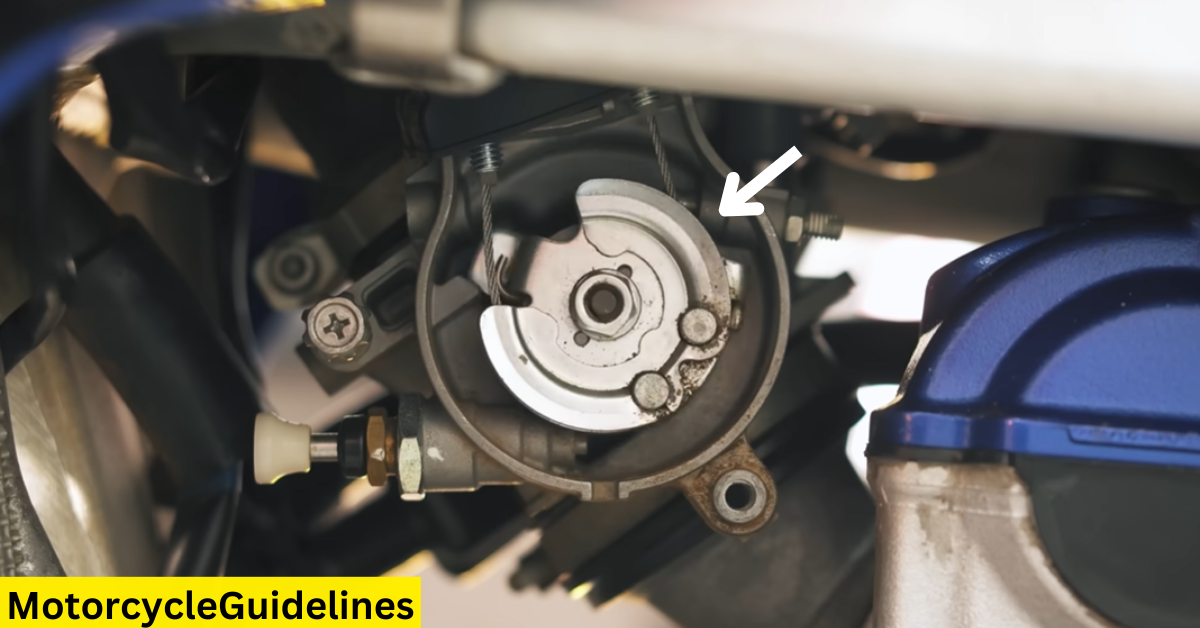
How to Fix a Loose Throttle Cable
Now that we’ve identified the common symptoms of a loose throttle cable, it’s time to address the issue. Repairing a loose throttle cable is a task that most motorcyclists can handle with some basic tools and a little know-how. Here’s how you can fix the problem:
1. Locate the Throttle Cable
The first step in fixing a loose throttle cable is to locate it. The throttle cable runs from the throttle grip (on your handlebars) to the carburetor or throttle body. You’ll typically find it attached to the throttle body at one end and connected to the throttle grip at the other. The throttle cable is usually housed inside a protective sheath to prevent damage from friction.
2. Check for Slack
Before making any adjustments, inspect the throttle cable to see if there’s visible slack. If the cable feels loose or there is excess play when you twist the throttle, the cable likely needs tensioning. Make sure to check for any fraying, corrosion, or damage to the cable that could affect its function.
3. Adjust the Cable Tension
Once you’ve located the throttle cable and confirmed that it’s loose, you’ll need to adjust the cable tension. Most motorcycles have an adjustable nut or screw near the throttle body or carburetor that allows you to tighten or loosen the throttle cable.
To tighten the throttle cable, follow these steps:
-
Locate the adjustment screw or nut: This is typically found where the throttle cable enters the throttle body or carburetor. It may be near the handlebar assembly as well.
-
Turn the screw/nut clockwise: Turning it clockwise will shorten the slack in the cable, thereby increasing the tension.
-
Test the throttle: After making adjustments, test the throttle by twisting it to see if the cable responds more quickly and without hesitation. Ensure that there is no more excessive play.
4. Lubricate the Cable
Sometimes, a loose throttle cable can be due to a lack of lubrication. Over time, dirt and grime can build up inside the throttle cable sheath, causing friction and preventing the cable from moving freely. Applying a lubricant to the cable can help it function more smoothly and reduce wear.
Use a cable lubricant designed specifically for motorcycles or bicycles. Avoid using regular oils or greases, as these can attract dirt and debris, which can make the problem worse. Apply the lubricant to both ends of the throttle cable and allow it to work its way through the sheath.
5. Inspect the Cable for Damage
If adjusting the cable tension and lubricating it doesn’t resolve the issue, inspect the cable for any visible damage. Look for fraying, kinks, or any parts of the cable that appear worn or broken. If the cable is damaged, it may need to be replaced.
Replacing the throttle cable is a straightforward process:
-
Remove the old cable: Loosen the fasteners that hold the cable in place at both ends (throttle grip and carburetor). Slide the cable out of its housing.
-
Install the new cable: Insert the new throttle cable through the housing and secure it at both ends. Make sure the new cable is properly adjusted to eliminate slack.
-
Test the throttle: Once the new cable is installed, test the throttle to ensure it’s responsive and free of any slack.
6. Check for Proper Return
After adjusting or replacing the throttle cable, ensure that the throttle returns to idle properly. Twist the throttle and release it to see if the grip returns to its resting position smoothly. If the throttle doesn’t return as it should, check for additional slack or friction in the cable that might be causing the problem.
Preventing Throttle Cable Issues
While it’s essential to know how to fix a loose throttle cable, prevention is always better than cure. Here are a few tips to prevent throttle cable problems before they arise:
1. Regular Maintenance
Regular maintenance is key to avoiding throttle cable issues. Clean and lubricate the throttle cable every few months to keep it operating smoothly. This will also help prevent corrosion and reduce the chances of it becoming loose over time.
2. Check for Wear and Tear
Inspect the throttle cable regularly for signs of wear, fraying, or damage. If you notice any issues early, you can replace the cable before it becomes a bigger problem. Additionally, ensure that the cable is properly routed and not in contact with any sharp edges or hot components that could cause damage.
3. Proper Adjustment
If you adjust the throttle cable, make sure it’s done correctly. Over-tightening the cable can cause excessive strain, while under-tightening can lead to slack. Find the right balance to ensure smooth operation.
4. Avoid Harsh Conditions
If you live in a region with extreme weather, such as excessive heat or humidity, your throttle cable is more likely to wear out faster. Try to store your bike in a sheltered area and keep it clean to protect the throttle cable from harsh elements.

Conclusion
A loose throttle cable is a common issue that can affect your motorcycle’s performance, causing slow acceleration, erratic engine behavior, and even safety risks. Recognizing the symptoms early can save you from dealing with more significant problems down the road. Regular inspection and maintenance of the throttle cable can help prevent these issues, keeping your bike running smoothly.
By following the tips outlined in this article, you’ll be able to identify and address a loose throttle cable promptly. Whether you’re adjusting the tension, lubricating the cable, or replacing it entirely, these steps will ensure that your motorcycle is always ready to perform at its best.


