
As a motorcycle enthusiast, you likely know how crucial it is to keep your bike running at its best. From engine performance to fuel efficiency, every part plays a role in ensuring smooth rides and long-lasting durability. One component that’s often overlooked is the air filter. It’s the unsung hero of your bike’s engine, responsible for filtering dirt, debris, and other contaminants from the air before it enters the engine.
But sometimes, riders wonder: “Do I need to tape my motorcycle air filter?” This might sound unusual at first, but the question comes up due to concerns about maintaining the air filter’s fit or sealing. In this article, we’ll dive deep into whether taping your motorcycle air filter is necessary, how it affects performance, and whether it could be doing more harm than good.
What Is a Motorcycle Air Filter?
Before we get into the topic of taping, let’s define what a motorcycle air filter is and why it’s so important.
-
Air Filter: An air filter is a component that traps dirt, dust, and other particles from the air that enters the engine. This prevents contaminants from reaching sensitive parts of the engine, where they could cause wear and reduce efficiency.
-
Engine Efficiency: The cleaner the air entering the engine, the more efficiently the engine can burn fuel, leading to better performance and fuel economy.
-
Types of Air Filters:
-
Paper Filters: Often found in most motorcycles, these are affordable and effective at trapping dirt and dust.
-
Foam Filters: These are reusable and often found in off-road bikes due to their durability and ability to handle harsh conditions.
-
Cotton Gauze Filters: These are used in performance bikes, offering great airflow and filtration but often require regular cleaning and maintenance.
-
In essence, your air filter keeps the engine’s breathing clean. Without it, performance would suffer, and the engine could be damaged over time. But what happens when the filter isn’t sealed properly or if you’re worried about air leakage?
Why Would You Consider Taping Your Motorcycle Air Filter?
Taping an air filter might sound like an odd suggestion, but some riders consider it to address specific issues they’re experiencing with their motorcycle’s air filter. Let’s explore why taping may cross your mind.
1. Poor Fit or Seal
One of the primary reasons why people might tape their motorcycle air filter is to improve the seal. If the air filter doesn’t fit snugly or is slightly misaligned, it can cause air leaks. These leaks allow unfiltered air to enter the engine, which can lead to poor performance, increased wear, and even engine damage. Taping the filter could temporarily seal the gap and prevent dirt from getting through.
2. Aftermarket Air Filters
When installing an aftermarket air filter, there may be slight differences in the design compared to the stock air filter. Even if the filter fits into the housing, gaps could still exist. Some riders tape the air filter to ensure it stays in place and forms a better seal. However, this is more of a temporary solution, as it may not solve the root cause of poor fitment.
3. Temporary Fix
Sometimes, riders might tape the air filter as a temporary fix when they’re in a hurry or have no immediate access to replacement parts. This is often a short-term solution to avoid driving with a damaged or improperly sealed air filter. However, this is not a long-term answer, as tape can degrade, and the air filter might not be adequately sealed.
4. Dusty or Off-Road Riding Conditions
In extreme conditions, like off-roading or riding through dusty areas, some riders might use tape on their air filter as an additional layer of protection. They may use tape to ensure no dust or dirt escapes through any potential gaps in the filter housing. This can provide extra security in environments where contaminants are more prevalent.
Does Taping My Motorcycle Air Filter Cause Any Issues?
While taping your motorcycle air filter may seem like a quick fix, it can have some unintended consequences. Understanding these issues is crucial to avoid long-term damage or performance problems.
1. Restricts Airflow
Air filters are designed to allow a specific amount of airflow while trapping contaminants. If you tape the air filter or its housing, it can potentially restrict airflow. Reduced airflow means your engine may not get the air it needs to run efficiently, leading to decreased performance, sluggish acceleration, and even engine stalling. Your motorcycle’s engine may start running “rich” (too much fuel compared to air) if the air supply is cut off.
2. Tape Degradation
One of the major downsides of using tape on your air filter is that tape can degrade over time. Heat, vibration, and exposure to air will weaken the adhesive properties of the tape, causing it to lose its effectiveness. This could lead to air leaks again, negating the temporary seal you’ve created. Over time, bits of tape could even break off and enter the engine, potentially causing further damage.
3. Inadequate Long-Term Solution
Taping is never a permanent solution. It’s only a stopgap to address an immediate problem. If your air filter doesn’t fit correctly, or if there are gaps in the housing, taping it won’t resolve the underlying issue. Over time, the performance of your engine will decline as air filtration becomes less effective. It’s essential to address the root cause of the problem, which may require adjusting or replacing the air filter, housing, or seals.
4. Potential Damage to Components
Applying tape to your air filter may result in residue buildup, especially if you’re using strong adhesives. Over time, this residue could stick to the filter itself, clogging it up and reducing its ability to trap dirt and debris. In extreme cases, the adhesive could even melt or leak into sensitive engine components.
Alternatives to Taping Your Motorcycle Air Filter
While taping might seem like an easy solution, there are more effective and permanent ways to fix air filter problems. Let’s look at some of the better alternatives.
1. Use the Right Air Filter for Your Bike
The most important step in avoiding issues with your air filter is ensuring that you have the correct one for your motorcycle model. Using an air filter designed specifically for your bike ensures the right fit and proper sealing. If you’re unsure which air filter to use, consult your motorcycle’s owner manual or speak to a professional mechanic.
2. Clean and Maintain Your Air Filter Regularly
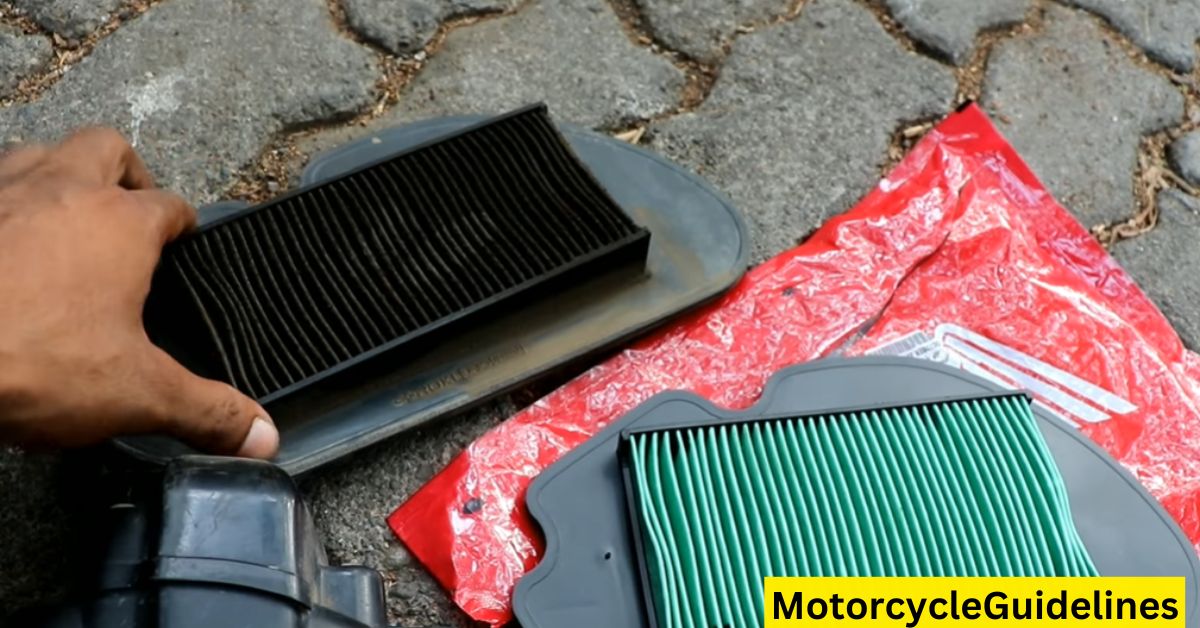
Over time, air filters accumulate dirt and debris, reducing their ability to function properly. Regularly cleaning your air filter ensures it remains in good condition and that it continues to perform optimally. Foam filters can often be washed and re-oiled, while paper filters should be replaced periodically.
3. Replace Worn or Damaged Components
If your air filter housing, seals, or mounting components are damaged or worn out, replace them. A proper fit is crucial for maintaining engine performance and preventing air leaks. Investing in high-quality components can save you time and trouble in the long run.
4. Use an Air Filter Sealant
Instead of using tape, consider using a dedicated air filter sealant. These products are designed to help air filters form a proper seal without damaging the filter or housing. They provide a more reliable and longer-lasting solution for preventing air leaks.
How to Properly Maintain and Seal Your Motorcycle Air Filter
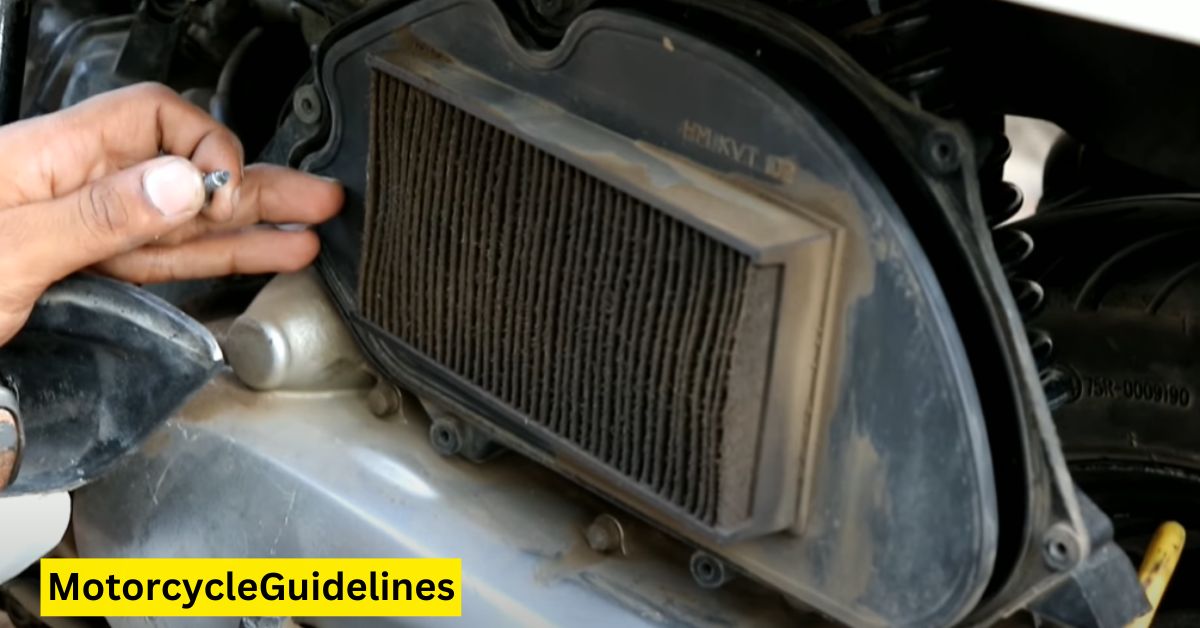
Now that we’ve established the potential downsides of taping your motorcycle air filter, let’s dive into the best practices for maintaining and sealing your air filter. Proper maintenance not only ensures your bike runs efficiently but also extends the lifespan of the engine by preventing debris and contaminants from entering.
1. Regularly Clean or Replace Your Air Filter
One of the most important tasks for air filter maintenance is regular cleaning or replacement. Here’s a detailed guide:
-
Foam Filters: These filters are reusable and need to be cleaned periodically, especially if you ride in dusty conditions. To clean a foam filter:
-
Remove the filter from its housing.
-
Wash it in warm, soapy water to remove dirt and oil.
-
Rinse thoroughly and allow it to dry completely.
-
Re-oil the filter with air filter oil designed for foam filters.
-
Reinstall the filter once it’s dry and properly oiled.
-
-
Paper Filters: These are typically replaced rather than cleaned. If the filter is clogged or damaged, it’s best to replace it with a new one. Paper filters are generally more efficient than foam filters at trapping small particles but cannot be cleaned effectively.
-
Cotton Gauze Filters: These can be cleaned and re-oiled. Use a special cleaner designed for gauze filters, followed by re-oiling to maintain filtration efficiency.
2. Inspect for Proper Fit and Seal
Even if your air filter is clean, it’s essential to ensure that it fits properly within the housing. A poor fit can allow unfiltered air to enter the engine, leading to performance issues and potential engine damage. Here’s how to inspect and correct any issues:
-
Check the Filter Size: Make sure that the air filter is the correct size for your bike. If you’ve installed an aftermarket filter, it’s crucial to verify that it’s the right match. Sometimes, aftermarket filters may not fit perfectly, which could lead to air leaks.
-
Inspect the Housing: Ensure that the air filter housing is intact and doesn’t have any cracks or damage. The filter should sit snugly within the housing with no gaps around the edges.
-
Examine Seals: Check any rubber seals around the filter for wear or damage. Seals play an essential role in ensuring that air only passes through the filter and not around it. If the seals are worn out or damaged, replace them.
3. Apply a Professional Air Filter Sealant
Instead of using tape, consider applying an air filter sealant to ensure that your filter is sealed properly. These products are designed specifically to enhance the seal between the filter and the housing. They can provide a more durable and effective seal than tape.
Here’s how to use an air filter sealant:
-
Clean the Filter Housing: Before applying any sealant, clean the housing to remove dirt, oil, or old sealant residue.
-
Apply the Sealant: Follow the product instructions to apply the sealant to the filter or housing. Typically, you’ll apply a thin layer to the edge of the air filter or around the housing where the filter fits.
-
Reinstall the Filter: After applying the sealant, reinstall the filter and press it firmly into place. This ensures a tight seal and helps prevent air leaks.
-
Allow to Dry: Some sealants may require a drying time, so make sure to allow it to set before using your bike.
4. Replace Worn Air Filter Components
Sometimes, taping an air filter happens because other components of the air filter assembly are worn or damaged. Instead of relying on tape to mask the issue, it’s crucial to replace any parts that are in poor condition. Here are some components to check:
-
Air Filter Housings: Inspect the air filter housing for cracks, damage, or warping. If it’s compromised, the housing won’t provide the proper seal, and you might experience air leaks. A new housing or seal can resolve this issue.
-
Rubber Gaskets and O-Rings: These components ensure a tight fit between the filter and housing. If they’re worn or cracked, they may not seal correctly. Replacing them is a small investment that can prevent bigger engine issues.
-
Clamps and Fasteners: Ensure that the clamps and fasteners holding the air filter in place are secure. Over time, these can loosen, leading to improper sealing. Tighten or replace any loose or worn fasteners.
5. Regular Air Filter Inspections
Even if you’ve followed all the proper maintenance steps, it’s still important to check your air filter regularly to ensure that everything is working as it should. Here’s how often you should check your air filter:
-
Every 3,000 to 5,000 Miles: This is a general rule for checking your air filter. However, if you often ride in dusty conditions, you may need to inspect it more frequently.
-
Before Long Rides: If you plan on taking your bike on a long trip or a ride through harsh conditions, it’s a good idea to inspect the filter beforehand.
-
After Off-Road Riding: If you’ve been riding off-road, your filter may accumulate more dirt and debris. After a day of off-roading, check the filter for damage or clogging.
6. Consider Upgrading to a Higher-Performance Filter
If you ride in challenging conditions or need more airflow for performance purposes, upgrading to a higher-performance air filter might be a good idea. Some aftermarket filters, such as those made from cotton gauze, provide better filtration while allowing more air into the engine. This can result in better throttle response and overall engine performance.
However, remember that a performance filter may require more frequent cleaning and maintenance. Always choose a filter that’s designed for your bike’s specific needs.
Conclusion
Taping your motorcycle air filter may seem like a quick fix, but it’s not a sustainable solution. While it might work temporarily, it comes with risks such as restricted airflow, degradation of the tape, and potential damage to engine components. Instead of relying on tape, focus on regular maintenance, proper sealing, and using high-quality air filters designed for your bike.
Maintaining your motorcycle air filter is key to ensuring your bike runs smoothly, efficiently, and safely. Regular cleaning, proper fitment, and the use of professional air filter sealants are much better solutions than taping. By following these practices, you can ensure that your bike is always performing at its best and keep your engine safe from harmful contaminants.