
When it comes to riding a Polaris Slingshot, safety is key. One crucial aspect of safety that every rider must understand is the helmet law that applies in their state. Slingshot helmet laws by state are not uniform, and each state has different regulations regarding helmet requirements for riders. These regulations can vary depending on age, location, and even the specific type of Slingshot you drive.
In this guide, we will explore everything you need to know about Polaris Slingshot helmet laws by state. Whether you are a first-time rider or an experienced enthusiast, understanding these laws is essential for your safety and to avoid potential fines or legal complications. Read on to uncover the nuances of helmet requirements, state-by-state differences, and tips to stay compliant while enjoying your ride.
What is a Polaris Slingshot?
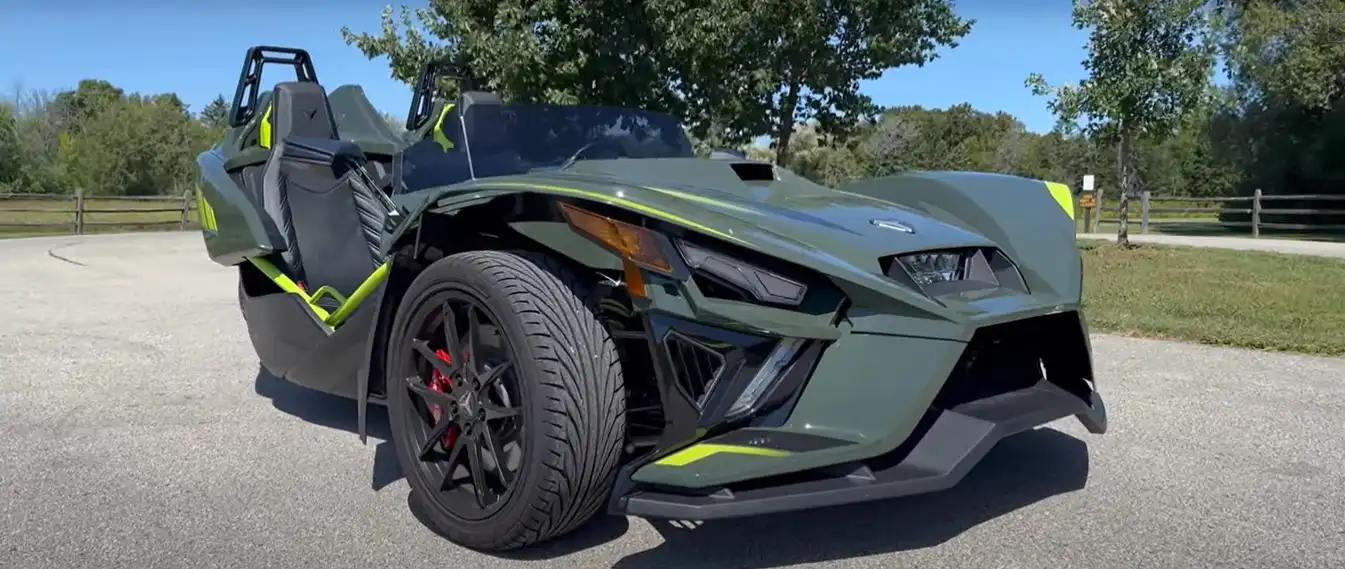
Before diving into the specifics of helmet laws, let’s quickly revisit what a Polaris Slingshot is. The Polaris Slingshot is a three-wheeled, open-air vehicle that combines the thrill of riding a motorcycle with the excitement of driving a sports car. Despite its unique design, it’s categorized as a motorcycle in most states. This classification often results in the application of motorcycle laws, including helmet requirements, to the Slingshot.
Due to its exposed nature, especially with no doors or roof, many states treat it similarly to motorcycles when enforcing safety regulations. However, it’s important to note that not all states have the same regulations.
Understanding Helmet Law Variations Across States
The first thing you need to know about Slingshot helmet laws is that they are not consistent across all states. Some states have universal helmet laws that apply to all riders, while others have age-based or situation-dependent requirements. To ensure you’re always compliant with your state’s regulations, here’s a breakdown of how helmet laws might differ:
Common Helmet Law Criteria:
-
Age-based Requirements: In some states, helmet laws only apply to riders under a certain age, such as 18 or 21.
-
Vehicle Type: Some states make distinctions between enclosed and open Slingshot models, with different helmet laws applying based on the type.
-
License and Insurance Requirements: Certain states may allow riders to forgo helmets if they meet specific conditions, such as possessing a motorcycle license or having adequate insurance coverage.
Factors Influencing Helmet Law Requirements:
-
Public Safety Concerns: In states with high rates of motorcycle accidents, helmets are often mandatory for all riders to reduce head injuries.
-
Lobbying and Advocacy: Motorcycle safety advocates play a significant role in influencing helmet laws, pushing for legislation that prioritizes rider safety.
-
Insurance and Legal Loopholes: Some states have relaxed laws, allowing riders to bypass helmet requirements if they can prove they have certain types of insurance or safety training.
Helmet Law Variations by State
Understanding the specific helmet laws in your state or when traveling through different states can be tricky. Here, we’ll go over the key differences in helmet requirements across some states.
States with Universal Helmet Laws:
These states mandate helmet use for all riders, regardless of age or the type of vehicle they are operating. For Slingshot riders, this means that whether you’re 16 or 65, a helmet is a must.
-
California: Requires helmets for all riders, including Slingshot drivers. The law does not allow for exemptions based on age or insurance status.
-
Georgia: All Slingshot riders must wear helmets, ensuring a higher level of safety for everyone on the road.
-
New York: Another state with universal helmet laws, meaning that helmet use is mandatory for Slingshot riders, regardless of their age or experience.
States with Age-Specific Helmet Laws:
In these states, helmet laws are only applicable to riders who fall within certain age groups, usually under 18 or 21. If you’re older, you might be able to ride without a helmet depending on your state’s regulations.
-
Texas: Requires helmets for riders under the age of 21. Riders over 21 can ride without a helmet if they meet specific safety criteria, such as having motorcycle safety training or possessing a safety certification.
-
Illinois: Riders over the age of 21 are not required to wear a helmet if they can show proof of having valid insurance or safety training.
States with Lenient or No Helmet Laws for Slingshot Riders:
Some states are much more relaxed in their approach to helmet laws. In these states, you may be able to ride without a helmet under certain conditions, such as being over a certain age or having adequate insurance coverage.
-
South Dakota: No helmet requirement for riders over 18 with certain types of insurance coverage.
-
Iowa: Riders aged 18 and older are not required to wear helmets, making it one of the more lenient states in terms of helmet laws.
-
Michigan: Does not mandate helmets for riders who are at least 21 years old, and who carry the minimum insurance required by the state.
States with Unique or Conditional Helmet Laws:
A few states have more complicated or conditional helmet laws that depend on factors like the type of vehicle, speed limits, or insurance coverage.
-
Florida: Riders aged 21 and older are exempt from wearing helmets if they have at least $10,000 in medical insurance coverage for injuries sustained in a crash.
-
Ohio: Riders over 18 can opt out of wearing a helmet if they are covered by specific types of health insurance.
Researching Specific Slingshot Helmet Laws
It’s crucial to understand your local helmet laws, especially if you’re traveling to different states or planning to purchase a Slingshot in a new area. Here’s how you can easily research the helmet laws for your state:
-
Consult State DMV Websites: The Department of Motor Vehicles (DMV) in your state will provide the most accurate and up-to-date information on helmet laws for Slingshot riders.
-
Review Legal Resources: Online legal databases, government websites, and local law firms often provide clear summaries of state-by-state helmet law requirements.
-
Stay Informed: Helmet laws can change, so it’s important to keep checking for updates on the laws, especially if you’re riding across state lines.
Example: State-by-State Breakdown
| State | Helmet Requirement |
|---|---|
| California | Helmet required for all riders |
| Texas | Helmet required for riders under 21 |
| Georgia | Helmet required for all riders |
| South Dakota | No helmet for riders over 18 with insurance |
| Illinois | No helmet for riders over 21 with insurance |
| Iowa | No helmet required for riders over 18 |
This table highlights the general helmet requirements for various states, giving you a quick reference point to understand what’s expected in different regions.
Compliance and Penalties for Non-Compliance
While helmet laws may seem straightforward, failure to comply with them can lead to hefty fines or even legal consequences. Penalties for non-compliance can vary by state, so it’s important to know what you’re up against if you decide to ride without a helmet where it’s required.
Some states impose fines, points on your driving record, and even impoundment of your vehicle if you’re caught riding without a helmet. Other states may offer more lenient enforcement but still charge fines for violating helmet laws.
Navigating State-by-State Helmet Regulations for Slingshot Riders
As a Slingshot rider, it’s essential to understand the specific helmet regulations that apply in the state you live in or plan to travel through. Failing to comply with these laws can lead to fines, legal issues, and, most importantly, increased risk in the event of an accident. The requirements vary widely, and being informed will ensure you’re always on the right side of the law while enjoying your ride.
Why Are Helmet Laws for Slingshot Riders Important?
Helmet laws for Slingshot riders are primarily enforced to reduce the risk of head injuries in the event of an accident. Although Slingshots offer a thrilling and unique driving experience, their open-air design and lack of protective barriers make helmet use even more crucial. These laws help mitigate the chances of severe injury, ensuring riders remain as protected as possible in potentially hazardous situations.
Riding a Slingshot is an exciting experience, but safety must always come first. By adhering to the helmet laws in your state, you’re prioritizing both your personal safety and the safety of others on the road.
Understanding Different Helmet Laws and Their Impact
Each state has its own approach to helmet laws, and it’s essential to grasp the impact of these differences before you hit the road. Whether you’re in a state with strict laws or a state that offers more flexibility, here’s a deeper look at how helmet laws are structured and their potential consequences.
Factors Influencing Helmet Law Regulations
-
State Safety Initiatives: Some states enact stricter helmet laws based on historical accident data, where research shows that head injuries are common among riders of certain types of vehicles.
-
Public Health Concerns: States with higher rates of motorcycle and Slingshot-related accidents tend to have more stringent helmet laws in place to minimize injuries and fatalities.
-
Insurance and Licensing Requirements: Many states tie helmet exemptions to specific insurance coverage, safety training, or motorcycle endorsements on your driver’s license. These conditional laws are designed to offer some leniency to experienced riders who are deemed less likely to be involved in accidents.
Helmet Law Compliance Across the U.S.
Understanding the details of helmet laws in different states can help riders stay on top of regulations and avoid unintentional violations. Below is a further breakdown of how specific states regulate helmet use for Slingshot drivers.
States with Universal Helmet Laws
Some states, regardless of your age or experience, require all Slingshot drivers to wear a helmet. These states have adopted a one-size-fits-all approach to ensure maximum safety on the roads.
-
California: All riders, regardless of age, must wear a helmet while riding a Slingshot.
-
Nevada: Requires helmets for all riders, including Slingshot operators, without exceptions.
-
New York: Has universal helmet laws that apply to all motorcycle riders, including those in Slingshots.
States with Age-Dependent Helmet Requirements
Several states make helmet laws dependent on the rider’s age. If you are under a specific age, usually 21 or younger, you are required to wear a helmet. Older riders may be exempt from the law if they meet certain criteria, such as having the right insurance or safety certification.
-
Texas: Riders under 21 must wear helmets, but those over 21 can opt out if they have safety training or insurance.
-
Ohio: Helmet use is mandatory for riders under 18. Those over 18 may ride without a helmet if they have proper insurance coverage.
-
Alabama: Helmet law applies to riders under 21, but there are exemptions for those over 21 with insurance.
States with More Lenient Helmet Regulations
There are states where the helmet laws for Slingshot riders are quite relaxed, allowing for more freedom. Riders in these states are often allowed to ride without helmets if they meet specific conditions, such as age requirements or proof of insurance.
-
South Dakota: Riders over the age of 18 can ride without a helmet if they carry specific insurance coverage.
-
Michigan: Riders over 21 can legally ride without a helmet as long as they carry the minimum insurance required by the state.
-
Iowa: Riders aged 18 and older are exempt from helmet requirements.
States with Conditional Helmet Laws
Some states may allow exceptions to helmet use based on certain conditions, such as the type of vehicle, speed limits, or specific rider qualifications. Here’s a look at some states with conditional helmet laws:
-
Florida: Riders 21 and older are exempt from helmet use if they have at least $10,000 in medical insurance coverage.
-
Montana: Riders over 18 may ride without a helmet as long as they have a motorcycle license or permit.
Tips for Researching Your State’s Helmet Laws
As a rider, it’s your responsibility to stay up-to-date on helmet laws to avoid unnecessary fines or penalties. Here are some helpful steps to ensure you’re always in compliance:
-
Visit State DMV Websites: Each state’s DMV (Department of Motor Vehicles) provides the most reliable and up-to-date information on helmet laws.
-
Consult Local Law Firms: Legal professionals specializing in traffic laws can offer guidance specific to your state’s regulations.
-
Review State Legislation: Websites like the National Conference of State Legislatures (NCSL) provide a comprehensive breakdown of state-by-state traffic and helmet laws.
Example: Helmet Laws by State
| State | Helmet Law |
|---|---|
| California | Helmet required for all riders |
| Texas | Helmet required for riders under 21 |
| South Dakota | No helmet for riders over 18 with insurance |
| Michigan | No helmet for riders over 21 with insurance |
| Iowa | No helmet for riders over 18 |
This table offers a snapshot of some common states and their helmet laws for Slingshot riders. If you’re planning a road trip, always check ahead to ensure you’re compliant in every state you pass through.
Penalties for Non-Compliance with Helmet Laws
The consequences for not following state helmet laws can vary. Fines are the most common penalty, but some states also impose additional consequences for violators. Penalties may include:
-
Fines: Ranging from $50 to $500, depending on the state.
-
Points on Your License: Some states assign points to your driving record for not wearing a helmet, which could affect your insurance rates.
-
Vehicle Impoundment: In some extreme cases, violating helmet laws can result in the impoundment of your Slingshot.
It’s crucial to understand the potential consequences in your state to avoid unexpected issues while on the road. Riders should always prioritize safety and compliance with local laws to ensure a smooth and enjoyable riding experience.
Compliance and Enforcement of Slingshot Helmet Laws
Understanding the nuances of helmet laws for Slingshot riders is one thing, but ensuring compliance and knowing how laws are enforced is just as critical. Each state has its own methods for enforcing helmet laws, and penalties for non-compliance can range from fines to more serious consequences. By becoming familiar with how these laws are applied, you can enjoy your Slingshot experience without running into legal troubles.
How Helmet Laws are Enforced
Enforcement of helmet laws for Slingshot riders can differ widely depending on the state. In some states, authorities strictly monitor helmet use with frequent checkpoints and traffic stops. In others, law enforcement may be more lenient, only issuing fines when they observe riders without helmets during routine stops.
For instance:
-
California is known for strict enforcement, where police officers actively stop vehicles to ensure all riders are wearing helmets. Fines can be significant, and the police are vigilant about ensuring compliance.
-
South Dakota, on the other hand, is more relaxed in enforcement, given the absence of a helmet requirement for riders with adequate insurance coverage. Police officers are less likely to pull over a rider unless there’s an immediate safety concern.
What Happens if You Get Caught Without a Helmet?
The penalties for failing to wear a helmet while riding a Slingshot can be severe. While the specifics depend on the state, common consequences include:
-
Fines: The most typical penalty for non-compliance. These can range from $50 to $500, depending on the state. Riders who repeatedly violate helmet laws might face higher fines.
-
Points on Your License: Some states, like Ohio, impose points on your driver’s license for failing to wear a helmet. Accumulating too many points can lead to a suspended license.
-
Vehicle Impoundment: In rare cases, authorities may impound your Slingshot if you are caught repeatedly violating helmet laws. While this is not common, it is possible in states with strict enforcement, such as California.
Importance of Checking for Updates
Laws can change, and staying informed about any updates or revisions to helmet regulations is essential. Some states may change the minimum age for helmet exemptions, while others could introduce new safety measures based on accident statistics. Always consult your state’s official DMV website or legal resources to ensure that you’re up-to-date on any changes.
Navigating Helmet Laws When Traveling Across State Lines
Traveling across state lines in your Slingshot adds another layer of complexity when it comes to helmet laws. Different states have different rules, and it’s crucial to familiarize yourself with the laws of any state you plan to visit. For example, if you are driving through a state with stricter helmet laws, you must ensure you comply with those regulations during your trip.
To avoid potential issues:
-
Carry a Copy of Your Insurance: In some states, like Florida and Michigan, proof of adequate insurance can exempt you from helmet laws. Carrying proof of your coverage can save time and trouble.
-
Research State Laws Before You Travel: Make a habit of reviewing helmet laws before traveling, especially if you’re planning a cross-country trip. Websites like the National Highway Traffic Safety Administration (NHTSA) offer easy-to-follow guides to the laws of each state.
Compliance Is Key to Safety
Ultimately, following Slingshot helmet laws is about much more than avoiding fines or legal consequences. Helmet laws are in place to protect riders from severe head injuries in the event of an accident. While it may be tempting to ignore the rules, wearing a helmet can make all the difference when it comes to your safety.
It’s also worth noting that compliance with helmet laws helps ensure that Slingshot riders as a community are viewed positively by both the public and law enforcement. When riders are seen following the law, it fosters a greater sense of respect for the Slingshot community and the road safety measures that keep everyone safe.
Takeaways
-
Stay Informed: Make sure to check your state’s helmet laws before hitting the road. These laws can vary by age, insurance status, and even the model of your Slingshot.
-
Know the Penalties: Understand the fines and legal repercussions that come with not complying with helmet laws. In many states, violations can lead to significant financial penalties or even vehicle impoundment.
-
Research When Traveling: Always research helmet laws when traveling to different states. What is legal in one state may not be in another, so it’s important to adapt your riding habits accordingly.
-
Prioritize Safety: Wearing a helmet is not just about following the law—it’s about ensuring your safety in the event of an accident. Helmets significantly reduce the risk of head injuries, and they can save lives.
Final Thoughts on Polaris Slingshot Helmet Laws
Riding a Polaris Slingshot can be an exhilarating experience, but it’s important to always put safety first. While helmet laws can vary from state to state, understanding these regulations and complying with them ensures that you can enjoy your ride without legal trouble. Whether you’re a local rider or someone planning to travel across state lines, knowing the helmet laws will allow you to ride with confidence.
By following the rules, you not only avoid penalties, but you also protect yourself and others on the road. Always make sure your helmet meets DOT (Department of Transportation) standards for optimal protection, and don’t hesitate to seek legal advice or check official resources if you’re unsure about specific laws.