
For motorcycle enthusiasts and owners, knowing the exact model of your Kawasaki bike is crucial for a variety of reasons, from understanding its performance capabilities to ensuring proper maintenance and finding compatible parts. However, the process of identifying the model can sometimes be confusing, especially for new riders or those who have recently acquired a used bike. Fortunately, it’s easier than you think. In this article, we’ll walk you through the steps and methods that will help you quickly determine your Kawasaki motorcycle’s model. Whether you’re dealing with a classic, a cruiser, or a sportbike, the process is straightforward and can be done in no time.
Terms to Know Before You Begin
Before diving into the steps to identify your Kawasaki motorcycle’s model, it’s important to understand a few key terms that will help you as you go through the process.
-
VIN (Vehicle Identification Number): A unique code used to identify each motorcycle. This number can help determine the model, manufacturing year, and country of origin.
-
Engine Model Number: This number is found on the engine of your motorcycle and can offer details about the type of engine used.
-
Kawasaki Model Code: Kawasaki uses specific model codes to categorize its motorcycles. These codes usually appear in documentation or stamped onto the frame or engine.
-
Kawasaki Series: The series refers to the type of bike, such as Ninja, Vulcan, or Z-series, each designed for a particular purpose (sport, cruiser, naked, etc.).
Step-by-Step Guide to Identifying Your Kawasaki Motorcycle Model
-
Check the VIN (Vehicle Identification Number)
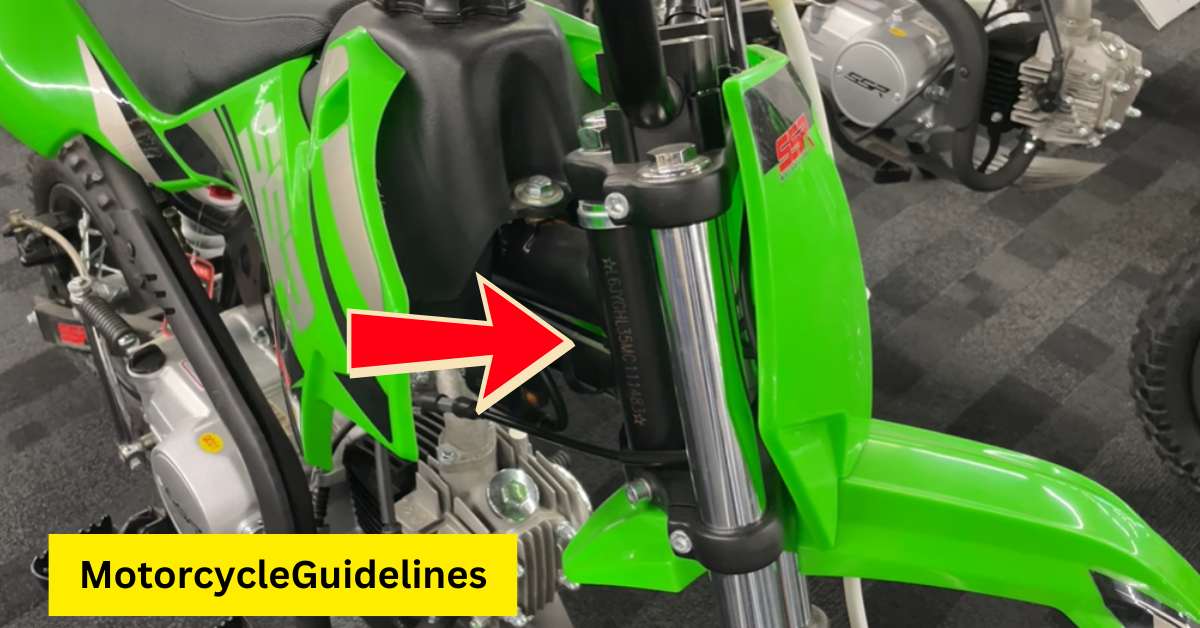
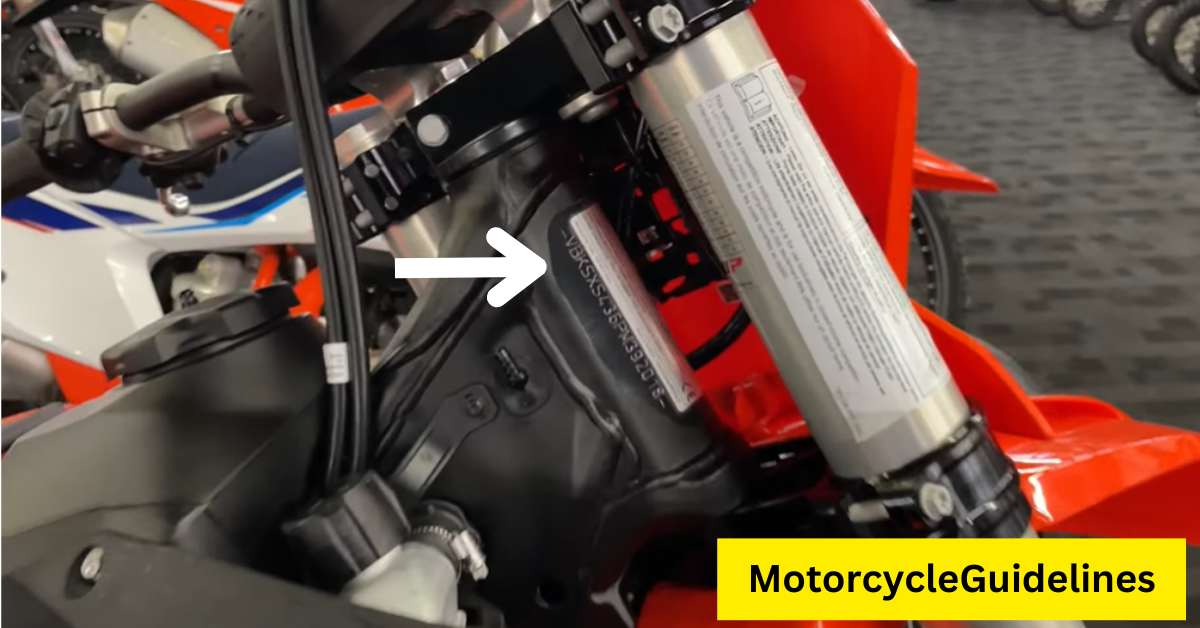
The easiest and most reliable way to determine the model of your Kawasaki motorcycle is by locating the VIN. The VIN is typically located on the headstock of the frame or stamped onto the frame near the steering column.
-
Where to find it: On most Kawasaki motorcycles, the VIN is located near the front fork or underneath the headlight on a metal tag. It can also be found on the registration documents or insurance paperwork of the bike.
-
What to look for: The VIN consists of 17 characters. The first few digits reveal important information about the motorcycle, including the manufacturer (Kawasaki), model year, and the country of production. In many cases, the 4th to 9th characters will directly represent the specific model.
Example: A VIN like “JKAEXFB10A8A12345” could indicate a 2018 Kawasaki ZX-10R, with “EXFB10” representing the specific model series.
-
Review the Model Plate or Sticker
In addition to the VIN, Kawasaki motorcycles often feature a model plate or sticker on the frame that details the exact model. This plate may be located under the seat or on the side of the motorcycle near the engine.
-
Where to find it: Check under the seat or the frame near the engine. For newer Kawasaki motorcycles, this plate is often placed in plain sight for quick reference.
-
What to look for: This label will include the motorcycle’s exact model, along with the engine size, year of production, and other relevant details.
Tip: Ensure that the information on this plate matches the VIN you find, as some motorcycles may have been modified or have replaced parts.
-
Inspect the Engine Number
The engine number is another crucial piece of information that can help you identify your Kawasaki motorcycle’s model. Every Kawasaki engine is stamped with a unique number that indicates the model and the year of manufacture.
-
Where to find it: You can find the engine number on the engine itself, usually on a flat surface of the engine block.
-
What to look for: The engine number typically starts with a series of letters followed by numbers. In some cases, this number may correlate with the VIN.
Example: An engine number like “Z1000-015432” can tell you that the engine is part of the Kawasaki Z1000 series, which is a popular naked bike.
-
Check the Kawasaki Model Code
Kawasaki assigns a model code to each of its motorcycles, which can be used to look up specific details about your bike. This code is generally found on documentation or sometimes stamped into the frame.
-
Where to find it: In the motorcycle’s user manual, service book, or sales paperwork. The model code might also be printed on the motorcycle’s original registration document.
-
What to look for: This code can be entered into Kawasaki’s official database or service center to pinpoint the exact model.
Example: A code like “ER-6f” refers to the Kawasaki Ninja 650, a sport-touring model.
Additional Tips to Narrow Down Your Kawasaki Motorcycle Model
-
Consult the Owner’s Manual: The owner’s manual is often a helpful resource for identifying the model. It usually contains the model number, specifications, and other key details about the bike.
-
Ask a Kawasaki Dealer: If you’re still unsure, a Kawasaki dealer can help you identify your motorcycle model based on the VIN or other identifying numbers.
-
Online Databases: Websites and forums dedicated to Kawasaki motorcycles often have resources that can help you match your bike’s features to a particular model. A quick search with the VIN or engine number might point you to the exact motorcycle.
-
Research the Year and Model Designation: Kawasaki motorcycles are often grouped into series, like the Kawasaki Ninja, Z-series, Vulcan, or KLR. Identifying the series can significantly help narrow down the model, especially when combined with other identifying information.
Features That Distinguish Different Kawasaki Models
Understanding the distinguishing features of different Kawasaki motorcycles can also help in identifying your bike. Here are some key factors that can point you in the right direction:
-
Engine Size: Sportbikes like the Ninja series tend to have larger engines, ranging from 300cc to 1000cc, while smaller models such as the Z125 or KLX series feature engines in the 125cc-650cc range.
-
Body Style: The body style, such as a full-fairing sportbike (e.g., Ninja series), a cruiser (Vulcan series), or a naked bike (Z-series), is an easy way to identify which category your Kawasaki motorcycle falls into.
-
Performance Characteristics: Kawasaki’s sportbikes (e.g., Ninja ZX series) tend to have aggressive riding positions, while cruiser models (e.g., Vulcan) offer a more relaxed posture and lower seat height. Touring models and adventure bikes, like the KLR series, have different ergonomics and features like larger fuel tanks, higher ground clearance, and larger tires.
Troubleshooting Common Issues When Identifying Your Kawasaki Model
While identifying your Kawasaki motorcycle is usually straightforward, there are some common pitfalls and challenges riders face during the process. Let’s address these issues:
-
Difficulty Reading the VIN or Engine Number
Sometimes, the VIN or engine number can become worn down, scratched, or difficult to read, especially on older motorcycles. In this case:-
Solution: Clean the area around the VIN or engine number with a mild solvent and a soft cloth to remove dirt or grime. If the characters are still hard to read, try using a flashlight or magnifying glass to inspect the numbers.
-
Tip: If the VIN is severely damaged, contacting Kawasaki customer service or visiting a dealer may be necessary for assistance. They can run a VIN check to confirm the details of the bike.
-
-
Modifications and Aftermarket Parts
Some Kawasaki motorcycles may have been heavily modified by previous owners, making it more difficult to identify the original model. These modifications might include aftermarket fairings, engine parts, or even entire frame swaps.-
Solution: In such cases, the best course of action is to focus on the VIN and engine number. Once you have these numbers, you can cross-check them against Kawasaki’s official records to determine the original model. However, if significant modifications have been made, it’s important to understand that your bike might no longer reflect the specifications of the original model.
-
Tip: If you notice that your motorcycle looks significantly different from the typical models within a series, don’t be alarmed—check if any parts were swapped out or upgraded. A customized motorcycle can still be traced back to its base model with enough data.
-
-
Missing or Unreadable Model Code or Plates
Sometimes, owners might find that the model code plate or sticker is missing, faded, or hard to find due to accidents, repairs, or wear over time.-
Solution: If you can’t locate the model plate, rely on the VIN and engine number, both of which are usually sufficient for identifying the model. Additionally, check your bike’s manual or any previous service documentation you might have, as these often contain the model details.
-
Tip: Kawasaki dealers or certified mechanics can often assist in reading hard-to-decipher codes or cross-referencing the VIN to confirm the model.
-
Kawasaki Motorcycle Series: Understanding the Key Models
Kawasaki produces a wide range of motorcycles, and the series they belong to can significantly impact the bike’s overall characteristics. Let’s explore some of the most popular Kawasaki motorcycle series and what distinguishes them.
1. Kawasaki Ninja Series
The Kawasaki Ninja series is widely recognized for its aggressive sportbike styling and exceptional performance. It is often the go-to choice for riders seeking speed and cutting-edge technology.
-
Engine Size: From the 300cc Ninja 300 to the 1000cc Ninja ZX-10R, the Ninja series spans a broad range of engine sizes.
-
Body Style: Full-fairing sportbikes designed for aerodynamics and high-speed handling.
-
Notable Features: Advanced suspension, race-inspired designs, and high-performance engines.
Best For: Riders looking for high-performance, thrilling rides, and those interested in track racing or spirited road riding.
2. Kawasaki Vulcan Series
The Vulcan series is Kawasaki’s lineup of cruisers, offering a more relaxed, comfortable ride for long distances and casual cruising.
-
Engine Size: The Vulcan series features engines ranging from 500cc to 1700cc, with options such as the Vulcan 900 and Vulcan 1700.
-
Body Style: Cruiser motorcycles with a low-slung frame and classic styling, often featuring wide tires and comfortable seating.
-
Notable Features: Laid-back riding position, easy handling, and vintage-inspired aesthetics.
Best For: Riders who prefer cruising, long-distance touring, and a classic motorcycle aesthetic with comfort.
3. Kawasaki Z Series
The Z series is Kawasaki’s lineup of naked bikes, which are known for their aggressive stance, roadster handling, and versatility.
-
Engine Size: The Z series includes bikes ranging from the Z125 Pro to the powerful Z1000.
-
Body Style: Naked bikes with minimal bodywork, allowing for a more “raw” riding experience.
-
Notable Features: Upright riding position, versatile performance on both city roads and open highways, and modern styling.
Best For: Riders seeking a balance of performance, comfort, and style for both city commuting and weekend rides.
4. Kawasaki KLR Series
The KLR series is Kawasaki’s flagship lineup of adventure and dual-sport motorcycles, known for their rugged durability and ability to tackle a variety of terrains.
-
Engine Size: Typically found in the 650cc range, making them ideal for both on- and off-road use.
-
Body Style: Adventure bikes with longer suspension travel, larger fuel tanks, and durable builds.
-
Notable Features: Great fuel economy, large carrying capacity, and the ability to handle a variety of conditions, from highways to dirt roads.
Best For: Adventure riders and those who want to tackle long-distance touring or off-road exploration.
Resources for Further Assistance
If you’re still unsure about your motorcycle’s model or need additional help identifying it, consider the following resources:
-
Kawasaki Dealer or Authorized Service Center
A Kawasaki dealership or authorized service center can help identify your motorcycle based on its VIN or engine number. They may also offer services like running a VIN check or providing replacement parts specific to your model. -
Online Forums and Kawasaki Communities
There are numerous Kawasaki-specific online communities and forums where you can share images and information about your bike to receive help from fellow enthusiasts. Popular forums like Kawasaki Forums or Kawasaki Riders can be great places to get assistance. -
Kawasaki Official Website
The official Kawasaki website provides a wealth of resources, including a VIN lookup tool, detailed specs on each model, and parts catalogs. If you’ve got the VIN, you can easily use their database to identify the model.
The Importance of Knowing Your Kawasaki Motorcycle Model
Understanding your Kawasaki motorcycle’s model is crucial for a few key reasons:
-
Proper Maintenance and Repair
Every motorcycle model has its own specific needs, from the engine type to the suspension system and braking components. Knowing your model ensures that you are using the right parts for repairs, as well as following the correct maintenance schedules. For example, a Kawasaki Ninja ZX-6R requires different care and parts than a Kawasaki Vulcan 900. -
Upgrading Parts and Accessories
When upgrading parts, such as the exhaust, suspension, or tires, it’s essential to select components that are compatible with your model. A customized exhaust that fits a Kawasaki Ninja might not be suitable for a Kawasaki Z1000. By knowing your model, you can make informed decisions about which parts will enhance your motorcycle’s performance and appearance. -
Improved Resale Value
If you plan on selling your Kawasaki bike in the future, having accurate model information will make it easier to attract potential buyers. A clear description of the model and its specifications can help you justify a higher price and ensure you receive an accurate trade-in value. -
Insurance and Registration
Most insurance providers require the exact model of your motorcycle to calculate your premium accurately. This information is also important for registration and legal paperwork. Incorrect details can lead to issues with claims or registration fines down the line.
Tips for Maintaining Your Kawasaki Motorcycle
Owning a Kawasaki motorcycle involves understanding how to care for it to ensure it runs smoothly and safely. Regular maintenance is crucial, and here are some tips specific to Kawasaki motorcycles:
-
Routine Oil Changes
Like any motorcycle, Kawasaki models require regular oil changes to keep the engine running efficiently. Follow the manufacturer’s recommendations for oil type and change intervals. Typically, oil should be changed every 3,000 to 5,000 miles, depending on the model. -
Tire Care and Pressure
Tires are one of the most vital components of your motorcycle. Keep an eye on tire pressure and tread depth. Low tire pressure can affect handling, and worn tires can increase the risk of accidents. -
Brake Inspection
Regularly check the brake pads, discs, and fluid levels to ensure your bike is stopping properly. Kawasaki motorcycles often feature powerful brakes, and maintaining them will ensure your safety and extend the life of your bike. -
Cleaning and Lubrication
Clean your motorcycle regularly to prevent dirt and grime buildup that can wear down parts over time. Lubricate chains, cables, and moving parts as needed to keep everything running smoothly. Kawasaki offers specific lubricants for their bikes, so be sure to use the recommended products. -
Battery Maintenance
Check your battery’s condition frequently. A healthy battery ensures your Kawasaki bike starts without issue. If you notice issues like slow cranking or dim lights, it may be time for a battery replacement.
Conclusion
Identifying your Kawasaki motorcycle’s model doesn’t have to be complicated. By following the simple steps we’ve outlined—checking the VIN, examining the engine number, and locating the model plate—you can easily pinpoint your bike’s exact model. This knowledge is essential for proper maintenance, finding compatible parts, and ensuring your motorcycle is in top condition.
Whether you’re a seasoned rider or a new owner, knowing your Kawasaki’s model enhances your riding experience. Don’t hesitate to reach out to Kawasaki dealerships, online communities, or use the official Kawasaki website if you need extra help. With the right tools and information, you’ll have everything you need to keep your bike performing at its best. So, take a few minutes to identify your model, and ride with confidence knowing your Kawasaki is ready for any adventure!