If you’re a Kawasaki enthusiast or new to the world of motorcycles and power sports, understanding the inner workings of the Kawasaki KAXS engine is essential. The Kawasaki KAXS engine is a reliable powerhouse used in various models and applications. Whether you’re an owner looking to perform maintenance or a prospective buyer curious about the mechanics behind this engine, this guide will provide a comprehensive look at everything you need to know.
In this article, we’ll explore the features, maintenance tips, and important technical specifications of the Kawasaki KAXS engine. By the end, you’ll have a clear understanding of how to care for the engine, troubleshoot common issues, and optimize its performance. Let’s dive into the details!
What is the Kawasaki KAXS Engine?
The Kawasaki KAXS engine is a high-performance powertrain designed for use in motorcycles, ATVs, and other off-road vehicles. Kawasaki, renowned for its innovation in the motorcycling industry, crafted the KAXS engine to deliver both power and efficiency, making it a popular choice for those who demand reliability in their machines.
Features of the KAXS Engine:
-
Engine Type: Liquid-cooled, four-stroke single-cylinder
-
Displacement: 249cc (varies by model)
-
Fuel System: Electronic Fuel Injection (EFI)
-
Bore x Stroke: 72.0 mm x 61.2 mm
-
Compression Ratio: 11.5:1
This engine design prioritizes durability and smooth performance, making it ideal for both novice and seasoned riders. The liquid-cooled system ensures that the engine remains at optimal operating temperature, preventing overheating even under heavy use.
Terms to Know
Before diving deeper into the details of the Kawasaki KAXS engine, it’s important to understand some basic terms. These terms will help you better grasp the mechanics and features discussed in this guide:
-
Four-Stroke Engine: A type of engine that completes its power cycle in four stages—intake, compression, combustion, and exhaust.
-
Electronic Fuel Injection (EFI): A system that electronically controls the amount of fuel injected into the engine, improving fuel efficiency and reducing emissions.
-
Compression Ratio: The ratio of the cylinder’s volume at the bottom of the piston stroke to the volume at the top of the stroke. A higher ratio generally leads to more power.
-
Liquid-Cooled Engine: An engine that uses liquid coolant to regulate temperature, providing better heat dissipation than air-cooled engines.
Understanding the Kawasaki KAXS Engine Performance
The KAXS engine is built for versatility, making it a great choice for a wide range of activities, from recreational riding to competitive sports. The engine is tuned for strong torque and smooth power delivery, which makes it suitable for both on-road and off-road use.
-
Power Delivery: With the KAXS engine’s EFI system, fuel is delivered more precisely, ensuring that power is optimized. This system ensures that the engine runs smoothly at various RPM levels, whether you’re cruising on the highway or tackling challenging trails.
-
Torque: The engine provides solid low-to-mid-range torque, which is ideal for off-road scenarios where you need strong pulling power. This ensures the bike performs well on uneven terrains and inclines.
-
Reliability: Kawasaki has designed the KAXS engine for durability. The liquid cooling system and efficient engine components work together to minimize the risk of overheating, making it a reliable choice for long rides or off-road adventures.
Kawasaki KAXS Engine Manual: Key Sections and What They Cover
The Kawasaki KAXS engine manual is a crucial resource for any owner or mechanic working with this engine. The manual covers a wide range of topics, from basic maintenance to advanced troubleshooting. Here’s a breakdown of the key sections you’ll find in the KAXS engine manual:
1. Engine Overview and Specifications
This section includes all the critical technical details about the engine, such as its displacement, bore and stroke, compression ratio, and fuel system type. It’s essential for understanding how the engine is designed to perform and how to optimize its potential.
2. Maintenance Schedule
To keep the Kawasaki KAXS engine running smoothly, regular maintenance is a must. The manual provides a detailed maintenance schedule that includes:
-
Oil Change Intervals: How often you should change the engine oil to ensure smooth operation and avoid damage to internal components.
-
Air Filter Replacement: Regular air filter checks are necessary to maintain proper airflow into the engine.
-
Valve Clearance Check: Valve clearance should be checked periodically to ensure optimal performance.
3. Fuel System and Carburetion
Since the KAXS engine uses an EFI system, understanding how the fuel system works is key to keeping the engine running efficiently. This section includes details on how the EFI system manages fuel delivery, and it also covers fuel quality recommendations to prevent clogging or fuel system failure.
4. Cooling System
The cooling system is essential to keep the KAXS engine running at its optimal temperature. The manual details how to check and replace coolant, as well as common issues related to overheating.
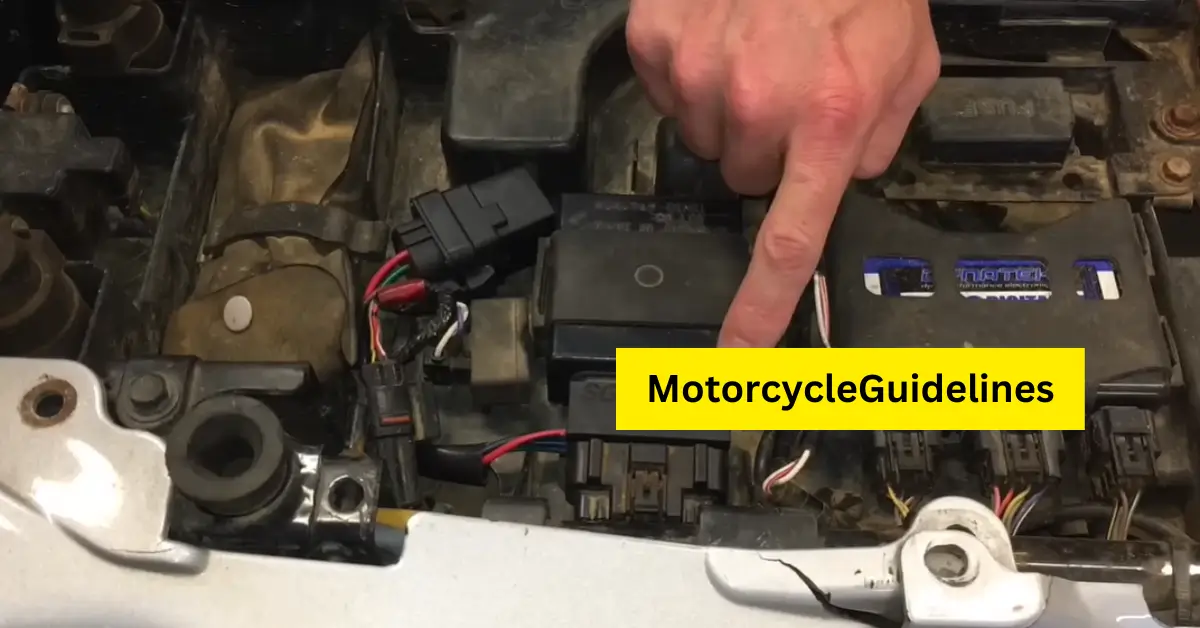
5. Electrical System
This section covers the electrical components of the Kawasaki KAXS engine, including the ignition system, wiring, and the battery. It provides step-by-step instructions for troubleshooting electrical issues, such as starting problems or irregular engine performance.
6. Troubleshooting and Diagnostic Tips
If you encounter issues with your engine, the manual includes a troubleshooting guide to help diagnose common problems. From poor starting to engine misfires, this section provides possible causes and solutions, making it easier to pinpoint the issue and get your engine back in top shape.
Benefits of Properly Maintaining the Kawasaki KAXS Engine
Keeping your Kawasaki KAXS engine in excellent working condition offers numerous benefits, from improved performance to increased lifespan. Proper maintenance not only ensures that the engine runs at peak performance but also prevents costly repairs down the road.
1. Increased Longevity
Regular maintenance and timely repairs can extend the life of your Kawasaki KAXS engine. By following the recommended maintenance schedule, you can prevent the engine from wearing out prematurely due to neglect.
2. Enhanced Performance
An engine that’s properly maintained will deliver smoother power delivery and more efficient fuel consumption. This translates to a more enjoyable and reliable riding experience, whether you’re commuting or tackling off-road terrain.
3. Fuel Efficiency
Proper maintenance, especially of the fuel system and air filters, ensures that the engine operates efficiently. A well-maintained engine consumes less fuel, which is not only cost-effective but also better for the environment.
4. Reduced Risk of Breakdowns
Routine checks and preventive maintenance minimize the chances of encountering a major engine failure while on the road or trail. Regularly inspecting key components like the battery, cooling system, and oil can catch issues before they turn into expensive problems.
Maintenance Tips for the Kawasaki KAXS Engine
Keeping your Kawasaki KAXS engine in peak condition requires regular maintenance. Whether you’re preparing for a big ride or simply performing routine checks, proper upkeep ensures the longevity and reliability of the engine. Let’s break down the key maintenance tasks to keep your engine running smoothly.
Oil and Oil Filter Changes
One of the most critical maintenance tasks for any engine is oil changes. The oil lubricates the engine’s moving parts, reducing friction and preventing overheating. Over time, oil breaks down, and impurities build up, leading to inefficient performance and potential engine damage.
Steps for Changing Engine Oil:
-
Warm up the engine for a few minutes to ensure the oil flows freely.
-
Locate the oil drain plug at the bottom of the engine and remove it using a wrench. Let the oil drain into a pan.
-
Replace the oil filter to ensure proper filtration and smooth engine operation. The filter may need to be unscrewed manually, depending on your model.
-
Refill with fresh oil as specified in your Kawasaki KAXS engine manual. Make sure to use the recommended oil type and amount.
-
Check the oil level using the dipstick and adjust as needed. Be careful not to overfill.
The Kawasaki KAXS engine typically requires an oil change every 1,000 to 2,000 miles, depending on usage. Off-road riding may necessitate more frequent oil changes due to the increased strain on the engine.
Air Filter Replacement
The air filter is vital in ensuring that the engine receives clean, unimpeded airflow. A clogged or dirty air filter can reduce engine performance, lower fuel efficiency, and increase engine wear. Replacing the air filter is a straightforward process that should be done every 6,000 miles or as needed.
Steps for Replacing the Air Filter:
-
Locate the air filter housing, usually near the engine intake.
-
Remove the housing cover to access the air filter. Some models may require the removal of screws or bolts.
-
Take out the old air filter, ensuring no debris falls into the intake.
-
Inspect the filter for dirt, wear, or tears. Replace it with a new, compatible air filter if necessary.
-
Reassemble the air filter housing and tighten any screws or bolts to secure the cover.
Make sure to follow the manufacturer’s recommendations for filter replacement intervals, as a clean filter improves engine efficiency and prevents damage.
Cooling System Maintenance
The Kawasaki KAXS engine uses a liquid-cooling system to regulate engine temperature. Overheating can lead to severe engine damage, so keeping the cooling system in good shape is essential.
Steps for Maintaining the Cooling System:
-
Check the coolant level regularly, especially before long rides. A low coolant level can lead to engine overheating.
-
Inspect the radiator for leaks or damage. If you notice any coolant leaks, fix them immediately to avoid further damage.
-
Flush and replace coolant every 2 to 3 years, or as specified in your engine manual. Over time, coolant can lose its effectiveness in heat transfer.
-
Check hoses and clamps for cracks or looseness. Replace any damaged components promptly.
By keeping the cooling system in optimal condition, you ensure that the engine runs at the right temperature, preventing overheating and ensuring long-term reliability.
Valve Clearance Checks
The valves in the Kawasaki KAXS engine play a critical role in the engine’s air and exhaust cycles. Over time, valve clearance can change, leading to reduced engine performance or even engine failure. Regular valve clearance checks help ensure that the engine runs efficiently and without issues.
Steps for Checking Valve Clearance:
-
Remove the valve cover to expose the valve train.
-
Check the valve clearance with a feeler gauge, as specified in the engine manual.
-
Adjust the clearance as necessary by loosening or tightening the valve adjusters.
-
Reinstall the valve cover securely after the adjustment is complete.
Valve clearance checks should be performed at regular intervals, typically every 12,000 miles, or according to the manufacturer’s recommendation.
Troubleshooting Common Issues with the Kawasaki KAXS Engine
Despite its reliability, the Kawasaki KAXS engine, like any mechanical system, may encounter issues over time. Understanding common problems and knowing how to troubleshoot them can save you time and money. Below are some typical issues and their potential causes.
Engine Won’t Start
If your Kawasaki KAXS engine refuses to start, several factors could be at play:
-
Battery Issues: Check if the battery is fully charged and properly connected. Replace the battery if it’s old or faulty.
-
Fuel Supply Problems: Ensure that the fuel tank has sufficient fuel and that there’s no clogging in the fuel lines or carburetor.
-
Ignition System Issues: Inspect the spark plug to ensure it’s not fouled or damaged. Replace it if necessary.
-
Fuel Injection Problems: If your model has EFI, make sure the fuel injectors are clean and functioning. Clogged injectors can prevent the engine from starting.
Overheating
Overheating can be a serious issue for the Kawasaki KAXS engine. If you notice the engine temperature rising beyond normal levels, consider the following:
-
Low Coolant Levels: Check the coolant reservoir and refill it if necessary.
-
Radiator Obstructions: Inspect the radiator for dirt or debris that may block airflow. Clean the radiator fins regularly.
-
Cooling System Leaks: Look for signs of coolant leakage around hoses and seals. If you find any leaks, replace the damaged parts immediately.
Poor Performance or Loss of Power
If you experience a loss of power or poor engine performance, the following issues might be responsible:
-
Dirty Air Filter: A clogged air filter can limit airflow and reduce engine power. Clean or replace the air filter if needed.
-
Fuel System Issues: A clogged fuel injector or dirty carburetor can disrupt fuel flow. Regular cleaning is key to maintaining engine performance.
-
Spark Plug Problems: A worn or damaged spark plug can cause misfiring and power loss. Check the spark plug and replace it if necessary.
Unusual Noises
If you hear unusual noises such as knocking or tapping from the engine, it could indicate:
-
Low Oil Levels: Ensure the engine oil is at the correct level and replace it if it’s old or dirty.
-
Valve Clearance Issues: If the valve clearance is off, it can cause tapping or knocking sounds. Check and adjust the valve clearance as needed.
Optimizing the Kawasaki KAXS Engine for Better Performance
While basic maintenance ensures that the Kawasaki KAXS engine runs smoothly, there are several performance upgrades and tweaks that can help optimize its capabilities.
1. Upgrade the Exhaust System
A high-performance exhaust system can improve airflow, which increases engine efficiency and power. Look for an aftermarket exhaust that’s designed specifically for the KAXS engine to boost performance.
2. Fuel Management System
Installing a fuel management system, such as a fuel controller or power commander, can help optimize the air-fuel mixture for better throttle response and power delivery.
3. Air Filter Upgrade
A high-flow air filter can allow more air into the engine, improving combustion and power output. Ensure you choose a filter compatible with the KAXS engine.
4. Tuning the Engine
If you’re looking for even more power, consider tuning the engine. Many aftermarket companies offer tuning kits that adjust the ECU for increased performance, especially for off-road use.
Final Thoughts
The Kawasaki KAXS engine is a robust and high-performing powertrain that offers reliability, power, and durability for a range of motorcycles and off-road vehicles. Understanding its mechanics, maintenance needs, and common troubleshooting tips is crucial for ensuring that your engine remains in top condition and continues to deliver the exhilarating performance it’s known for.
Let’s quickly recap the key points we’ve discussed throughout this guide:
1. Regular Maintenance is Key
-
The Kawasaki KAXS engine requires routine maintenance to perform at its best. Regular oil changes, air filter replacements, and valve clearance checks will prolong the life of the engine and keep it running smoothly.
-
Don’t forget about the cooling system! The liquid-cooled engine needs proper coolant maintenance to avoid overheating.
2. Troubleshooting Common Issues
-
Issues such as engine failure to start, overheating, poor performance, and unusual engine noises can typically be traced back to common causes like dirty air filters, low oil, or fuel system problems. By following the troubleshooting steps outlined above, you can address these issues efficiently.
3. Optimize Performance
-
If you want to take your KAXS engine to the next level, consider performance upgrades like an upgraded exhaust system, high-flow air filter, or fuel management system. These enhancements can boost power and improve overall engine efficiency.
4. Follow the Kawasaki KAXS Engine Manual
-
The Kawasaki KAXS engine manual is an invaluable resource that covers everything from basic maintenance schedules to detailed troubleshooting steps. Following the manual’s guidelines ensures that you’re properly maintaining your engine and addressing any issues that may arise.
5. Know When to Seek Professional Help
While many maintenance and troubleshooting tasks can be handled by the owner, there may be situations where professional assistance is necessary. If you encounter complex engine issues or need performance tuning, it’s wise to consult a Kawasaki-certified mechanic.