
Ever wondered why one motorcycle feels rock-solid on the highway while another corners like it’s glued to the road? In many cases, the answer isn’t just the bike—it’s the tires. Choosing between Bias Ply vs Radial Motorcycle Tires can completely change how your motorcycle handles, grips the road, carries weight, and performs in different riding conditions.
If you’re shopping for new tires or simply want to understand which type is right for your motorcycle, you’re in the right place. In this guide, we’ll break down the real differences between bias ply and radial motorcycle tires, compare their pros and cons, and help you choose the best option for your riding style—whether you ride a cruiser, touring bike, sportbike, or adventure motorcycle.
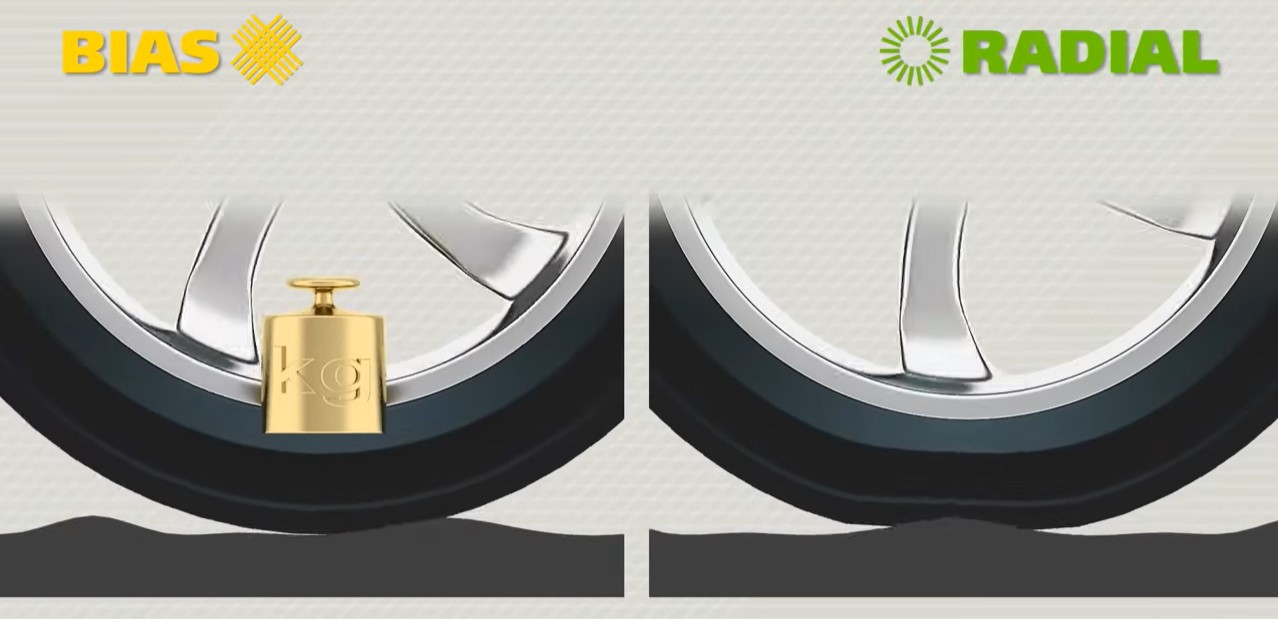
Bias Ply vs Radial Motorcycle Tires: Quick Answer
Bias ply tires have crisscrossed internal cords that create a strong, relatively stiff structure. They are commonly suited to cruisers, classic motorcycles, heavy-load applications, and certain off-road tires.
Radial tires use cords positioned roughly 90 degrees to the direction of travel, usually with separate belts beneath the tread. They generally provide better heat control, comfort, cornering feedback, and stability during performance or high-speed riding.
Neither type is automatically right for every motorcycle. Always use the construction and tire specifications listed in your owner’s manual.
Understanding Tire Construction
To understand the differences between bias ply and radial tires, it’s crucial to examine their construction methods. Each tire type utilizes different materials and techniques that significantly affect performance, handling, and durability.
Bias Ply Construction
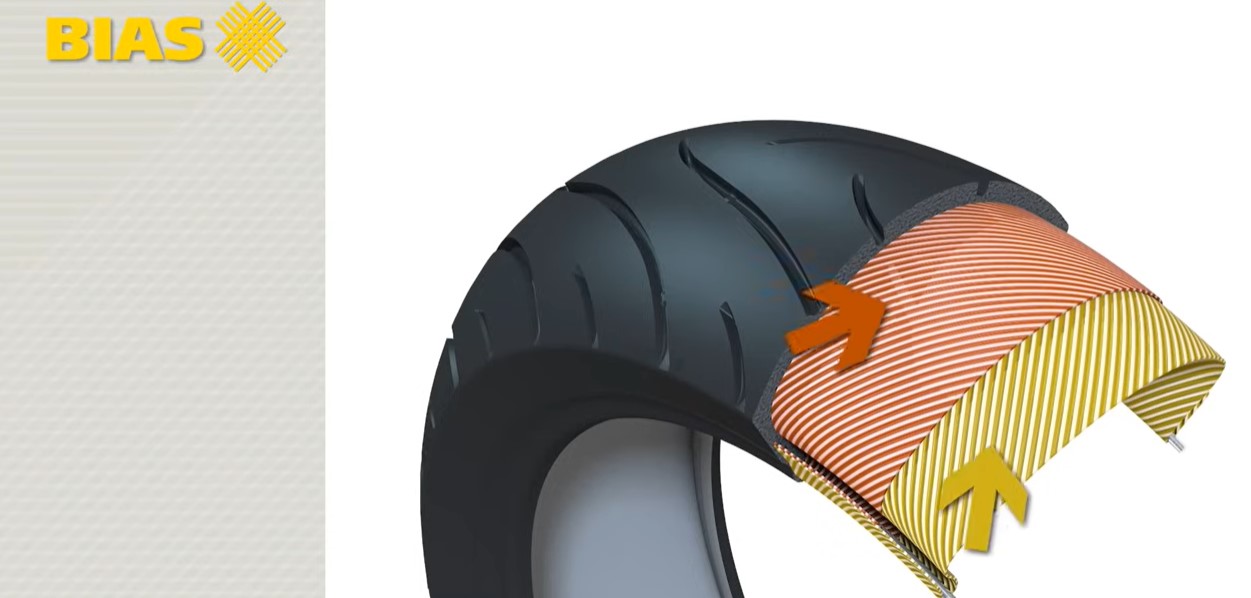
Bias ply tires feature multiple thin nylon or Kevlar cords arranged at angles between 30 to 40 degrees. These cords are layered in opposite directions, creating a crisscross pattern.
This construction provides excellent sidewall strength, making bias ply tires particularly durable and resistant to punctures. They are often thicker around their circumference, which enhances their load-carrying capacity and contributes to their longevity on the road.
Radial Construction
Radial tires, on the other hand, are constructed with steel cords or belts laid perpendicular to the tire’s direction. This design allows the tread and sidewall to have independent properties, providing enhanced performance.
The radial design also allows for a wider contact patch with the ground, improving grip and stability, especially at higher speeds. Additionally, modern radial tires often incorporate dual compounds for improved grip and wear resistance.
Key Differences in Design
| Feature | Bias Ply Tires | Radial Tires |
|---|---|---|
| Angle of Ply Cords | 30-40 degrees | 90 degrees |
| Material Used | Nylon or Kevlar | Steel belts, Nylon |
| Typical Applications | Heavy motorcycles, Off-road | Sport, Touring, Racing |
The table illustrates the fundamental differences in tire construction between bias ply and radial tires. The varying angles of ply cords reveal how each tire type responds to stress during operation.
With bias ply tires, the angled cords provide additional strength and durability, making them suitable for heavier loads and off-road conditions. However, this construction can restrict flexibility, which may affect performance at higher speeds.
In contrast, radial tires benefit from their perpendicular cord arrangement, resulting in better handling and stability, particularly in high-speed scenarios. As riders demand more from their motorcycle tires, understanding these differences can aid in making an informed choice based on their specific riding needs and preferences.
Performance Characteristics
The performance of motorcycle tires under different conditions is vital for rider safety and enjoyment. This section will explore how bias ply and radial tires perform in key areas such as handling, grip, and stability.
Handling and Cornering
Bias ply tires tend to offer more stability during straight-line riding due to their stiffer sidewalls, which can be beneficial for heavy motorcycles or those carrying substantial loads. However, the rigidity can lead to a less responsive feel when cornering, as the tire’s contact patch may not adapt as well to the road surface compared to its radial counterpart.
Radial tires excel in handling, providing a more responsive and agile feel. The independent sidewalls allow for better flexing during cornering, maintaining a larger contact patch with the road.
This responsiveness enhances rider confidence, encouraging more aggressive cornering and improved overall handling performance.
Grip in Different Weather Conditions
When it comes to grip, radial tires outperform bias ply tires, particularly in wet conditions. The design of radial tires promotes a wider contact area, improving water dispersion and reducing the risk of hydroplaning.
The advancements in rubber compounds used in radial tires also contribute to superior grip on both dry and wet surfaces.
Stability at Different Speeds
Bias ply tires tend to become unstable at higher speeds due to their construction, which can lead to overheating and diminished performance. They are best suited for moderate speeds, where their durability can shine.
In contrast, radial tires maintain stability at higher speeds, allowing for more confident riding and better control.
| Performance Metric | Bias Ply Tires | Radial Tires |
|---|---|---|
| Tire Responsiveness | Moderate | High |
| Cornering Speed Limits | Lower | Higher |
| Wet Grip | Moderate | High |
The performance metrics outlined in the table highlight the significant differences between bias ply and radial tires. While bias ply tires offer reasonable performance in specific applications such as heavy cruising motorcycles, they fall short in responsiveness and wet grip when compared to radial tires.
Radial tires not only excel in high-speed stability but also provide enhanced grip in wet conditions, making them a preferred choice for sport and touring motorcycles. Riders should consider these characteristics when selecting tires to match their riding style and conditions.
Tire Longevity and Wear
The durability and lifespan of motorcycle tires are crucial factors that riders must consider. Understanding how the different constructions affect tire wear can help in making an informed choice.
Typical Lifespan of Bias Ply vs. Radial
Bias ply tires are known for their durability, often providing a longer lifespan when compared to radial tires, particularly under heavy loads or off-road conditions. However, they tend to wear unevenly, especially during aggressive cornering.
Radial tires, while generally offering a shorter lifespan, benefit from better heat dissipation, which can lead to more uniform wear and extended performance over time.
Factors Affecting Tire Wear
Several factors influence tire wear, including riding style, road conditions, and tire maintenance. Aggressive riding can lead to faster wear for both types of tires, but radial tires are designed to handle heat better, which can mitigate some of the wear.
Regular maintenance, such as keeping the correct tire pressure and alignment, is essential for maximizing tire longevity.
Maintenance Tips for Longevity
To extend the lifespan of motorcycle tires, riders should regularly check tire pressure, perform visual inspections for signs of damage, and ensure proper alignment. Additionally, rotating tires and using appropriate tire compounds for specific conditions can enhance durability.
| Tire Type | Average Mileage | Maintenance Frequency | Wear Patterns |
|---|---|---|---|
| Bias Ply Tires | 8,000-12,000 miles | Regular checks every 1,000 miles | Uneven wear on edges |
| Radial Tires | 6,000-10,000 miles | Regular checks every 1,000 miles | Even wear across the tread |
The data presented in the table emphasizes the differences in mileage and wear patterns between bias ply and radial tires. Bias ply tires can provide a greater mileage potential under certain conditions, but their uneven wear can be a concern, especially for performance-oriented riders.
Radial tires, while slightly shorter in lifespan, offer consistent wear, contributing to better overall performance and safety. Riders should weigh these factors against their riding styles and intended tire use to maximize their tire investment.
Usage Recommendations
Choosing the right tire type is essential based on motorcycle type and riding conditions. Below, we outline the best use cases for bias ply and radial tires.
Best Uses for Bias Ply Tires
Bias ply tires are ideal for heavier motorcycles, cruisers, and off-road bikes. Their robust construction makes them suitable for carrying substantial loads and handling rugged terrains.
Riders who frequently ride in varied conditions, including dirt and gravel, may find bias ply tires to be more beneficial due to their durability.
Ideal Conditions for Radial Tires
Radial tires are recommended for sport and touring motorcycles that require superior handling and stability. They are best suited for high-speed riding, where their ability to dissipate heat and maintain grip is crucial.
Additionally, riders who frequently encounter wet conditions will benefit from the enhanced grip provided by radial tires.
Recommendations by Motorcycle Type
| Motorcycle Type | Recommended Tire Type |
|---|---|
| Cruiser | Bias Ply Tires |
| Sport Bike | Radial Tires |
| Touring | Radial Tires |
| Off-Road | Bias Ply Tires |
The table illustrates tire recommendations based on motorcycle types, emphasizing the suitability of bias ply tires for cruisers and off-road bikes, while radial tires excel for sport and touring motorcycles. This guidance allows riders to select tires that enhance their riding experience and safety, ensuring they choose the best fit for their specific motorcycle and riding conditions.
Pros and Cons of Bias Ply Tires
Bias ply tires have their own set of advantages and disadvantages that riders should consider when making a choice.
Advantages
- Durability: Bias ply tires are known for their robust construction, providing excellent puncture resistance.
- Load Capacity: Their stiffer sidewalls enable them to carry heavier loads effectively.
- High Mileage: They often have a longer lifespan under specific riding conditions.
Disadvantages
- Heat Dissipation: Bias ply tires may overheat at high speeds, leading to performance issues.
- Corners: Limited flexibility in corners can reduce grip and responsiveness.
- Weight: Heavier construction compared to radial tires may impact fuel efficiency.
User Experiences
Feedback from users has shown that while bias ply tires are favored for their durability and load-carrying capacity, many riders have reported a noticeable reduction in handling performance, particularly when compared to radial tires. Common issues include overheating during sustained high-speed rides and limited responsiveness during cornering.
Pros and Cons of Radial Tires
Radial tires also come with a unique set of benefits and drawbacks that riders should be aware of.
Advantages
- Handling: Radial tires provide superior handling and responsiveness, particularly in corners.
- Heat Management: They dissipate heat more effectively, reducing the risk of tire failure.
- Comfort: Radial tires offer a smoother and more comfortable ride over varying road conditions.
Disadvantages
- Puncture Susceptibility: Thinner sidewalls can be more vulnerable to punctures.
- Cost: Radial tires may be more expensive than their bias ply counterparts.
- Compatibility: They typically cannot be used with inner tubes, limiting their application in some motorcycle types.
User Experiences
Many riders who have switched to radial tires report significant improvements in handling and grip, particularly in wet conditions. However, some users have expressed concerns about their vulnerability to punctures, especially in harsh riding environments.
Overall, the feedback indicates a strong preference for radial tires among sport and touring motorcycle enthusiasts.
Cost Comparison
When selecting between bias ply and radial tires, cost is an important consideration that impacts the overall value of your purchase.
Initial Purchase Price
Bias ply tires are generally less expensive than radial tires, making them an attractive option for budget-conscious riders. However, the lower initial cost may not always translate into better long-term value due to potential wear and replacement frequency.
Long-term Cost Considerations
While radial tires typically have a higher upfront cost, their durability and performance can lead to longer lifespans, ultimately reducing the need for frequent replacements. Riders may find that the investment in radial tires pays off in the long run.
Value for Money
| Tire Type | Average Price | Expected Lifespan | Replacement Frequency |
|---|---|---|---|
| Bias Ply Tires | $100-$150 | 8,000-12,000 miles | Every 1-2 years |
| Radial Tires | $150-$250 | 6,000-10,000 miles | Every 1-3 years |
The cost comparison table highlights the differences in average prices and expected lifespans of bias ply and radial tires. Although bias ply tires are more affordable initially, their replacement frequency may lead to higher long-term costs when compared to radial tires.
Radial tires, while more expensive upfront, may offer better longevity and performance, making them a more economical choice for some riders. Ultimately, the decision should be based on individual riding habits and the type of motorcycle being used.
FAQ on Motorcycle Tires
How often should I replace my motorcycle tires?
Generally, motorcycle tires should be replaced every 6,000 to 10,000 miles, depending on the tire type and riding conditions. Riders are encouraged to inspect their tires regularly for wear signs and replace them if the tread depth is below the manufacturer’s recommendations or if there are visible damages.
Can I mix bias ply and radial tires on my motorcycle?
It is generally not recommended to mix bias ply and radial tires on the same motorcycle, as it can lead to handling and stability issues. If a mix is necessary, the bias ply tire should always be on the front to maintain control, but it’s best to consult with a tire specialist for specific recommendations.
What are the signs of tire wear I should look for?
Signs of tire wear include uneven tread depth, visible cracks or bulges, and a decrease in grip. Riders should check for a smooth or flat spot on the tread, which can indicate improper inflation or alignment.
Regular visual inspections are essential to ensure tire safety and performance.
Conclusion
Choosing between Bias Ply vs Radial Motorcycle Tires isn’t about finding one tire that’s better than the other—it’s about finding the right match for your motorcycle and the way you ride. Bias ply tires are known for their durability and load-carrying strength, making them a solid choice for many cruisers, classic bikes, and some off-road motorcycles. Radial tires, on the other hand, offer better cornering, smoother rides, and improved performance at higher speeds, which is why they’re popular on modern sport and touring bikes.
Before buying new tires, always check your motorcycle owner’s manual and follow the manufacturer’s recommended tire size, load rating, speed rating, and construction type. The right tires can improve handling, boost rider confidence, and help keep every ride safer. Pick the tire that fits your bike—not just your budget—and you’ll enjoy a more comfortable and reliable riding experience for miles to come.