
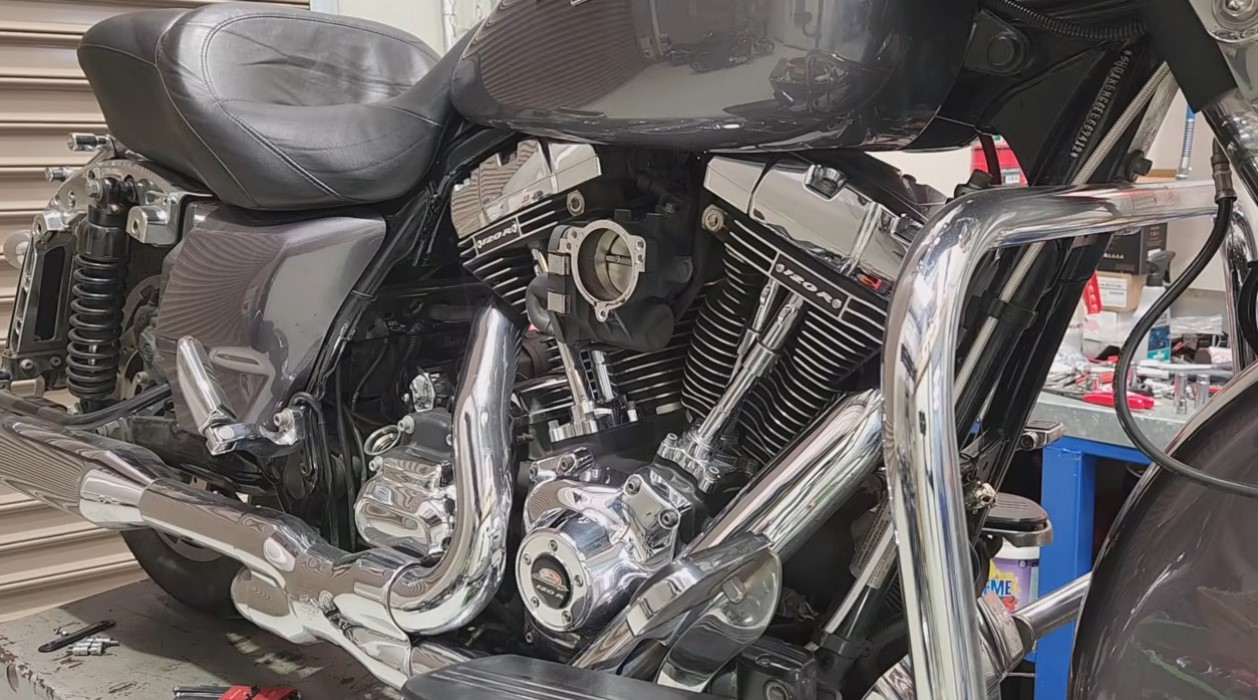
Harley 120R Engine Problems are one of the biggest concerns for riders who want the legendary power of this high-performance engine without unexpected repair bills. The 120R delivers incredible horsepower, impressive torque, and an unforgettable riding experience, but that extra performance also puts more stress on critical engine components. If small issues are ignored, they can quickly turn into costly repairs.
The good news is that most Harley 120R engine problems give clear warning signs before they become serious. From lifter wear and overheating to crankshaft issues, EFI tuning, and oil lubrication concerns, understanding these common problems can help you protect your investment and avoid breakdowns on the road.
In this guide, you’ll discover the most common Harley 120R engine problems, what causes them, the symptoms to watch for, and proven solutions to keep your engine running smoothly. Whether you’re thinking about buying a Harley with a 120R engine or already own one, this guide will help you make smarter maintenance decisions and enjoy a more reliable ride.
Why You Can Trust This Guide
The Harley 120R is a legendary performance engine, but its extra power also means it requires more attention than a standard Harley engine. This guide is based on commonly reported owner experiences, proven maintenance practices, and the known strengths and weaknesses of the 120R platform. Rather than focusing only on the problems, we’ve also included their likely causes, warning signs, practical fixes, and maintenance tips to help you make informed decisions and keep your engine performing at its best. Whether you’re planning to buy a Harley with a 120R engine or already own one, this guide is designed to help you avoid costly repairs and enjoy a more reliable riding experience.
Overview of the Harley 120R Engine
The Harley 120R engine is a high-performance crate engine that was introduced by Harley-Davidson, aimed at motorcycle enthusiasts looking for significant power and torque. It boasts impressive specifications and is designed for both street performance and competitive usage.
Understanding the engine’s capabilities and intended applications is crucial for potential buyers and current owners.
Specifications of the 120R
| Specification | Details |
|---|---|
| Engine Type | V-Twin, 4-Stroke |
| Displacement | 120 cubic inches (1,966 cc) |
| Bore x Stroke | 4.060 in x 4.625 in |
| Compression Ratio | 10.5:1 |
| Horsepower | Approx. 130 hp |
| Torque | Approx. 137 lb-ft |
The specifications of the Harley 120R underscore its performance-oriented design, emphasizing a high displacement and robust torque output. The engine’s configuration allows for powerful acceleration and a thrilling riding experience, making it a popular choice among performance enthusiasts.
However, these high-performance characteristics can also lead to specific issues if not properly managed.
Intended Use and Performance
The Harley 120R engine is tailored for high-performance applications, making it suitable for both racing and spirited riding. Its design allows for significant power delivery at higher RPMs, making it ideal for riders who appreciate strong acceleration and responsiveness.
However, it is essential to recognize that this engine was originally designed with a race-oriented mindset, which can lead to challenges in everyday riding scenarios.
Comparison with Other Harley Engines
| Engine Model | Horsepower | Torque | Displacement |
|---|---|---|---|
| Harley 120R | 130 hp | 137 lb-ft | 120 ci |
| Harley 114 | 100 hp | 110 lb-ft | 114 ci |
| Harley 107 | 92 hp | 110 lb-ft | 107 ci |
This table highlights the significant differences in horsepower and torque across different Harley engines. The 120R stands out as a performance leader, with higher horsepower and torque figures than both the 114 and 107 models.
This significant power output, however, comes at the cost of certain reliability issues that can arise from its high-performance nature.
Symptoms at a Glance
If your Harley 120R engine starts showing unusual behavior, don’t ignore the warning signs. Catching these symptoms early can help prevent expensive repairs and keep your engine performing at its best.
| Problem | Common Symptoms | Possible Cause |
|---|---|---|
| Lifter Wear | Ticking noise, rough idle, reduced performance | Premature lifter wear or poor lubrication |
| Overheating | High engine temperature, excessive heat, power loss | Inadequate cooling or prolonged high RPM riding |
| Crankshaft & Bearing Issues | Knocking sounds, strong vibration, metal debris in oil | Crankshaft misalignment or bearing wear |
| EFI Problems | Hard starting, rough idling, poor throttle response | Faulty EFI tuning or fuel delivery issues |
| Fuel Quality Issues | Engine knocking, reduced power, poor acceleration | Low-octane or poor-quality fuel |
| Oil Lubrication Problems | Increased engine noise, overheating, premature wear | Low oil level, dirty oil, or incorrect oil type |
Common Engine Problems
Despite its impressive performance metrics, the Harley 120R engine is not without its problems. Riders have reported a variety of issues, many of which stem from its high-performance design and intended use.
Understanding these common problems can help current and prospective owners make informed decisions and maintain their engines effectively.
Lifters and Ticking Noises
One of the most frequently reported issues with the 120R engine involves lifters. Riders have noted that the stock lifters can wear prematurely, leading to ticking noises during operation.
This problem can be symptomatic of larger issues within the engine, such as improper oil flow or inadequate lifter design.
Overheating Issues
Overheating has emerged as a common concern for 120R owners, particularly in hot climates or during prolonged periods of use. The engine’s race-oriented design can lead to excessive heat generation, especially when ridden at high RPMs for extended periods.
Riders have noted that maintaining proper cooling systems and avoiding prolonged high-speed operation is crucial to mitigating this issue.
Crankshaft and Bearing Failures
Crankshaft and bearing failures have also been reported among 120R users. Issues can arise from improper alignment or inadequate lubrication, leading to catastrophic engine failures.
Regular maintenance and checking the engine for proper alignment are essential steps in preventing these costly repairs.
| Symptom | Potential Cause |
|---|---|
| Ticking Noise | Worn Lifters |
| Overheating | Inadequate Cooling |
| Crankshaft Failure | Misalignment or Poor Lubrication |
The symptoms and potential causes outlined in the table provide critical insight into the common problems faced by 120R owners. By identifying these issues early, riders can take appropriate preventative measures, such as upgrading components and conducting regular maintenance checks, to minimize the risk of serious engine failures.
Lifters and Their Impact
The lifters in the Harley 120R engine play a crucial role in its overall performance and reliability. Given their significance, understanding the lifter issues, symptoms, and potential upgrades can enhance the longevity of the engine and improve the riding experience.
Symptoms of Lifters Issues
Riders experiencing lifter issues may notice several symptoms, including ticking noises, reduced performance, and uneven engine operation. Identifying these signs early can prevent further damage and costly repairs.
Regular inspections and listening for abnormal sounds can help detect lifter issues promptly.
Recommended Lifters Upgrades
Many riders have found success by upgrading from the stock SE lifters to more robust options, such as S&S or Woods lifters. These upgraded lifters are designed to withstand the demands of the 120R engine better, reducing the likelihood of premature wear and failure.
Maintenance Tips
To ensure the longevity of lifters in a 120R engine, regular maintenance is essential. Riders should follow a consistent oil change schedule and consider using high-quality oils that provide optimal lubrication.
Additionally, periodic inspections of the lifters and their surrounding components can catch potential issues before they escalate.
| Lifter Type | Average Lifespan | Comments |
|---|---|---|
| Stock SE Lifters | 7,000 – 10,000 miles | Known for premature wear |
| S&S Lifters | 15,000 – 20,000 miles | More robust and reliable |
| Woods Lifters | 15,000 – 20,000 miles | High performance, good feedback |
This table illustrates the differences in lifespan and reliability between stock SE lifters and recommended upgrades. Upgrading to S&S or Woods lifters can significantly enhance the durability of the engine, allowing riders to enjoy their motorcycles without the constant worry of lifter failure.
Cooling Problems and Solutions
Cooling problems are a notable concern for riders of the Harley 120R engine, especially in warmer climates or during extended rides. Understanding the causes of these overheating issues and implementing effective solutions is critical for maintaining optimal engine performance.
Causes of Overheating
Overheating in the 120R engine can stem from various factors, including inadequate airflow, high RPM operation, and insufficient oil cooling. Riders should be mindful of these causes, especially when riding in hot weather or during prolonged periods of high-speed operation.
Cooling System Upgrades
To combat overheating, many riders opt for cooling system upgrades, such as installing additional oil coolers or using fan-assisted cooling systems. These enhancements can help regulate engine temperature and provide more consistent performance during rides.
Recommended Maintenance Practices
Regular maintenance practices, such as checking coolant levels and ensuring proper airflow around the engine, can help mitigate overheating issues. Riders should also monitor engine temperatures during rides and adjust their riding style as needed to prevent excessive heat buildup.
| Cooling Upgrade | Benefits | Cost |
|---|---|---|
| Additional Oil Cooler | Lower oil temperatures | $200 – $500 |
| Fan-Assisted Cooling System | Improved airflow | $150 – $300 |
| Regular Maintenance | Prevents overheating | Low (oil changes, inspections) |
This table summarizes cooling upgrades and their associated benefits and costs. Investing in these upgrades can significantly reduce overheating issues, allowing riders to enjoy the performance of their Harley 120R without fear of engine damage due to excessive heat.
Crankshaft and Bearing Issues
The integrity of the crankshaft and its associated bearings is vital for the overall health of the Harley 120R engine. Understanding the known issues with these components can help riders take preventative measures to ensure engine longevity.
Signs of Crankshaft Problems
Common signs of crankshaft issues include unusual vibrations, knocking noises, and changes in engine performance. Riders should be vigilant for these symptoms, as they can indicate severe underlying problems that may require immediate attention.
Solutions for Bearing Failures
Addressing crankshaft and bearing issues often involves either realigning the crankshaft or replacing damaged bearings. Regular inspections can help identify these problems early, allowing riders to take corrective actions before they result in catastrophic engine failure.
Cost of Repairs and Upgrades
The cost associated with repairing crankshaft and bearing issues can vary significantly based on the extent of the damage. While minor adjustments may incur lower costs, major repairs can become quite expensive if left unaddressed.
| Repair Type | Estimated Cost | Notes |
|---|---|---|
| Crankshaft Realignment | $300 – $700 | Necessary for minor misalignments |
| Bearing Replacement | $500 – $1,200 | Depends on the type of bearings used |
| Complete Engine Rebuild | $2,000 – $4,000 | For extensive damage |
This table outlines the potential costs associated with repairing crankshaft and bearing issues in the Harley 120R engine. Understanding these costs can help riders budget for necessary maintenance and repairs, ensuring their engine remains in optimal working condition.
Fuel Delivery and EFI Concerns
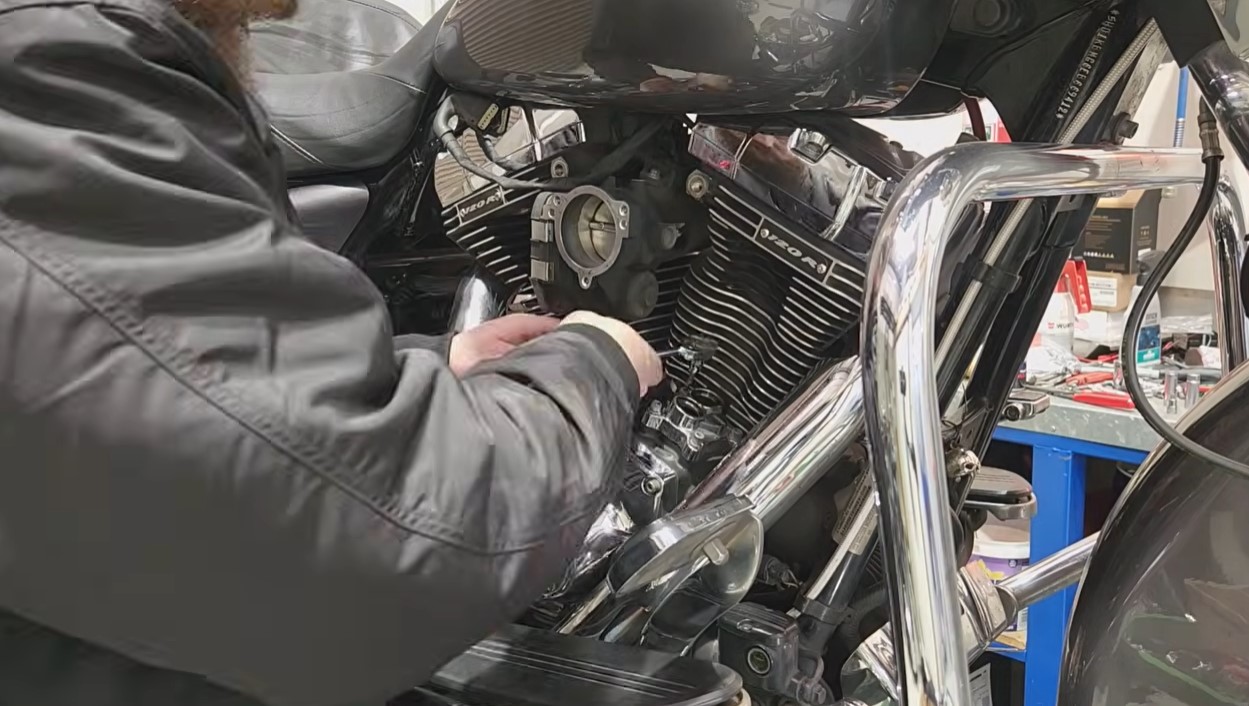
The electronic fuel injection (EFI) system in the Harley 120R engine is essential for optimal performance. However, like any complex system, it is not without its issues.
Understanding common EFI problems and their solutions can help riders maintain their engines effectively.
EFI System Failures
EFI system failures can manifest in various ways, including poor starting, rough idling, and decreased performance. Identifying these symptoms early can prevent further complications and ensure smooth operation of the engine.
Performance Tuning Recommendations
Proper tuning of the EFI system is crucial for maximizing the performance of the 120R engine. Riders should consider working with experienced professionals who can optimize fuel maps and ensure the engine runs smoothly under various operating conditions.
Fuel Quality Considerations
The quality of fuel used in the Harley 120R engine can significantly impact its performance. Riders should prioritize using high-octane fuel to prevent knocking and ensure optimal combustion, especially under heavy loads or high RPM situations.
| Fuel Quality | Impact on Performance | Recommended Octane |
|---|---|---|
| Regular Unleaded | Potential knocking, reduced power | 87 Octane |
| Mid-Grade | Smoother operation, better performance | 89 Octane |
| Premium | Optimal performance, reduced knocking | 91 Octane+ |
This table illustrates the differences in fuel quality and its impact on engine performance. Using high-quality fuel can improve the riding experience and prolong the life of the engine, making it a worthwhile investment for any Harley 120R owner.
Recommendations for Long-Distance Riding
Riding long distances on a Harley 120R engine requires careful planning and consideration. Understanding best practices for long trips can enhance the overall riding experience and minimize potential issues.
Riding Style Considerations
Riders should adopt a riding style that minimizes strain on the engine, such as varying speeds and avoiding prolonged high RPM operation. This approach can help maintain engine temperature and reduce the risk of overheating.
Maintenance Before Long Trips
Prior to embarking on a long-distance journey, thorough maintenance checks are essential. This includes inspecting the cooling system, oil levels, and lifters to ensure everything is in optimal condition before hitting the road.
Tools and Gear Suggestions
Carrying essential tools and gear can make a significant difference during long trips. Riders should consider bringing a basic tool kit, spare fuses, and extra oil to address any minor issues that may arise during their journey.
| Pre-Ride Inspection | Checklist Item |
|---|---|
| Fluid Levels | Check oil and coolant levels |
| Tires | Inspect for wear and proper inflation |
| Brakes | Test brakes for responsiveness |
This table presents a pre-ride inspection checklist that can help riders ensure their Harley 120R is ready for long-distance travel. By conducting these checks, riders can minimize the risk of unexpected breakdowns and enjoy a smoother journey.
User Experiences and Testimonials
Real-world experiences from riders who have owned or operated the 120R engine provide valuable insights into its performance and reliability. Understanding both positive and negative experiences can help potential buyers make informed decisions.
Positive Experiences
Many riders report thrilling performance and exhilarating acceleration with the 120R engine. Users often highlight the engine’s power delivery as a key strength, making it a favorite for both daily riding and special events.
Issues Reported
On the downside, some riders have encountered issues such as lifter failures, overheating, and crankshaft concerns. Sharing these experiences within the community can lead to better awareness and strategies for addressing common problems.
Recommendations from the Community
Riders frequently recommend upgrading lifters and ensuring proper cooling systems to enhance the reliability of the 120R engine. Engaging with the community can provide valuable insights and support for those navigating ownership challenges.
| User Experience | Feedback |
|---|---|
| Thrilling Performance | “Unmatched power and acceleration!” |
| Overheating Issues | “Had to upgrade my cooling system.” |
| Lifter Failures | “Switched to S&S lifters, no problems since.” |
This table summarizes user experiences, highlighting both the joys of riding a 120R engine and the challenges faced by owners. By understanding these experiences, potential buyers can make more informed decisions and take proactive measures to enhance their ownership experience.
FAQ About Harley 120R Engine Problems
What are the common problems with the Harley 120R engine?
The Harley 120R engine commonly experiences issues such as lifter failures, overheating, and crankshaft and bearing problems. Riders have reported ticking noises from lifters, excessive heat generation during rides, and occasional crankshaft misalignment.
Understanding these issues is crucial for maintenance and ensuring a reliable riding experience.
How can I improve the cooling system of my 120R engine?
To enhance the cooling system of the Harley 120R engine, consider installing additional oil coolers or fan-assisted cooling systems. Regular maintenance, such as checking coolant levels and ensuring proper airflow, can also help mitigate overheating issues.
Adopting a riding style that avoids prolonged high RPM operation can further aid in maintaining optimal engine temperature.
What lifters should I upgrade to for better reliability?
For improved reliability in the Harley 120R engine, many riders recommend upgrading to S&S or Woods lifters. These options are known for their durability and performance, reducing the likelihood of premature wear and failure compared to the stock SE lifters.
Regular inspections and maintenance can also help ensure lifter longevity.
How often should I perform maintenance on the 120R engine?
Regular maintenance for the Harley 120R engine should be conducted every 3,000 to 5,000 miles, including oil changes, lifter inspections, and coolant checks. Additionally, riders should monitor the engine for signs of overheating or unusual noises, addressing any issues promptly to prevent further damage.
Can I take a 120R engine on long-distance trips without issues?
While the Harley 120R engine can handle long-distance trips, it requires careful planning. Riders should adopt a riding style that varies speeds, perform thorough maintenance checks before journeys, and carry essential tools and gear.
Being mindful of the engine’s limitations and monitoring temperature can enhance the long-distance riding experience.
Conclusion
In conclusion, while the Harley 120R engine delivers impressive performance and power, it is not without its challenges. Being aware of the common problems and their solutions is essential for any owner or prospective buyer.
Regular maintenance, timely upgrades, and understanding the engine’s limitations can significantly enhance the riding experience. By following the recommendations outlined in this article, you can ensure that your Harley 120R engine remains a source of joy rather than frustration.