
Yes, motorcycles have oil filters. When considering the question, ‘Do Motorcycles Have Oil Filters?’, the answer is a definitive yes. These components are critical for engine health.
Motorcycles, like their four-wheeled counterparts, rely on oil to lubricate their engines. The oil filter plays a pivotal role in this process by trapping dirt, debris, and metal shavings that could otherwise harm the engine. Keeping the engine free from contaminants not only prolongs its life but also ensures the motorcycle runs smoothly and efficiently.
Regularly changing the oil and filter is part of essential motorcycle maintenance. This practice keeps your engine in top condition, enhances performance, and can help prevent costly repairs down the line. Riders should refer to their motorcycle’s owner manual to understand the specific maintenance schedule for their model. A well-maintained oil filter is key to the longevity and reliability of your motorcycle’s engine.

The Importance Of Oil Filters In Motorcycles
Oil filters play a crucial role in maintaining the health and longevity of motorcycle engines. These components are responsible for trapping contaminants and debris that could otherwise circulate through the engine causing abrasion and wear. Consistent filtration ensures that only clean oil lubricates the moving parts, thus reducing the risk of damage and maintaining optimal performance.
Ignoring the use of oil filters can have detrimental effects on motorcycle engines. Without a filter, particles and sludge build-up, which can lead to premature engine wear, reduced efficiency, and even complete engine failure. Regular maintenance and filter replacement are necessary to prevent these costly issues.
| Type of Oil Filter | Description |
|---|---|
| Cartridge Filters | These are replaceable elements that fit into a permanent housing within the engine. |
| Spin-on Filters | Spin-on filters are self-contained units that can be easily screwed on and off for replacement. |
| Magnetic Filters | Magnetic oil filters use a magnetic component to attract and hold metallic particles. |
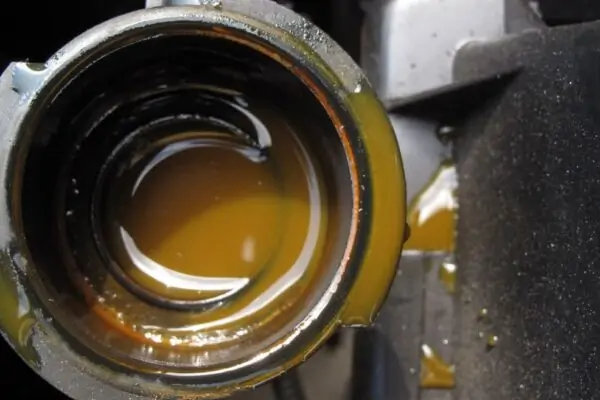
Credit: amsoilasiapacific.com
How Oil Filters Function In Motorcycles
Motorcycle oil filters serve a crucial role in engine protection, as they capture contaminants and prevent wear and tear on engine components. Inside each filter, oil circulates through a filtering medium which traps particles and debris effectively. This process maintains optimal engine lubrication by ensuring only clean oil flows through the motorcycle’s engine units.
Fuel Leaking From Carburetor Overflow
Typically, materials such as synthetic fibers, cellulose, or a blend of both are utilized in the construction of the filtering medium. These materials are specifically chosen for their ability to filter out impurities while maintaining oil flow efficiency. The durability and quality of these materials play a significant role in filtering performance and longevity.
- The quality of filtering media determines the efficacy of impurity removal.
- Oil filter design influences the total surface area available for filtration and the overall filtration capacity.
- Operating conditions, such as temperature and pressure, can impact the filter’s functionality and its service life.
- Regular maintenance and timely replacement are essential to sustain peak engine performance.
Choosing The Right Oil Filter For Your Motorcycle
Choosing the right oil filter for your motorcycle ensures that your engine runs smoothly and maintains longevity. Different oil filter types cater to various performance requirements. Cartridge filters are widely used due to their easy disposal and replacement process, making them an environmentally friendly option. On the other side, spin-on filters are beloved for their convenience, as they house the filter media, anti-drain back valve, and bypass valve all in one unit.
Determining the compatibility with motorcycle models is crucial. Manufacturers often provide specific part numbers and fitment guides to match filters to engine requirements. Cross-referencing these details with your motorcycle’s specifications ensures you select a filter that suits your bike’s needs.
Trust and quality are paramount when choosing a brand. Renowned manufacturers like K&N, Bosch, and FRAM have a steady reputation for producing reliable and durable filters. These brands commit to rigorous testing and quality control, giving riders peace of mind about their motorcycle’s performance and protection.
Frequently Asked Questions For Do Motorcycles Have Oil Filters
When Should I Change The Oil Filter On My Motorcycle?
Change your motorcycle oil filter every oil change or every 3,000 to 5,000 miles, adhering to your owner’s manual recommendations. Regular maintenance ensures optimal engine performance and longevity.
Are Motorcycle Oil Filters Different Than Car Oil Filters?
Motorcycle oil filters and car oil filters are designed differently. They vary in size, filter media, and construction to suit specific engine requirements and space constraints. Always use the filter recommended for your vehicle type.
Can You Change Motorcycle Oil Filter Without Changing Oil?
Yes, you can change a motorcycle oil filter without changing the oil, but it’s not typical practice. Doing so may lead to some oil loss during the process. It’s advisable to replace the filter as part of a regular oil change routine.
Can I Reuse My Motorcycle Oil Filter?
No, it’s not recommended to reuse your motorcycle oil filter. Always replace it with a new one during an oil change to ensure your engine’s longevity and performance.
Conclusion
To sum up, do motorcycles have oil filters? Indeed, motorcycles utilize oil filters, which are a crucial component for engine upkeep and performance. Regularly replacing your motorcycle’s oil filter will safeguard engine parts and ensure a smoother ride. Attention to oil filter maintenance can mean the difference between a bike that’s running optimally and costly repairs down the road.
Remember, a clean filter is key to a healthy motorcycle.