
This article delves into the fascinating world of Motorcycle Clubs Worldwide across the globe, showcasing the unique cultures, histories, and activities associated with these groups. From the notorious outlaw clubs that have made headlines for their involvement in crime to the charitable organizations that promote community and safety, motorcycle clubs embody a diverse range of ideals and lifestyles.
The introduction sets the stage for understanding the significance of these clubs in the motorcycle community, their social dynamics, and how they have evolved over time. Many misconceptions surround these groups, and it is crucial to recognize the positive contributions that many clubs make to society.
The Origins of Motorcycle Clubs
The history of motorcycle clubs can be traced back to the post-World War II era in the United States. Following the war, many veterans found themselves struggling to reintegrate into civilian life.
The camaraderie and adventure experienced during the war compelled them to seek out similar connections in their post-war existence. This led to the formation of the first motorcycle clubs, aiming to replicate the brotherhood of military service.
Post-War Veterans and the Birth of the Biker Movement
The aftermath of World War II marked the genesis of the modern motorcycle club movement. Veterans returned home with a sense of dislocation and sought companionship, leading to the establishment of numerous motorcycle clubs.
These clubs provided a community where members could bond over shared experiences and a love for riding.
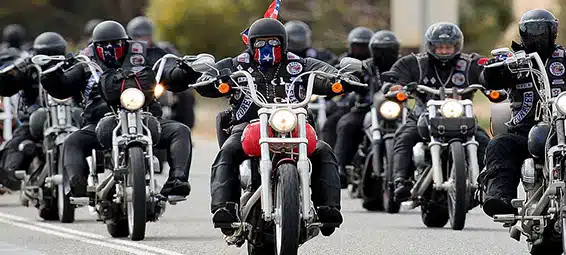
Early Clubs: Boozefighters and Hells Angels
Among the first clubs were the Boozefighters and Hells Angels, both founded in the mid-20th century. The Boozefighters MC, established in 1946, gained notoriety for their participation in early biker rallies.
Similarly, the Hells Angels, founded in 1948, became synonymous with the outlaw biker culture, embodying the rebellious spirit of the era. These early formations laid the groundwork for the diverse array of motorcycle clubs that exist today.
Evolution of Club Identity
As motorcycle clubs proliferated, their identities began to evolve. Some clubs embraced outlaw status, rejecting mainstream societal norms, while others focused on community service and charity work.
This dichotomy created a spectrum of motorcycle cultures, from the infamous outlaw clubs to family-oriented riding clubs.
| Year Founded | Club | Founders | Initial Goals |
|---|---|---|---|
| 1946 | Boozefighters | William Clyde Forkner Jr. | Brotherhood and camaraderie |
| 1948 | Hells Angels | World War II Veterans | Freedom and adventure |
The timeline above highlights the foundational years of two of the earliest motorcycle clubs in the United States. The Boozefighters, founded in 1946 by a group of World War II veterans, aimed to foster a sense of brotherhood and community among riders.
Their participation in early motorcycle rallies helped establish the culture surrounding motorcycle clubs. Similarly, the Hells Angels, formed in 1948, sought to create a space for adventure and freedom, becoming emblematic of the outlaw biker lifestyle.
These clubs not only influenced the formation of future motorcycle groups but also set the stage for the complex dynamics between different clubs and their varying identities.
Notable Outlaw Motorcycle Clubs
The world of motorcycle clubs is often overshadowed by the existence of notorious outlaw groups. Clubs such as the Hells Angels, Bandidos, and Mongols have gained infamy for their criminal activities and violent rivalries.
Despite their reputation, these clubs also play significant roles in their communities and foster a strong sense of brotherhood among members.
Hells Angels: The Iconic Biker Club
The Hells Angels Motorcycle Club is perhaps the most recognized motorcycle club worldwide. Established in 1948, the club operates in over 56 countries with an estimated membership of 4,500.
Known for their distinctive winged skull emblem, the Hells Angels are often associated with various criminal activities, including drug trafficking and racketeering. However, they also engage in charitable activities, hosting events to raise funds for local causes.
The Hells Angels epitomize the duality of motorcycle clubs—celebrated for their rebellious spirit while scrutinized for their alleged criminality.
Bandidos: A Global Presence
Founded in 1966 in Texas, the Bandidos Motorcycle Club has expanded into a significant global player in the outlaw motorcycle scene, with chapters in 22 countries and approximately 2,400 members. Their motto, “We are the people your parents warned you about,” reflects their image and attitude.
The Bandidos have been involved in various criminal enterprises, including drug smuggling, and are known for their rivalry with the Hells Angels. Despite their controversial reputation, the Bandidos also contribute to their communities through charity events and outreach programs.
Mongols: Defying the Status Quo
The Mongols Motorcycle Club, founded in 1969, has developed a reputation for resilience and defiance against established motorcycle clubs, especially the Hells Angels. With an estimated membership of around 2,000, the Mongols have successfully expanded their presence across the United States and internationally.
They are known for their involvement in organized crime but also emphasize brotherhood and loyalty. The Mongols represent a unique aspect of motorcycle club culture, showcasing the complexities of identity and reputation within the biker community.
| Club | Year Founded | Membership | Key Activities |
|---|---|---|---|
| Hells Angels | 1948 | 4,500+ | Charity events, drug trafficking |
| Bandidos | 1966 | 2,400+ | Charity rides, drug smuggling |
| Mongols | 1969 | 2,000+ | Organized crime, community outreach |
The data presented in the table illustrates the significant scale and influence of these three prominent outlaw motorcycle clubs. The Hells Angels, with the largest membership, are often at the forefront of media attention due to their extensive activities and global reach.
Meanwhile, the Bandidos and Mongols, while slightly smaller, have established themselves as formidable forces in their own right, actively participating in both criminal enterprises and community charitable endeavors. This highlights a complex narrative of outlaw motorcycle clubs, where their public personas are often intertwined with both rebellion and philanthropy.
The Culture of Brotherhood and Loyalty
At the heart of motorcycle clubs lies a culture steeped in brotherhood, loyalty, and a distinct identity. Members often share an unbreakable bond, forged through shared experiences on the open road.
The significance of club patches and colors also plays a crucial role in defining this culture.
The Meaning Behind Club Patches
Club patches serve as badges of honor and identity for members. They signify belonging, loyalty, and rank within the club hierarchy.
A typical patch may include the club’s name, logo, and sometimes the geographic location of the chapter. The design of a patch can also convey deeper meanings, with elements representing the club’s ethos and values.
Brotherhood: More Than Just Riding
Brotherhood in motorcycle clubs transcends mere shared interest in riding. It encompasses a commitment to one another, often described as a family-like bond.
This sense of loyalty is integral to club culture, as members support each other in both personal and club-related endeavors. The notion of having each other’s backs fosters a strong sense of community among members.
Hierarchy and Governance in Clubs
Most motorcycle clubs have a defined hierarchy, which typically includes positions such as president, vice-president, secretary, and treasurer. This structure helps maintain order and facilitates decision-making within the club.
Leadership roles often come with responsibilities that members must fulfill, reinforcing the importance of commitment and accountability within the biker community.
| Rank | Description | Responsibilities |
|---|---|---|
| President | Club leader | Sets club policy, represents the club in public |
| Vice-President | Assistant to the president | Supports the president, takes charge in their absence |
| Treasurer | Financial manager | Handles club finances, manages funds |
| Secretary | Record keeper | Maintains club documentation, manages communication |
The table above outlines the primary ranks found in many motorcycle clubs, along with their descriptions and responsibilities. This hierarchy is fundamental to the operation of the club, ensuring that roles are clearly defined and that each member understands their duties.
The president, as the primary leader, holds significant influence over club direction and policy, while the vice-president provides essential support. This structured governance fosters accountability and helps maintain the club’s core values of loyalty and brotherhood.
The Role of Women in Motorcycle Clubs
The role of women in motorcycle clubs has evolved significantly over the years. While traditionally male-dominated, many clubs now recognize the contributions of female riders, leading to the emergence of female-only clubs as well as increased representation within co-ed clubs.
Historical Context of Women in Biker Culture
Historically, women in motorcycle culture were often relegated to supportive roles. However, as social norms have shifted, women have increasingly taken on more active and leadership roles within clubs.
This transformation has been fueled by the rise of female-centric clubs and a growing recognition of women’s rights within the broader motorcycle community.
Prominent Female Clubs: Women in the Wind
One notable example of a female motorcycle club is Women in the Wind, founded in 1979. This organization focuses on empowering women riders, promoting safe riding practices, and providing a supportive community for female motorcyclists.
Clubs like Women in the Wind exemplify the changing landscape of motorcycle culture, where women are celebrated as equal participants in the riding experience.
Gender Dynamics in Outlaw Clubs
Despite the progress made, gender dynamics in some outlaw motorcycle clubs remain complex. Many of these clubs still adhere to traditional norms that can marginalize women.
However, there are increasing instances of women challenging these boundaries, asserting their presence, and gaining recognition within male-dominated spaces.
| Club | Year Founded | Focus |
|---|---|---|
| Women in the Wind | 1979 | Empowerment of female riders |
| Motor Maids | 1940 | Community for women riders |
The table highlights significant female motorcycle clubs that have contributed to the evolution of women’s roles in biking culture. Women in the Wind, founded in 1979, serves as a platform for female empowerment within the motorcycle community, while the Motor Maids, established in 1940, showcases the historical presence and dedication of women riders.
These clubs are not only pivotal in promoting female involvement in motorcycling but also help to reshape the overall culture, fostering inclusivity and support for all riders.
Charity and Community Engagement
Despite the often negative portrayal of motorcycle clubs in the media, many organizations actively engage in charitable activities. These clubs aim to improve their public image while genuinely contributing to their communities through various initiatives.
Charity Rides and Events
Charity rides are a hallmark of many motorcycle clubs, offering opportunities for members to raise funds for various causes. Events such as toy runs, cancer fundraisers, and disaster relief initiatives illustrate the clubs’ commitment to community service.
These events not only provide financial assistance to those in need but also foster camaraderie among participants and promote a positive image of motorcycling culture.
Community Support Initiatives
In addition to organized rides, many clubs participate in community support initiatives. This may include volunteering for local charities, sponsoring youth programs, or providing assistance during community crises.
By actively engaging in philanthropy, motorcycle clubs work to counteract the negative stereotypes often associated with their identity.
The Impact of Charitable Work
The charitable work performed by motorcycle clubs has a significant impact on both the communities they serve and their own members. By participating in acts of service, clubs cultivate a sense of pride and belonging among their members while simultaneously providing valuable support to those in need.
This dual benefit underscores the importance of recognizing the positive aspects of motorcycle culture.
| Event | Club Involved | Funds Raised |
|---|---|---|
| Toys for Tots | Hells Angels | $50,000+ |
| Annual Charity Ride | Bandidos | $100,000+ |
The above table provides insight into the charitable contributions made by prominent motorcycle clubs. The Hells Angels, through their involvement in the Toys for Tots event, raised over $50,000, exemplifying their commitment to community service.
Similarly, the Bandidos’ Annual Charity Ride, which generated more than $100,000, demonstrates the club’s dedication to making a positive difference. These figures reflect the genuine efforts of motorcycle clubs to engage in charitable work, countering the often negative perceptions associated with their identities.
Regional Variations in Motorcycle Club Culture
The culture of motorcycle clubs varies significantly across different regions of the world. Each area has unique characteristics shaped by local customs, laws, and social dynamics that influence the formation and operation of motorcycle clubs.
U.S. Motorcycle Clubs and Their Influence
In the United States, the motorcycle club culture is deeply rooted in history, with many clubs tracing their origins back to the post-war era. The Hells Angels, Bandidos, and other notable clubs have established a strong presence, influencing the global perception of motorcycle culture.
The U.S. is home to a diverse array of clubs, each with its distinct identity, ranging from outlaw organizations to family-oriented riding groups.
The European Scene: Germany and the Netherlands
In Europe, motorcycle clubs have become increasingly popular, with countries like Germany and the Netherlands hosting numerous outlaw and riding clubs. The German motorcycle club scene, characterized by a mix of local and international clubs, faces stringent regulations and law enforcement scrutiny.
In the Netherlands, clubs like Satudarah and No Surrender have garnered attention for their controversial activities, reflecting the complex dynamics of biker culture in Europe.
Emerging Clubs in Asia
Asia has seen a rise in motorcycle club activity, with countries like Indonesia and Thailand witnessing the emergence of both local and international clubs. The growth of motorcycle culture in these regions is influenced by a combination of Western biker traditions and local customs, creating a unique blend of identities.
Clubs in Asia are gradually gaining recognition, contributing to the global motorcycle community while navigating societal challenges.
| Region | Notable Clubs | Cultural Characteristics |
|---|---|---|
| United States | Hells Angels, Bandidos | Strong emphasis on brotherhood and loyalty |
| Germany | Gremium, Hells Angels | Strict regulations and law enforcement scrutiny |
| Asia | Mongols, Satudarah | Blend of Western and local biker traditions |
The table above summarizes the regional variations in motorcycle club culture, highlighting notable clubs and their cultural characteristics. In the United States, clubs like the Hells Angels and Bandidos emphasize brotherhood and loyalty, reflecting the historical roots of the biker community.
In Germany, clubs face strict regulations, which impact their operations and interactions with law enforcement. Meanwhile, in Asia, the blend of Western and local traditions fosters a unique motorcycle culture, showcasing the adaptability and evolution of biker identities across different regions.
The Challenges and Legal Issues Facing Motorcycle Clubs
Motorcycle clubs often find themselves embroiled in legal challenges and controversies, particularly those labeled as outlaw organizations. The scrutiny from law enforcement and the media can create a challenging environment for clubs seeking to maintain their identities while navigating societal perceptions.
Legal Battles and Law Enforcement Tactics
Many outlaw motorcycle clubs face legal battles stemming from allegations of organized crime, drug trafficking, and violent incidents. Law enforcement agencies actively monitor the activities of these clubs, leading to frequent raids and arrests.
The legal repercussions can significantly impact the membership and operations of these clubs, often resulting in increased scrutiny and stigmatization in society.
Inter-Club Rivalries: A History of Conflict
Rivalries between different motorcycle clubs have historically led to violent confrontations, contributing to the outlaw image associated with many clubs. Notable incidents, such as the Waco shootout in Texas, showcase the potential for violence within the motorcycle community.
These rivalries often stem from territorial disputes and competition for dominance within the biker culture.
Public Perception and Media Representation
The portrayal of motorcycle clubs in the media often skews towards sensationalism, focusing on criminal activities rather than the positive contributions many clubs make to their communities. This negative representation can perpetuate stereotypes and hinder efforts by clubs to engage in charitable work and community outreach.
Addressing public perception remains a significant challenge for many motorcycle clubs.
| Issue | Impact | Examples |
|---|---|---|
| Legal Battles | Increased scrutiny, potential arrests | Waco shootout, Hells Angels raids |
| Inter-Club Rivalries | Violence, negative public image | Biker wars in Quebec |
| Media Representation | Stereotyping, misunderstanding | Negative portrayals in films |
The table above outlines key challenges facing motorcycle clubs, including legal battles, inter-club rivalries, and media representation. Legal issues can lead to increased scrutiny and arrests, as seen in high-profile incidents like the Waco shootout.
Inter-club rivalries often result in violence, further perpetuating negative stereotypes within the biker community. Additionally, the media’s portrayal of motorcycle clubs can hinder their efforts to engage positively with their communities, highlighting the need for a shift in public perception to recognize the diverse experiences within motorcycle culture.
The Future of Motorcycle Clubs
As societal attitudes towards motorcycle culture evolve, the future of motorcycle clubs is positioned at a crossroads. Changing demographics, technological advancements, and shifting societal norms will shape the trajectory of these organizations in the coming years.
Trends in Membership Growth
Membership in motorcycle clubs appears to be on the rise, with younger generations showing increased interest in biking culture. This growth can be attributed to a renewed appreciation for outdoor activities and the sense of community offered by motorcycle clubs.
Clubs are adapting to attract new members by embracing more inclusive policies and promoting safe riding practices.
The Influence of Technology on Biking Culture
Technological advancements have begun to influence motorcycle culture significantly. From improved safety features in motorcycles to the use of social media for club organization and outreach, technology is reshaping how clubs operate.
Online platforms enable clubs to connect with potential members, organize events, and promote their activities more effectively.
Evolving Club Structures and Norms
The traditional structures and norms of motorcycle clubs are evolving to reflect changing societal values. Many clubs are becoming more inclusive, welcoming women and diverse racial backgrounds, which contributes to a richer and more vibrant club culture.
As clubs adapt to these changes, they may redefine their identities while maintaining the core values of brotherhood and loyalty.
| Trend | Expected Impact | Examples |
|---|---|---|
| Membership Growth | Increased diversity and inclusion | Young riders joining clubs |
| Technology Integration | Enhanced organization and outreach | Social media campaigns |
| Evolving Norms | More inclusive club environments | Female and multicultural clubs |
The data presented in the table illustrates anticipated trends in motorcycle club culture. Membership growth is expected to foster increased diversity and inclusion within clubs, as younger riders embrace the motorcycle lifestyle.
Technological integration will enhance organizational efficiency and outreach, enabling clubs to connect more effectively with their communities. Additionally, evolving norms reflect a shift towards more inclusive environments, as clubs adapt to changing societal values, ensuring their relevance in a modern context.
FAQs on Motorcycle Clubs Worldwide
What are the most notorious outlaw motorcycle clubs?
Some of the most notorious outlaw motorcycle clubs include the Hells Angels, Bandidos, Pagans, and Mongols. These clubs have a reputation for engaging in organized crime and violent behavior.
The Hells Angels, founded in 1948, are perhaps the most recognized globally, while the Bandidos have a significant presence in multiple countries and are known for their slogan, “We are the people your parents warned us about.” The Mongols and Pagans are also infamous for their rivalries and criminal activities, making them prominent figures in the outlaw motorcycle culture.
How do motorcycle clubs differ from riding clubs?
Motorcycle clubs (MCs) typically have a formal structure, strict rules, and often pursue a specific ethos or mission. In contrast, riding clubs (MCCs) tend to be more relaxed and focus primarily on the social aspects of motorcycling.
While MCs often have a hierarchy and may engage in more serious activities, MCCs are generally more inclusive and less focused on organized crime or exclusivity.
What is the significance of a 1% patch?
The 1% patch signifies a motorcycle club’s membership in the “outlaw” category, indicating that they operate outside the norms established by the American Motorcyclist Association, which claims that 99% of motorcyclists are law-abiding. Clubs that wear this patch often engage in activities considered illegal or outside societal norms, solidifying their identity as nonconformists within the larger motorcycle community.
Are all motorcycle clubs involved in criminal activities?
No, not all motorcycle clubs are involved in criminal activities. While some clubs, particularly outlaw motorcycle gangs, have gained notoriety for illegal activities, many other clubs focus on community service, charity work, and promoting safe riding practices.
Clubs like the American Motorcycle Association promote a positive image of motorcycling and welcome riders of all skill levels.
How can someone join a motorcycle club?
Joining a motorcycle club typically involves finding a local chapter, attending meetings, and getting to know current members. Most clubs have a prospecting period where potential members must demonstrate their commitment and fit within the club’s culture.
The specific requirements and processes for joining vary by club, reflecting their unique values and traditions.
What does it mean to be a “prospect” in a motorcycle club?
A “prospect” is a potential member of a motorcycle club who is undergoing a trial period. During this time, they must prove their loyalty, commitment, and compatibility with the club’s culture before being allowed to become a full member.
The prospecting process may involve specific tasks and activities designed to integrate the individual into the club.
What are some famous charity events organized by motorcycle clubs?
Many motorcycle clubs organize charity events, such as toy runs, cancer fundraising rides, and community outreach initiatives. Notable examples include the Hells Angels’ involvement in the Toys for Tots program and the Bandidos’ annual charity ride.
These events showcase the positive contributions of motorcycle clubs and help improve their public image while providing valuable assistance to those in need.
How do motorcycle clubs maintain their identity and culture?
Motorcycle clubs maintain their identity and culture through a combination of traditions, rituals, and symbols. This includes wearing club colors, participating in group rides, and adhering to established hierarchies and codes of conduct.
The shared experiences and values among members reinforce their bond and commitment to the club, helping to preserve their unique identity within the larger motorcycle community.
Conclusion
The rich tapestry of motorcycle club culture worldwide reflects a diversity of experiences, values, and identities. From the notorious outlaw clubs that garner significant media attention to the many organizations dedicated to community service, motorcycle clubs represent a unique intersection of freedom, brotherhood, and societal engagement.
By understanding the complexities and contributions of these clubs, we can appreciate their role in shaping the motorcycle community and recognize the positive impact they have on society despite the stereotypes often portrayed in popular media.