
Replacing the starter on a Harley Davidson motorcycle is a crucial maintenance task that many owners may face at some point. This article provides an in-depth look at the costs associated with starter replacement, covering everything from average parts and labor costs to factors influencing these expenses.
It also examines the pros and cons of DIY replacement versus hiring a professional mechanic, along with the benefits of regular maintenance to extend the lifespan of your motorcycle’s starter. By the end of this comprehensive guide, you’ll be well-equipped with the knowledge to make informed decisions regarding Harley Davidson Starter Replacement Cost.
Understanding Harley Davidson Starters
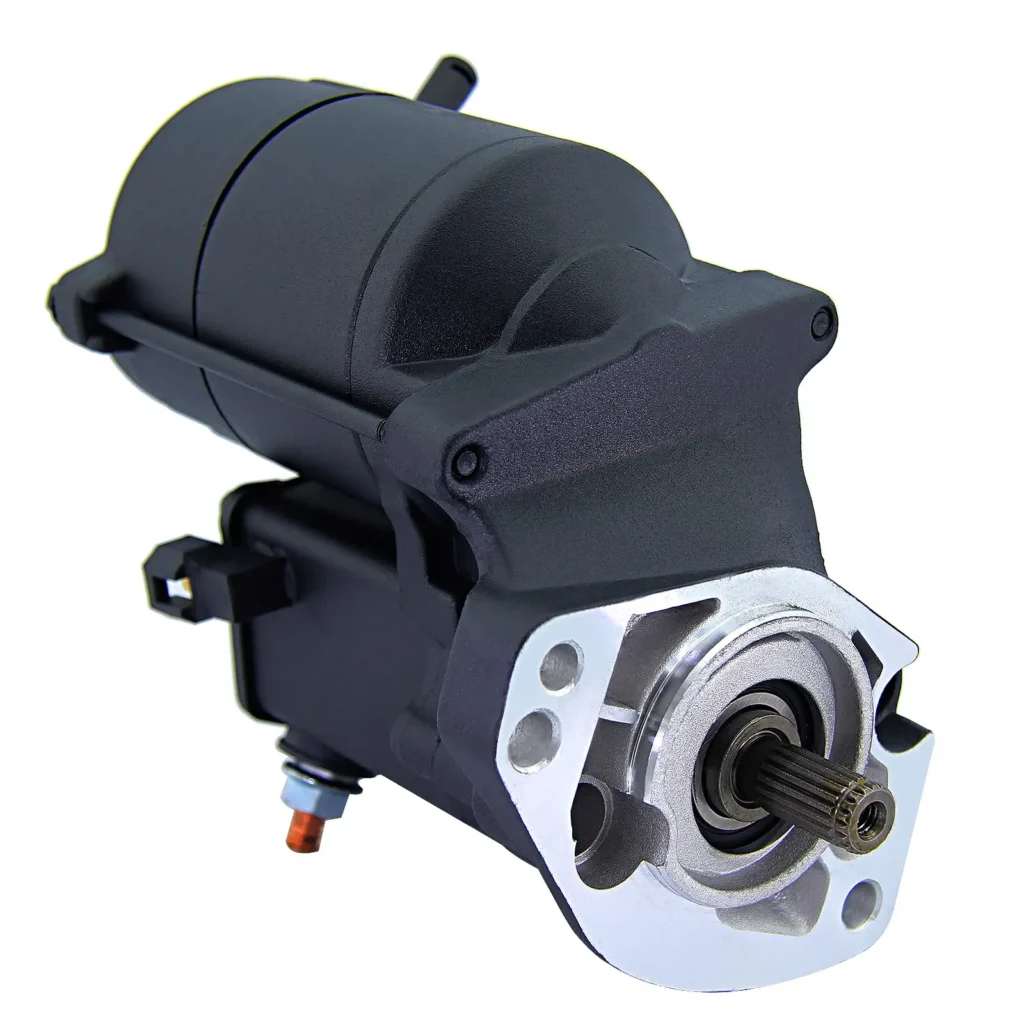
The starter is a vital component of any motorcycle, including Harley Davidson models, as it initiates the engine’s operation. When you turn the ignition key or press the start button, the starter engages to crank the engine, allowing it to start running.
Understanding how starters work is essential for motorcycle owners, especially when it comes to maintenance and replacement.
How Starters Work
Starters function by converting electrical energy from the battery into mechanical energy to crank the engine. This process involves a solenoid that engages the starter motor when the ignition is activated.
The motor then spins the engine flywheel, enabling the engine to start. Harley Davidson starters are designed to handle the unique demands of their engines, providing robust performance and reliability.
Common Symptoms of Starter Issues
Recognizing the signs of a failing starter can save you from being stranded. Common symptoms include:
- Clicking sound when attempting to start the motorcycle.
- Engine turning over slowly or not at all.
- Intermittent starting issues.
- Burning smell or smoke from the starter area.
If you experience any of these issues, it may be time to consider a starter replacement.
Importance of Timely Replacement
Timely replacement of a failing starter is crucial to avoid being stranded and to ensure the overall reliability of your Harley Davidson. Delaying replacement can lead to further electrical issues or damage to the battery and ignition system.
Regular maintenance checks can help identify starter issues before they become critical, ensuring hassle-free rides.
Statistics indicate that starters can fail at a rate of 10-15% for motorcycles, depending on usage and environmental factors. Thus, understanding the role and importance of the starter can help you maintain the longevity of your motorcycle.
Cost Breakdown of Starter Replacement
The cost of replacing a Harley Davidson starter can vary significantly based on several factors, including model year, type of starter, and whether you opt for OEM or aftermarket parts. This section provides a detailed cost breakdown to help you budget for this essential maintenance task.
Average Parts Cost
The average cost for a new starter ranges from $200 to $361, depending on the model and whether you choose OEM or aftermarket options. For example, a standard replacement starter for Harley Davidson motorcycles can be found at prices like:
| Type | Average Cost |
|---|---|
| OEM Starter | $361.03 |
| Aftermarket Starter | $200.24 – $258.99 |
This table highlights that OEM starters are typically more expensive than aftermarket options. However, many riders prefer OEM parts due to their reliability and warranty coverage.
Labor Costs at Dealerships vs. Independent Shops
Labor costs can vary based on where you choose to have the replacement performed. Dealerships may charge between $400 and $600 for labor, while independent shops usually offer lower rates ranging from $100 to $300.
For example, one Harley owner noted that the total cost for parts and labor at a dealership could reach $700 depending on the model and complications involved.
| Service Provider | Estimated Labor Cost |
|---|---|
| Dealership | $400 – $600 |
| Independent Shop | $100 – $300 |
This comparison indicates that opting for an independent shop can lead to significant savings on labor costs. However, it is essential to ensure that the shop has experience with Harley Davidson motorcycles to avoid potential issues.
Hidden Costs to Consider
When budgeting for a starter replacement, it’s important to consider potential hidden costs such as:
- Battery replacement if the battery is also weak.
- New wiring or connectors if they are corroded or damaged.
- Diagnostic fees if you are unsure about the starter issue.
These additional costs can add up quickly, so it is advisable to get a thorough inspection before proceeding with a replacement.
DIY vs. Professional Replacement
Deciding whether to replace your Harley Davidson starter yourself or hire a professional can significantly impact your overall costs and satisfaction. This section explores the advantages and disadvantages of each option.
Tools Required for DIY Replacement
For those considering a DIY approach, specific tools will be necessary:
- Socket set (metric sizes)
- Screwdrivers (flathead and Phillips)
- Torque wrench
- Dielectric grease for connections
Having these tools on hand can make the process smoother and more efficient.
Pros and Cons of DIY
DIY replacement can save you hundreds of dollars, but it requires a certain level of mechanical skill and understanding of your motorcycle’s electrical system. Here are the pros and cons:
- Pros: Cost savings, personal satisfaction, and the ability to learn about your motorcycle.
- Cons: Risk of improper installation, potential for further issues if not done correctly, and time-consuming.
When to Hire a Professional
Hiring a professional mechanic is advisable if you lack the necessary tools, experience, or time. Additionally, if your motorcycle has complex electrical systems or if the starter is difficult to access, a professional can ensure a proper and safe installation.
Many mechanics can complete the job in approximately 1-3 hours, depending on the bike model and accessibility.
Factors Affecting Replacement Costs
Several factors can influence the overall cost of replacing a Harley Davidson starter. Understanding these factors can help you make informed decisions when budgeting for repairs or maintenance.
Model-Specific Considerations
Different Harley Davidson models have varying starter designs and installations, which can affect costs. For instance, older models may have simpler designs, while newer models often feature more complex electrical systems requiring specialized knowledge.
Age and Condition of the Motorcycle
The age and overall condition of your motorcycle can also impact replacement costs. Older motorcycles may require additional repairs or modifications during starter replacement, increasing the overall expense.
For example, corroded wiring or connections may need to be replaced simultaneously.
Additional Repairs and Maintenance
If your motorcycle requires other maintenance tasks at the same time, such as a battery replacement or electrical diagnostics, these can add to the overall cost. It’s advisable to assess the motorcycle’s full condition to avoid unexpected expenses in the future.
Aftermarket vs. OEM Starters
When it comes to selecting a starter for your Harley Davidson, you have two main options: OEM (original equipment manufacturer) parts or aftermarket parts. Each has its pros and cons, which can significantly affect your overall satisfaction and budget.
Pros and Cons of Aftermarket Starters
Aftermarket starters can often be more cost-effective than OEM options. However, quality can vary significantly between brands.
Here are some important points:
- Pros: Typically lower cost, availability of various performance options, and potentially more powerful alternatives.
- Cons: Possible quality inconsistencies, lack of warranty, and unknown reliability compared to OEM parts.
Benefits of Using OEM Parts
OEM parts are manufactured by the same company that built your motorcycle and are designed specifically for your model. Here are the benefits:
- Pros: Guaranteed fit and compatibility, usually backed by a warranty, and reliable performance.
- Cons: Generally more expensive than aftermarket parts and limited performance options.
Warranty and Return Policies
When selecting between aftermarket and OEM starters, it’s essential to consider the warranty and return policy. OEM parts typically come with a warranty, providing peace of mind in case of defects.
Aftermarket parts may have varying return policies, so check these before purchasing to avoid complications.
Tips for Extending Starter Life
Maintaining your Harley Davidson’s starter can significantly prolong its lifespan. Here are practical tips to keep your starter in top condition.
Regular Maintenance Practices
Regular maintenance is essential for ensuring your starter’s longevity. This includes checking battery connections, keeping the starter clean, and periodically inspecting wiring for wear and tear.
Signs of Wear to Watch For
It’s crucial to be aware of the signs of wear. These may include unusual noises from the starter, slow cranking, or intermittent starting issues.
Addressing these problems early can prevent more extensive damage.
Battery Care Tips
A well-maintained battery is crucial for starter functionality. Regularly check fluid levels, clean terminals, and ensure that the battery is securely mounted.
Additionally, consider using a battery maintainer during long periods of inactivity to keep the battery charged.
Frequently Asked Questions (FAQs)
What is the average cost to replace a Harley Davidson starter?
The average cost to replace a Harley Davidson starter typically ranges from $600 to $1,000, including both parts and labor. Parts alone can cost between $200 and $361, while labor costs vary based on whether you choose a dealership or an independent mechanic.
Dealerships may charge between $400 and $600 for labor, while independent shops generally charge $100 to $300. These prices can fluctuate based on your motorcycle’s model and any additional repairs needed.
How long does it take to replace a starter?
The time it takes to replace a starter on a Harley Davidson can vary depending on the motorcycle model and the mechanic’s experience. Generally, a professional can complete the replacement in about 1 to 3 hours.
DIY replacements may take longer, especially for those unfamiliar with the motorcycle’s electrical system or if complications arise during the process.
Can I replace the starter myself?
Yes, replacing the starter yourself is possible if you have the necessary tools and mechanical knowledge. The process involves removing the battery and other components to access the starter, followed by the installation of the new starter.
However, if you are not confident in your skills or lack the required tools, hiring a professional mechanic is advisable to avoid potential issues.
What are the signs of a failing starter?
Common signs of a failing starter include a clicking sound when you turn the ignition key, slow cranking of the engine, or the engine not starting at all. Additionally, if you notice any burning smells or smoke coming from the starter area, it may indicate a serious issue that requires immediate attention.
If you experience any of these symptoms, it’s essential to diagnose the problem promptly.
Are aftermarket starters reliable?
Aftermarket starters can be reliable, but their quality can vary significantly between brands. It’s essential to research the manufacturer and read reviews before purchasing.
While aftermarket starters are often more cost-effective, many motorcycle owners prefer OEM parts for guaranteed performance and reliability. Always check warranty and return policies when considering aftermarket options.
Conclusion: Harley Davidson Starter Replacement Cost
Understanding the costs associated with replacing a Harley Davidson starter is crucial for any motorcycle owner. By being informed about the options available, including DIY and professional services, owners can better prepare for this essential maintenance task.
Regular checks and proper care can extend the life of the starter, helping to prevent unexpected breakdowns and expenses. Ultimately, taking proactive steps can ensure a smoother riding experience and keep your Harley Davidson performing at its best.