
The P0151 code is a common diagnostic trouble code (DTC) for Harley-Davidson motorcycles, indicating an issue with the rear oxygen (O2) sensor. When this code is triggered, it signifies that the Engine Control Module (ECM) has detected a low voltage signal from the rear O2 sensor, which can lead to suboptimal engine performance and reduced fuel efficiency.
Understanding the implications of the P0151 code is crucial for Harley owners, as it not only affects the motorcycle’s performance but can also lead to further complications if not addressed promptly. This article will explore the various aspects of the P0151 Harley Code, including its definition, symptoms, common causes, diagnostic procedures, repair options, and preventive measures.
By equipping riders with this knowledge, we aim to help Harley owners maintain optimal engine performance and prevent costly repairs. Additionally, we will address frequently asked questions concerning the P0151 code, providing practical insights for riders.
What is the P0151 Code?
The P0151 code is part of the OBD-II diagnostic trouble codes, specifically indicating a problem with the rear oxygen sensor in Harley-Davidson motorcycles. The ECM monitors the voltage output from the oxygen sensors to assess the air-fuel mixture in the engine.
A signal below a certain threshold from the rear O2 sensor triggers the P0151 code, which often suggests that the engine is running lean. This condition means that there is not enough fuel in the air-fuel mixture, potentially leading to increased engine temperatures and knocking.
Definition of Diagnostic Trouble Codes
Diagnostic trouble codes (DTCs) are alphanumeric codes used by automotive technicians to identify issues in vehicle systems. Each code corresponds to a specific problem, allowing for efficient troubleshooting and repair.
The P0151 code is specifically related to the oxygen sensor’s performance, highlighting a potential malfunction that needs to be addressed.
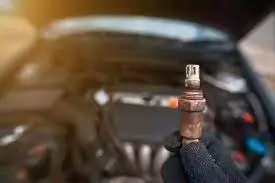
Importance of O2 Sensors in Fuel Management
O2 sensors play a crucial role in modern engine management systems. They monitor the level of oxygen in the exhaust gases and send this information to the ECM.
This data helps the ECM adjust the fuel injection and ignition timing, ensuring optimal combustion and fuel efficiency. A malfunctioning O2 sensor, as indicated by the P0151 code, can lead to performance issues and increased emissions.
Understanding Lean vs. Rich Conditions
In the context of engine performance, “lean” refers to a condition where there is too much air and not enough fuel in the combustion mixture, while “rich” indicates too much fuel and not enough air. The P0151 code suggests a lean condition, which can result in poor engine performance, increased exhaust temperatures, and potential damage if not corrected.
Understanding these conditions is vital for effective troubleshooting.
| DTC Code | Meaning |
|---|---|
| P0131 | Front O2 Sensor Low / Engine Lean |
| P0151 | Rear O2 Sensor Low / Engine Lean |
| P0132 | Front O2 Sensor High / Engine Rich |
| P0152 | Rear O2 Sensor High / Engine Rich |
This table summarizes common DTC codes related to oxygen sensor performance. Each code indicates a specific issue with the respective sensor, which can lead to various performance problems in the motorcycle.
For instance, both P0131 and P0151 indicate a lean condition, while P0132 and P0152 indicate a rich condition. Understanding these codes can guide technicians in diagnosing fuel management issues effectively.
Symptoms of P0151 Code
When the P0151 code is triggered, riders may notice several symptoms that can impact the motorcycle’s performance. Recognizing these signs early can help in diagnosing the issue and preventing further complications.
Engine Performance Issues
One of the most noticeable symptoms associated with the P0151 code is a decline in engine performance. Riders may experience a lack of power, rough idling, or stalling, particularly during acceleration or deceleration.
These issues arise due to the improper air-fuel mixture resulting from the malfunctioning O2 sensor.
Check Engine Light Activation
The activation of the check engine light (CEL) is often the first indication that something is wrong with the motorcycle. When the P0151 code is triggered, the CEL illuminates, alerting the rider to investigate further.
Ignoring this warning can lead to more severe engine problems.
Variations in Fuel Efficiency
Another common symptom of the P0151 code is a noticeable decrease in fuel efficiency. Riders may observe that they are refueling more frequently than usual, as the engine’s lean condition can cause it to consume more fuel in an attempt to maintain power.
Studies have shown that a malfunctioning O2 sensor can lead to a fuel efficiency decrease of approximately 10-15%.
| Symptom | Impact |
|---|---|
| Engine Performance Issues | Decline in power, rough idling, stalling |
| Check Engine Light Activation | Immediate warning to investigate the issue |
| Variations in Fuel Efficiency | Increased frequency of refueling; potential 10-15% decrease |
This table highlights the primary symptoms associated with the P0151 code and their impact on the motorcycle’s performance. Recognizing these symptoms can assist riders in identifying when to seek professional diagnosis and repair.
For example, if a rider experiences rough idling and a noticeable drop in fuel efficiency, they should consider having their O2 sensors checked to avoid further engine complications.
Common Causes of P0151 Code
The P0151 code can be triggered by various factors affecting the rear oxygen sensor and its associated systems. Identifying these causes is essential for effective troubleshooting.
Faulty O2 Sensor
A primary cause of the P0151 code is a faulty rear O2 sensor. Over time, the sensor can become contaminated, damaged, or worn out, leading to inaccurate readings and triggering the code.
Replacing the sensor is often the first step in resolving the issue.
Wiring Issues and Grounding Problems
Another common cause of the P0151 code is wiring issues, including damaged or corroded wires and poor grounding. If the wiring to the O2 sensor is compromised, it can lead to incorrect voltage readings, causing the ECM to trigger the code.
Inspections of the wiring harness and connections are crucial during diagnostics.
Exhaust System Leaks
Exhaust system leaks can also contribute to the P0151 code. Leaks allow fresh air to enter the exhaust stream, which can confuse the O2 sensor and lead to low voltage readings.
Even minor leaks can create significant issues, so checking the exhaust system’s integrity is essential.
| Cause | Likely Solution |
|---|---|
| Faulty O2 Sensor | Replace the rear O2 sensor |
| Wiring Issues | Inspect and repair damaged wiring |
| Exhaust System Leaks | Check for and repair leaks in the exhaust system |
This table presents common causes of the P0151 code along with their likely solutions. For instance, if a faulty O2 sensor is identified, replacing it can resolve the issue.
Similarly, if wiring issues or exhaust leaks are detected, taking corrective actions can significantly improve the performance of the motorcycle and prevent further complications.
How to Diagnose the P0151 Code
Diagnosing the P0151 code involves a systematic approach to verifying the function of the O2 sensor and its associated systems. Following the correct diagnostic procedures can save time and money.
Using a Diagnostic Scanner
The first step in diagnosing the P0151 code is to use a diagnostic scanner to retrieve the code and any related codes from the ECM. This will provide insight into whether other issues are present that could be impacting the O2 sensor’s performance.
Visual Inspection of Wiring and Connections
A visual inspection of the wiring and connections to the O2 sensor is crucial. Inspect for any signs of wear, damage, or corrosion that could affect the sensor’s performance.
Ensure that all connections are secure and free from debris.
Testing the O2 Sensor
Testing the O2 sensor’s voltage output is a key step in the diagnostic process. Use a multimeter to check the sensor’s voltage while the engine is running.
A healthy O2 sensor should typically produce a voltage of 0.1 to 0.9 volts, cycling as the engine runs. If the voltage is consistently low, the sensor may need replacement.
| Diagnostic Step | Action |
|---|---|
| Use Diagnostic Scanner | Retrieve DTCs and related codes |
| Visual Inspection | Check wiring and connections for damage |
| Test O2 Sensor | Measure voltage output with a multimeter |
This table outlines the diagnostic steps to take when addressing the P0151 code. Each step plays a critical role in determining the underlying cause of the issue.
For example, using a diagnostic scanner first helps to identify if other codes exist, which can assist in troubleshooting. Subsequently, visually inspecting the wiring can reveal potential damage that needs to be addressed before testing the O2 sensor itself.
Repairing the P0151 Code
Once the diagnostic process has identified the cause of the P0151 code, appropriate repairs can be made to resolve the issue and restore optimal motorcycle performance.
Replacing the O2 Sensor
If the diagnosis indicates that the rear O2 sensor is faulty, the most straightforward repair is to replace the sensor. This process typically involves disconnecting the old sensor, installing a new one, and ensuring all connections are secure.
The average cost of an O2 sensor replacement can range from $50 to $150, depending on the make and model of the motorcycle.
Repairing Wiring Connections
If damaged wiring or poor connections are identified as the cause, repairing or replacing the faulty wiring is essential. This may involve splicing new wire into place or replacing connectors.
Ensuring proper grounding is also crucial for the sensor’s performance.
Checking Exhaust System Integrity
If exhaust leaks are found, repairs should be made to eliminate any leaks in the exhaust system. This may involve replacing gaskets, tightening connections, or welding exhaust components.
Ensuring a leak-free system is key to accurate O2 sensor readings.
| Repair Action | Estimated Cost |
|---|---|
| Replacing O2 Sensor | $50 – $150 |
| Repairing Wiring | $20 – $100 (depending on extent) |
| Checking Exhaust Integrity | $30 – $200 (depending on repairs needed) |
This table summarizes the repair actions associated with the P0151 code along with their estimated costs. The cost of replacing the O2 sensor is often the most straightforward expense, while repairing wiring and checking exhaust integrity can vary based on the severity of the issue.
Riders should budget accordingly to ensure their motorcycle remains in optimal running condition.
Preventive Measures to Avoid the P0151 Code
Preventing the P0151 code from occurring in the first place is crucial for maintaining optimal engine performance. Implementing a few key strategies can help avoid this issue.
Regular Maintenance Tips
Regular maintenance is essential for keeping your Harley in good condition. This includes routine inspections of the O2 sensors, wiring, and exhaust systems.
Following the manufacturer’s recommended service intervals can help catch issues before they escalate.
Importance of High-Quality Fuel
Using high-quality fuel can significantly impact engine performance and the longevity of the O2 sensors. Poor-quality fuel can lead to deposits on the sensors, causing them to malfunction.
Investing in reputable fuel can contribute to overall engine health.
Keeping the Exhaust System Leak-Free
Regularly checking the exhaust system for leaks is critical to ensuring accurate O2 sensor readings. Even small leaks can lead to significant issues.
Riders should conduct visual inspections and listen for unusual sounds that may indicate exhaust leaks.
| Preventive Measure | Action |
|---|---|
| Regular Maintenance | Conduct routine inspections of O2 sensors and exhaust |
| Use High-Quality Fuel | Invest in reputable fuel brands to prevent deposits |
| Check Exhaust System | Regularly inspect for leaks and repair as necessary |
This table outlines preventive measures that can help avoid the P0151 code. Regular maintenance is the most effective way to ensure all systems are functioning correctly.
Additionally, the use of high-quality fuel will help minimize the risk of sensor malfunction due to deposits, and checking the exhaust system can prevent issues related to leaks.
Frequently Asked Questions (FAQs) About P0151 Code
Can I ignore the P0151 Harley Code?
Ignoring the P0151 code is not advisable. This code indicates a potential issue with the rear O2 sensor and signals that the engine may be operating in a lean condition.
If left unresolved, it could lead to decreased performance, increased emissions, and potential engine damage. It’s best to diagnose and address the issue promptly.
What happens if I don’t fix the issue?
If the P0151 code is not fixed, you may experience ongoing performance issues, including rough idling, stalling, and decreased fuel efficiency. Furthermore, prolonged operation in a lean condition can lead to increased engine temperatures, which may result in more severe engine damage or costly repairs in the long run.
How often should I check my O2 sensors?
It’s recommended that you check your O2 sensors during regular maintenance intervals or whenever a check engine light appears. Additionally, routine inspections can help detect issues before they escalate.
If you notice any symptoms like poor performance or changes in fuel efficiency, it’s wise to have the sensors checked sooner.
How can I clear the P0151 code?
Clearing the P0151 code can typically be done using a diagnostic scanner. After addressing the underlying issue, you can clear the code and reset the check engine light.
Some motorcycles also allow you to clear codes through the speedometer by following a specific procedure. Refer to your owner’s manual for detailed instructions.
What tools do I need to diagnose the P0151 code?
To diagnose the P0151 code, a diagnostic scanner is essential for reading the DTCs. Additionally, a multimeter will be necessary for checking the voltage output from the O2 sensor.
Basic hand tools may also be required for inspecting and repairing wiring or replacing the O2 sensor if needed.
Conclusion: P0151 Harley Code
In conclusion, the P0151 code is a critical indicator of potential issues with your Harley-Davidson’s rear O2 sensor. Understanding its implications, symptoms, and causes can empower riders to take proactive steps in diagnosing and resolving the problem.
Regular maintenance and timely repairs can help ensure optimal engine performance and prevent costly damage. By adhering to the guidelines outlined in this article, Harley owners can navigate the complexities of diagnostic trouble codes with confidence and maintain their motorcycles in peak condition.