
Choosing between the Fat Bob vs Street Bob can be challenging because both motorcycles offer the iconic Harley-Davidson experience but cater to different riding styles. While the Fat Bob is known for its aggressive design, powerful performance, and sporty handling, the Street Bob attracts riders with its classic bobber styling, lighter feel, and everyday versatility. At first glance, these two Softail models may seem similar, but they differ in several important areas, including comfort, technology, performance, and overall riding experience. In this Fat Bob vs Street Bob comparison, we’ll explore the key differences and similarities to help you determine which Harley-Davidson is the better fit for your needs and riding lifestyle.
Design Differences
The design of a motorcycle can significantly influence a rider’s perception and comfort. The Fat Bob and Street Bob have distinct visual characteristics and structural differences that set them apart.
Body Style and Aesthetics

The Fat Bob features a more aggressive, muscular look, often described as “menacing,” with a bulkier frame and wide tires that provide a strong road presence. In contrast, the Street Bob offers a more traditional bobber aesthetic, showcasing a stripped-down appearance with minimalist fenders and a classic Harley silhouette.
Riders often appreciate the iconic styling of the Street Bob, which reflects a classic American motorcycle vibe.
Color Options and Customization
Both models come with an array of color options. The Fat Bob is available in colors like Vivid Black, Redline Red, and Gray Haze, while the Street Bob features hues such as Vivid Black and Gauntlet Gray Metallic.
Customization options are plentiful for both models, with numerous aftermarket parts available. However, the Street Bob tends to offer more factory customization options, appealing to those looking to personalize their ride.
Wheel and Tire Specifications
One of the most noticeable differences between the two models is their wheel and tire specifications. The Fat Bob is equipped with wider tires, enhancing its stability and grip on the road.
This characteristic also contributes to a more planted feel during aggressive riding. The Street Bob, on the other hand, features slimmer tires that promote nimbleness and responsive handling, making it ideal for urban environments.
| Dimension | Fat Bob | Street Bob |
|---|---|---|
| Seat Height | 28 inches | 26.8 inches |
| Overall Length | 92.1 inches | 91.3 inches |
| Weight | 673 lbs | 653 lbs |
The data in this table clearly illustrates the design differences between the Fat Bob and the Street Bob. The Fat Bob has a higher seat height, making it better suited for taller riders, while the Street Bob’s lower seat height may appeal to those who prefer a more grounded riding position.
The overall lengths show that both bikes are relatively close, but the Fat Bob’s additional weight may slightly affect its handling. This weight difference could be a factor for riders who prioritize agility and responsiveness, favoring the Street Bob’s lighter frame.
Performance Comparison
Performance is a critical aspect of any motorcycle, and both the Fat Bob and Street Bob deliver impressive capabilities, although they cater to different riding styles.
Engine Specs and Power Output
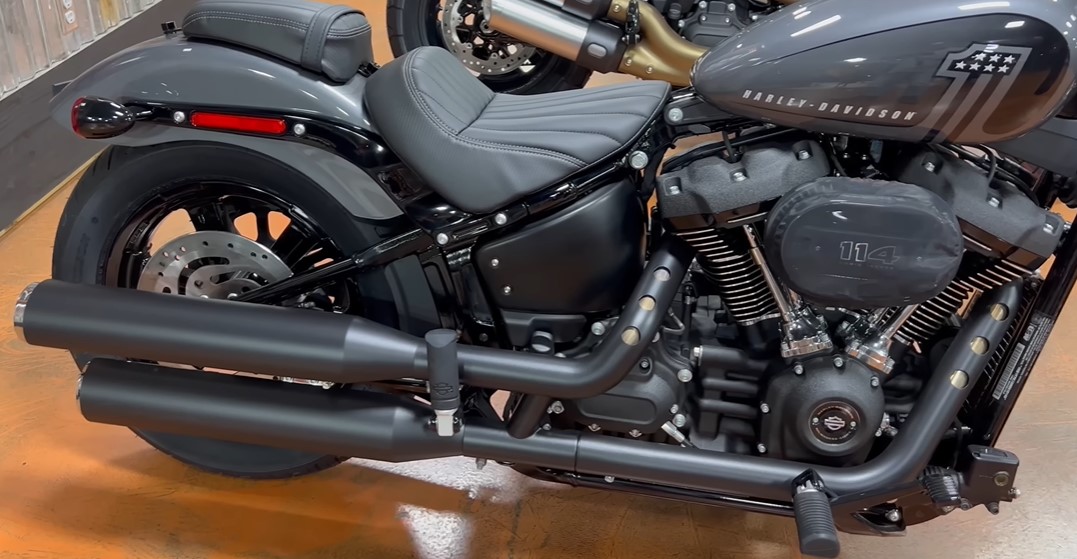
Both motorcycles are powered by the Milwaukee-Eight® engine, with the Fat Bob available in both 107 and 114 configurations, while the Street Bob typically features the 107 engine. The power output is significant, with the Fat Bob delivering slightly more torque due to its engine configuration.
This additional torque provides a more robust acceleration, making the Fat Bob a favorite for those who enjoy a powerful ride.
Braking and Suspension Systems
The Fat Bob is equipped with a more advanced braking system featuring dual discs, which enhances stopping power and control during aggressive riding. Meanwhile, the Street Bob utilizes a single disc setup, which is adequate for most riding situations but may not provide the same level of confidence during high-intensity maneuvers.
The suspension systems also differ, with the Fat Bob offering a more sport-oriented setup that enhances cornering ability and overall handling.
Lean Angles and Cornering Abilities
Lean angles are crucial for cornering performance, and the Fat Bob excels in this area with lean angles of 31 degrees on the right and 32 degrees on the left. The Street Bob offers lean angles of 28.5 degrees on either side, making it slightly less capable in aggressive cornering scenarios.
This difference can impact a rider’s confidence while navigating twisty roads or during spirited canyon riding.
| Performance Metric | Fat Bob | Street Bob |
|---|---|---|
| Engine Type | Milwaukee-Eight 114 | Milwaukee-Eight 107 |
| Torque | 118 lb-ft | 110 lb-ft |
| Braking System | Dual Disc | Single Disc |
| Lean Angle | 31° / 32° | 28.5° |
This performance comparison table highlights the key performance metrics that can influence a rider’s decision between the Fat Bob and the Street Bob. The Fat Bob’s more powerful engine and superior torque output could be a deciding factor for those who prioritize acceleration and performance.
Additionally, the braking system’s configuration suggests that the Fat Bob may offer better handling and safety during aggressive riding. Riders who enjoy spirited cornering might find the Fat Bob’s lean angles more appealing, while those who prefer a more relaxed riding style may feel more comfortable on the Street Bob.
Riding Comfort and Ergonomics
The comfort and ergonomics of a motorcycle are vital for both short and long rides. Riders must consider seating positions, control placements, and overall comfort when choosing between the Fat Bob and Street Bob.
Seat Comfort and Support
The Fat Bob features a well-padded seat that offers strong back support, making it suitable for longer rides. Riders often report feeling secure in their seating position, especially during aggressive acceleration.
In contrast, the Street Bob’s seat is comfortable but may lack the same level of support, potentially leading to discomfort on extended journeys.
Foot Control Positioning
Foot control positioning is another significant factor influencing rider comfort. The Fat Bob typically comes with forward controls, allowing for a more relaxed leg position.
This configuration can be more comfortable for taller riders. The Street Bob, however, features mid-mount controls, which can feel cramped for some riders, particularly on longer trips.
Handlebar Types and Riding Posture
The Fat Bob is equipped with wider, more aggressive handlebars that complement its sporty design, promoting an upright riding posture. This setup enhances rider control during spirited riding.
The Street Bob features mini-apes that provide a more classic cruiser feel, which may be appealing to those who enjoy a traditional riding position.
| Ergonomic Feature | Fat Bob | Street Bob |
|---|---|---|
| Seat Height | 28 inches | 26.8 inches |
| Foot Control Type | Forward Controls | Mid Controls |
| Handlebar Type | Wide Bars | Mini-Apes |
The ergonomic features table clearly illustrates some of the main differences affecting rider comfort between the Fat Bob and Street Bob. The seat height of the Fat Bob may be more suitable for taller riders, while the Street Bob’s lower seat height can provide a more grounded feel for shorter riders.
The difference in foot control types is significant; forward controls on the Fat Bob allow for a more relaxed leg position, which can enhance comfort on longer rides. The handlebar types also influence riding posture and control, making the Fat Bob more favorable for sportier riding while the Street Bob maintains a classic cruiser stance.
Technological Features
In today’s motorcycle market, technology plays a crucial role in enhancing the riding experience. Both the Fat Bob and Street Bob come equipped with modern features that improve safety, convenience, and overall enjoyment.
Dashboard and Instrumentation
The Fat Bob features a more extensive dashboard with a 4-inch analog tachometer and digital speedometer, providing a clear view of vital information. In contrast, the Street Bob utilizes a smaller 2.14-inch LCD display, which is simple but effective.
Riders may prefer the Fat Bob’s larger display for its readability and functionality, especially in varying lighting conditions.
Lighting and Visibility
Both models come with LED lighting systems, including signature headlamps that enhance visibility on the road. The Fat Bob’s lighting is designed for maximum illumination, making night riding safer.
While the Street Bob also utilizes LED lights, some riders feel that the Fat Bob’s lighting system offers superior visibility.
Available Tech Features
While neither model boasts an advanced infotainment system, the Fat Bob includes electronic cruise control as a standard feature, enhancing comfort on long rides. In contrast, the Street Bob can be equipped with cruise control as an optional upgrade, which may appeal to those who plan extended journeys.
| Feature | Fat Bob | Street Bob |
|---|---|---|
| Dashboard Type | Analog with Digital Readout | LCD Display |
| Headlight Type | LED | LED |
| Cruise Control | Standard | Available as Upgrade |
This table highlights the technological features that differentiate the Fat Bob and Street Bob. The Fat Bob’s superior dashboard with an analog tachometer provides a more comprehensive display of information, which can be a significant advantage for riders who value detailed metrics.
Additionally, the presence of standard cruise control on the Fat Bob enhances comfort during longer trips, making it a more suitable choice for touring. Although both models come with LED lighting, the enhanced visibility of the Fat Bob’s system may appeal to riders who frequently ride at night.
Pricing and Value
Pricing is a crucial factor for many prospective motorcycle buyers. Understanding the cost differences between the Fat Bob and Street Bob can help riders make a more informed decision based on their budget and preferences.
Base MSRP Comparison
The base MSRP for the Street Bob is generally lower than that of the Fat Bob, making it a more affordable choice for those looking to enter the Harley-Davidson family. However, the price difference may be justified by the additional features and performance capabilities offered by the Fat Bob.
Cost of Optional Features
Both models offer various optional features and upgrades. The Fat Bob tends to have more advanced features available as standard, while the Street Bob may require additional investment for optional upgrades such as cruise control and enhanced lighting systems.
Riders should consider these additional costs when evaluating the overall value of each bike.
Resale Value Insights
Resale value can also play a significant role in the overall cost of ownership. Historically, both models maintain strong resale values due to the Harley-Davidson brand’s enduring popularity.
However, the Fat Bob’s performance-oriented features may lead to a slightly higher resale value in the long term, particularly among performance-focused riders.
| Pricing Aspect | Fat Bob | Street Bob |
|---|---|---|
| Base MSRP | Higher | Lower |
| Optional Features Cost | Standard | Upgradable |
| Resale Value | Higher Potential | Strong Value |
The pricing aspect table encapsulates the financial considerations that potential buyers should keep in mind. The Fat Bob’s higher base MSRP may deter some buyers, but its standard features and potential for higher resale value could make it a worthwhile investment for performance-oriented riders.
On the other hand, the Street Bob’s lower starting price and strong resale value make it an appealing option for those looking to enter the Harley-Davidson market without a substantial upfront investment.
Rider Reviews and Feedback
Rider feedback provides valuable insights into the real-world performance and comfort of both the Fat Bob and Street Bob. Understanding what current owners appreciate about each model can help potential buyers make a more informed choice.
General Rider Sentiment
Overall, riders tend to express strong preferences based on their individual riding styles. Many appreciate the aggressive performance and comfort of the Fat Bob, citing its powerful engine and superior handling.
Conversely, riders of the Street Bob often highlight its classic aesthetics and ease of customization.
Long-Term Ownership Experiences
Long-term owners of both models frequently report satisfaction with their purchases. Fat Bob riders often mention its reliability and performance while taking long trips or engaging in spirited rides.
On the other hand, Street Bob owners tend to enjoy the bike’s versatility and the extensive aftermarket support available for customization.
Recommendations from Experts
Experts often recommend the Fat Bob for those seeking a sportier ride with advanced features, while the Street Bob is frequently suggested for riders who prioritize classic styling and a more laid-back riding experience. Ultimately, both models have their unique strengths, and expert recommendations vary based on individual preferences and riding styles.
| Feedback Aspect | Fat Bob | Street Bob |
|---|---|---|
| Rider Sentiment | Positive for Performance | Positive for Aesthetics |
| Long-Term Reliability | High | High |
| Expert Recommendation | Sporty Ride | Classic Cruiser |
The feedback aspect table highlights the sentiments expressed by riders and experts alike. Both models receive high marks for reliability, indicating that buyers can expect a dependable riding experience regardless of their choice.
The Fat Bob is often favored for its sporty performance, making it ideal for riders who appreciate aggressive riding. Conversely, the Street Bob’s classic cruiser appeal and customization options make it a strong contender for those who prioritize aesthetics and versatility.
Ideal Rider Profiles
Understanding which bike is better suited for different types of riders can further aid in making an informed decision between the Fat Bob and Street Bob.
Best Fit for New Riders
New riders may find the Street Bob to be a more approachable option due to its lighter weight, lower seat height, and classic styling. The mid-control foot position offers a comfortable and manageable riding experience that can build confidence for those still mastering their skills.
Best Fit for Experienced Riders
Experienced riders, particularly those seeking performance and aggressive handling, may prefer the Fat Bob. Its powerful engine, advanced braking system, and sporty design cater to those looking for a thrilling riding experience on both highways and twisty backroads.
Ideal for Urban vs. Long-Distance Riding
For urban riding, the nimble Street Bob shines with its lightweight feel and responsive handling. In contrast, the Fat Bob excels in long-distance riding due to its comfortable seat and powerful engine, making it ideal for riders looking to take on extended journeys.
| Rider Profile Aspect | Fat Bob | Street Bob |
|---|---|---|
| Best for New Riders | No | Yes |
| Best for Experienced Riders | Yes | No |
| Urban Riding | No | Yes |
| Long-Distance Riding | Yes | No |
The rider profile aspect table effectively summarizes the ideal characteristics for each model. The Street Bob is clearly positioned as the better choice for new riders, offering a more approachable weight and seating position.
In contrast, the Fat Bob is more suitable for experienced riders looking to push their limits in terms of performance and handling. Additionally, the table reinforces the idea that the Street Bob is better for urban environments, while the Fat Bob caters to those seeking to ride longer distances comfortably.
FAQs About Fat Bob vs Street Bob
What are the main differences between the Fat Bob and Street Bob?
The primary differences between the Fat Bob and Street Bob lie in their design, performance, and intended riding experience. The Fat Bob has a more aggressive design with wider tires and a sportier stance, making it ideal for performance-oriented riders.
In contrast, the Street Bob offers a classic cruiser aesthetic with mid-control foot positioning, appealing to those who prefer a traditional look and feel. Additionally, the Fat Bob typically features a more powerful engine and advanced braking systems compared to the Street Bob.
Which bike is better for long-distance riding?
The Fat Bob is generally considered better suited for long-distance riding due to its comfortable seat, powerful engine, and superior handling capabilities. Its design promotes a relaxed riding posture, making it more comfortable for extended journeys.
While the Street Bob can also handle long rides, its lighter frame and mid-control positioning may not provide the same level of comfort over longer distances, especially for taller riders.
How do the performance metrics compare for both bikes?
In terms of performance metrics, the Fat Bob typically features a more powerful engine (Milwaukee-Eight 114) compared to the Street Bob (Milwaukee-Eight 107), which results in higher torque output. The Fat Bob also offers better lean angles, allowing for more aggressive cornering capabilities.
In contrast, the Street Bob is lighter and may feel more nimble in urban environments, but it does not match the Fat Bob’s overall performance in sportier riding scenarios.
What customization options are available for the Fat Bob?
The Fat Bob offers a range of customization options, including various aftermarket parts for aesthetics and performance upgrades. Riders can choose different seat styles, handlebars, exhaust systems, and accessories to personalize their bike.
Harley-Davidson’s extensive catalog provides numerous options for enhancing both the appearance and performance of the Fat Bob, allowing owners to tailor their rides to their preferences.
Are there significant weight differences between the two models?
Yes, there is a weight difference between the Fat Bob and Street Bob. The Fat Bob weighs approximately 673 lbs, while the Street Bob is lighter at around 653 lbs.
This weight difference can impact the handling and riding experience, with the lighter Street Bob generally feeling more nimble, especially in urban riding conditions. However, the added weight of the Fat Bob contributes to its stability and performance during spirited riding or long-distance journeys.
Conclusion
When comparing the Fat Bob vs Street Bob, there is no single winner for every rider. The Fat Bob stands out with its stronger performance, aggressive styling, advanced braking system, and superior long-distance comfort. The Street Bob, on the other hand, offers a lighter feel, classic Harley-Davidson styling, and excellent maneuverability for daily riding and city streets. The best choice depends on your riding preferences, experience level, and budget. Whether you choose the Fat Bob or the Street Bob, both motorcycles deliver the performance, character, and heritage that make Harley-Davidson one of the most respected names in motorcycling.