
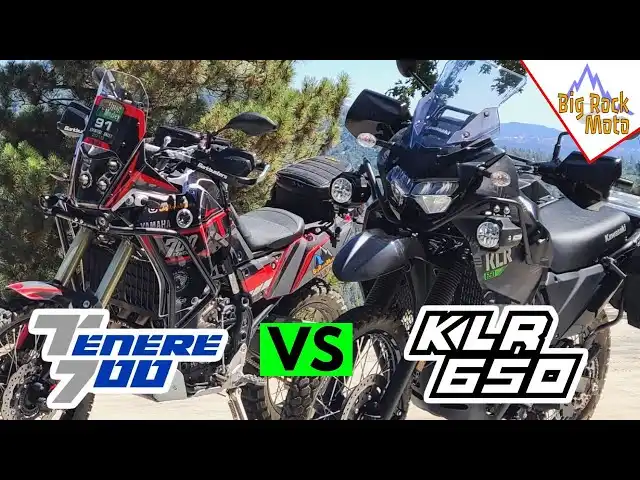
In the world of adventure motorcycles, the KLR650 vs Tenere 700 are two of the most discussed options among riders. Both bikes cater to adventure enthusiasts who seek versatility in on- and off-road capabilities.
The KLR650, with its long-standing history, is known for its reliability and affordability, making it an ideal choice for budget-conscious riders. Conversely, the Tenere 700, equipped with a more modern design and superior power, appeals to those looking for a blend of comfort and performance.
This article will delve into a detailed comparison between these two iconic models, examining their specifications, performance, riding experiences, and overall value to help prospective buyers make an informed decision.
Section 1: Overview of the KLR650
History and Evolution
The Kawasaki KLR650 has a storied legacy that dates back to 1987, when it was first introduced as a dual-sport motorcycle. This long-standing model has undergone several updates, with the most significant changes occurring in recent years, including a return of the model in 2022 after a brief discontinuation.
The KLR650 is particularly beloved for its rugged build, reliable single-cylinder engine, and affordability. The bike has evolved from a basic off-road machine to a more versatile adventure bike, catering to both daily riders and long-distance adventurers.
Key Features
The KLR650 boasts a 652cc single-cylinder engine that delivers around 40 horsepower and 39 lb-ft of torque. Its design emphasizes durability and ease of maintenance, which are critical for adventure riding.
Additionally, it features a generous 23-liter fuel tank, providing an impressive range for long-distance travel. The bike also includes optional ABS for enhanced safety.
The suspension setup provides 180mm of travel at the front and 200mm at the rear, making it capable of handling rough terrains.
Pricing and Availability
The KLR650 is priced competitively, with a starting MSRP of around $7,499 for the base model. The Adventure trim, which includes additional touring features, is priced at approximately $9,699.
Its affordability makes it an attractive choice for many riders, particularly those on a budget. The bike is readily available at most Kawasaki dealerships across North America.
| Model Year | Engine Type | Horsepower | Torque (lb-ft) | Fuel Capacity (liters) | Price (USD) |
|---|---|---|---|---|---|
| 2022 | Single-cylinder, liquid-cooled | 40 | 39 | 23 | 7,499 – 9,699 |
The KLR650’s specifications highlight its value as an adventure bike, especially when considering its price point. With a single-cylinder engine, it’s a reliable choice for riders looking to tackle off-road challenges without breaking the bank.
The robust fuel capacity ensures that long-range rides are feasible, making it a favorite for those who enjoy exploring remote areas. However, potential buyers should be aware of its performance limitations compared to more modern competitors like the Tenere 700, which offers a twin-cylinder engine and more advanced technology.
Section 2: Overview of the Tenere 700
Introduction to the Model
The Yamaha Tenere 700 was introduced to North American markets in 2020, filling a gap in Yamaha’s lineup between the Super Tenere and smaller dual-sport models. It quickly gained popularity among adventure riders for its combination of power, performance, and off-road capabilities.
The bike is designed for versatility, making it suitable for both daily commuting and rigorous off-road adventures.
Notable Features
Equipped with a 689cc parallel-twin engine, the Tenere 700 produces approximately 74 horsepower and 50 lb-ft of torque. This engine configuration provides a smooth delivery of power across various RPMs, making it responsive in both on-road and off-road situations.
The bike features a 16-liter fuel tank, which, while smaller than the KLR650, is still adequate for adventure riding. The Tenere 700 also comes with advanced suspension components, including adjustable front and rear shocks, enhancing its off-road performance.
Pricing and Market Position
The Tenere 700 has a starting price of around $12,799, positioning it as a mid-range adventure bike. This price reflects its more sophisticated engineering and performance capabilities compared to the KLR650.
The bike is widely available at Yamaha dealerships and has established a strong presence in the adventure motorcycle community.
| Model Year | Engine Type | Horsepower | Torque (lb-ft) | Fuel Capacity (liters) | Price (USD) |
|---|---|---|---|---|---|
| 2022 | Parallel-twin, liquid-cooled | 74 | 50 | 16 | 12,799 |
The specifications of the Tenere 700 reveal its strengths as an adventure motorcycle. The parallel-twin engine not only produces more power than the KLR650 but also provides a smoother ride, which is particularly beneficial for long-distance travel.
Furthermore, its advanced suspension system allows for better handling on rough terrains, making it a compelling choice for riders who plan to venture off the beaten path. However, the higher price may deter budget-conscious buyers who may find the KLR650 to be a more accessible option.
Section 3: Engine and Performance Comparison
Engine Specifications
When comparing the engines of the KLR650 and Tenere 700, several key differences emerge:
- KLR650: Single-cylinder, liquid-cooled, 652cc, 40 horsepower, 39 lb-ft torque.
- Tenere 700: Parallel-twin, liquid-cooled, 689cc, 74 horsepower, 50 lb-ft torque.
Performance on Highways
On highways, the Tenere 700 outperforms the KLR650 significantly. With its higher horsepower and smoother power delivery, riders can comfortably maintain higher speeds without excessive vibrations.
The KLR650, while capable on highways, operates at higher RPMs during similar speeds, which can lead to rider fatigue over longer distances.
Off-Road Capabilities
Both bikes have substantial off-road capabilities, but they excel in different areas. The KLR650 is known for its ruggedness and ability to tackle tough terrains at a slower pace.
It’s a bike that thrives on reliability and simplicity. Meanwhile, the Tenere 700 offers superior power and technology, making it more responsive and agile on challenging trails.
| Bike Model | Engine Type | Horsepower | Torque (lb-ft) | Fuel Efficiency (mpg) |
|---|---|---|---|---|
| KLR650 | Single-cylinder | 40 | 39 | 50-55 |
| Tenere 700 | Parallel-twin | 74 | 50 | 45-50 |
The performance comparison clearly shows that the Tenere 700 is designed with a focus on power and agility, particularly beneficial in off-road scenarios. Its parallel-twin engine provides a significant edge over the KLR650 in terms of both horsepower and torque, making it a more exciting option for seasoned riders.
On the other hand, the KLR650 offers reliable performance and better fuel efficiency, appealing to riders who prioritize longevity and simplicity over raw power.
Section 4: Suspension and Handling
Suspension Specifications
Suspension plays a critical role in both on-road and off-road performance. Here’s how both bikes stack up:
- KLR650: Front suspension travel: 180mm; Rear suspension travel: 200mm; Weight: 487 lbs.
- Tenere 700: Front suspension travel: 210mm; Rear suspension travel: 220mm; Weight: 452 lbs.
On-Road Handling
On the road, the Tenere 700 offers superior handling due to its advanced suspension setup. Riders will notice its agility and balance, especially in twisty sections.
The KLR650, while stable, can feel cumbersome at higher speeds due to its weight and softer suspension, which can lead to a less engaging ride.
Off-Road Performance
Off-road, the Tenere 700 shines with its adjustable suspension, allowing riders to tailor the setup to their preferences and terrain conditions. The KLR650, while still capable, may struggle with heavier impacts and rough trails due to its softer suspension, which can bottom out more easily.
| Bike Model | Front Suspension Travel (mm) | Rear Suspension Travel (mm) | Weight (lbs) |
|---|---|---|---|
| KLR650 | 180 | 200 | 487 |
| Tenere 700 | 210 | 220 | 452 |
The analysis of suspension and handling reveals a distinct advantage for the Tenere 700, particularly for riders who frequently tackle challenging terrains. Its superior suspension travel and lighter weight contribute to better stability and maneuverability.
In contrast, the KLR650, despite its heavier build, still holds its ground as a reliable option for more casual off-road enthusiasts, making it an excellent choice for those who will not push the limits of their bikes.
Section 5: Comfort and Ergonomics
Seat Comfort
Seat comfort is crucial for long-distance rides. The KLR650 features a wider and better-cushioned seat, making it more comfortable for long hours on the road.
In contrast, the Tenere 700 has a firmer seat that, while supportive, may not be as comfortable during extended rides.
Handlebar Positioning
The handlebar positioning on both bikes caters to different riding styles. The KLR650 provides a more relaxed seating position, which many riders appreciate for touring.
The Tenere 700, however, allows for more aggressive riding with its slightly lower and more forward-leaning handlebars.
Wind Protection
Wind protection is an essential aspect for adventure touring, especially at highway speeds. The KLR650 offers better wind protection due to its taller windscreen.
The Tenere 700’s windscreen is smaller and less adjustable, which could lead to turbulence for taller riders.
| Bike Model | Seat Height (inches) | Seat Comfort Rating | Handlebar Position | Wind Protection |
|---|---|---|---|---|
| KLR650 | 34 | High | Relaxed | Good |
| Tenere 700 | 34.5 | Moderate | Aggressive | Moderate |
The comparison of comfort and ergonomics indicates that the KLR650 is better suited for long-distance touring thanks to its plush seat and effective wind protection. In contrast, the Tenere 700’s firmer seat and aggressive riding position cater to those who prefer a sportier experience.
Riders will need to consider their primary usage when evaluating comfort, especially if they plan on spending significant time in the saddle.
Section 6: Technology and Features
Dashboard and Controls
Both bikes feature basic dashboards that provide essential information. The Tenere 700 has a larger, more user-friendly display that is easier to read while standing, a significant advantage during off-road rides.
The KLR650’s dashboard is simpler and effective for its price point, but lacks some modern conveniences.
Safety Features
ABS is an optional feature on the KLR650, enhancing safety during on-road rides. However, it cannot be disabled, which may be a drawback for off-road enthusiasts.
The Tenere 700 comes with standard ABS, which can be turned off for off-road riding, adding to its versatility.
Connectivity Options
Neither bike is heavily equipped with modern connectivity features. However, the Tenere 700’s larger display and better integration of features make it slightly more advanced in this regard.
| Bike Model | Dashboard Type | ABS | Connectivity Features |
|---|---|---|---|
| KLR650 | Basic LCD | Optional | None |
| Tenere 700 | Advanced LCD | Standard | Basic |
The technology and features comparison clearly illustrates the Tenere 700’s advantages in dashboard usability and safety features. While the KLR650 keeps things simple, the Tenere 700 integrates more advanced capabilities that enhance the riding experience, particularly for those who engage in mixed riding styles.
Riders who prioritize technology may find the Tenere 700 more appealing, while those seeking a straightforward, reliable machine may prefer the KLR650.
Section 7: Cost of Ownership
Maintenance Costs
Maintenance costs are an essential consideration for any motorcycle owner. The KLR650 is known for its low maintenance costs, benefiting from a simple design and readily available parts.
Estimates suggest that average maintenance costs can range between $300 to $500 annually, depending on riding habits and usage. On the other hand, the Tenere 700, while not overly expensive, may incur higher costs due to its more complex system and parts.
Riders can expect to pay around $500 to $700 annually for regular maintenance.
Parts Availability
Parts availability is another important factor. The KLR650 has been on the market for decades, leading to a robust aftermarket and extensive availability of parts.
This accessibility makes repairs and modifications more manageable and cost-effective. The Tenere 700, being a newer model, is still building its aftermarket support, but Yamaha generally offers good parts availability across its range.
Insurance and Resale Value
Insurance costs can vary significantly based on the rider’s history and location. However, the KLR650 typically enjoys lower insurance rates due to its lower overall value and reputation as a beginner-friendly bike.
Conversely, the Tenere 700, with its higher price point, may attract slightly higher insurance premiums. In terms of resale value, both bikes hold their value well, but the KLR650 often retains a stronger resale value due to its established reputation and demand.
| Bike Model | Annual Maintenance Costs (USD) | Parts Availability | Insurance Costs (USD) |
|---|---|---|---|
| KLR650 | 300-500 | Excellent | 100-200 |
| Tenere 700 | 500-700 | Good | 200-300 |
The cost of ownership analysis indicates that the KLR650 is generally more economical to maintain and insure. Its simplicity and long-standing presence in the market contribute to lower costs and high parts availability.
While the Tenere 700 provides superior performance and features, prospective owners should be prepared for higher maintenance and insurance costs. Ultimately, the choice between the two will depend on the rider’s budget and preference for performance versus cost-efficiency.
Section 8: Rider Community and Support
Community Resources
Both the KLR650 and Tenere 700 have established communities of enthusiasts. The KLR650, having been around for many years, boasts a robust network of forums, clubs, and rider groups.
Resources for modifications, maintenance tips, and adventure riding experiences are abundant. The Tenere 700 community, although newer, is rapidly growing, with dedicated forums and social media groups that provide support and resources for owners.
Owner Feedback and Testimonials
Owner feedback on the KLR650 is overwhelmingly positive, with many riders praising its reliability, ease of maintenance, and capability as an adventure bike. Riders often highlight its suitability for both beginners and seasoned adventurers.
On the other hand, Tenere 700 owners appreciate its performance and versatility, particularly in off-road conditions. However, some riders note the need for additional modifications to optimize their experience.
Events and Rallies
Both bikes enjoy representation at various motorcycle events and rallies. The KLR650 often features prominently in adventure riding events, attracting a loyal following.
The Tenere 700, being a newer model, is increasingly present at adventure bike gatherings, showcasing its capabilities and attracting new riders to the brand.
| Bike Model | Community Size | Owner Feedback | Events and Rallies |
|---|---|---|---|
| KLR650 | Large | Positive | Frequent |
| Tenere 700 | Growing | Very Positive | Increasing |
The analysis of the rider community reveals that the KLR650 has a well-established and supportive network, which can be incredibly beneficial for new riders. Its long history has fostered a rich culture of shared knowledge and experience among owners.
Meanwhile, the Tenere 700’s community is quickly gaining traction, with enthusiastic riders eager to share their experiences and tips. Both bikes provide a sense of camaraderie among riders, enhancing the overall ownership experience.
FAQs about KLR650 vs Tenere 700
What are the main differences between KLR650 and Tenere 700?
The KLR650 is a single-cylinder adventure bike known for its reliability and affordability, while the Tenere 700 is a parallel-twin bike that offers more power and advanced features. The KLR650 excels in fuel efficiency and lower maintenance costs, whereas the Tenere 700 is designed for better performance, especially in off-road scenarios, but at a higher price point.
Which bike is better for off-road riding, the KLR650 or Tenere 700?
While both bikes are capable off-road, the Tenere 700 generally performs better due to its more powerful engine and adjustable suspension. The KLR650 is reliable and can handle rough terrains, but it may lack the agility and speed that the Tenere 700 provides in more technical conditions.
How does the maintenance cost compare between the two bikes?
Maintenance costs for the KLR650 are typically lower, ranging from $300 to $500 annually, due to its simpler design and widespread parts availability. In contrast, the Tenere 700’s maintenance costs can range from $500 to $700 per year, reflecting its more complex system and parts.
Is the KLR650 a good choice for beginners?
Yes, the KLR650 is often recommended for beginners due to its simplicity, reliability, and lower cost of ownership. Its forgiving nature and robust build make it an excellent entry-level adventure bike for those new to dual-sport riding.
What aftermarket modifications are recommended for each bike?
For the KLR650, common modifications include upgrading the suspension, adding crash bars, and improving the seat for comfort. The Tenere 700 benefits from aftermarket accessories such as skid plates, handguards, and luggage solutions, as well as potential suspension tuning to optimize performance based on riding style.
CONCLUSION
In conclusion, both the KLR650 and Tenere 700 are exceptional motorcycles, each catering to different riding styles and preferences. While the KLR650 is an affordable, reliable option ideal for beginners and budget-conscious riders, the Tenere 700 offers superior performance and modern features, making it suitable for more experienced riders seeking adventure.
Ultimately, the choice between these two bikes will depend on individual priorities, such as budget, intended use, and riding experience. Regardless of the decision, both bikes promise to deliver thrilling adventures on and off the road.