
In recent years, dirt biking has become an increasingly popular activity for children, particularly for 10-year-olds who are ready to embark on their riding journey. This age group is often curious and eager to explore, making dirt biking an ideal way for them to engage with the outdoors.
However, selecting the right dirt bike requires careful consideration of various factors, including safety, fit, and the specific needs of young riders. In this comprehensive guide, we will explore the best dirt bike options available for kids in this age group, covering essential aspects such as gas versus electric models, the best brands, necessary safety gear, and maintenance tips.
Parents will find valuable insights to make informed decisions, ensuring a fun and safe riding experience for their young adventurers.
Understanding the Needs of 10-Year-Old Riders
When it comes to choosing a dirt bike for a 10-year-old, understanding their physical and emotional needs is crucial. At this age, children typically exhibit a range of abilities, and their riding experience can vary greatly.
Factors such as height, weight, and previous experience should all play a significant role in determining the right dirt bike.
Assessing Skill Level
For a 10-year-old, skill levels can be categorized into beginners and those with some prior experience. Beginners may struggle with balance and control, making bikes with automatic clutches or lower power outputs ideal.
In contrast, kids with some experience may benefit from bikes that offer more power and features.
Importance of Comfort and Confidence
Comfort and confidence are essential for young riders. A dirt bike that is too tall or heavy can intimidate a child, potentially leading to a negative experience.
Ensuring that the child can flat-foot the ground when seated on the bike is vital for building confidence.
Riding Environment Considerations
The environment where the child will be riding also influences the choice of bike. Open fields, trails, and motocross parks provide different challenges that may require specific bike features.
For instance, a bike suitable for trails may differ from one designed for motocross tracks.
| Age Group | Average Height | Average Weight | Recommended CC |
|---|---|---|---|
| 10 years | 4’5″ – 4’8″ | 70 – 100 lbs | 50cc – 110cc |
The table above showcases the average height and weight for 10-year-olds alongside recommended engine sizes for dirt bikes. It’s clear that children in this age group typically range from 4’5″ to 4’8″ in height and weigh between 70 to 100 pounds.
This height range suggests that bikes with a seat height of about 21 to 25 inches would be ideal. The recommended engine size of 50cc to 110cc caters to both beginners and those with some riding experience, offering enough power for varied riding conditions while ensuring safety.
Best Dirt Bikes for 10-Year-Olds
Selecting the right dirt bike can significantly impact the riding experience for young riders. The following models are highly recommended for children around the age of 10, focusing on safety, ease of use, and reliability.
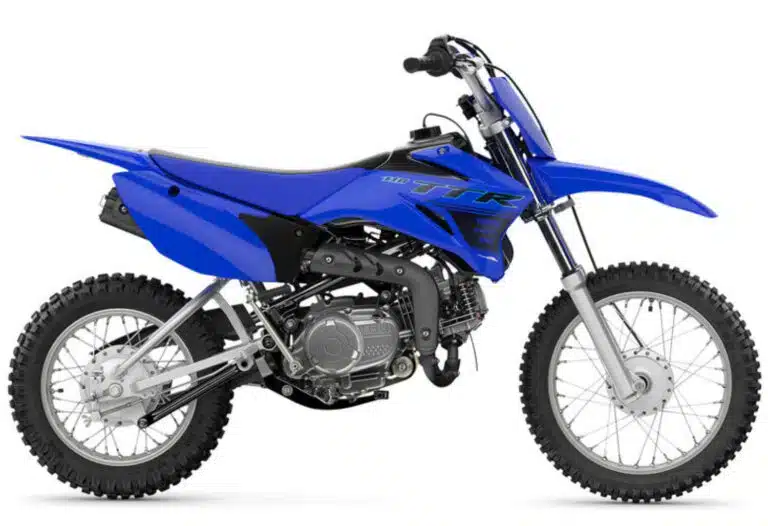
Yamaha TT-R110E
The Yamaha TT-R110E is a favorite among parents and young riders alike. This bike features a 110cc engine and a seat height of 26.4 inches, making it suitable for 10-year-olds.
Its four-speed transmission allows for better control, which is ideal for beginners and those looking to improve their skills.
Honda CRF110F
Another excellent option is the Honda CRF110F. This bike comes with a 110cc engine and features a low seat height of 28.3 inches.
It is designed for young riders, offering an automatic clutch that makes it easy to operate, fostering confidence in new riders.
Suzuki DR-Z125
The Suzuki DR-Z125 is perfect for kids ready to transition to a larger bike. With a seat height of 30.7 inches and a 125cc engine, this model provides a bit more power for those who have gained experience.
It is equipped with a manual clutch, allowing for a more authentic riding experience.
| Model | Engine Size | Seat Height | Weight Limit |
|---|---|---|---|
| Yamaha TT-R110E | 110cc | 26.4 inches | 110 lbs |
| Honda CRF110F | 110cc | 28.3 inches | 120 lbs |
| Suzuki DR-Z125 | 125cc | 30.7 inches | 150 lbs |
This comparison table summarizes the specifications of the top dirt bikes for 10-year-olds. The Yamaha TT-R110E and Honda CRF110F both offer excellent options for beginners, while the Suzuki DR-Z125 provides an excellent choice for those progressing in their skills.
The weight limits indicate that these bikes can accommodate a range of sizes, ensuring that children can ride safely without being overly restricted by their size. Thus, parents can select a bike that not only suits their child’s current skill level but also allows for growth and development in riding skills.
Gas vs. Electric Dirt Bikes
One of the primary decisions parents face when selecting a dirt bike is whether to choose a gas or electric model. Both types have unique advantages and disadvantages, making it essential to understand these differences to make an informed choice.
Pros of Gas Dirt Bikes
Gas dirt bikes are often favored for their performance and power. They provide longer ride times compared to electric models, as they are only limited by the amount of fuel in the tank.
Additionally, gas models tend to have a wider range of available options in terms of power and size, catering to different skill levels and preferences.
Benefits of Electric Dirt Bikes
Electric dirt bikes offer a quieter ride, which can be beneficial for residential areas or for new riders who may be intimidated by the noise of gas engines. They are also easier to maintain as they have fewer moving parts and do not require fuel.
Electric models are typically lighter, making them easier for smaller riders to handle.
Best Uses for Each Type
Gas bikes are well-suited for trails and motocross parks where performance and speed are essential. In contrast, electric bikes are ideal for beginners or for riding in areas where noise restrictions are in place.
They are also perfect for younger riders who are just getting started and need a simpler, quieter bike.
| Type | Average Running Time | Maintenance | Environmental Impact |
|---|---|---|---|
| Gas | 1-2 hours | Higher (fuel, oil changes) | Emits exhaust |
| Electric | 30-60 minutes | Lower (battery upkeep) | Zero emissions |
The table above provides a clear comparison between gas and electric dirt bikes. It indicates that gas bikes typically offer longer running times but require more maintenance and have a negative environmental impact due to exhaust emissions.
On the other hand, electric bikes have lower running times but are easier to maintain and environmentally friendly. This information can help parents assess which type of bike will best suit their child’s needs, riding environment, and family values.
Safety Gear Essentials for Young Riders
Safety is paramount when it comes to dirt biking, especially for children. Ensuring that young riders are equipped with the appropriate safety gear can significantly reduce the risk of injury.
Below are the essential pieces of gear every young rider should have.
Helmets
A properly fitted helmet is the most critical piece of safety gear for any rider. It protects the head from impacts and should meet safety standards.
For children, a full-face helmet is recommended, offering additional protection for the face and chin.
Protective Clothing
In addition to helmets, riders should wear protective clothing, including long pants, long-sleeve shirts, and gloves. Specialized dirt biking gear, such as padded jerseys and pants, can provide extra cushioning and protection.
Additional Safety Gear (Gloves, Goggles, etc.)
Gloves help maintain grip on the handlebars and protect the hands in case of a fall. Goggles are essential for protecting the eyes from debris and ensuring clear vision while riding.
Elbow and knee pads can also provide added protection against scrapes and impacts.
| Gear Type | Safety Rating | Average Cost |
|---|---|---|
| Helmet | DOT Approved | $50 – $150 |
| Protective Clothing | N/A | $30 – $100 |
| Gloves | N/A | $10 – $30 |
This table summarizes essential safety gear along with their safety ratings and average costs. Helmets should always be DOT approved to ensure they meet safety standards.
While protective clothing and gloves do not have formal ratings, investing in quality gear can provide significant safety benefits. The average costs reflect the range of options available, allowing parents to budget accordingly for their child’s safety.
All these items contribute to a safer riding experience, promoting confidence and enjoyment on the trails.
Maintenance Tips for Kids’ Dirt Bikes
Keeping a dirt bike in optimal condition is essential for safety and performance. Regular maintenance ensures that the bike runs smoothly and lasts longer.
Here are some essential maintenance tips for parents.
Regular Check-ups
Regularly checking the bike for any signs of wear and tear is crucial. This includes inspecting the brakes, tires, and chain.
Ensuring that all components are functioning correctly will help prevent accidents.
Cleaning and Care
After each ride, the bike should be cleaned to remove dirt and debris. This not only keeps the bike looking good but also prevents corrosion and wear on moving parts.
Using a damp cloth and mild soap is usually sufficient for cleaning.
When to Seek Professional Help
If any issues arise that are beyond basic maintenance, such as engine problems or brake malfunctions, seeking professional help is essential. Regular servicing by a qualified mechanic can help keep the bike in peak condition, ensuring safe rides.
| Maintenance Task | Frequency | Estimated Cost |
|---|---|---|
| Oil Change | Every 20-30 hours | $20 – $50 |
| Brake Inspection | Monthly | $15 – $30 |
| Chain Lubrication | After every ride | $5 – $10 |
The maintenance table provides a clear overview of essential tasks, their frequency, and estimated costs. Regular oil changes are crucial for engine health, while brake inspections help ensure safety.
Chain lubrication after each ride is a simple yet effective way to prolong the life of the bike. Understanding these maintenance tasks can help parents establish a routine that keeps their child’s dirt bike in excellent condition, enhancing safety and performance.
Where to Ride: Ideal Locations for Dirt Biking
Finding suitable locations for young riders to practice is essential for their development and enjoyment. Here are some ideal environments for dirt biking.
Local Trails
Local trails provide a great environment for young riders to develop their skills. These trails often have varying terrains, which can help riders build confidence and improve their riding abilities.
Parents should ensure that the trails are safe and suitable for children.
Motocross Parks
Motocross parks are designed specifically for dirt biking and often feature tracks with jumps, turns, and other challenges. These parks usually have designated areas for different skill levels, allowing young riders to practice safely under supervision.
Private Properties
Private properties can also be excellent places for young riders to practice. However, it’s important to ensure that the area is safe and free of obstacles.
Parents should supervise their children and establish clear boundaries for riding areas.
| Location Type | Safety Measures | Benefits |
|---|---|---|
| Local Trails | Helmet, pads, adult supervision | Variety of terrain, skill development |
| Motocross Parks | Safety briefings, designated areas | Structured environment, community support |
| Private Properties | Adult supervision, safety checks | Flexibility, controlled environment |
The table above highlights different dirt biking locations, their associated safety measures, and benefits. Local trails offer a natural learning environment, while motocross parks provide structured learning with the added benefit of community support.
Private properties allow for flexible riding but require careful supervision to ensure the safety of young riders. By assessing the available options, parents can select the best riding environment for their children to enjoy and improve their skills.
How to Encourage Safe Riding Practices
Instilling safe riding habits in children is vital for their protection and enjoyment while dirt biking. Here are some tips for parents.
Setting Boundaries
Establishing clear boundaries is essential for young riders. Parents should define where their child can ride and under what conditions, ensuring that they understand the importance of staying within these limits for their safety.
Role of Supervision
Adult supervision is crucial, especially for young and inexperienced riders. Parents should accompany their children during rides, providing guidance and support to help them learn proper techniques and safety practices.
Importance of Training Courses
Enrolling children in training courses can significantly enhance their skills and knowledge about dirt biking. These courses often cover essential safety information and riding techniques, making them more confident and capable riders.
| Practice | Importance | Recommended Age |
|---|---|---|
| Setting Boundaries | Ensures safety and control | All ages |
| Supervision | Provides guidance, reduces risk | All ages |
| Training Courses | Enhances skills and confidence | 6 years and older |
This table summarizes safe riding practices, their importance, and the recommended age for implementation. Setting boundaries ensures that riders can focus on their skills without venturing into unsafe territories.
Supervision adds an additional layer of safety, while training courses equip young riders with the necessary skills and knowledge to ride confidently. Implementing these practices can significantly enhance the overall riding experience for children.
Cost Considerations: Budgeting for a Dirt Bike
When considering a dirt bike for a child, understanding the financial aspects is vital to avoid unexpected expenses. Here are some key cost considerations.
Initial Purchase Price
The initial cost of a dirt bike can vary significantly based on the brand, model, and whether it is gas or electric. Parents should budget not only for the bike itself but also for any additional features or upgrades they may wish to include.
Maintenance and Gear Costs
Maintaining a dirt bike involves regular servicing, which can add to the overall cost. Additionally, purchasing safety gear such as helmets, gloves, and protective clothing is necessary and should be factored into the budget.
Resale Value
Dirt bikes can retain their value well, especially popular models. Parents should consider the resale value when making a purchase, as this can offset some of the initial costs when the child outgrows the bike.
| Expense Type | Average Cost | Frequency |
|---|---|---|
| Dirt Bike | $500 – $1,500 | One-time purchase |
| Safety Gear | $100 – $300 | One-time purchase |
| Maintenance | $50 – $200 | Annually |
The cost breakdown table highlights various expenses associated with purchasing and maintaining a dirt bike. The initial purchase price of a dirt bike can range from $500 to $1,500, depending on the model and features.
Safety gear presents another significant expense, especially since it is crucial for ensuring the child’s safety while riding. Regular maintenance costs can accumulate over time, emphasizing the importance of budgeting for long-term ownership.
Understanding these financial factors can help parents make informed decisions when investing in a dirt bike for their child.
FAQs on Dirt Bikes for 10 Year Olds
What is the best dirt bike for a beginner 10-year-old?
The best dirt bikes for beginner 10-year-olds typically include models like the Yamaha TT-R110E and Honda CRF110F. These bikes feature user-friendly designs, lower seat heights, and automatic clutches, making them perfect for new riders.
They provide a balance of power and control, allowing children to build their confidence while learning to ride.
Is it better to choose a gas or electric dirt bike for kids?
Choosing between gas and electric dirt bikes depends on various factors, including the child’s experience level and where they will be riding. Gas bikes tend to offer more power and longer ride times, while electric models are quieter and easier to maintain.
For beginners, electric bikes may be preferable due to their simplicity, whereas more experienced riders may benefit from the performance of gas bikes.
What safety gear do kids need for dirt biking?
Essential safety gear for kids includes a properly fitted helmet, protective clothing (long pants and long-sleeve shirts), gloves, goggles, and knee and elbow pads. This gear helps protect against injuries and enhances the overall riding experience by providing comfort and confidence.
How often should I maintain my child’s dirt bike?
Regular maintenance is crucial for keeping a dirt bike in good condition. Parents should check the bike after every ride for any visible issues, perform oil changes every 20-30 hours of use, and conduct thorough inspections monthly.
Basic tasks like chain lubrication should be done after each ride to ensure optimal performance.
Where can I safely let my child ride their dirt bike?
Safe riding locations for children include local trails, motocross parks, and private properties. These environments provide the opportunity to practice skills in a controlled setting.
Parents should always supervise their children and ensure that the riding area is free from hazards and appropriate for their skill level.
Conclusion
In conclusion, selecting the right dirt bike for a 10-year-old is crucial for fostering a safe and enjoyable riding experience. By considering factors such as the child’s size, skill level, and the type of terrain they will be riding on, parents can make informed decisions.
With the proper safety gear and maintenance, dirt biking can be an exciting adventure that builds confidence and skills. Encouraging responsible riding practices will not only enhance the enjoyment but also ensure a lifetime of memories on the trails.