
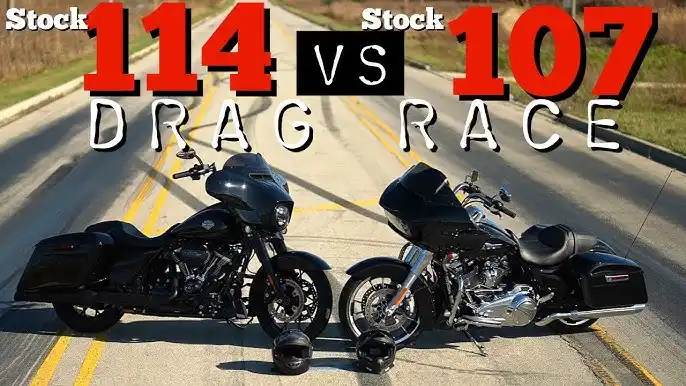
In this article, we will explore the differences between the Harley 107 vs 114 engines, two prominent offerings from the iconic motorcycle manufacturer. As Harley-Davidson enthusiasts know, engine choice plays a pivotal role in the overall riding experience.
The Milwaukee-Eight series, introduced in 2016, marked a significant advancement in performance and engineering. We will delve into the specifications, performance characteristics, and unique features of both engines to help riders make an informed decision.
Additionally, we will provide insights from riders’ experiences and expert opinions, highlighting key factors like torque, horsepower, and overall value for money. This comprehensive comparison will serve as a guide for both new and seasoned Harley riders, ensuring they choose the engine that best suits their riding style and needs.
Overview of the Milwaukee-Eight Engine Series
The Milwaukee-Eight engine series represents the ninth generation of Harley-Davidson’s “big twin” engines, debuting in 2016. This series surpassed the previous Twin Cam engines, offering notable advancements in both performance and engineering.
The Milwaukee-Eight is characterized by its four valves per cylinder, resulting in enhanced airflow and efficiency. These engines are available in two primary displacements: the 107 and the 114 cubic inch engines.
Historical Context of Harley Engines
Harley-Davidson has a storied history with its engine development, evolving from the early F-Head designs to the iconic Twin Cam series. The introduction of the Milwaukee-Eight engines was a response to rider demands for more power, reduced heat output, and less vibration.
This transition marks the culmination of over a century of engineering excellence, showcasing Harley’s commitment to innovation while retaining its classic V-twin identity.
The Transition from Twin Cam to Milwaukee-Eight
The transition from the Twin Cam to the Milwaukee-Eight was significant. The Milwaukee-Eight engines not only feature a return to a single camshaft configuration, reminiscent of older Harley designs, but they also introduce counterbalancers that significantly reduce vibrations.
This change was crucial in addressing rider complaints about the harshness associated with earlier models.
Key Innovations in the Milwaukee-Eight Design
Key innovations of the Milwaukee-Eight engines include a higher compression ratio, improved cooling systems, and an advanced valve train design. These enhancements contribute to a 10% increase in torque compared to the Twin Cam engines.
Additionally, the Milwaukee-Eight engines boast two spark plugs per cylinder, which improves combustion efficiency and overall performance.
| Engine Type | Displacement (ci) | Torque (ft-lb) | Horsepower | Compression Ratio |
|---|---|---|---|---|
| Milwaukee-Eight 107 | 107 | 111 | 92.53 | 9.7:1 |
| Milwaukee-Eight 114 | 114 | 119 | 100.57 | 10.5:1 |
The table above illustrates the significant specifications of the Milwaukee-Eight 107 and 114 engines. The 114 engine offers a higher displacement, torque, and horsepower compared to the 107.
This is indicative of its enhanced performance capabilities, making it a more powerful option for riders seeking a thrilling experience. The compression ratio also highlights the 114’s greater efficiency potential, allowing it to extract more energy from the fuel-air mixture.
Specifications Comparison between the 107 and 114
Understanding the specifications of both engines is crucial in making an informed decision. The Milwaukee-Eight series presents two distinct configurations that cater to different rider preferences and performance needs.
Below, we break down the key specifications for both engines in detail.
Engine Displacement and Size
The Milwaukee-Eight 107 engine has a displacement of 107 cubic inches (1,746 cc), while the 114 boasts a larger displacement of 114 cubic inches (1,868 cc). This difference in size directly correlates to the power each engine can deliver.
The additional displacement of the 114 engine allows it to produce significantly more torque and horsepower, appealing to riders who prioritize performance.
Power Output and Torque
The Milwaukee-Eight 107 produces approximately 111 ft-lb of torque at 3,250 RPM, whereas the 114 engine generates 119 ft-lb at 3,000 RPM. This 8 ft-lb difference in torque results in a noticeable improvement in acceleration and overall riding experience for the 114 engine, especially under load or during highway cruising.
Compression Ratios
The compression ratio of the 107 engine is 9.7:1, while the 114 features a higher ratio of 10.5:1. A higher compression ratio can lead to greater power output and efficiency, allowing the 114 to perform better under high-stress conditions.
However, it also necessitates the use of higher-octane fuel to avoid engine knocking, which is something potential buyers should consider.
| Specification | Milwaukee-Eight 107 | Milwaukee-Eight 114 |
|---|---|---|
| Displacement | 107 ci (1,746 cc) | 114 ci (1,868 cc) |
| Torque | 111 ft-lb @ 3,250 RPM | 119 ft-lb @ 3,000 RPM |
| Horsepower | 92.53 hp @ 5,020 RPM | 100.57 hp @ 5,020 RPM |
| Compression Ratio | 9.7:1 | 10.5:1 |
The comparison table further emphasizes the superior specifications of the Milwaukee-Eight 114 engine. The added horsepower and torque of the 114 enhance its capability, particularly for riders who enjoy touring or riding under varied load conditions.
The compression ratio also illustrates its performance potential, indicating that the 114 engine can provide a more powerful output while still being efficient.
Performance Analysis of the 107 vs 114
Performance is a key consideration for any motorcycle enthusiast. Both the Milwaukee-Eight 107 and 114 engines provide unique experiences, and understanding their performance metrics can help potential buyers make an informed choice.
Acceleration and Speed Testing
In real-world acceleration tests, the Milwaukee-Eight 107 engine is known to deliver solid performance, achieving 0 to 60 mph in a competitive time. However, the 114 engine takes the lead, with improvements in acceleration due to its higher torque and horsepower output.
Riders have noted a tangible difference in how the two engines perform during quick take-offs and highway merges, with the 114 feeling more powerful and responsive.
Fuel Efficiency and Consumption Rates
The Milwaukee-Eight 107 engine offers commendable fuel efficiency, often providing better mileage than the 114. However, the difference in fuel consumption is not drastic, as both engines are designed with efficiency in mind.
Riders have reported similar consumption rates under normal riding conditions, making the decision between the two less about fuel economy and more about performance needs.
Heat Management and Riding Comfort
One of the significant advancements in the Milwaukee-Eight series is its heat management system. The Milwaukee-Eight 107 and 114 engines have been designed to operate cooler than their predecessors.
This is achieved through improved cooling systems and the repositioning of catalytic converters. Riders have noted that both engines experience reduced heat during long rides, enhancing overall comfort, especially in warmer conditions.
| Performance Metric | Milwaukee-Eight 107 | Milwaukee-Eight 114 |
|---|---|---|
| 0-60 mph Time | Approximately 4.5 seconds | Approximately 4.0 seconds |
| Fuel Consumption | 45 mpg | 42 mpg |
| Heat Output | Moderate | Low |
The performance metrics table highlights crucial differences in acceleration times and fuel consumption between the two engines. While the Milwaukee-Eight 114 shows improved acceleration, it sacrifices a bit of fuel efficiency compared to the 107.
However, both engines are designed to operate at lower temperatures than previous models, ensuring a comfortable riding experience.
Key Features of the Milwaukee-Eight Engines
The Milwaukee-Eight series is packed with innovative features that enhance performance and rider experience. Both the 107 and 114 engines share several key attributes, while also showcasing unique characteristics that cater to different riding styles.
Cooling Systems and Heat Dissipation
Both engines employ advanced cooling technologies that reduce engine heat, improving comfort for riders, especially on long trips. The Milwaukee-Eight 114 features a more refined cooling system, allowing for better heat dissipation and lower temperature operation.
This leads to enhanced performance, particularly in high-stress situations such as climbing hills or carrying heavy loads.
Vibration Control Technologies
The Milwaukee-Eight engines include innovative vibration control technologies that significantly reduce engine vibrations. This is particularly beneficial for long-distance riders, as it minimizes fatigue and enhances comfort during extended rides.
Riders report a smoother experience, especially in the 114, which has been engineered to mitigate vibrations effectively.
Valve Train and Efficiency
A notable feature of the Milwaukee-Eight series is its valve train design. With four valves per cylinder and dual spark plugs, both engines promote efficient combustion, leading to better performance and fuel economy.
The innovative valve train requires no adjustments throughout the engine’s lifespan, contributing to lower maintenance costs and efforts for riders.
| Feature | Milwaukee-Eight 107 | Milwaukee-Eight 114 |
|---|---|---|
| Cooling System | Oil-cooled | Liquid-cooled |
| Vibration Reduction | 75% reduction at idle | Enhanced reduction |
| Valve Train | Four valves, dual spark plugs | Four valves, dual spark plugs |
The features comparison table provides an overview of the essential characteristics of both engines. The Milwaukee-Eight 114’s liquid cooling system offers an edge in maintaining lower operational temperatures, while both engines excel in vibration reduction and combustion efficiency.
This makes both engines appealing choices for riders, but the 114 stands out for its advanced cooling capabilities.
Cost Considerations: Is the 114 Worth It?
When selecting between the Milwaukee-Eight 107 and 114 engines, the cost is a significant factor. The price difference between the two engines often raises questions about whether the additional investment in the 114 is justified.
MSRP and Pricing Trends
Typically, the Milwaukee-Eight 114 is priced higher than the 107, with the MSRP difference often ranging around $1,500 to $2,000. This premium reflects the enhanced performance and features associated with the 114 engine.
Riders looking for maximum power and torque may find this investment worthwhile.
Resale Value Comparison
Resale values for both engines vary, but the 114 generally retains a higher resale value due to its desirability among buyers. The larger engine displacement and performance capabilities make it a sought-after choice in the used motorcycle market, which can be an essential consideration for future resale.
Cost of Upgrades and Modifications
Riders considering performance upgrades may find that the 114 offers more potential for enhancements. While both engines can be modified, the 114’s superior torque and horsepower allow for more significant performance gains with aftermarket parts.
This could lead to additional costs down the line for those looking to maximize their engine’s capabilities.
| Cost Factor | Milwaukee-Eight 107 | Milwaukee-Eight 114 |
|---|---|---|
| MSRP | Starting around $20,000 | Starting around $21,500 |
| Resale Value | Moderate | High |
| Upgrade Potential | Moderate | High |
The cost comparison table highlights the financial considerations when choosing between the two engines. While the Milwaukee-Eight 114 may require a higher initial investment, its potential for better resale and upgrade opportunities could justify the extra expense for many riders.
This analysis helps clarify the economic implications of each choice, allowing buyers to weigh their options carefully.
Riders’ Experiences: 107 vs 114
Understanding the real-world experiences of riders who have used both the Milwaukee-Eight 107 and 114 engines can provide valuable insights into their performance and suitability.
Long-Distance Riding Feedback
Riders who have taken long-distance trips on both engines report that the 114 offers a more powerful and comfortable experience, especially when carrying additional weight or riding two-up. The increased torque and smoother acceleration make highway cruising more enjoyable, with less strain on the rider during long stretches.
City Riding Performance
In urban environments, the Milwaukee-Eight 107 has been praised for its nimble handling and sufficient power for city commuting. However, many riders who have experienced the 114 feel that its responsiveness and power delivery provide an edge when navigating stop-and-go traffic.
Maintenance and Reliability Insights
Both engines have shown to be reliable over time, but some riders report that the 114, with its advanced features, may require more specialized maintenance. However, the overall maintenance costs are comparable, and both engines benefit from Harley’s reputation for durability and longevity.
| Rider Feedback | Milwaukee-Eight 107 | Milwaukee-Eight 114 |
|---|---|---|
| Long-Distance Comfort | Good but lacks power under load | Excellent, strong performance |
| City Riding | Agile and manageable | Responsive and powerful |
| Maintenance Reliability | Proven track record | Requires specialized care |
The rider feedback table summarizes essential insights from those who have ridden both engines. While the Milwaukee-Eight 107 is noted for its agility and reliability, the 114 is recognized for its superior performance and comfort, especially over longer distances.
This feedback provides prospective buyers with practical considerations based on firsthand experiences.
Conclusion of the 107 vs 114 Debate
Choosing between the Harley-Davidson Milwaukee-Eight 107 and 114 engines ultimately depends on individual riding preferences and needs. The 107 offers a robust and efficient ride suitable for everyday use, while the 114 delivers enhanced power and torque for those seeking a more exhilarating experience.
Understanding the specifications, performance metrics, and rider experiences will empower potential buyers to make an informed decision that aligns with their biking lifestyle. Whether opting for the 107 or the 114, both engines represent the legacy and innovation of Harley-Davidson, promising a thrilling ride on the open road.
FAQs on Harley 107 vs 114
What are the main differences between the Milwaukee-Eight 107 and 114?
The primary differences between the Milwaukee-Eight 107 and 114 engines lie in their displacement, power output, and torque. The 107 has a displacement of 107 ci and produces 111 ft-lb of torque, whereas the 114 has a larger displacement of 114 ci and generates 119 ft-lb of torque.
Additionally, the 114 engine provides a higher horsepower rating, making it more suitable for riders seeking enhanced performance.
How does the performance of the 107 compare to the 114 in daily riding?
In daily riding scenarios, the Milwaukee-Eight 114 tends to outperform the 107 due to its higher torque and horsepower. Riders often report feeling a noticeable difference during acceleration, particularly in situations requiring quick power, such as merging onto highways or overtaking vehicles.
However, the 107 engine remains a capable option for urban commuting and casual riding.
Are there significant cost differences between the 107 and 114 models?
Yes, there is a notable cost difference between the Milwaukee-Eight 107 and 114 models. Generally, the 114 engine comes at a premium of approximately $1,500 to $2,000 over the 107 due to its enhanced performance capabilities.
This price difference reflects the additional features and power associated with the 114, making it a significant consideration for buyers.
What is the expected lifespan of the Milwaukee-Eight engines?
The expected lifespan of Milwaukee-Eight engines, including both the 107 and 114, is quite substantial due to Harley-Davidson’s engineering quality and durability. Many riders report that with proper maintenance, these engines can last well over 100,000 miles without significant issues.
Regular servicing and adhering to maintenance schedules can further extend their longevity.
Which engine is better for long-distance touring?
For long-distance touring, the Milwaukee-Eight 114 is generally considered the better option. Its higher torque allows for smoother acceleration, especially when carrying extra weight or riding with a passenger.
Riders often find the 114 to be more comfortable on extended trips due to its additional power, which reduces strain during highway cruising.
Conclusion
In conclusion, choosing between the Harley-Davidson Milwaukee-Eight 107 and 114 engines ultimately depends on individual riding preferences and needs. The 107 offers a robust and efficient ride suitable for everyday use, while the 114 delivers enhanced power and torque for those seeking a more exhilarating experience.
Understanding the specifications, performance metrics, and rider experiences will empower potential buyers to make an informed decision that aligns with their biking lifestyle. Whether opting for the 107 or the 114, both engines represent the legacy and innovation of Harley-Davidson, promising a thrilling ride on the open road.