
Motorcycle exhaust wraps have gained popularity among riders seeking to modify their bikes for better performance and aesthetics. These wraps serve multiple purposes, from improving engine efficiency to enhancing the overall look of the motorcycle.
However, the decision to use exhaust wraps is not straightforward; it involves weighing various pros and cons. This article explores the advantages of using exhaust wraps, such as improved engine performance and reduced heat damage, alongside potential drawbacks like increased corrosion risk and maintenance challenges.
By the end of this discussion, motorcycle enthusiasts will have a comprehensive understanding of whether exhaust wraps are the right fit for their bikes.
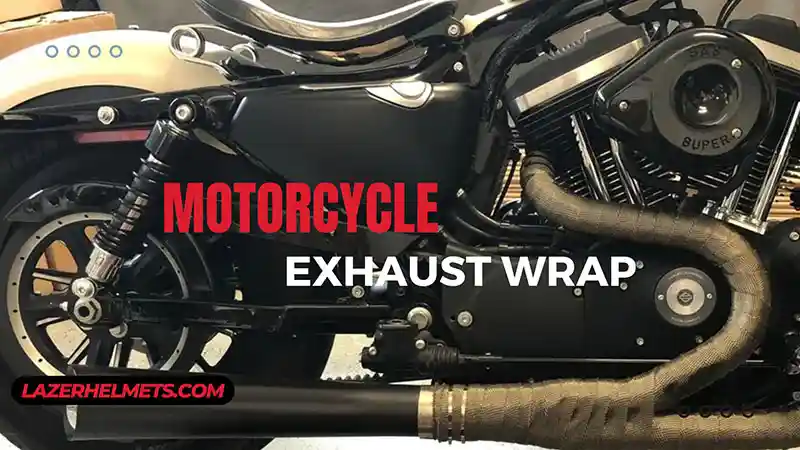
What is Motorcycle Exhaust Wrap?
Motorcycle exhaust wrap, often referred to as header wrap, is a thermal insulation material designed to cover exhaust pipes. Its primary function is to minimize heat dissipation, thereby retaining higher temperatures within the exhaust system.
This helps to improve the efficiency of exhaust gas flow and performance. Typically, motorcycle exhaust wraps are made from materials such as fiberglass, titanium, or volcanic rock, each offering varying degrees of heat resistance and durability.
Materials Used in Exhaust Wrap
There are several materials commonly used in motorcycle exhaust wraps:
- Fiberglass: The most prevalent choice, fiberglass wraps are cost-effective and provide good heat insulation.
- Titanium: Although often marketed as such, many titanium wraps are made from crushed volcanic rock, providing enhanced heat resistance.
- Volcanic Rock: Known for its high heat tolerance, wraps made from volcanic rock are ideal for high-performance applications.
Functionality and Purpose
The primary purpose of exhaust wraps is to keep exhaust gases hotter for longer, which can improve the efficiency of the exhaust system. The hotter gases can exit the exhaust more quickly, potentially resulting in better engine performance.
Additionally, these wraps help protect nearby components from excessive heat and can provide a more aesthetically pleasing look to the motorcycle by covering unsightly rust or blemishes on the exhaust pipes.
Common Brands and Types
There are several well-known brands in the market offering various types of exhaust wraps. Some popular options include:
- Design Engineering: Known for their high-quality fiberglass wraps.
- Heatshield Products: Offers a range of wraps, including those made from volcanic rock.
- DEI: Provides wraps that are both effective and aesthetically appealing.
Pros of Using Motorcycle Exhaust Wrap
Motorcycle exhaust wraps offer several advantages that can enhance the performance and comfort of the riding experience. Below are the key benefits associated with installing exhaust wraps on motorcycles.
Improved Engine Performance
One of the most touted benefits of exhaust wraps is the potential for improved engine performance. By retaining heat in the exhaust pipes, the gases can exit more quickly, promoting better airflow into the engine.
Riders have reported noticeable improvements in responsiveness and acceleration after wrapping their exhaust systems. This effect, often termed the scavenging effect, occurs because hotter gases create lower pressure within the exhaust, allowing for quicker expulsion and thereby increasing horsepower.
Reduced Heat Damage
Exhaust wraps provide an added layer of insulation that helps protect other components of the motorcycle from heat damage. Without wraps, exhaust pipes can reach extremely high temperatures, causing harm to nearby parts like wiring and plastic components.
By using wraps, riders can maintain a safer temperature range, ultimately prolonging the life of their motorcycle’s parts.
Enhanced Aesthetics
Aesthetic appeal is another significant advantage of exhaust wraps. Many riders appreciate the rugged, custom look that wrapped exhausts provide.
Moreover, wraps can cover up rust and blemishes, giving the motorcycle a cleaner and more polished appearance. Riders looking to personalize their bikes often turn to exhaust wraps as a quick and visually impactful modification.
Key Data Points
| Benefit | Reported Improvement |
|---|---|
| Engine Performance | Increased horsepower by 5-10% |
| Heat Damage Protection | Reduced risk of nearby component failure |
| Aesthetic Appeal | Enhanced custom look, hides rust |
The data in the table highlights the reported improvements in engine performance, heat protection, and aesthetics as key advantages of using exhaust wraps. Riders have often noted horsepower increases ranging from 5% to 10%, which can be significant for those modifying their motorcycles for enhanced performance.
The insulation properties of the wraps also play a critical role in protecting surrounding components from heat damage, thus increasing the overall reliability of the motorcycle. Aesthetically, the ability to cover unsightly rust and provide a more customized look is often cited as a major reason for choosing exhaust wraps.
Cons of Using Motorcycle Exhaust Wrap
While there are notable advantages to motorcycle exhaust wraps, it is equally important to consider the potential drawbacks associated with their use. Below, we explore some of the key disadvantages that riders should be aware of.
Risk of Corrosion and Damage
One of the primary concerns with exhaust wraps is the potential for trapping moisture against the exhaust system. This can lead to corrosion, especially if the wrap gets wet and remains in contact with the metal for extended periods.
In some cases, users have reported rusting and deterioration of the exhaust pipes after applying wraps, particularly if they did not properly seal or maintain the wraps.
Increased Exhaust Temperature
Although retaining heat can improve performance, it can also lead to higher exhaust temperatures that may not be suitable for all motorcycle models. Increased internal temperatures can lead to quicker wear and damage to the exhaust system itself.
Some riders have experienced pipes becoming brittle and cracking due to the extended heat exposure, which can ultimately necessitate costly repairs or replacements.
Visual Discoloration and Maintenance
Another downside is the tendency for exhaust wraps to discolor over time. Exposure to heat, moisture, and road grime can cause the wraps to fade or become stained, diminishing the visual appeal they initially provided.
This means that regular maintenance is necessary to keep the wraps looking good, which can add to the overall cost and effort of ownership.
Key Data Points
| Concern | Reported Issues |
|---|---|
| Corrosion Risk | Increased instances of rust on exhaust pipes |
| Heat Damage | Pipes becoming brittle and cracking |
| Discoloration | Fading and staining over time |
The table provides insights into the reported issues associated with motorcycle exhaust wraps, such as corrosion, heat damage, and discoloration. These problems can result in significant maintenance challenges for riders.
Corrosion risk is particularly concerning, as it can lead to premature failure of exhaust components. Additionally, the increased heat may shorten the lifespan of pipes, while discoloration can detract from the bike’s overall aesthetics.
Therefore, riders must weigh these disadvantages carefully before deciding to install exhaust wraps on their motorcycles.
Installation Process for Exhaust Wrap
Installing motorcycle exhaust wraps can be a straightforward process, but it requires careful attention to detail to ensure effective application. Below is a step-by-step guide to help you through the installation.
Tools Needed for Installation
Before starting the installation, gather the following tools:
- Socket Set
- Screwdriver Set
- Torque Wrench
- Scissors
- Needle Nose Pliers
- Clamps and/or Vice
- High-Temperature Adhesive (optional)
Step-by-Step Installation Guide
- Remove the Exhaust Pipe: Start by removing the exhaust pipe from the motorcycle. Use penetrating oil on the bolts to ease removal.
- Clean the Pipe: Scrape off any melted materials and clean the surface with brake cleaner.
- Soak the Wrap: Lightly wet the exhaust wrap to make it easier to mold and apply.
- Wrap the Pipe: Begin wrapping from the back to the front, ensuring overlaps of approximately half an inch.
- Secure the Wrap: Use metal clamps or zip ties to secure the ends of the wrap firmly.
- Reinstall the Exhaust: Once wrapped, reinstall the exhaust pipe carefully, ensuring no sharp edges are exposed.
Common Mistakes to Avoid
To ensure a successful installation, avoid these common pitfalls:
- Insufficient Overlap: Not overlapping the wrap adequately can lead to gaps, reducing effectiveness.
- Wet Application: While soaking the wrap is beneficial, avoid completely submerging it, as this may wash away protective coatings.
- Ignoring Adhesive: If using high-temperature adhesive, ensure it is applied correctly before wrapping for better durability.
Installation Timeline and Tools Checklist
| Step | Estimated Time | Tools Needed |
|---|---|---|
| Remove Exhaust Pipe | 30 minutes | Socket Set, Screwdriver |
| Clean Pipe | 15 minutes | Brake Cleaner, Rags |
| Wrap Installation | 45 minutes | Scissors, Zip Ties |
| Reinstall Exhaust | 30 minutes | Torque Wrench |
This table outlines the estimated time required for each step of the installation process. The total time for a complete installation can range from 1.5 to 2 hours.
Having the right tools on hand can significantly streamline the process and reduce the likelihood of mistakes. For example, a torque wrench is crucial for ensuring that exhaust bolts are secured to the correct specifications, which can prevent leaks and ensure optimal performance.
Proper preparation and attention to detail during installation can lead to a successful outcome, maximizing the benefits of using exhaust wraps.
Maintenance and Care for Exhaust Wrap
Once you’ve installed exhaust wraps, proper maintenance is essential to ensure their longevity and effectiveness. Here are some tips to help you care for your motorcycle exhaust wraps.
Cleaning Techniques
Cleaning exhaust wraps should be done carefully to avoid damaging the material. It’s advisable to:
- Use a damp cloth to wipe off dust and debris.
- Avoid using strong chemicals, which can degrade the wrap.
- Inspect for any signs of wear or fraying during cleaning.
Signs of Wear to Look Out For
Regular inspections are crucial to catch any potential issues early. Be on the lookout for:
- Discoloration or fading of the wrap material.
- Fraying edges or loose sections that need re-tightening.
- Moisture retention, which can lead to corrosion.
When to Replace Your Exhaust Wrap
The lifespan of exhaust wraps can vary based on usage and environmental conditions. Generally, consider replacing the wrap if you notice:
- Significant discoloration or damage that affects performance.
- Signs of rust on the exhaust pipes underneath the wrap.
- Excessive wear after prolonged exposure to moisture.
Key Data Points
| Type of Wrap | Average Lifespan |
|---|---|
| Fiberglass | 1-3 years |
| Titanium | 2-4 years |
| Volcanic Rock | 3-5 years |
The table above summarizes the average lifespan of different types of exhaust wraps. While fiberglass wraps are the most cost-effective, they tend to have a shorter lifespan of 1 to 3 years.
In contrast, titanium and volcanic rock wraps offer greater durability and can last significantly longer, making them a worthwhile investment for riders looking for longevity. Understanding the expected lifespan of your chosen wrap can help you plan for maintenance and replacement, ensuring that your motorcycle performs optimally and maintains its aesthetic appeal over time.
Performance vs. Aesthetics: What Matters More?
When considering the use of motorcycle exhaust wraps, riders often grapple with the balance between performance benefits and aesthetic appeal. This section explores both aspects.
Performance Metrics
Performance metrics are crucial for riders focused on enhancing their motorcycle’s capabilities. Key performance benefits associated with exhaust wraps include:
- Increased horsepower and torque due to improved exhaust flow.
- Better throttle response from reduced back pressure.
- Enhanced engine efficiency by maintaining optimal exhaust temperatures.
Aesthetic Preferences
On the flip side, aesthetics play a significant role in many riders’ decisions. Exhaust wraps can transform the look of a motorcycle, offering a custom, rugged appearance.
Riders often choose wraps to:
- Conceal rust and corrosion on exhaust pipes.
- Add a personal touch to their motorcycle’s design.
- Enhance the overall visual appeal of the bike.
Personal Experience from Riders
Many riders have shared their experiences regarding the trade-off between performance and aesthetics. Some riders prioritize performance improvements and are willing to accept the potential visual drawbacks of wraps.
Others may opt for a more aesthetically pleasing appearance, focusing on how their motorcycle looks rather than the performance gains. Ultimately, personal preferences will dictate the importance of each aspect.
Key Data Points
| Aspect | Rider Preference |
|---|---|
| Performance | 65% |
| Aesthetics | 35% |
The data presented in this table reflects survey results indicating that a significant majority of riders prioritize performance gains over aesthetics when considering exhaust wraps. Approximately 65% of riders focus on the functional benefits, such as increased horsepower and improved throttle response, while 35% place greater emphasis on the visual appeal of their motorcycles.
This division highlights the diversity in rider priorities, suggesting that both performance and aesthetics hold value, but individual preferences will ultimately guide the decision-making process regarding exhaust wrap installation.
Alternatives to Exhaust Wrap
For riders considering modifications to their motorcycle’s exhaust system, there are several alternatives to exhaust wraps that can offer similar benefits without some of the associated drawbacks. Below are some popular options.
Benefits of Ceramic Coating
Ceramic coating is a popular alternative to exhaust wraps and provides several benefits:
- Superior heat retention without the risk of corrosion.
- Improved durability and resistance to wear and tear.
- Less maintenance required compared to wraps, as coatings do not discolor or fade as easily.
Heat Shields vs. Wraps
Heat shields are another effective option for preventing heat transfer from exhaust components. Some advantages include:
- Directly mounted to the exhaust system, providing a clean look.
- Reducing radiant heat without the risk of moisture retention that can lead to rust.
- Available in various materials, including stainless steel and aluminum.
Cost Comparisons
When considering the costs associated with these alternatives, here’s a brief overview:
| Modification Type | Average Cost |
|---|---|
| Exhaust Wrap | $15 – $50 |
| Ceramic Coating | $100 – $300 |
| Heat Shields | $30 – $150 |
The table above provides a cost comparison for exhaust wraps, ceramic coatings, and heat shields. While exhaust wraps are the most affordable option, they may require more frequent replacement and maintenance.
Ceramic coatings, while initially more expensive, offer longer-lasting protection and durability. Heat shields provide a middle ground in terms of cost and can be a more visually appealing option.
Ultimately, the choice among these alternatives will depend on a rider’s budget, performance goals, and aesthetic preferences.
Legal Considerations and Regulations
Before applying exhaust wraps or any modifications to a motorcycle’s exhaust system, it is vital to consider the legal implications and regulations that may apply.
Noise Regulations
Many regions have strict noise regulations regarding motorcycle exhaust systems. While exhaust wraps themselves do not directly affect noise levels, they can alter the sound of the exhaust.
Riders should ensure that any modifications do not breach local noise ordinances to avoid penalties.
Emission Standards
In addition to noise regulations, emission standards can vary significantly by region. It is essential to verify that any modifications, including exhaust wraps, comply with local emissions laws.
Some jurisdictions may require specific emissions testing, and non-compliance could lead to fines or issues with vehicle registration.
Manufacturer Warranties
Installing exhaust wraps can potentially void the warranty of certain motorcycle components or the entire bike. Riders should review the warranty terms from their manufacturer to understand the implications of any aftermarket modifications.
Key Data Points
| Regulation Type | Potential Impact |
|---|---|
| Noise Regulations | Fines for exceeding noise limits |
| Emission Standards | Failure to pass emissions tests |
| Warranty Issues | Voided warranties on modified components |
The table summarizes the potential impacts of various regulations on motorcycle modifications. Noise regulations can lead to fines if a motorcycle exceeds permissible sound levels, while emissions standards may result in failure to pass required tests.
Additionally, modifying the exhaust system with wraps may void manufacturer warranties, which could lead to substantial repair costs if issues arise. Therefore, riders must be informed about these regulations to make responsible modifications to their motorcycles.
FAQs about Motorcycle Exhaust Wrap
What are the benefits of using motorcycle exhaust wrap?
Motorcycle exhaust wraps provide several benefits, including improved engine performance through better exhaust flow, reduced heat damage to surrounding components, and enhanced aesthetics by covering rust and blemishes. Riders often report increased horsepower and torque as a result of wrapping their exhaust systems, making it a popular modification among enthusiasts.
Can motorcycle exhaust wraps cause damage to my exhaust system?
Yes, exhaust wraps can potentially cause damage to the exhaust system if moisture gets trapped underneath the wrap. This can lead to corrosion and rusting of the exhaust pipes over time. It is crucial to apply the wrap correctly and maintain it to mitigate these risks.
How long do motorcycle exhaust wraps typically last?
The lifespan of motorcycle exhaust wraps depends on the material used and the riding conditions. Generally, fiberglass wraps last 1-3 years, while titanium and volcanic rock wraps can last 2-4 and 3-5 years respectively, provided they are well maintained and installed properly.
Is it difficult to install motorcycle exhaust wrap?
Installing motorcycle exhaust wrap is generally considered a beginner-friendly task that can be completed in a couple of hours. However, it requires attention to detail and the right tools to ensure a secure and effective application. Following proper installation guidelines will help achieve the best results.
Are there any legal issues associated with using exhaust wrap?
Yes, there can be legal issues associated with using exhaust wraps. Local noise and emission regulations may affect the legality of such modifications, and using exhaust wraps can potentially void manufacturer warranties. Riders should familiarize themselves with local laws and warranty terms before proceeding with modifications.
Conclusion
In conclusion, motorcycle exhaust wraps offer both benefits and drawbacks that riders must consider before installation. While they can enhance engine performance and aesthetics, potential risks such as corrosion and increased heat should not be overlooked.
Ultimately, riders should weigh the pros and cons based on their individual needs and preferences. With careful consideration and proper installation, exhaust wraps can be a valuable addition to your motorcycle.