Obtaining a motorcycle license in Indiana is a process that involves several key steps designed to ensure safety and compliance with state laws. This guide will explore How to Get a Motorcycle License in Indiana, including age restrictions, necessary permits, and training options.
The importance of motorcycle safety courses cannot be overstated, as they equip riders with essential skills and knowledge. Additionally, we will discuss the skills test required for endorsement and provide insights into resources to help you navigate the process successfully.
By the end of this article, you will have a clear understanding of what it takes to legally ride a motorcycle in Indiana and how to maximize your chances of success.
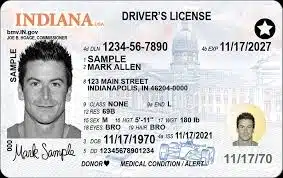
1. Understanding the Basics of Motorcycle Licensing in Indiana
In Indiana, operating a motorcycle legally requires obtaining a motorcycle license endorsement. This endorsement is crucial as it signifies that a rider has met specific requirements set forth by the Indiana Bureau of Motor Vehicles (BMV).
It is essential to understand the distinction between a motorcycle license and an endorsement. A motorcycle license refers to a standalone license, while an endorsement allows individuals with an existing driver’s license to operate a motorcycle legally.
Definitions: License vs. Endorsement
A motorcycle license is a separate credential allowing individuals to operate motorcycles exclusively. In contrast, a motorcycle endorsement is added to an existing Indiana driver’s license, permitting the holder to ride motorcycles.
Legal Age Requirements
The minimum age requirement to operate a motorcycle in Indiana is 16 years and 90 days. This age requirement ensures that riders have reached a level of maturity necessary for safe riding.
Importance of a Valid Driver’s License
Before obtaining a motorcycle endorsement, individuals must possess a valid Indiana driver’s license. This prerequisite ensures that riders have a foundational understanding of road rules and regulations, which are critical for safe motorcycle operation.
2. Age Requirements for Motorcycle Licensing
Age plays a significant role in the licensing process in Indiana. Different age groups have specific requirements and restrictions, particularly for minors.
Understanding these nuances is essential for prospective motorcycle riders.
Minimum Age for Learner’s Permit
To obtain a motorcycle learner’s permit in Indiana, applicants must be at least 16 years old. This permit allows individuals to practice riding under specific restrictions, enhancing their skills before applying for a full endorsement.
Requirements for Riders Under 18
Riders under the age of 18 must have parental or guardian consent to obtain a motorcycle learner’s permit. Additionally, they must have a parent or guardian sign an Agreement of Financial Liability, which holds the adult responsible for any damages or liabilities incurred while the minor is riding.
Timeline for Progressing to Full License
After holding a motorcycle learner’s permit for at least 30 days, riders can progress to take the skills test to obtain their motorcycle endorsement. This timeline allows new riders to gain sufficient practice and experience before being fully licensed.
3. Obtaining a Motorcycle Learner’s Permit
The first step in the journey to becoming a licensed motorcyclist in Indiana is obtaining a motorcycle learner’s permit. This permit allows individuals to practice riding while adhering to specific regulations.
Written Knowledge Test Overview
To acquire a motorcycle learner’s permit, applicants must pass a written knowledge test. This test assesses the applicant’s understanding of motorcycle operation, safety rules, and relevant state laws based on the Indiana Motorcycle Operator’s Manual.
Documentation Needed
When applying for a motorcycle learner’s permit, applicants must present several documents, including:
- Valid Indiana driver’s license
- Proof of identity
- Parental consent form (if under 18)
Permit Restrictions and Validity
The motorcycle learner’s permit is valid for a period of one year. However, it comes with several restrictions, including:
- Riders must wear a DOT-approved helmet at all times.
- Riding is permitted only between daylight hours, specifically from a half-hour before sunrise to a half-hour after sunset.
- Riders cannot carry passengers.
4. The Role of Motorcycle Safety Courses
Motorcycle safety courses play an integral role in preparing new riders for the road. They are not mandatory for obtaining a motorcycle endorsement in Indiana, but completing a course provides several benefits.
Benefits of Completing a Safety Course
Completing a motorcycle safety course can significantly enhance a rider’s skills and confidence. Graduates of these courses may also qualify for a waiver of the skills test required by the BMV, simplifying the process of obtaining an endorsement.
What to Expect in a Safety Course
Typically, safety courses consist of five hours of classroom instruction followed by ten hours of practical riding exercises in a controlled environment. These courses cover essential topics such as risk management, safe riding techniques, and emergency maneuvers.
List of Approved Course Providers
Indiana offers several authorized providers for motorcycle safety courses, including:
- Ride Safe Indiana
- Local motorcycle training centers
- Community colleges with motorcycle training programs
5. Taking the Skills Test
After successfully holding a motorcycle learner’s permit and optionally completing a safety course, the next step is to take the skills test, a crucial component in obtaining a motorcycle endorsement.
Skills Test Overview
The skills test assesses a rider’s ability to operate a motorcycle safely and effectively. It includes various maneuvers that demonstrate control and riding skills.
Required Equipment and Preparation
To take the skills test, riders must provide their own motorcycle, which must be street-legal and registered. Additionally, they must wear:
- DOT-approved helmet
- Long pants and closed-toe shoes
- Eye protection
Common Skills Tested
During the skills test, applicants will be evaluated on several critical maneuvers, including:
- Starting and stopping
- Cornering
- Weaving through cones
- Performing U-turns and quick stops
6. Skills Test Locations and Scheduling
Finding the right location and scheduling your skills test is essential for a smooth endorsement process. Here are the key details you need to know.
Locations for Skills Testing
Motorcycle skills tests are conducted at various locations across Indiana, including:
- BMV branches
- Authorized Ride Safe Indiana testing sites
- Local motorcycle training centers
How to Schedule Your Test
To schedule a skills test, applicants can:
- Visit their local BMV branch
- Contact an authorized testing provider directly
- Check for available slots through online portals if applicable
Fees and Payment Methods
The fee for taking the skills test varies by provider, but it generally ranges from $40 to $50. Payment methods may include cash or credit/debit cards, depending on the location.
7. Transferring an Out-of-State License
If you hold a motorcycle license from another state and are moving to Indiana, you may transfer your endorsement following specific guidelines.
Eligibility for Transfer
New Indiana residents who possess a valid motorcycle endorsement from another state can transfer their endorsement without retaking the skills test. However, they must pass a motorcycle knowledge exam based on the Indiana Motorcycle Manual.
Necessary Documentation
When transferring a motorcycle license, applicants must provide:
- Proof of identity and residency in Indiana
- Original out-of-state motorcycle endorsement
- Documentation showing completion of a motorcycle safety course, if applicable
Testing Requirements for Transfers
If the out-of-state endorsement has been expired for more than 180 days, applicants may need to retake the motorcycle knowledge exam and possibly the skills test, depending on the circumstances.
8. Insurance Requirements for Motorcyclists
In addition to licensing, Indiana law mandates that all motorcycle riders maintain insurance coverage. Understanding the insurance requirements is crucial for legal operation.
Minimum Insurance Requirements
Indiana requires motorcyclists to have a minimum insurance coverage that includes:
- $25,000 for bodily injury or death of one person
- $50,000 for bodily injury or death of two or more people
- $25,000 for damage to property
Finding Affordable Motorcycle Insurance
When searching for motorcycle insurance, consider comparing quotes from multiple providers. Look for discounts that may apply, such as safe rider discounts or bundling policies with auto insurance.
Understanding Policy Terms
Familiarize yourself with key insurance terms, such as liability coverage, collision coverage, and comprehensive coverage. Understanding these terms will help you make an informed decision when selecting a policy.
9. Tips for New Motorcycle Riders
Starting your journey as a motorcycle rider can be exhilarating yet daunting. Here are essential tips to help you navigate the riding experience safely.
Essential Riding Gear
Investing in high-quality riding gear is critical for safety. Essential items include:
- DOT-approved helmet
- Protective jackets and pants
- Gloves and sturdy footwear
Safety Tips for New Riders
New riders should prioritize safety by:
- Always wearing protective gear
- Practicing defensive riding techniques
- Avoiding riding in adverse weather conditions
Riding in Various Weather Conditions
Weather can significantly impact riding conditions. Be cautious in rain or fog and adjust your speed and following distance accordingly.
Familiarizing yourself with how different weather conditions affect motorcycle handling is vital for safety.
FAQs on How to Get a Motorcycle License in Indiana
What is the minimum age to obtain a motorcycle learner’s permit in Indiana?
The minimum age is 16 years old. This age requirement allows individuals to start practicing motorcycle riding legally under specific restrictions.
Do I need to complete a motorcycle safety course to get my endorsement?
No, completing a motorcycle safety course is not mandatory, but it is highly recommended as it can provide valuable skills and knowledge, and may waive certain testing requirements.
How long is my motorcycle learner’s permit valid?
A motorcycle learner’s permit is valid for one year, during which riders must adhere to specific restrictions to practice their skills.
What documents do I need to bring to the BMV for a motorcycle endorsement?
Applicants must present their valid Indiana driver’s license, proof of identity, and, if under 18, a signed Agreement of Financial Liability.
Can I ride a motorcycle at night with a learner’s permit?
No, riding at night is prohibited with a learner’s permit. Riders must practice during daylight hours only.
What is involved in the motorcycle skills test?
The skills test assesses a rider’s ability to control the motorcycle and includes tasks like stopping, cornering, and swerving through obstacles.
How do I transfer my motorcycle endorsement from another state?
New Indiana residents must pass a motorcycle knowledge exam based on the Indiana Motorcycle Manual to transfer their endorsement.
What type of insurance do I need for my motorcycle in Indiana?
Indiana law requires motorcycle riders to have liability insurance covering at least $25,000 for injury or death of one person, $50,000 for two or more people, and $25,000 for property damage.
Conclusion
In conclusion, obtaining a motorcycle license in Indiana requires navigating several steps, from securing a learner’s permit to passing a skills test. By understanding the requirements and taking advantage of available resources, such as safety courses, you can ensure a smooth process toward becoming a licensed motorcyclist.
Whether you are a new rider or transferring from another state, being well-prepared will help you enjoy the freedom of the open road safely and responsibly.


