
Motorcycle riding offers a sense of freedom and adventure, but it comes with significant risks. Statistics show that motorcyclists are 27 times more likely to die in an accident than car passengers, making it essential to understand common motorcycle accidents and how to prevent them.
This article will explore the most Common Motorcycle Accidents, their causes, the injuries they can lead to, and practical tips for avoiding accidents. By being informed and taking preventive measures, riders can enhance their safety and enjoy their rides more fully.

Understanding Common Motorcycle Accidents
This section provides an overview of the common types of motorcycle accidents, setting the stage for deeper exploration in subsequent sections. Understanding these accidents can help riders recognize risks.
Left-Turning Cars
Left-turning cars are a leading cause of motorcycle accidents. They account for 42% of two-vehicle crashes involving motorcycles, primarily due to drivers’ inattention.
Riders must be vigilant at intersections, anticipating that cars may not see them.
Lane-Change Collisions
Lane-change accidents occur when drivers fail to check their blind spots, resulting in collisions with motorcycles. Riders should position themselves to avoid being in blind spots and maintain a safe distance from vehicles changing lanes.
Rear-End Accidents
Rear-end collisions are particularly dangerous for motorcyclists. They often happen at stoplights when drivers are distracted.
Riders can mitigate this risk by stopping to one side of the lane and keeping an eye on traffic behind them.
Table: Common Motorcycle Accident Types
| Accident Type | Percentage of Total Motorcycle Accidents |
|---|---|
| Left-Turning Cars | 42% |
| Lane-Change Collisions | 25% |
| Rear-End Collisions | 20% |
| Road Hazards | 13% |
The table above illustrates the types of common motorcycle accidents and their respective percentages. As indicated, left-turning cars represent the highest proportion of accidents at 42%.
This highlights the critical need for motorcyclists to be especially cautious at intersections and to anticipate potential hazards from vehicles making left turns.
Left-Turning Cars: The Most Dangerous Collision
This section will delve into accidents caused by cars making left turns, which are responsible for a large percentage of motorcycle fatalities. It will discuss how these crashes occur and prevention strategies.
How to Spot Left-Turning Cars
- Always assume drivers don’t see you.
- Slow down at intersections.
- Observe turning wheels and the driver’s head movements.
- Utilize a bright headlight during the day.
Prevention Techniques
To avoid crashes with left-turning cars, riders should take proactive measures such as maintaining a safe distance from vehicles and being prepared to brake at intersections. Riders can significantly reduce their risk of collision by being vigilant and adopting defensive riding techniques.
Table: Left-Turn Accident Statistics by Year
| Year | Left-Turn Motorcycle Crashes |
|---|---|
| 2019 | 1,200 |
| 2020 | 1,400 |
| 2021 | 1,600 |
The table above shows the increasing trend in left-turn motorcycle crashes over the years. The rise from 1,200 crashes in 2019 to 1,600 in 2021 suggests a growing concern regarding this type of accident.
It emphasizes the importance of awareness and caution while riding, particularly at intersections where such collisions are more likely to occur.
Lane Change and Blind Spot Accidents
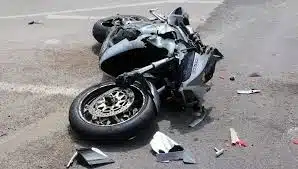
This section will cover how lane changes by other vehicles can lead to accidents, focusing on the challenges posed by blind spots and how riders can protect themselves.
Recognizing Blind Spots
Motorcyclists must understand the blind spots of other vehicles, particularly larger ones, as they can easily go unnoticed. Staying out of these blind spots can significantly reduce the risk of accidents.
Defensive Riding Strategies
Effective defensive riding strategies include adjusting your position on the road to ensure visibility and keeping a safe distance from vehicles that may change lanes. Anticipating lane changes and being prepared to react is crucial for preventing accidents.
Rear-End Collisions: A Hidden Threat
This section will explore rear-end collisions, a common accident type for motorcyclists, especially at stoplights. It will include tips for avoiding such accidents.
Safe Stopping Techniques
- Stop to the side of the lane, not in the middle.
- Flash your brake light by gently tapping it.
- Always keep your bike in gear while waiting.
Situational Awareness Tips
Maintaining situational awareness is vital in preventing rear-end collisions. Riders should consistently monitor their mirrors for approaching vehicles and have an escape plan in case of an emergency.
Table: Common Causes of Rear-End Collisions
| Cause | Percentage of Total Rear-End Collisions |
|---|---|
| Distracted Driving | 35% |
| Tailgating | 30% |
| Sudden Stops | 20% |
| Weather Conditions | 15% |
The table above highlights the common causes of rear-end collisions. Distracted driving constitutes the largest portion at 35%, emphasizing the significance of being alert and aware of your surroundings.
Understanding these causes can help motorcyclists take preventative measures to avoid being struck from behind, especially in high-traffic areas.
Accidents Due to Road Hazards
This section will discuss the impact of road conditions on motorcycle accidents, including gravel, potholes, and debris, and how to navigate these hazards safely.
Identifying Common Road Hazards
Motorcyclists should be aware of common road hazards such as potholes, gravel, and debris, which can significantly impact their stability and control. Recognizing these hazards early can help prevent accidents.
How to Adjust Riding for Conditions
Riders should adapt their speed and riding techniques according to road conditions. This includes slowing down on unfamiliar roads and being extra cautious after rain, as the surfaces may be slick and dangerous.
Intoxicated Riding and Its Consequences
This section will examine the prevalence of riding under the influence and how it dramatically increases accident risk, detailing both legal and health implications.
Alcohol and Drug Effects on Riding
Operating a motorcycle under the influence of alcohol or drugs severely impairs a rider’s judgment, coordination, and reaction times. Approximately 26% of motorcyclists involved in fatal crashes had alcohol in their system, highlighting the need for responsible riding.
Legal Consequences of Intoxicated Riding
Riding under the influence not only increases the risk of accidents but also leads to severe legal repercussions, including fines, license suspension, and potential jail time. Riders must understand these consequences and prioritize safety.
Table: BAC Levels and Their Effects on Motorcycle Riding
| BAC Level | Effect on Riding |
|---|---|
| 0.02% | Loss of judgment and relaxation. |
| 0.08% | Significant impairment of motor skills and coordination. |
| 0.15% | Severe impairment, increased risk of accidents. |
The table above illustrates the effects of various blood alcohol concentration (BAC) levels on riding ability. Even at a BAC of 0.02%, riders begin to experience diminished judgment, while a BAC of 0.08% leads to significant impairment in motor skills.
This data underscores the importance of remaining sober when operating a motorcycle to avoid life-threatening accidents.
Common Injuries from Motorcycle Accidents
This section will highlight the most frequent injuries sustained in motorcycle accidents, explaining their severity and the importance of protective gear.
Head and Brain Injuries
Head injuries are the leading cause of death among motorcyclists. Wearing a helmet can significantly reduce the risk of severe injury, yet many riders still choose to forgo this essential safety gear.
Road Rash and Skin Injuries
Road rash is a common injury resulting from skin abrasion against the pavement. This type of injury can range from mild to severe, leading to complications such as infections if not treated properly.
Fractures and Breaks
Broken bones are prevalent in motorcycle accidents, particularly in the lower extremities. Injuries to the legs, wrists, and collarbone are common and can require extensive medical treatment and rehabilitation.
Table: Percentage of Specific Injuries in Motorcycle Accidents
| Injury Type | Percentage of Total Injuries |
|---|---|
| Head Injuries | 25% |
| Fractures | 30% |
| Road Rash | 20% |
| Soft Tissue Injuries | 15% |
| Other (Burns, etc.) | 10% |
The data presented in the table reveals that fractures are the most common injuries sustained in motorcycle accidents, accounting for 30%. Meanwhile, head injuries comprise 25% of total injuries.
This underlines the importance of wearing protective gear, especially helmets, to mitigate the risks associated with riding.
Preventive Measures for Safer Riding
This section will provide actionable tips for riders on how to stay safe on the road, including wearing appropriate gear, taking training courses, and employing defensive riding techniques.
Importance of Protective Gear
Wearing protective gear such as helmets, gloves, jackets, and boots is crucial for motorcyclists. Such gear can significantly reduce the severity of injuries in the event of an accident.
Safety Courses and Training
Participating in motorcycle safety courses can enhance riding skills and awareness. Training helps riders understand their bikes better and prepares them for handling various road conditions safely.
Riding Techniques for Safety
- Maintain a safe following distance from other vehicles.
- Be visible; use reflective gear and lights.
- Adjust riding speed to match weather and road conditions.
FAQs about Common Motorcycle Accidents
What are the most common types of motorcycle accidents?
The most common types of motorcycle accidents include collisions with left-turning cars, lane-change accidents, and rear-end collisions. Each type of accident has distinct causes and requires different preventive measures, highlighting the importance of awareness and defensive riding.
How can I prevent left-turn accidents?
To prevent left-turn accidents, always be cautious at intersections. Assume that drivers do not see you, slow down when approaching intersections, and keep an eye out for turning vehicles.
Using bright headlights and wearing reflective gear can also enhance your visibility.
What should I do if I am involved in a motorcycle accident?
If involved in a motorcycle accident, prioritize your safety by seeking medical attention immediately. Document the scene, gather evidence, and exchange information with other parties involved.
Contacting a personal injury attorney can help you navigate the legal aspects of your case.
How can wearing a helmet reduce injury severity?
Wearing a helmet is one of the most effective ways to reduce injury severity in a motorcycle accident. Helmets absorb impact energy during a crash, significantly lowering the risk of head injuries and fatalities.
Studies show that proper helmet use can decrease the likelihood of severe brain injuries by up to 67%.
What are the signs of a distracted driver?
Signs of a distracted driver include swerving between lanes, erratic speed changes, and failure to signal when changing lanes. Additionally, a driver who is looking down frequently or appears engrossed in a device may pose a higher risk to motorcyclists.
Staying alert and maintaining distance from such vehicles can enhance safety.
Conclusion
In conclusion, understanding common motorcycle accidents and their causes is vital for every rider. By being aware of the risks associated with left turns, lane changes, and road conditions, and by employing preventive measures such as wearing protective gear and practicing safe riding techniques, motorcyclists can significantly reduce their chances of accidents.
Riding a motorcycle can be an exhilarating experience, and prioritizing safety ensures that this joy can be enjoyed for years to come.