
In the world of motorcycle maintenance, understanding the signs of a slipping clutch is crucial for ensuring safety and optimal performance. A slipping clutch can lead to reduced power transfer, affecting acceleration and overall riding experience.
This article will explore Motorcycle Clutch Slipping Symptoms, the potential causes behind these symptoms, and the importance of timely maintenance. By being aware of these signs, riders can take proactive measures to address clutch issues before they escalate, ensuring a smoother and safer ride.
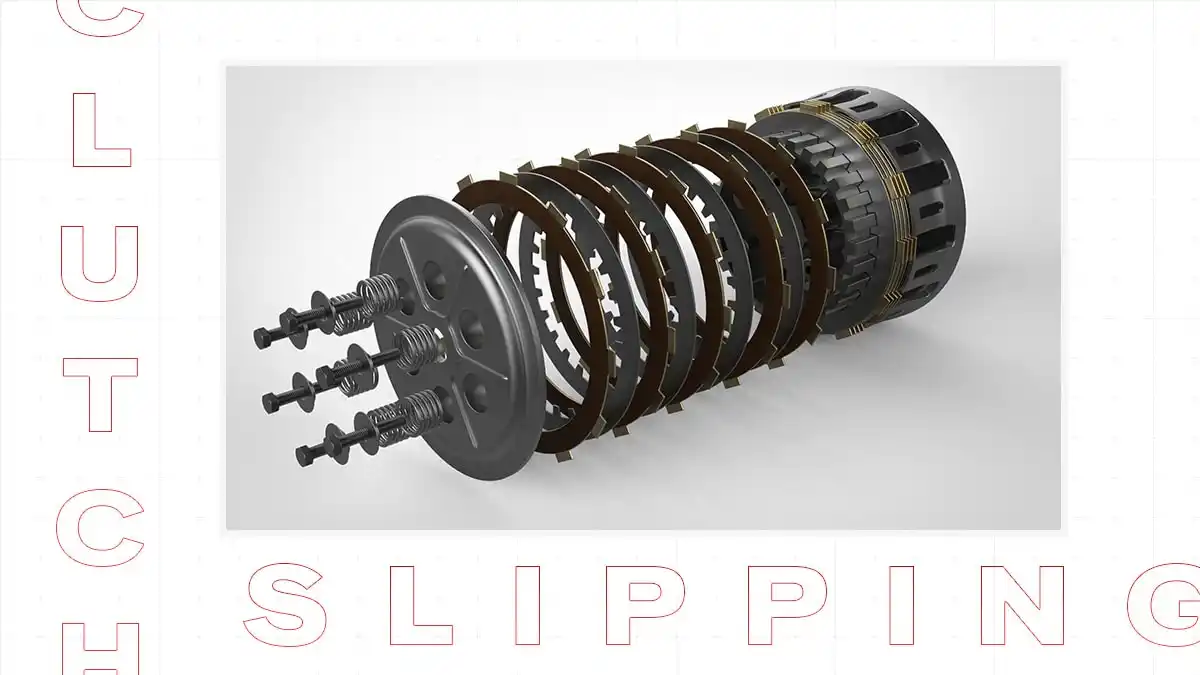
Common Symptoms of a Slipping Clutch
Identifying a slipping clutch early can make a significant difference in maintenance costs and safety. Here are the primary symptoms that riders should watch for:
High RPMs without Speed Increase
One of the most noticeable symptoms of a slipping clutch is when the engine RPMs increase significantly without a corresponding increase in speed. This can often be felt when the throttle is opened during acceleration.
Riders may observe an increase of 2000-3000 RPMs without the motorcycle moving forward as expected. This discrepancy indicates that the clutch is not fully engaging and is a clear sign of slippage.
Difficulty Shifting Gears
Another common symptom is difficulty in shifting gears smoothly. If the rider experiences grinding noises or feels resistance when attempting to shift, it may indicate that the clutch is not fully disengaging.
This can lead to missed shifts or unexpected false neutrals, which can jeopardize both safety and performance.
Unusual Noises from the Clutch
Unusual noises, such as grinding, rattling, or hissing sounds when the clutch is engaged, can also signal problems. These noises indicate that the internal components of the clutch may be worn or damaged, contributing to slippage.
Symptoms Table
| Symptom | Description |
|---|---|
| High RPMs without Speed Increase | Engine RPMs increase by 2000-3000 without acceleration. |
| Difficulty Shifting Gears | Grinding noises or resistance when shifting. |
| Unusual Noises from the Clutch | Grinding, rattling, or hissing sounds indicating internal wear. |
This table summarizes the common symptoms associated with a slipping clutch. Recognizing these early signs can help prevent further damage and ensure a safer riding experience.
For example, the increase in RPMs without acceleration is particularly critical, as it directly impacts the rider’s control over the motorcycle. Additionally, difficulty in shifting gears can not only lead to a frustrating riding experience but also increases the risk of accidents if the rider cannot change speeds effectively.
Lastly, unusual noises can indicate more severe underlying issues that may require immediate attention.
Causes of Clutch Slippage
Understanding the causes of clutch slippage is essential for effective preventive maintenance. Here are some common reasons why a clutch may slip:
Worn Clutch Plates
Over time, the friction material on the clutch plates wears down due to constant engagement and disengagement. This wear reduces the plates’ ability to grip, leading to slippage.
A significant reduction in clutch effectiveness can occur, sometimes as much as 50% when plates are worn.
Incorrect Clutch Cable Adjustment
Improper adjustment of the clutch cable can lead to slippage. If the cable is too loose, it may not allow the clutch to engage fully.
Conversely, if it is too tight, it can prevent the clutch from disengaging properly, both scenarios resulting in performance issues.
Contaminated Clutch Fluid
For motorcycles with wet clutches, contamination of the clutch fluid can lead to slippage. Dirt, metal particles, or moisture in the fluid can reduce its lubricating properties, causing the clutch to slip rather than engage effectively.
Causes Table
| Cause | Symptoms | Recommended Fix |
|---|---|---|
| Worn Clutch Plates | Reduced grip, slipping during acceleration. | Replace clutch plates. |
| Incorrect Clutch Cable Adjustment | Difficulty engaging/disengaging clutch. | Adjust clutch cable to proper tension. |
| Contaminated Clutch Fluid | Slippage, poor engagement. | Change clutch fluid and clean system. |
This table outlines the various causes of clutch slippage, their corresponding symptoms, and recommended fixes. For instance, recognizing that worn clutch plates can result in reduced grip is crucial for timely replacement.
Similarly, understanding the importance of proper clutch cable adjustment can prevent issues related to engagement and disengagement. Lastly, the need for clean and uncontaminated fluid is paramount for the smooth operation of wet clutches, which rely on fluid for effective power transfer.
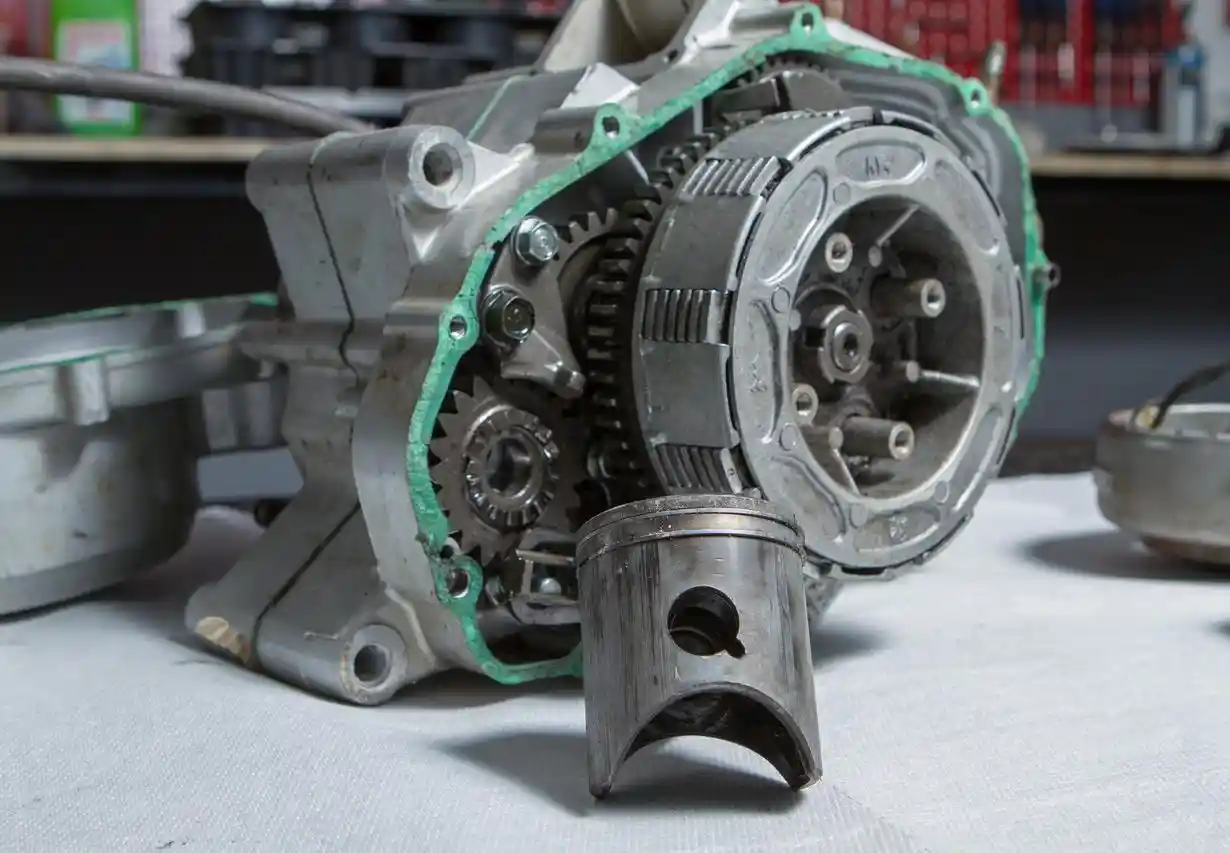
How to Test for Clutch Slippage
Testing for clutch slippage is vital for diagnosing potential issues before they worsen. Here are some effective methods for assessing clutch performance:
Road Test Techniques
Performing a simple road test can help determine if the clutch is slipping. While riding, shift into a higher gear at a low speed and open the throttle.
If the engine revs increase without the bike accelerating, this indicates clutch slippage. Ideally, the bike should respond with a corresponding increase in speed.
Visual Inspection Methods
A visual inspection can reveal potential issues with the clutch. Look for signs of wear on the clutch plates and check the condition of the clutch cable for fraying or damage.
Additionally, inspect the clutch fluid for contamination, which can affect performance.
Lever Adjustment Checks
Check the clutch lever’s adjustment by pulling it in and observing its engagement point. The clutch should start engaging smoothly when the lever is about 50% out.
If there is excessive slack or tightness, adjustments may be necessary.
Testing Steps Table
| Testing Method | Steps |
|---|---|
| Road Test | Shift to higher gear, accelerate. Check for RPM increase without speed increase. |
| Visual Inspection | Inspect clutch plates, cable condition, and fluid cleanliness. |
| Lever Adjustment Check | Pull lever in, check engagement point at 50% out. |
This table outlines the testing methods for assessing clutch performance. Conducting a road test is particularly effective, as it allows riders to experience the clutch’s behavior under load.
Visual inspections are equally important, allowing for early identification of wear or damage. Lastly, checking lever adjustment is a straightforward yet crucial step in ensuring optimal clutch performance.
Regular testing can help prevent more serious issues from developing, ultimately leading to a safer and more enjoyable riding experience.
Maintenance Tips to Prevent Clutch Issues
Preventive maintenance is key to prolonging the life of a motorcycle’s clutch system. Here are actionable tips for maintaining optimal clutch performance:
Regular Cable Adjustments
Regularly check and adjust the clutch cable to ensure it maintains the proper tension. This is crucial as it helps prevent slipping and ensures the clutch engages and disengages smoothly.
A small adjustment can significantly affect clutch performance.
Fluid Changes and Quality Checks
Change the clutch fluid regularly and ensure it is of high quality. Contaminated or old fluid can lead to slippage and reduced performance.
Refer to the manufacturer’s guidelines for the recommended fluid change intervals.
Avoiding Clutch Riding
Avoid the habit of “riding the clutch,” which involves keeping the clutch partially engaged while riding. This practice increases wear on the clutch plates and can lead to premature failure.
Always fully engage or disengage the clutch when necessary.
Maintenance Schedule Table
| Maintenance Task | Frequency |
|---|---|
| Cable Adjustment | Every 1000 miles or as needed. |
| Fluid Change | Every 2000 miles or annually. |
| Clutch Plate Inspection | Every 5000 miles. |
This maintenance schedule table outlines essential tasks and their recommended frequencies. Regular cable adjustments every 1000 miles ensure that the clutch operates smoothly and effectively.
Changing the fluid every 2000 miles or annually helps maintain optimal performance and prevent slippage. Additionally, inspecting clutch plates every 5000 miles allows for early detection of wear, helping to avoid more significant issues down the line.
Following this schedule can significantly extend the life of the clutch system.
When to Seek Professional Help
Recognizing when to consult a professional mechanic is essential for maintaining the motorcycle’s clutch system effectively. Here are signs that indicate the need for expert intervention:
Persistent Slippage
If the clutch continues to slip despite adjustments and regular maintenance, it may indicate more severe underlying issues that require professional assessment. Persistent slippage can lead to further damage and should be addressed immediately.
Unusual Burning Smells
A burning smell, particularly resembling burnt rubber or oil, is a critical warning sign. This smell often indicates that the clutch is overheating and could be on the verge of failure.
Ignoring this smell can lead to more extensive repairs.
Mechanical Failures
If the rider experiences significant difficulty in shifting gears, unusual noises, or a complete inability to engage the clutch, it’s time to consult a professional. These symptoms often point to mechanical failures within the clutch system that require specialized tools and expertise to diagnose and fix.
Professional Help Table
| Sign | Action Required |
|---|---|
| Persistent Slippage | Consult a mechanic for diagnosis. |
| Unusual Burning Smells | Seek immediate professional assessment. |
| Mechanical Failures | Professional repair needed. |
This table highlights critical signs that warrant professional help and the recommended actions for each. Persistent slippage is a clear indication of more serious issues, while unusual burning smells should never be ignored, as they can lead to catastrophic failure.
Recognizing mechanical failures early can prevent unsafe riding conditions and costly repairs. Seeking professional help promptly can ensure that clutch problems are resolved effectively, maintaining the safety and performance of the motorcycle.
FAQs on Motorcycle Clutch Slipping Symptoms
What are the main symptoms of a slipping clutch?
The primary symptoms of a slipping clutch include high RPMs without a corresponding increase in speed, difficulty in shifting gears, and unusual noises coming from the clutch. Riders often notice that the engine revs significantly when they accelerate, but the motorcycle does not gain speed as expected.
This can lead to a frustrating riding experience and may indicate a need for maintenance or repairs.
How can I test if my motorcycle clutch is slipping?
To test for clutch slippage, conduct a simple road test by shifting into a higher gear at a low speed and then opening the throttle. If the engine RPMs rise without a corresponding increase in speed, this indicates slippage.
Additionally, visual inspections of the clutch components and checking the clutch lever adjustment can provide insights into its performance.
What causes a motorcycle clutch to slip?
A motorcycle clutch may slip due to worn clutch plates, incorrect clutch cable adjustments, or contaminated clutch fluid. As the friction material on the plates wears down, their ability to engage decreases, leading to slippage.
Improper cable tension can also prevent the clutch from engaging fully, while contaminated fluid can reduce lubricating properties, causing performance issues.
How often should I adjust my clutch cable?
It is advisable to check and adjust the clutch cable every 1000 miles or as needed. Regular adjustments help ensure that the clutch operates smoothly, preventing slippage and maintaining optimal performance.
Riders should be attentive to changes in the clutch lever feel, as excess slack or tightness may indicate the need for adjustment.
When should I replace my motorcycle clutch?
The motorcycle clutch should be replaced if it exhibits persistent slippage despite adjustments, if there are significant signs of wear on the clutch plates, or if the clutch lever feels unusually soft or has an undefined engagement point. Regular inspections every 5000 miles can help identify the need for replacement before severe issues develop.
Conclusion
In conclusion, recognizing the symptoms of a slipping clutch is vital for every motorcycle rider. By understanding the signs, causes, and prevention methods outlined in this article, riders can maintain their motorcycles effectively and ensure their safety on the road.
Regular maintenance, timely repairs, and awareness of clutch performance will lead to a more enjoyable riding experience. If any symptoms persist, consulting a professional mechanic is highly recommended to avoid further complications.