
In the world of motorcycle maintenance, choosing the right oil for your Harley Davidson is essential for optimal performance and engine longevity. This article will explore about What Type of Oil Does a Harley Davidson Use?, including engine oil, primary oil, and transmission fluid.
We will delve into the specifics of each type, discuss the benefits of synthetic versus conventional oils, and address common questions that riders have regarding oil changes and maintenance. With insights from industry experts and Harley Davidson’s own recommendations, this guide aims to equip motorcycle owners with the knowledge they need to make informed decisions about oil for their beloved bikes.
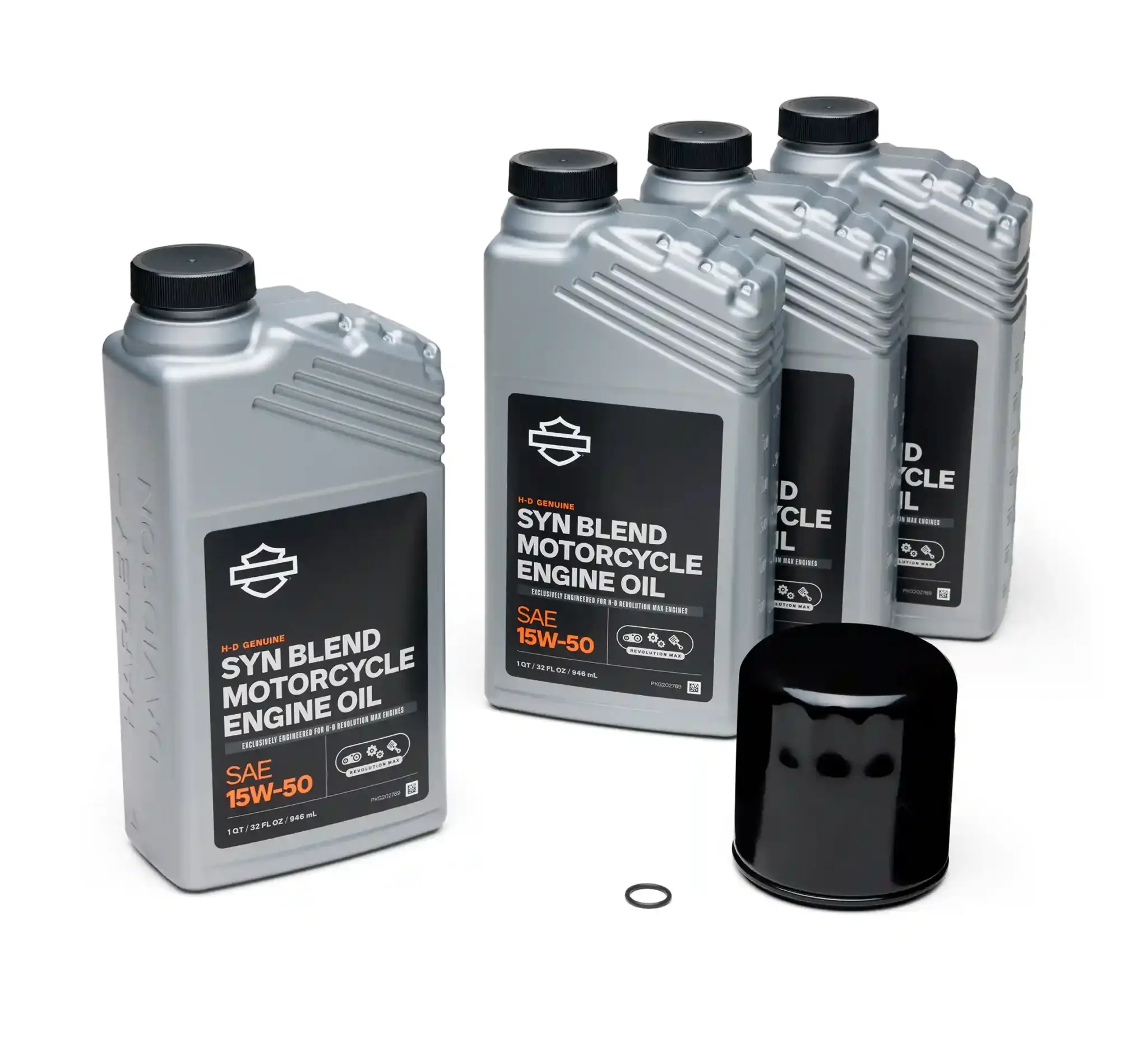
Understanding Harley Davidson Oil Requirements
Harley Davidson motorcycles have unique lubrication needs due to their air-cooled V-twin engines and varying configurations across models. The manufacturer specifies different types of oil for the engine, primary chaincase, and transmission, ensuring optimal performance and protection.
Engine Oil
Engine oil is crucial for lubricating the moving parts of the engine, reducing wear, and maintaining optimal temperatures. The recommended oil grade for most Harley Davidson motorcycles is 20W-50.
This viscosity is well-suited for air-cooled engines, providing adequate protection in both hot and cold conditions.
Primary Chaincase Oil
The primary chaincase requires oil that can effectively lubricate the chain and clutch components. Harley Davidson recommends using a specific primary oil, such as the Genuine Harley-Davidson H-D 360 or SYN3, to ensure proper function and longevity of the primary system.
Transmission Fluid
Transmission fluid is essential for smooth gear shifting and overall transmission operation. Harley Davidson provides guidelines for using different oils based on the model, with options for dedicated transmission fluid that offers superior performance compared to motor oils.
| Oil Type | Application | Recommended Grade |
|---|---|---|
| Engine Oil | Engine | 20W-50 |
| Primary Chaincase Oil | Primary Chaincase | Specific Primary Oil (e.g., H-D 360) |
| Transmission Fluid | Transmission | Specific Transmission Fluid |
The table above summarizes the different types of oil recommended for Harley Davidson motorcycles. Each oil type is tailored to its respective application, ensuring the engine, primary chaincase, and transmission operate efficiently.
Using the correct oil is vital for maintaining the motorcycle’s performance and reliability. For instance, using a 20W-50 engine oil ensures that the engine remains well-lubricated under varying temperatures while the specific primary and transmission oils provide the necessary protection for those components.
Recommended Oil Types for Harley Davidson
Choosing the right oil type for your Harley Davidson is essential to maximize engine performance and longevity. The recommended oil options can be categorized into three main types: synthetic oils, conventional oils, and blended oils.
Synthetic Oils
Synthetic oils are engineered to provide superior performance and protection compared to conventional oils. For Harley Davidson motorcycles, AMSOIL Synthetic V-Twin 20W-50 is a popular choice among riders.
Synthetic oils offer several advantages, including excellent heat resistance, better lubrication at low temperatures, and extended oil change intervals. These oils are particularly beneficial for high-performance riding conditions.
Conventional Oils
Conventional oils have been widely used in Harley Davidson motorcycles for many years. The Genuine Harley-Davidson H-D 360 Motorcycle Oil 20W-50 is a conventional option recommended by the manufacturer.
While conventional oils may require more frequent changes, they still provide adequate protection for the engine, especially for older models or those not subjected to high-performance conditions.
Blended Oils
Blended oils combine synthetic and conventional oil properties, aiming to offer a middle ground in terms of performance and cost. These oils can be a good option for riders looking for better performance than conventional oils while avoiding the higher costs associated with fully synthetic options.
| Oil Type | Performance | Cost |
|---|---|---|
| Synthetic Oils | High | High |
| Conventional Oils | Moderate | Low |
| Blended Oils | Moderate-High | Moderate |
The table above illustrates the performance and cost comparison among different oil types for Harley Davidson motorcycles. Synthetic oils provide the highest level of performance and protection, making them ideal for riders who demand the best from their machines.
Conventional oils, while cost-effective, may not offer the same level of protection, especially under extreme conditions. Blended oils serve as a versatile alternative, providing an optimal balance between performance and cost, making them suitable for a variety of riding styles.
Viscosity Ratings Explained
Understanding viscosity ratings is key to selecting the right oil for your Harley Davidson. Viscosity refers to the thickness of the oil and its ability to flow at different temperatures.
The most common viscosity rating for Harley Davidson motorcycles is 20W-50. This rating indicates that the oil performs well in both cold and hot temperatures.
What Do the Numbers Mean?
The first number in the viscosity rating (20W) represents the oil’s viscosity at low temperatures. The “W” stands for winter, indicating that this oil flows well in cold weather.
The second number (50) indicates the viscosity at high temperatures, ensuring that the oil remains thick enough to provide protection during engine operation.
Why Viscosity Matters in Motorcycles
Motorcycles, particularly Harley Davidson models, operate in varying temperatures and conditions. Using oil with the correct viscosity ensures that all engine components are adequately lubricated, reducing wear and preventing overheating.
Oils that are too thin may not provide sufficient protection in high-temperature situations, while oils that are too thick may not flow properly in cold conditions.
Effects of Temperature on Oil Performance
Temperature has a significant impact on oil performance. At higher temperatures, oil can thin out, reducing its ability to protect engine components.
Conversely, at lower temperatures, oil may become too thick, making it difficult for the engine to start. Therefore, selecting oil with the right viscosity rating is crucial for optimal engine performance.
| Viscosity Rating | Cold Temperature Performance | High Temperature Performance |
|---|---|---|
| 20W-50 | Good | Excellent |
| 10W-40 | Excellent | Good |
| 15W-50 | Good | Very Good |
The table above shows viscosity ratings and their performance in different temperature conditions. The 20W-50 rating is favored for Harley Davidson motorcycles due to its balanced performance at both low and high temperatures.
While 10W-40 oils may offer superior cold performance, they may not provide the same level of protection at high temperatures. Similarly, while 15W-50 oils perform well in hot conditions, they may not flow as effectively in colder climates.
Choosing the right viscosity rating is essential for ensuring engine efficiency and longevity.
The Benefits of Using Synthetic Oils
Switching to synthetic oils for Harley Davidson motorcycles can offer numerous advantages that enhance performance and protect engine components.
Performance Advantages
Synthetic oils are designed to provide superior protection against wear and breakdown, especially in high-performance scenarios. They maintain their viscosity better under extreme temperatures and resist oxidation, which can lead to sludge buildup in the engine.
This means that synthetic oils help keep the engine cleaner and running smoother for longer periods.
Cost Considerations
While synthetic oils tend to be more expensive upfront, they often provide extended oil change intervals, which can offset the initial cost over time. Many riders report that using synthetic oils allows them to go longer between changes without sacrificing performance or protection.
This can lead to cost savings in the long run.
Environmental Impact
Synthetic oils typically last longer and require fewer changes, which can lead to reduced oil waste. Additionally, many synthetic oils are produced with more environmentally friendly processes and materials, making them a better choice for eco-conscious riders.
| Benefit | Synthetic Oils | Conventional Oils |
|---|---|---|
| Wear Protection | Superior | Moderate |
| Oil Change Intervals | Extended | Frequent |
| Environmental Impact | Lower Waste | Higher Waste |
The table above highlights the benefits of using synthetic oils compared to conventional oils. The superior wear protection provided by synthetic oils makes them an excellent choice for maintaining engine health in Harley Davidson motorcycles.
Additionally, the extended oil change intervals not only save money but also reduce environmental impact by minimizing oil waste. For riders looking to maximize their bike’s performance and longevity, switching to synthetic oils is a highly recommended option.
Common Oil Change Intervals
Regular oil changes are crucial for maintaining the performance and longevity of Harley Davidson motorcycles. However, the intervals can vary based on the model and the type of oil used.
Engine Oil Change Frequency
Harley Davidson recommends changing the engine oil every 5,000 miles if using synthetic oil. For conventional oils, the interval is generally shorter, around 2,500 to 3,000 miles.
It’s essential to consult the owner’s manual for specific recommendations based on the model and riding conditions.
Primary and Transmission Oil Changes
For the primary and transmission oils, Harley Davidson suggests changing these fluids every 10,000 miles for synthetic and every 5,000 miles for conventional oils. These intervals can vary based on riding conditions, so regular checks are advisable.
Factors Affecting Oil Change Intervals
Several factors can influence how often you should change your oil, including riding style, climate, and the type of oil used. Riders who frequently operate their motorcycles in extreme conditions—such as high temperatures, heavy traffic, or dusty environments—may need to perform oil changes more frequently.
| Oil Type | Engine Oil Change Interval | Primary Oil Change Interval | Transmission Oil Change Interval |
|---|---|---|---|
| Synthetic | 5,000 miles | 10,000 miles | 10,000 miles |
| Conventional | 2,500-3,000 miles | 5,000 miles | 5,000 miles |
The table above provides a clear overview of the recommended oil change intervals for different types of oil used in Harley Davidson motorcycles. As highlighted, synthetic oils allow for longer change intervals compared to conventional oils, which require more frequent replacements.
Riders should always consult their owner’s manual to ensure they adhere to the proper maintenance schedule tailored for their specific model and riding conditions. Regular oil changes are vital to maintain engine performance, protect vital components, and ensure a smooth and enjoyable riding experience.
FAQs on What Type of Oil Does a Harley Davidson Use?
What type of oil should I use for my Harley Davidson?
The recommended oil for most Harley Davidson motorcycles is 20W-50, which is suitable for air-cooled V-twin engines. Harley Davidson offers synthetic options like Screamin’ Eagle SYN3 and conventional options such as H-D 360.
It’s essential to refer to your owner’s manual for specific recommendations based on your model.
How often should I change the oil in my Harley?
For synthetic oils, Harley Davidson recommends an oil change interval of 5,000 miles. If using conventional oils, the interval is typically shorter, around 2,500 to 3,000 miles.
Additionally, primary and transmission fluids should be changed every 10,000 miles for synthetic and every 5,000 miles for conventional oils.
Can I use synthetic oil in my Harley Davidson?
Yes, you can use synthetic oil in your Harley Davidson. Synthetic oils, like AMSOIL 20W-50, are designed to provide superior protection and performance.
Many riders prefer synthetic oils for their longer change intervals and better resistance to breakdown under extreme temperatures.
What is the difference between engine oil and primary oil?
Engine oil lubricates the internal components of the motorcycle’s engine, while primary oil is used to lubricate the primary chaincase, which connects the engine to the transmission and includes the clutch assembly. Using the correct oil for each application is crucial for optimal performance.
Is it okay to mix different oil brands?
It is generally not recommended to mix different oil brands, as they can have varying formulations that may not be compatible. If you must add oil and only have a different brand available, it’s best to change the oil completely at the earliest opportunity to avoid potential issues.
Always consult your owner’s manual for guidance.
Conclusion
In conclusion, selecting the right oil for your Harley Davidson is critical to maintaining engine health and performance. By understanding the specific oil requirements for your model and the benefits of different oil types, you can make informed choices that enhance your riding experience.
Regular oil changes and using the recommended oil will not only prolong the life of your motorcycle but also ensure a smoother and more enjoyable ride. As always, consult your owner’s manual and consider expert recommendations to keep your Harley in top shape.