
Starting your motorcycle while connected to a battery tender may seem convenient, especially in cold weather when battery performance drops. However, trying to start motorcycle on battery tender can pose risks that may damage your bike’s electrical system
This article will explore the functionality of battery tenders, the potential hazards of starting a motorcycle with one connected, and best practices for maintaining your battery’s health. By understanding how to properly use a battery tender, you can ensure your motorcycle is always ready for the road while avoiding unnecessary repairs and safety issues.
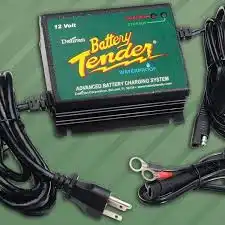
What is a Battery Tender?
A battery tender, often referred to as a trickle charger, is a device designed to maintain the charge of a motorcycle’s battery when it’s not in use. By preventing deep discharges and ensuring a consistent voltage level, battery tenders play a crucial role in prolonging the lifespan of motorcycle batteries, especially in colder months when batteries are prone to losing power.
Types of Battery Tenders
| Type | Description | Benefits |
|---|---|---|
| Standard Battery Tenders | Traditional chargers that provide a low, steady current. | Reliable for occasional use; prevents deep discharges. |
| Smart Battery Tenders | Use advanced technology to adjust output based on battery state. | Reduces overcharging risk; enhances battery longevity. |
| Solar Battery Tenders | Charge the battery using solar panels. | Eco-friendly; portable for remote locations. |
The table above illustrates the different types of battery tenders available, showcasing their unique features and benefits. Standard battery tenders are ideal for occasional use, particularly in colder weather when battery drain is more likely.
Smart battery tenders, with their ability to automatically adjust output, provide an additional layer of protection against overcharging, which can be damaging to the battery. Finally, solar battery tenders are a great option for eco-conscious riders, allowing for battery maintenance even in remote areas without access to traditional power sources.
Overall, selecting the right battery tender can significantly impact battery performance and longevity.
How Battery Tenders Work
Battery tenders operate through microprocessor-controlled circuitry, which allows them to manage the charging process more effectively than traditional chargers. When connected, a battery tender will initially charge the battery to a specific voltage and then switch to a maintenance mode to keep the battery at that voltage without overcharging.
This process involves multiple stages, including initialization, bulk charge, absorption mode, and float mode.
Benefits of Using a Battery Tender
| Benefit | Description |
|---|---|
| Prevents Battery Drain | Maintains optimal voltage during periods of inactivity. |
| Extends Battery Life | Reduces deep discharges which can shorten battery lifespan. |
| User-Friendly Operation | Simple to use with safety features like overcharge protection. |
| Enhances Starting Reliability | Ensures a charged battery for reliable engine starts. |
| Convenient Maintenance | Allows hassle-free maintenance for infrequent riders. |
This table highlights the key benefits of using a battery tender. By preventing battery drain, a battery tender ensures that motorcycle owners do not encounter dead batteries when they are ready to ride.
Additionally, extending battery life is a crucial benefit, as it reduces the need for frequent replacements, resulting in cost savings over time. The user-friendly nature of battery tenders, combined with their ability to enhance starting reliability, makes them an invaluable tool for motorcycle enthusiasts.
Finally, the convenience of automatic maintenance is particularly beneficial for those who ride infrequently, allowing them to enjoy their bike without the stress of battery management.
Risks of Starting a Motorcycle with a Battery Tender Connected
While battery tenders are designed to maintain battery health, starting a motorcycle with one still connected presents significant risks. These include electrical overloads, potential damage to the tender, and even safety hazards.
Electrical Overload
Starting a motorcycle requires a significant surge of power from the battery, which can create an electrical overload if the battery tender is still connected. This can damage both the motorcycle’s electrical components and the battery tender itself, leading to costly repairs.
Sparks and Short Circuits
Loose or corroded connections between the battery and the tender can become hazardous when the ignition is activated. The sudden power demand can produce sparks, which could ignite flammable materials nearby, posing a fire risk.
Manufacturer Warnings
Most manufacturers of battery tenders explicitly advise against starting a motorcycle while the tender is still connected. Ignoring these warnings can compromise both the safety of the motorcycle and the longevity of the battery and tender.
| Risk | Description | Statistics |
|---|---|---|
| Electrical Overload | Surge in power can damage electrical components. | Reported electrical failures related to improper battery usage. |
| Sparks and Short Circuits | Loose connections can lead to fire hazards. | Incidents of sparks causing battery fires. |
| Manufacturer Warnings | Ignoring guidelines can void warranties. | Many manufacturers recommend disconnection before starting. |
This table summarizes the risks associated with starting a motorcycle while connected to a battery tender. The potential for electrical overload is a primary concern, as it can lead to costly damage to both the motorcycle and the tender.
Additionally, the risk of sparks and short circuits highlights the importance of ensuring secure connections before starting the motorcycle. Finally, adherence to manufacturer warnings is crucial for maintaining warranty coverage and ensuring the safety of the motorcycle’s electrical system.
Overall, these risks underline the importance of proper battery maintenance practices.
Best Practices for Using a Battery Tender
To maximize the benefits of a battery tender while minimizing risks, it is essential to follow best practices when using these devices. Here are some key recommendations for safely using a battery tender.
Always Disconnect Before Starting
Before starting your motorcycle, always disconnect the battery tender. This practice prevents electrical overloads and potential damage to both the battery and the tender, ensuring a safer starting process.
Regularly Inspect Connections
| Action | Frequency | Purpose |
|---|---|---|
| Check Connections | Monthly | Ensure they are clean and secure. |
| Inspect for Corrosion | Every 3 months | Prevent performance issues and safety hazards. |
| Examine Battery Health | Bi-annually | Identify signs of wear or failure. |
The table outlines the recommended inspection schedule for battery tender connections. Regularly checking connections helps ensure optimal performance and safety, while inspecting for corrosion prevents poor electrical contact that can lead to starting issues.
Additionally, examining overall battery health is essential for early identification of potential problems, allowing for timely replacements before they lead to riding disruptions. Adhering to this inspection schedule can significantly enhance the reliability and lifespan of the motorcycle battery.
Monitor Battery Health
Keep an eye on your battery’s overall condition. Look for signs of wear, such as corrosion around the terminals or a bulging case.
If your battery struggles to hold a charge, it might be time for a replacement.
Choose the Right Battery Tender
Not all battery tenders are created equal. If you frequently start your motorcycle, consider investing in a smart battery maintainer.
These devices are designed to handle the demands of starting while providing consistent charging.
Follow Manufacturer Instructions
Each battery tender comes with specific guidelines for use. Always read the manual and follow the recommended procedures for your device to maximize its effectiveness.
Expert Tips for Motorcycle Battery Maintenance
Maintaining your motorcycle’s battery is key to ensuring reliable performance and longevity. Here are some expert tips to keep your battery in optimal condition.
Seasonal Maintenance Tips
- Winter Preparation: Cold weather drains battery power more quickly. Use a battery tender or remove the battery for warm storage.
- Summer Precautions: High temperatures can lead to battery fluid evaporation. Keep the battery shaded or cool to prevent damage.
Signs of a Failing Battery
| Signs | Description |
|---|---|
| Slow Cranking | Engine struggles to turn over, indicating battery fatigue. |
| Flickering Lights | Dim or inconsistent lighting suggests power supply issues. |
| Low Voltage Readings | Readings below 12.6 volts indicate potential battery failure. |
This table lists common signs of a failing motorcycle battery. Slow cranking is a typical indicator of battery fatigue, while flickering lights can signal inadequate power supply to electrical components.
Monitoring voltage readings is crucial, as a reading below 12.6 volts can suggest that the battery is unable to hold a charge and may need replacement. Recognizing these signs early can help riders avoid unexpected breakdowns and enhance their overall riding experience.
Temperature Considerations
Extreme temperatures can significantly affect battery performance. Cold weather can slow down chemical reactions in the battery, leading to reduced power output.
Conversely, high temperatures can cause battery fluid to evaporate, leading to damage and reduced lifespan.
FAQs on Start Motorcycle on Battery Tender
Can I Leave My Battery Tender Connected?
Yes, you can leave smart battery tenders connected indefinitely. They are designed to maintain an optimal charge without overcharging.
However, standard battery tenders should only be used for short durations to prevent potential overcharging.
How to Tell if My Battery is Overcharging?
Signs of overcharging include excessive heat, battery swelling, or leaking fluid. Many smart battery tenders include an automatic shutoff feature to prevent overcharging, making them safer options for long-term use.
What Should I Do if My Battery Fails to Charge?
If your battery fails to charge, start by checking the connections to ensure they are secure and free of corrosion. If the issue persists, test the battery with a multimeter.
A low or zero reading may indicate that the battery needs replacement.
Conclusion
In conclusion, while it may be tempting to start your motorcycle with a battery tender still connected, the associated risks highlight the importance of proper battery maintenance. By understanding the functions and limitations of battery tenders, as well as adhering to best practices, motorcycle owners can ensure their bikes remain in top condition.
Following the guidelines discussed in this article will enhance battery longevity, provide peace of mind, and ultimately allow for more enjoyable riding experiences.