
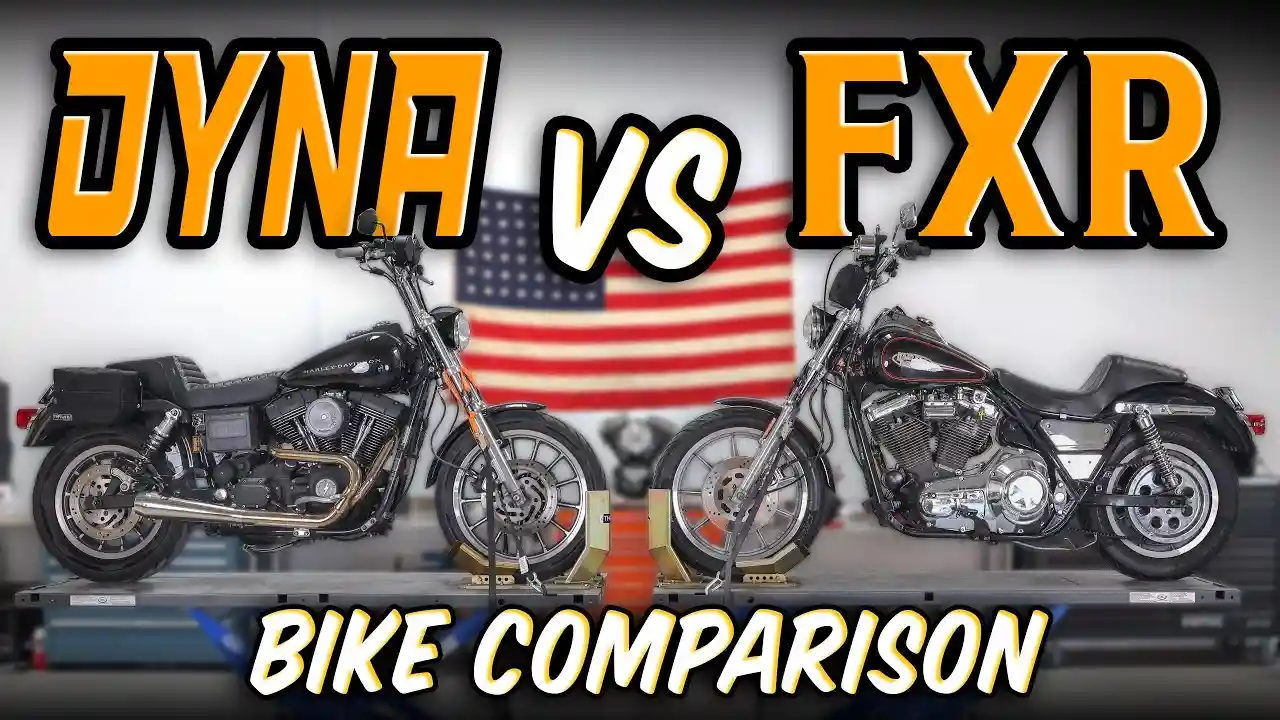
The debate between the Harley-Davidson FXR and the Dyna models has long captivated motorcycle enthusiasts and riders alike. Both models offer a unique blend of style, performance, and heritage that resonates with the deep-rooted culture of Harley-Davidson.
The FXR, known for its superior handling and innovative frame design, established a legacy that has garnered a cult following. In contrast, the Dyna series, with its robust engine lineup and classic aesthetics, appeals to a broader spectrum of riders.
This article will delve into the intricacies of both FXR vs Dyna models, exploring their design, performance, handling, and rider experiences to help prospective buyers make an informed decision.
A Brief History of FXR and Dyna Models
The FXR and Dyna series are two of the most iconic motorcycles produced by Harley-Davidson, each with its unique lineage and evolution. The FXR, introduced in 1982 and produced until 1994, was designed with a focus on handling and ride quality, offering features that were revolutionary for its time.
The Dyna, on the other hand, made its debut in 1991 and continued until 2017. It was aimed at providing a more traditional Harley experience while incorporating modern technologies and aesthetics.
FXR Origins (1982-1994)
The FXR was a product of Harley-Davidson’s efforts to enhance the ride experience by introducing a rubber-mounted engine system that significantly reduced vibration. The design featured a unique triangular frame that improved stability and handling, making it a favorite among riders seeking performance.
Over the years, various models such as the FXRS and FXLR were launched, each contributing to the model’s legacy of excellence in handling and ride comfort.
Dyna Origins (1991-2017)
The Dyna series was conceived as a blend of classic styling and modern performance. It introduced a more robust frame and a range of Twin Cam engines that provided ample power for cruising.
Models like the Super Glide and Low Rider became staples in Harley’s lineup, offering a more accessible entry point for novice riders while retaining the essence of a traditional Harley. The Dyna’s design allowed for extensive customization, making it a popular choice for those looking to personalize their ride.
| Year | FXR Model | Dyna Model |
|---|---|---|
| 1982 | FXR Introduced | – |
| 1991 | – | Dyna Introduced |
| 1994 | Last FXR Model | – |
| 2017 | – | Last Dyna Model |
The table above illustrates the timeline of significant model releases for both the FXR and Dyna series. The FXR had a shorter production run, but its impact on the motorcycle world is still felt today.
The introduction of the Dyna marked a shift towards a more versatile and customizable motorcycle option, which contributed to its popularity.
Design and Aesthetics
Both the FXR and Dyna models feature distinct design philosophies that cater to different aesthetics and functionalities. The FXR is often praised for its sporty and aggressive look, which aligns with its exceptional handling capabilities.
The frame design incorporates a triangular shape that not only enhances performance but also provides a unique visual identity.
The FXR’s Innovative Frame
The FXR’s frame is one of its standout features. This innovative design allows for better rigidity and handling, making it one of the best-handling big twins ever produced by Harley-Davidson.
The engine is mounted in a way that minimizes vibrations and enhances the overall ride quality. Riders often describe the FXR as having a “connected” feel to the road, which is largely due to this frame architecture.
Classic Dyna Styling
The Dyna models embody a more traditional Harley aesthetic, emphasizing chrome accents and classic lines. The design is both functional and stylish, appealing to riders who appreciate the iconic look of Harley-Davidson motorcycles.
The Dyna’s frame allows for customization, making it a canvas for many riders to express their individuality.
| Model | Weight (lbs) | Frame Rigidity | Customization Options |
|---|---|---|---|
| FXR | 574 | High | Moderate |
| Dyna | 599 | Moderate | High |
The table above highlights the differences in weight, frame rigidity, and customization options between the FXR and Dyna. While the FXR is slightly lighter with higher rigidity, the Dyna offers more extensive customization possibilities, allowing owners to personalize their bikes to a greater extent.
Performance Comparison
When it comes to performance, both the FXR and Dyna have their distinct advantages. The FXR is often regarded as the superior performer due to its handling characteristics and lighter frame.
Riders who prioritize agility and responsiveness tend to favor the FXR, especially in twisty or challenging road conditions.
FXR Engine Performance
The FXR models typically feature the Evolution engine, which is known for its reliability and power delivery. The 1340cc displacement provides a robust torque curve, making it an engaging ride for those who enjoy spirited riding.
The engine’s design, combined with the FXR’s superior handling, creates an exhilarating experience on the road.
Dyna Engine Performance
The Dyna lineup is characterized by its Twin Cam engines, which provide a different riding experience. The 88 cubic inch and later 96 cubic inch engines deliver plenty of power and torque, making them ideal for long-distance cruising.
While the Dyna may not handle as sharply as the FXR, its robust engine performance offers a satisfying ride for those who enjoy the classic Harley rumble.
| Model | Displacement (cc) | Torque (ft-lbs) | Horsepower |
|---|---|---|---|
| FXR | 1340 | 80 | 70 |
| Dyna | 1450 | 92 | 75 |
The table above illustrates the engine specifications for the FXR and Dyna models, highlighting the differences in displacement, torque, and horsepower. While the Dyna offers slightly higher torque and horsepower, the FXR’s lighter weight and handling characteristics often make it the preferred choice for performance-oriented riders.
Handling and Ride Quality
Handling is where the FXR truly shines, often being labeled as the best-handling big twin Harley-Davidson has ever produced. Its frame design and suspension setup contribute to a ride quality that many riders find superior to that of the Dyna.
FXR Handling Superiority
The FXR’s unique frame design features a triangulated structure that enhances rigidity and stability. This allows for precise steering and cornering capabilities that are often compared to sportier motorcycles.
Riders frequently note that the FXR feels planted and responsive, allowing for confident maneuvering in various riding conditions.
Dyna’s Comfortable Ride
The Dyna models, while not as agile as the FXR, offer a comfortable and stable ride, particularly suited for long-distance cruising. The seating position and suspension setup are designed for comfort over extended periods, making the Dyna a great choice for touring.
Riders appreciate the stability and smoothness, especially on highways and open roads.
| Model | Suspension Type | Weight Distribution | Rider Feedback |
|---|---|---|---|
| FXR | Cartridge-style | Centralized | Highly positive |
| Dyna | Non-adjustable | Lower | Generally positive |
The table above summarizes the handling characteristics of the FXR and Dyna models, including suspension type, weight distribution, and rider feedback. The FXR’s cartridge-style suspension and centralized weight distribution contribute to its superior handling, while the Dyna’s non-adjustable setup is geared more towards comfort.
Rider Experiences and Community Loyalty
The FXR and Dyna models have cultivated dedicated followings, each with distinct communities and loyal riders. The FXR’s legacy is often celebrated among enthusiasts who appreciate its handling and performance pedigree.
FXR Enthusiasts
FXR riders are typically passionate about their motorcycles, often praising the model for its agility and performance. Many view the FXR as a collector’s item, due to its limited production run and iconic status.
Communities surrounding the FXR are often centered around performance upgrades and modifications, enhancing the riding experience.
Dyna Riders
Dyna riders enjoy the versatility and customization options that their motorcycles offer. The Dyna’s strong community is characterized by a shared love for personalization, with many riders modifying their bikes to match their style and preferences.
The model’s popularity continues to endure, even after its discontinuation, as enthusiasts maintain and cherish their Dynas.
| Model | Community Size | Common Rider Sentiments |
|---|---|---|
| FXR | Smaller, niche | Focus on performance and handling |
| Dyna | Larger, diverse | Customization and classic aesthetics |
The table above outlines the community dynamics for the FXR and Dyna models, including community size and common sentiments expressed by riders. The FXR’s niche community highlights a focus on performance, while the Dyna’s larger community embraces customization and classic styling, showcasing the diverse interests of Harley-Davidson enthusiasts.
Pricing and Market Value
The market value of both FXR and Dyna models has seen fluctuations over the years, influenced by various factors such as rarity, demand, and modifications. Understanding these trends can help prospective buyers make informed decisions.
FXR Market Trends
FXR models, especially those from the “holy grail” years of 1990 and later, have seen a resurgence in interest among collectors and enthusiasts. Prices have steadily increased, with well-maintained models often fetching high resale values due to their performance reputation and limited production.
Dyna Market Trends
The Dyna series, while still popular, has experienced price fluctuations since its discontinuation in 2017. The increasing rarity of certain models has driven up demand, particularly for those with the Twin Cam engine.
However, the overall market for Dynas remains accessible, making it an appealing option for many riders.
| Model | Average Resale Price (2023) | Factors Affecting Prices |
|---|---|---|
| FXR | $15,000+ | Rarity, condition, performance |
| Dyna | $8,000 – $12,000 | Condition, modifications, popularity |
The above table shows the average resale prices for FXR and Dyna models as of 2023, along with factors influencing these prices. The FXR’s higher value reflects its collectible status and performance heritage, while the Dyna remains a more affordable yet desirable option for riders looking for a classic Harley experience.
FAQs on FXR vs Dyna
What are the main differences between FXR and Dyna? The FXR is known for its superior handling and performance-oriented design, featuring a rigid triangular frame that enhances agility.
In contrast, the Dyna offers a more traditional Harley aesthetic with a robust engine lineup, appealing to riders who prioritize customization and classic styling.
Which model is better for long-distance riding? The Dyna is generally considered better for long-distance riding due to its comfortable seating position and stable ride.
Its robust engine provides ample power for highway cruising, making it a favorable choice for touring. The FXR, while agile, may not offer the same level of comfort over long distances.
Are FXRs still being produced? No, FXR production ceased in 1994, with a few limited edition models released afterward.
However, the FXR remains highly regarded among enthusiasts and has a dedicated following due to its exceptional handling and performance characteristics.
How do customization options differ between FXR and Dyna? The Dyna is known for its extensive customization options, allowing riders to modify various components to suit personal tastes.
The FXR, while also customizable, is often seen as a more performance-focused bike, with modifications typically aimed at enhancing handling and performance rather than aesthetic changes.
What is the average resale value of an FXR compared to a Dyna? As of 2023, the average resale value for an FXR is around $15,000+, while Dyna models range from $8,000 to $12,000.
The higher value of the FXR reflects its rarity and performance legacy, whereas the Dyna remains more accessible to a wider range of riders.
Conclusion
In conclusion, the choice between the FXR and Dyna ultimately depends on the rider’s preferences, intended use, and riding style. The FXR offers a superior handling experience, making it ideal for those who prioritize performance and agility.
Meanwhile, the Dyna appeals to riders looking for a powerful engine and classic Harley aesthetics. Both models hold a special place in the hearts of motorcycle enthusiasts, and understanding their differences will help potential buyers find the perfect bike for their needs.