
In the world of motorcycle enthusiasts, Harley Davidson stands out as a symbol of freedom and adventure. However, many riders encounter shifting problems that can lead to frustration and safety concerns.
This article delves into the Harley Davidson Shifting Problems, especially those equipped with 6-speed transmissions. We will explore the causes behind these problems, provide real-world insights from fellow riders, and offer practical solutions to enhance your riding experience.
By understanding these issues and how to address them, riders can maintain their bikes more effectively and enjoy smoother rides.
Understanding the 6-Speed Transmission
The Harley Davidson 6-speed transmission is designed for improved performance and versatility, distinguishing itself from the traditional 5-speed setups commonly found in many motorcycles. The 6-speed gearbox allows for a broader range of gear ratios, enhancing the riding experience across various speeds and terrains.
Components of the 6-Speed Transmission
The core components of the 6-speed transmission include the mainshaft, countershaft, gear sets, shift forks, and the clutch assembly. Each component plays a vital role in ensuring smooth gear transitions.
The mainshaft and countershaft work together to transfer power from the engine to the wheels, while the shift forks engage the appropriate gear based on the rider’s input.
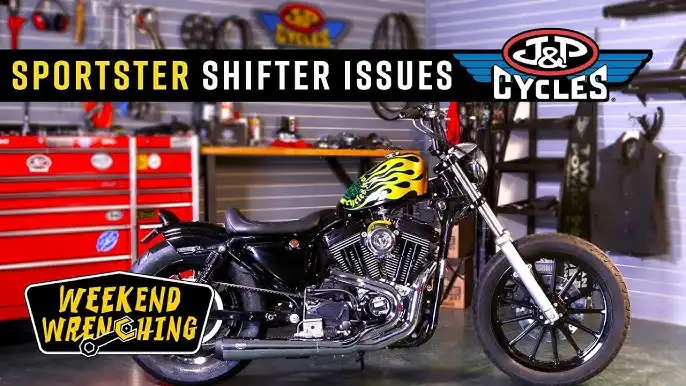
How Gear Ratios Affect Performance
Gear ratios significantly influence the performance of the motorcycle, affecting acceleration and top speed. The 6-speed transmission usually features taller gears, allowing for lower RPMs at high speeds, which contributes to fuel efficiency and reduced engine wear.
However, the design can also lead to challenges, such as lagging shifts if not properly maintained.
Common Myths about Harley Transmissions
One common myth surrounding Harley transmissions is that they are inherently problematic. While some models may have specific issues, many riders report that with proper maintenance and care, these transmissions can perform reliably for years.
Another myth is that heavier gear oils always improve performance. In reality, using the recommended oil grade is crucial for optimal function.
| Feature | 6-Speed Transmission | 5-Speed Transmission |
|---|---|---|
| Number of Gears | 6 | 5 |
| Typical Gear Ratios | Wider range for better performance | Narrower range |
| Weight | Heavier due to additional components | Lighter |
| Common Issues | Shifting problems, clunking noises | Less frequent reports of issues |
The table above compares the key features of Harley Davidson’s 6-speed transmission with the traditional 5-speed setup. The 6-speed transmission offers a wider range of gear ratios, which enhances performance and efficiency, especially at higher speeds.
However, this advantage comes with an increase in weight and the potential for specific issues, such as shifting problems and clunking noises that some riders experience. In contrast, the 5-speed transmission is lighter and has fewer reported issues, making it a reliable choice for many Harley enthusiasts.
Common Shifting Issues
Harley Davidson riders often report a variety of shifting issues, particularly with models equipped with the 6-speed transmission. These problems can range from minor annoyances to significant safety concerns on the road.
Clunking Noises When Shifting
One of the most frequently mentioned issues is the loud clunk that occurs when shifting into first gear. Many riders describe this as an unsettling sound that raises concerns about potential damage.
In reality, this clunk is often attributed to gear lash, which is common in Harley’s design. While it can be annoying, it is typically not a sign of impending failure unless accompanied by other symptoms.
Difficulty in Finding Neutral
Another prevalent complaint is the difficulty in finding neutral, especially when the bike is at a stop. Riders often experience frustration when attempting to shift from first gear to neutral.
This issue can stem from various factors, including clutch adjustment and worn shift linkages, making it essential for riders to be aware of their bike’s condition.
Missed Shifts and False Neutrals
Riders often report experiencing missed shifts, particularly when transitioning between second and third gears or fourth and fifth. False neutrals can be particularly alarming as they leave the rider unsure of the bike’s position in the gear.
These issues can lead to dangerous situations, especially when merging or accelerating.
| Shifting Issue | Frequency of Reports |
|---|---|
| Clunking Noises | Common |
| Difficulty Finding Neutral | Frequent |
| Missed Shifts | Occasional |
| False Neutrals | Common |
The table above highlights the frequency of common shifting issues reported by Harley Davidson riders. Clunking noises and difficulty finding neutral are particularly prevalent among owners of 6-speed models.
These issues underscore the importance of regular maintenance and proper adjustments. Missed shifts and false neutrals, while less frequent, can significantly impact rider safety and confidence on the road.
Addressing these issues promptly can lead to a smoother and more enjoyable riding experience.
Causes of Shifting Problems
Understanding the root causes of shifting problems is essential for effective troubleshooting and maintenance. Several factors contribute to the shifting issues experienced by Harley Davidson riders.
Clutch Adjustment Issues
Improper clutch adjustment is one of the leading causes of shifting problems. If the clutch is not set correctly, it may not fully disengage, leading to hard shifts and difficulty finding neutral.
Riders should regularly check their clutch cable tension and make adjustments as needed according to the manufacturer’s specifications.
Worn Shift Linkages
Worn or damaged shift linkages can significantly affect the precision of gear shifts. Over time, the bushings and joints within the linkage can wear out, leading to a sloppy or imprecise feel when shifting.
Riders are encouraged to inspect their shift linkages regularly and replace any worn components to ensure smooth operation.
Transmission Fluid Quality
The quality of transmission fluid is critical for optimal performance. Using the wrong type or degraded fluid can lead to shifting difficulties, increased wear, and may even contribute to transmission failure.
Riders should adhere to the manufacturer’s recommendations regarding fluid type and change intervals to maintain proper transmission health.
| Cause | Impact on Shifting |
|---|---|
| Clutch Adjustment Issues | Hard shifts, difficulty finding neutral |
| Worn Shift Linkages | Sloppy shifts, missed gears |
| Transmission Fluid Quality | Increased wear, harder shifting |
The above table outlines the common causes of shifting problems and their impacts on performance. Clutch adjustment issues are critical as they directly influence the rider’s ability to change gears smoothly.
Worn shift linkages can lead to imprecise shifts, compounding frustration for riders. Lastly, the quality of transmission fluid plays a vital role in maintaining the overall health and functionality of the transmission.
Regular maintenance and inspections can alleviate these problems and enhance the rider’s experience.
Real-World Rider Experiences
Many Harley Davidson riders have shared their personal experiences with shifting problems, offering valuable insights into troubleshooting and potential fixes.
Case Study: The Clunk into First Gear
A rider reported that the infamous clunk when shifting into first gear initially caused concern. After researching and connecting with fellow riders, they discovered that this clunk was common and often related to gear lash.
Adjusting the clutch and switching to a heavier transmission oil helped minimize the noise, although it didn’t eliminate it entirely.
Experience with Gear Whine in Fifth
Another rider noted a high-pitched whine in fifth gear, which they initially thought indicated a serious problem. After some investigation, they learned that this noise was a known characteristic of the 6-speed transmission, attributed to the straight-cut design of fifth gear.
Switching to a higher-quality transmission oil helped reduce the noise, making for a more pleasant ride.
Downshifting Difficulties
One rider experienced rough downshifts, particularly from third to second gear. They found that adjusting the clutch cable and checking the primary chain tension significantly improved the shifting feel.
This case underscores the importance of regular maintenance and tuning to achieve optimal performance.
| Issue | Rider’s Experience | Potential Fixes |
|---|---|---|
| Clunk into First Gear | Common clunk noise | Clutch adjustment, heavier oil |
| Gear Whine in Fifth | High-pitched whine | Use quality transmission oil |
| Downshifting Difficulties | Rough downshifts | Adjust clutch cable, check primary tension |
This table summarizes real-world rider experiences with shifting problems and their corresponding fixes. The anecdotal evidence illustrates the commonality of issues like clunking and gear whine, emphasizing the importance of community knowledge in addressing these concerns.
Regular maintenance and the use of quality products can enhance shifting performance and rider satisfaction.
Solutions and Maintenance Tips
To combat shifting problems effectively, riders should implement specific solutions and maintenance practices that can lead to smoother operation.
Proper Clutch Cable Adjustment
Ensuring that the clutch cable is correctly adjusted is essential for smooth shifting. Riders should refer to their motorcycle’s manual for specifications and regularly check for proper free play.
A correctly tensioned clutch cable will minimize hard shifts and improve overall responsiveness.
Choosing the Right Transmission Oil
Selecting the right transmission oil is crucial for optimal performance. Riders should avoid using engine oil in the transmission and instead opt for high-quality transmission fluids recommended by the manufacturer.
Regular oil changes are essential to prevent degradation and maintain shifting quality.
Inspecting and Replacing Shift Linkages
Regular inspection of shift linkages can prevent many shifting issues. Riders should look for wear signs in the bushings and replace them as necessary.
Upgrading to high-quality aftermarket linkages can also enhance shifting feel and reliability.
| Maintenance Tip | Recommended Action |
|---|---|
| Clutch Cable Adjustment | Check and adjust per manual |
| Transmission Oil | Use recommended high-quality oil |
| Shift Linkage Inspection | Regularly check and replace worn parts |
The table above outlines essential maintenance tips that can significantly improve shifting performance in Harley Davidson motorcycles. Proper clutch cable adjustment ensures that riders experience a responsive and smooth shifting action.
Choosing the right transmission oil contributes to overall transmission health while regular inspections of shift linkages can prevent more severe issues down the line. Together, these practices form a solid foundation for maintaining a reliable and enjoyable ride.
Upgrading Components for Improved Performance
For riders seeking to enhance their Harley Davidson’s shifting performance, upgrading specific components can yield significant benefits.
Benefits of Upgrading to Kuryakyn Linkage
Many riders have found that upgrading to aftermarket shift linkages, such as those offered by Kuryakyn, can improve shifting precision and reduce slop. These components typically feature superior materials and construction compared to stock linkages, providing a more reliable and enjoyable riding experience.
Performance Oils for Smoother Shifting
Using performance-oriented transmission oils can enhance shifting smoothness. Products specifically designed for high-performance applications often contain additives that reduce friction and improve overall transmission operation.
Riders should research and select oils that are compatible with their specific transmission type.
Importance of Regular Inspections
Regular inspections of transmission components can preemptively identify issues before they escalate. Riders should develop a routine that includes checking the clutch cable, shift linkages, and fluid quality as part of their regular maintenance schedule.
This proactive approach will help ensure a consistent and reliable riding experience.
| Upgrade | Expected Improvement |
|---|---|
| Kuryakyn Shift Linkage | Tighter, more precise shifts |
| Performance Oil | Smoother shifting, reduced noise |
| Regular Inspections | Prevention of shifting issues |
This table highlights the upgrades that can significantly enhance a rider’s experience. Upgrading to Kuryakyn shift linkages is a popular choice among Harley enthusiasts, as it directly improves shifting precision.
Performance oils further contribute to a smoother ride by minimizing friction and enhancing overall efficiency. Finally, routine inspections serve as a crucial preventive measure, ensuring that riders can address potential issues before they lead to significant problems.
When to Seek Professional Help
While many shifting issues can be addressed by the rider, certain signs indicate the need for professional assistance.
Signs of Major Transmission Issues
If a rider experiences persistent grinding noises, slipping out of gear, or significant difficulty in shifting, these may signal major transmission problems. Ignoring these symptoms can lead to costly repairs down the line, making it essential to consult a qualified mechanic as soon as possible.
Common Misdiagnoses by Riders
Many riders may misattribute serious issues to minor problems, such as clutch adjustment or fluid quality. It is vital to seek the opinion of a professional if shifting problems persist after performing basic maintenance.
Mechanics with experience in Harley Davidson motorcycles can provide insights and solutions that may not be apparent to the average rider.
Importance of Professional Diagnostics
Having a professional conduct diagnostics on the motorcycle can uncover underlying issues that may not be visible during casual inspection. Mechanics can utilize specialized tools and techniques to assess transmission health and provide tailored recommendations for repairs or upgrades.
| Sign | Recommended Action |
|---|---|
| Grind Noises | Consult a mechanic immediately |
| Difficulty Shifting | Seek professional diagnostics |
| Frequent False Neutrals | Have the transmission examined |
This table summarizes critical signs that indicate the need for professional help and the respective actions to take. Grinding noises and persistent difficulty in shifting require immediate consultation with a mechanic to prevent further damage.
Frequent false neutrals may suggest underlying issues with the transmission that necessitate professional examination. By recognizing these signs early, riders can avoid costly repairs and ensure the longevity of their motorcycles.
FAQs about Harley Davidson Shifting Problems
What should I do if my bike won’t shift?
If your Harley won’t shift, start by checking the clutch cable adjustment and ensuring it’s within the manufacturer’s specifications. Inspect your transmission fluid for quality and levels.
If the issue persists, it may be time to consult a mechanic for a thorough inspection.
How often should I check my transmission fluid?
Transmission fluid should be checked at least every 5,000 miles or during regular service intervals. Low or dirty fluid can lead to shifting problems and may damage the transmission over time.
Regular checks can help maintain optimal performance.
Can I ride with shifting problems?
While it’s possible to ride with minor shifting problems, it’s not advisable. Ignoring these issues can lead to severe transmission damage and safety risks.
It’s best to address any shifting concerns promptly to avoid more significant repairs down the line.
Why does my Harley make a clunking noise when shifting?
The clunking noise when shifting is often due to gear lash, which is common in Harley’s 6-speed transmissions. Some clunking is normal, but if it’s accompanied by grinding or skipping, it may signal a more serious issue that requires attention.
What maintenance can prevent shifting issues?
Regular maintenance, including proper clutch adjustments, using the correct transmission oil, and inspecting shift linkages, can prevent many shifting issues. Following the manufacturer’s recommended maintenance schedule is crucial for keeping your Harley in optimal condition.
Conclusion
In conclusion, while shifting problems in Harley Davidson motorcycles can be a source of frustration for riders, understanding the underlying causes and maintenance needs can significantly improve the riding experience. By applying the tips and solutions provided in this article, owners can maintain their bikes effectively and enjoy smoother, more reliable rides.
Emphasizing the importance of regular maintenance, timely inspections, and potential upgrades also ensures that Harley riders can continue to embrace the freedom that comes with riding their iconic machines.