
Harley Davidson motorcycles are celebrated for their rich history and iconic design, but like any machine, they are not without their issues. One significant concern that has surfaced, particularly among owners of the 2008-2011 Touring and CVO Touring models, is related to the Anti-lock Braking System (ABS).
This system, designed to enhance rider safety by preventing wheel lock-up during hard braking, can sometimes malfunction, leading to serious safety risks. Reports from various forums and recalls have highlighted the dangers associated with neglected ABS maintenance, including the potential for brake failure and increased accident risk.
In this article, we will explore the Harley Davidson ABS Problems faced by Harley Davidson motorcycle owners, effective solutions, and maintenance practices that can help mitigate these issues. By understanding the intricacies of ABS maintenance and troubleshooting, riders can ensure their safety and the optimal performance of their motorcycles.
Common ABS Issues in Harley Davidson Motorcycles
ABS problems in Harley Davidson motorcycles, especially in the 2008-2011 Touring models, have been widely discussed among owners. These issues can lead to serious safety concerns if not addressed promptly.
Below are the common symptoms, causes, and implications associated with ABS malfunctions.
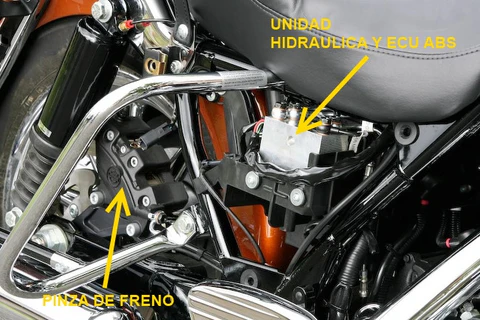
Symptoms of ABS Failure
Riders experiencing ABS issues may notice several symptoms, including:
- ABS Light Activation: One of the first signs is the illumination of the ABS warning light on the dashboard, indicating a malfunction within the system.
- Hard Brake Pedal: A rock-hard brake pedal is often reported, making it difficult to apply the brakes effectively.
- Brake Lock-Up: In severe cases, the brakes may lock up unexpectedly, leading to a loss of control.
- Inconsistent Braking: Riders may also experience inconsistent braking performance, especially during emergency stops.
Causes of ABS Malfunctions
Several factors contribute to ABS malfunctions in Harley Davidson motorcycles:
- Neglecting Maintenance: Failure to change the brake fluid regularly can lead to moisture buildup and corrosion within the ABS module, impacting its performance.
- Electrical Failures: Wiring issues, particularly with the ABS harness, can cause signals to fail, leading to potential braking issues.
- Mechanical Failures: Components within the ABS modulator can fail due to wear and tear or manufacturing defects.
Impact on Riding Safety
The implications of neglecting ABS maintenance are significant. According to the National Highway Traffic Safety Administration (NHTSA), motorcycles equipped with ABS experience a 31% lower rate of fatal crashes compared to those without.
However, if the ABS is not functioning due to maintenance neglect, riders are at a much higher risk of accidents, especially in emergency braking situations. The ability to stop safely and effectively is compromised, which could lead to catastrophic results.
Table of Common ABS Issues
| Issue | Symptoms | Potential Causes | Safety Impact |
|---|---|---|---|
| ABS Light On | Illuminated warning light | Electrical failure, module malfunction | Possible loss of ABS functionality |
| Hard Brake Pedal | Pedal resistance, difficulty braking | Fluid contamination, modulators failure | Increased stopping distance, potential skidding |
| Brake Lock-Up | Wheels locking during braking | ABS module failure, wiring issues | Loss of control, crash risk |
This table outlines the common ABS problems that Harley Davidson owners may encounter. As seen, the symptoms range from minor inconveniences, like the ABS light being on, to severe safety risks, such as brake lock-up.
Each issue has various potential causes, primarily centered around maintenance neglect. The safety impact is critical; the presence of ABS is intended to enhance braking safety, but if the system is malfunctioning, it can lead to dangerous situations on the road.
The Importance of Regular Maintenance
Regular maintenance of the ABS system is crucial for ensuring the safety and performance of Harley Davidson motorcycles. Proper upkeep helps prevent failures that can lead to serious accidents.
Here, we will discuss the recommended maintenance schedule, consequences of neglecting maintenance, and the pros and cons of DIY versus professional services.
Recommended Maintenance Schedule
The maintenance of the ABS system primarily revolves around the brake fluid. Harley Davidson recommends the following:
- Brake Fluid Change: It is advised to change the DOT 4 brake fluid every two years. This helps prevent moisture buildup and contaminants that can corrode system components.
- Inspection: Regularly inspect the ABS system components for any signs of wear, corrosion, or damage. This includes checking the wiring harness and connectors.
- Professional Service: Utilize a professional service for brake system flushes, as they have the necessary tools to ensure all old fluid is removed from the ABS module.
Consequences of Neglecting Maintenance
Neglecting regular maintenance can have dire consequences:
- Increased Risk of Brake Failure: Old or contaminated brake fluid can lead to reduced braking power or complete failure of the ABS system.
- Potential for Accidents: As previously mentioned, a malfunctioning ABS can lead to locked wheels during emergency braking, significantly increasing the likelihood of accidents.
- Higher Repair Costs: Waiting too long to address maintenance issues can lead to more extensive (and expensive) repairs, including the replacement of the ABS module.
DIY Maintenance vs. Professional Service
When it comes to ABS maintenance, owners face the choice of performing maintenance themselves or seeking professional help. Each option has its advantages and disadvantages:
- DIY Maintenance: This can save money and is suitable for those with mechanical skills. However, it requires knowledge of the ABS system and access to the right tools, such as a brake bleeder or a diagnostic scanner.
- Professional Service: While it may incur additional costs, having a trained technician perform maintenance ensures that the job is done correctly, reducing the risk of future problems. Professionals also have access to specialized equipment needed for ABS systems.
Table of Maintenance Recommendations
| Maintenance Task | Frequency | Recommended Service |
|---|---|---|
| Brake Fluid Change | Every 2 years | Professional service recommended |
| ABS System Inspection | Annually | DIY or professional service |
| Brake System Flush | Every 2 years | Professional service required |
This table illustrates the recommended maintenance tasks for the ABS system, detailing how often they should be performed and the preferred service method. Regular brake fluid changes are crucial, as fluid quality directly affects braking performance.
The recommendation for professional service for system flushes is vital, as improper flushing can lead to ABS failure due to old fluid remaining in the system. Overall, adhering to this maintenance schedule can significantly enhance the safety and reliability of Harley Davidson motorcycles.
Troubleshooting ABS Problems
Identifying ABS problems early is essential for ensuring safety and performance. This section will guide you through diagnosing ABS issues using error codes, visual inspections, and brake fluid assessments.
Checking Error Codes
Modern Harley Davidson motorcycles are equipped with onboard diagnostics that can help identify ABS issues. To check for error codes:
- Connect Diagnostic Scanner: Use a compatible diagnostic scanner to connect to the motorcycle’s diagnostic port, usually located under the seat.
- Read Error Codes: Turn on the ignition and scan for any stored error codes related to the ABS system. Take note of these codes.
- Interpret Codes: Refer to the motorcycle’s service manual or online resources to understand what each code means and its implications.
Visual Inspection of Components
Performing a visual inspection can help identify potential issues:
- Wiring Harness: Check for frays, breaks, and corrosion in the wiring harness connected to the ABS module.
- ABS Module: Inspect the ABS module for any signs of leakage or physical damage.
- Brake Lines: Ensure brake lines are intact and free from any leaks.
Assessing Brake Fluid Condition
Brake fluid condition is a critical indicator of system health:
- Fluid Clarity: Inspect the fluid for cloudiness or discoloration, which indicates contamination.
- Moisture Testing: Using a moisture tester, check the brake fluid for excessive moisture content. Brake fluid should not exceed 3% moisture.
- Fluid Level: Ensure the brake fluid level is within the recommended range in the reservoir.
Table of Common Error Codes
| Error Code | Description | Possible Causes |
|---|---|---|
| C1567 | Rear Apply Solenoid Circuit Open or High | Wiring issues, solenoid failure |
| C1571 | Rear Solenoid Circuit Shorted High | Short circuit, faulty solenoid |
| C1065 | ABS Rear Apply Solenoid Circuit Open | High resistance in power or ground circuits |
This table presents common error codes related to ABS malfunctions in Harley Davidson motorcycles. Each code indicates a specific issue that can be diagnosed through proper troubleshooting.
Understanding these codes is vital for riders, as they can lead to identifying the root cause of ABS problems and determining whether a simple fix or professional intervention is required. For instance, a C1567 error may suggest a wiring issue that could be resolved through visual inspection, while a C1571 error might indicate the need for a solenoid replacement.
How to Reset the ABS Light
After addressing ABS issues, you may need to reset the ABS warning light. This process can usually be done easily at home with the right tools.
Tools Needed for Reset
To reset the ABS light, you will need:
- Diagnostic Scanner: A compatible diagnostic tool to communicate with the motorcycle’s onboard computer.
- Basic Tools: A wrench set for any necessary adjustments, should you need to check wiring connections.
Step-by-Step Resetting Process
Follow these steps to reset the ABS light:
- Connect the Scanner: Plug the diagnostic scanner into the motorcycle’s diagnostic port.
- Turn on the Ignition: Ensure the ignition is on, but the engine is off.
- Read and Clear Codes: Use the scanner to read any error codes. Select the option to clear the codes, which should also reset the ABS light.
- Disconnect the Scanner: Safely remove the scanner from the port.
- Test Ride: Take your motorcycle for a short ride to ensure the ABS light remains off.
Common Pitfalls When Resetting
When resetting the ABS light, be aware of common pitfalls:
- Ignoring Error Codes: Always check for and address any underlying issues before resetting the light.
- Battery Disconnection: Some models may require the battery to be disconnected for a reset. Refer to the service manual for specific instructions.
- Scanner Compatibility: Ensure the scanner used is compatible with your Harley model, as not all scanners support ABS functions.
Table of Resetting Tools and Steps
| Tool/Step | Description |
|---|---|
| Diagnostic Scanner | Device used to read and clear error codes from the ABS system |
| Connection to Diagnostic Port | Plugging the scanner into the motorcycle’s diagnostic port |
| Clear Codes | Using the scanner to reset the ABS light after resolving issues |
This table outlines essential tools and steps required for resetting the ABS light on a Harley Davidson motorcycle. The diagnostic scanner is crucial, as it serves as the bridge between the motorcycle and the user, allowing for effective communication and troubleshooting.
Properly following the steps ensures that riders can successfully reset the ABS light while also addressing any underlying issues that may have caused it to illuminate in the first place. This proactive approach not only improves the motorcycle’s performance but also enhances rider safety.
Repairing or Replacing the ABS Module
In cases where the ABS module has failed, riders must consider their options for repair or replacement. This section delves into signs that indicate the need for a new module, the costs associated with repairs versus replacements, and where to seek assistance.
Signs You Need a New Module
Recognizing the signs of a failing ABS module is critical:
- Persistent ABS Light: If the ABS light remains on after troubleshooting and resetting, it may indicate module failure.
- Hard Brake Pedal: A consistently hard brake pedal can suggest issues within the module.
- Braking Inconsistency: Unpredictable brake performance or lock-ups during braking can signal a failing ABS system.
Cost of Repairs vs. Replacement
Understanding the financial implications of ABS issues is essential:
- Repair Costs: Minor repairs, such as fixing wiring or solenoid issues, may range from $200 to $600, depending on labor and parts.
- Replacement Costs: Full ABS module replacements can be significantly more expensive, sometimes exceeding $1,200.
- Warranty Considerations: If the motorcycle is under warranty, repairs or replacements may be covered, reducing out-of-pocket costs.
Where to Get Help
Riders have several options for addressing ABS issues:
- Authorized Dealers: Visiting a Harley Davidson dealership ensures access to certified technicians and OEM parts.
- Independent Motorcycle Shops: Many independent shops are experienced with Harley Davidson motorcycles and may offer competitive pricing.
- Specialized Repair Services: Some businesses specialize in ABS repairs and can often provide more affordable solutions.
Table of Repair and Replacement Costs
| Service | Estimated Cost | Typical Timeframe |
|---|---|---|
| Minor Repair (wiring, solenoids) | $200 – $600 | 1-3 hours |
| ABS Module Replacement | $1,200+ | 4-8 hours |
| Brake Fluid Flush at Dealer | $99 – $150 | 1 hour |
This table summarizes the estimated costs and timeframes for various ABS-related services on Harley Davidson motorcycles. As indicated, minor repairs can be relatively affordable and quick to address, but full ABS module replacements represent a significant financial commitment.
Riders should consider the cost-benefit ratio of repairs versus replacement, especially if the motorcycle is still under warranty, which could alleviate some financial burden. Regular maintenance, highlighted in earlier sections, can prevent the need for costly repairs and ensure the longevity of the ABS system.
Recalls and Class Action Lawsuits
Harley Davidson has faced scrutiny over ABS-related issues, leading to recalls and class action lawsuits. This section will outline significant recalls and the impact on motorcycle owners.
Overview of Major Recalls
Harley Davidson has issued several recalls concerning ABS failures:
- 2008-2011 Touring and CVO Touring Models: In 2018, Harley Davidson recalled approximately 175,000 motorcycles due to potential brake system issues linked to improper maintenance of the ABS.
- Brake Fluid Maintenance: The recall emphasized the need for regular brake fluid changes every two years to prevent issues related to moisture accumulation.
Details of Class Action Lawsuits
In addition to recalls, Harley Davidson has faced class action lawsuits regarding ABS defects:
- Wiring Defects: A lawsuit alleged that the ABS wiring harness was prone to breakage, leading to ABS failures without warning.
- Safety Risks: Plaintiffs claimed that the lack of warning could lead to dangerous situations, as riders may not know their ABS was inoperative until it was too late.
Impact on Owners
For affected motorcycle owners, the implications of these issues are significant:
- Increased Awareness: The recalls and lawsuits have raised awareness among riders about the importance of regular maintenance for ABS systems.
- Financial Repercussions: Owners may face financial burdens due to repair costs if their motorcycles are not covered by warranties or if they miss recall notifications.
Table of Recall Information
| Recall Year | Models Affected | Key Issues | Action Taken |
|---|---|---|---|
| 2018 | 2008-2011 Touring, CVO Touring | Potential brake system failures due to maintenance neglect | Free brake fluid flush and replacement |
| 2016 | 2008-2010 Touring | Wiring harness defects leading to ABS failures | Investigations and recalls initiated |
This table provides a clear overview of notable recalls related to ABS issues in Harley Davidson motorcycles. Understanding the details of these recalls and the actions taken by Harley Davidson is crucial for owners, as it helps them stay informed about potential risks and necessary maintenance.
The recalls not only signify the manufacturer’s acknowledgment of the issues but also highlight the importance of regular maintenance to prevent future problems. Riders should regularly check for recalls and ensure compliance to maintain their safety on the road.
Preventative Measures to Avoid ABS Problems
To ensure the longevity and functionality of the ABS system, riders can implement several preventative measures. This section outlines practical steps that can enhance safety and performance.
Regular Inspections and Checks
Conducting regular inspections can help identify potential issues before they escalate:
- Visual Inspections: Regularly inspect the ABS module and wiring for any signs of wear, corrosion, or damage.
- Fluid Checks: Routinely check the brake fluid level and condition, ensuring it is clear and within the recommended range.
Safe Riding Practices
Adopting safe riding practices can mitigate risks associated with ABS failures:
- Emergency Braking Techniques: Familiarize yourself with the correct emergency braking techniques for motorcycles equipped with ABS and those without.
- Awareness of Conditions: Be mindful of road conditions and adjust riding behavior accordingly, especially in wet or slippery conditions.
Upgrading Parts for Better Performance
Consider upgrading to high-quality components for improved performance:
- High-Performance Brake Pads: Upgrading to high-performance brake pads can enhance stopping power and reduce wear on the ABS system.
- Quality Brake Fluid: Use high-quality brake fluid that meets OEM specifications to improve system reliability.
Table of Preventative Measures
| Preventative Measure | Description | Frequency |
|---|---|---|
| Visual Inspections | Inspect ABS components for signs of wear or damage | Monthly |
| Brake Fluid Checks | Check fluid levels and clarity | Monthly |
| Emergency Braking Practice | Practice ABS and non-ABS braking techniques | As needed |
This table summarizes effective preventative measures for maintaining the ABS system on Harley Davidson motorcycles. The outlined measures emphasize the importance of regular maintenance, which not only helps prevent costly repairs but also ensures the safety of the rider.
Visual inspections and brake fluid checks should be performed monthly to catch any potential problems early. Additionally, practicing emergency braking techniques can prepare riders to handle unexpected scenarios effectively, enhancing their overall safety on the road.
FAQs on Harley Davidson ABS Problems
What are the common symptoms of ABS failure in Harley Davidson bikes?
Common symptoms of ABS failure include an illuminated ABS warning light, a hard brake pedal that’s difficult to press, inconsistent braking performance, and in severe cases, brake lock-up during emergency stops. Riders should be vigilant for these signs, as they can indicate serious issues that may compromise safety.
How often should I change the brake fluid in my Harley Davidson?
Harley Davidson recommends changing the brake fluid every two years for models equipped with ABS. This maintenance is crucial to prevent moisture buildup and corrosion within the brake system, which can lead to ABS failures.
Regular fluid changes help ensure optimal braking performance and safety.
What should I do if my ABS light stays on?
If the ABS light remains illuminated after a reset, it typically indicates an ongoing issue within the system. Riders should check for error codes using a diagnostic scanner and perform a visual inspection of the ABS components.
If issues persist, seeking professional assistance is recommended to avoid safety risks.
Are there specific models known for ABS issues?
The 2008-2011 Touring and CVO Touring models are particularly noted for ABS issues, which include wiring defects and the need for regular brake fluid maintenance to prevent failures. These models have been the subject of recalls and heightened scrutiny, emphasizing the importance of regular upkeep.
How can I tell if my ABS module needs to be replaced?
Signs that the ABS module may need replacement include a persistent ABS warning light, a hard brake pedal, and inconsistent braking performance. If these symptoms are present and troubleshooting does not resolve the issues, it is advisable to consult a professional for further diagnosis and potential replacement.
Conclusion
Understanding and addressing ABS problems in Harley Davidson motorcycles is pivotal for ensuring rider safety and optimal performance. As discussed, regular maintenance, timely troubleshooting, and awareness of recalls are crucial in preventing serious issues related to the ABS system.
Riders are encouraged to adhere to maintenance schedules, engage in regular inspections, and seek professional assistance when necessary. By taking proactive measures, Harley Davidson owners can enhance their riding experience and ensure the longevity of their motorcycles.