
As the riding season comes to a close, motorcycle owners must prepare their bikes for the long winter months ahead. Proper winterization is crucial to ensure your motorcycle remains in prime condition, ready for action when spring arrives.
Winterizing involves several steps, including cleaning, fluid maintenance, battery care, and protective measures against rust and damage. In this article, we will break down all the necessary steps on How to Winterize Your Motorcycle? highlighting the best practices and essential products to use.
By following these guidelines, you can protect your investment and enjoy a hassle-free riding experience when the weather warms up again.
The Importance of Winterizing Your Motorcycle
Winterizing your motorcycle is essential to prevent damage during the cold months. Neglecting this process can lead to common winter damage such as battery failure, rust, and engine issues.
These problems can not only hinder your motorcycle’s performance but also lead to costly repairs.
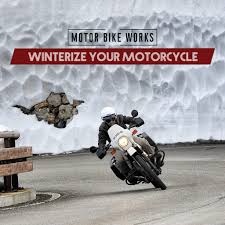
Common Winter Damage
Left unattended, motorcycles can suffer from issues like frozen fluids, dead batteries, and rusted components. Cold weather can cause condensation to form, leading to corrosion and other complications.
According to data, nearly 30% of motorcycle owners experience some form of damage due to inadequate winterization.
Benefits of Proper Maintenance
Proper winterization ensures that your motorcycle remains in optimal condition. It extends the overall lifespan of your bike, reduces the likelihood of mechanical failures, and saves you from expensive repairs when you are ready to ride again in spring.
Long-term Cost Savings
Investing time and effort into winterizing your motorcycle can result in significant long-term savings. By preventing damage, you can avoid costly repairs which can reach upwards of $1,500 for serious issues.
The cost of winterization is minimal compared to the expenses of repairing a neglected bike.
| Winter Damage Type | Repair Cost Estimate | Winterization Cost Estimate |
|---|---|---|
| Battery Replacement | $100 – $300 | $20 |
| Rust Repair | $200 – $1,000 | $50 |
| Engine Issues | $500 – $1,500 | $75 |
The table above illustrates the stark contrast between the costs associated with winter damage and the minimal expenses incurred for proper winterization. For example, replacing a battery can cost up to $300, whereas winterizing your bike properly may only cost around $20.
This emphasizes the importance of preventive measures.
Cleaning and Preparing Your Motorcycle
Before putting your motorcycle away for winter, thorough cleaning is vital. Dirt, grime, and moisture can accelerate corrosion and rust formation if left unattended.
A clean bike will also look better when you’re ready to ride come spring.
Washing the Bike
Start by using a mild soap and water to wash your motorcycle. Be sure to remove any road grime and debris.
Avoid spraying water directly into the exhaust pipe to prevent moisture from entering the engine. Use a microfiber cloth to dry the bike thoroughly afterward.
Waxing and Protecting Surfaces
After washing, apply a coat of wax to the painted surfaces. This protective layer helps shield against moisture and contaminants.
Additionally, use a metal protector or anti-corrosion spray, especially on chrome parts, to prevent rust.
Cleaning the Chain and Lubricating Parts
If your motorcycle has a chain drive, clean and lubricate the chain to prevent rust. Use a chain cleaner and apply a suitable lubricant afterwards.
Regular maintenance of moving parts will help ensure they function smoothly when the riding season resumes.
| Cleaning Product | Purpose |
|---|---|
| Chain Cleaner | Removes grime and dirt from the chain |
| Metal Polish | Protects chrome and metal surfaces |
| Wax | Provides a protective barrier on paint |
The products listed above are essential for preparing your motorcycle for winter storage. A chain cleaner ensures that your motorcycle chain is free from dirt, while metal polish protects chrome surfaces from corrosion.
Meanwhile, wax acts as a barrier against moisture, ensuring your bike stays in top shape.
Fuel Maintenance
Fuel maintenance is crucial during winterization to prevent damage to the fuel system. Gasoline can degrade over time, leading to clogging of carburetors and fuel injectors.
Types of Fuel Stabilizers
Fuel stabilizers help maintain the quality of your gasoline during storage. They prevent the fuel from breaking down and forming harmful deposits.
Popular products include Sta-Bil and Seafoam, each designed to protect your fuel system.
How to Apply Stabilizer
To apply fuel stabilizer, fill your tank completely to minimize air exposure. Add the recommended amount of stabilizer and run the motorcycle for a few minutes to ensure the stabilizer circulates through the system.
This step is vital for keeping the fuel fresh and free from moisture.
Dealing with Carbureted Bikes
For carbureted motorcycles, it is essential to drain the float bowls to prevent gum buildup. This can be done by turning off the fuel valve and running the engine until it dies.
This ensures that no old fuel remains in the carburetors during storage.
| Fuel Type | Storage Properties |
|---|---|
| Regular Gasoline | Degrades in 1-2 months |
| Premium Gasoline | Lasts 2-3 months with stabilizer |
| Ethanol-Free Gasoline | Lasts up to 6 months |
The table above summarizes the storage properties of different fuel types. Regular gasoline can degrade quickly, often within 1-2 months, while premium gasoline can last up to 3 months when treated with a stabilizer.
Ethanol-free gasoline is the best option for winter storage, lasting up to 6 months, making it ideal for motorcycle owners looking to maintain fuel quality.
Changing Fluids
Changing the fluids in your motorcycle before storage is a critical step in preventing corrosion and mechanical issues. Old fluids can become acidic and lead to internal damage if left in the engine over the winter.
Oil Change Process
Begin by draining the old oil and replacing it with fresh oil. This step is essential as it prevents sludge buildup and ensures that the lubrication system is protected.
It is recommended to use a winter-grade oil such as 5W-30 for easier starts in colder temperatures.
Importance of Fresh Coolant
Checking and changing the coolant is equally important. Ensure that the coolant is at the correct level and that it is rated for low temperatures.
Using a coolant that protects against freezing will help maintain engine integrity during winter.
Checking Brake Fluid Levels
Don’t forget to check the brake fluid levels as well. Ensure that the brake fluid is clean and at the appropriate level to prevent moisture buildup and corrosion in the brake system.
| Fluid Type | Importance | Recommended Change Frequency |
|---|---|---|
| Engine Oil | Prevents corrosion and sludge buildup | Every 5,000 to 7,500 miles |
| Coolant | Prevents freezing and corrosion | Every 2 years |
| Brake Fluid | Maintains braking efficiency | Every 1-2 years |
The table illustrates the importance of various fluids and their recommended change frequency. Engine oil is critical for preventing internal damage, while coolant protects against freezing.
Brake fluid is vital for maintaining braking efficiency, and regular maintenance of these fluids will ensure that your motorcycle remains in optimal condition.
Battery Care
Proper battery maintenance is essential during winterization to prevent it from dying. Cold temperatures can drain batteries quickly, leading to starting issues in spring.
Types of Battery Chargers
Utilizing a battery tender or trickle charger is highly recommended. These devices automatically monitor the battery’s charge and maintain it without overcharging.
Make sure to choose a “smart” charger for optimal results.
Removing the Battery
If possible, remove the battery from the motorcycle and store it in a warm place. This will help prevent freezing and extend its lifespan.
If you prefer to leave it connected, ensure that it is hooked up to a tender.
Cleaning Battery Terminals
Before storing, clean the battery terminals to remove any corrosion. A light coating of grease can be applied to prevent further corrosion during storage.
| Battery Type | Maintenance Recommendations |
|---|---|
| Lead-acid | Charge periodically, clean terminals, remove for storage |
| AGM | Charge with a smart charger, can remain in bike |
| Lithium-ion | Disconnect and store, minimal maintenance needed |
The table above highlights different battery types and their maintenance recommendations. Lead-acid batteries require more frequent attention, while AGM batteries can remain in the bike if connected to a charger.
Lithium-ion batteries are the least demanding, requiring only disconnection for storage.
Tire Maintenance
Proper tire maintenance is crucial during winter storage to prevent flat spots and other damage. Tires can lose pressure over time, especially in cold environments.
Recommended Tire Pressure
Inflate your tires to the maximum recommended pressure before storing. This helps maintain their shape and prevents flat spots from forming.
Regularly checking tire pressure is also essential during storage.
Using Stands vs. Leaving on the Ground
If possible, place your motorcycle on stands to elevate the tires off the ground. This will eliminate any pressure on them and prevent flat spots.
If stands are unavailable, consider rotating the tires every few weeks.
Protecting Tires from the Elements
If storing outdoors, consider placing a barrier like plywood or carpet beneath the tires to prevent moisture absorption. Ensure that tires are not in direct contact with concrete, as this can lead to moisture buildup.
| Storage Method | Pros | Cons |
|---|---|---|
| Using Stands | Prevents flat spots | Requires additional equipment |
| Inflating Tires | Easy to do | Does not prevent all flat spots |
| Rotating Tires | Simple maintenance task | Requires access to the bike |
This table illustrates various storage methods for motorcycle tires, along with their respective pros and cons. Using stands is the most effective way to prevent flat spots, but it requires additional equipment.
Inflating tires is simple and effective, while rotating tires is a good maintenance task that can be done with minimal effort.
Protecting Against Pests and Moisture
During winter storage, it’s vital to protect your motorcycle from pests and moisture, which can lead to significant damage.
Using Exhaust Plugs
To prevent rodents from nesting in your motorcycle, use exhaust plugs or stuff plastic bags into the exhaust pipes. This will help keep critters out and minimize moisture entry.
Keeping the Bike Covered
Always cover your motorcycle with a breathable cover. This will protect it from dust and moisture while allowing condensation to escape, preventing rust buildup.
Choosing the Right Cover
Invest in a high-quality, weatherproof motorcycle cover that fits snugly. Ensure that it’s breathable to allow moisture to escape while keeping dirt and debris out.
| Cover Type | Benefits | Drawbacks |
|---|---|---|
| Breathable Cover | Prevents moisture buildup | May not provide full waterproofing |
| Waterproof Cover | Keeps bike dry | Can trap moisture inside |
| Custom Fit Cover | Best protection against dust and debris | Higher cost |
The table compares different types of motorcycle covers, highlighting their benefits and drawbacks. Breathable covers are essential for preventing moisture buildup, while waterproof covers can keep the bike dry but might trap moisture inside.
Custom fit covers offer the best protection but come at a higher price point.
Choosing the Right Storage Location
Selecting an appropriate storage location for your motorcycle is critical for its protection during the winter months. The right environment can prevent damage from humidity, temperature fluctuations, and pests.
Indoor vs. Outdoor Storage
Ideally, motorcycles should be stored indoors in a climate-controlled environment. This prevents exposure to harsh weather conditions and reduces the risk of rust and corrosion.
If outdoor storage is your only option, ensure that the bike is covered and secured.
Security Tips to Prevent Theft
Given that motorcycles are often targeted for theft, it’s essential to take preventive measures. Use heavy-duty locks and chains to secure your bike, and park it in well-lit areas.
If possible, choose a storage facility with security features.
Ideal Conditions for Winter Storage
The best conditions for motorcycle storage include a stable, moderate temperature without extreme humidity. Avoid areas near chemicals or appliances that may produce harmful gases.
If possible, use a storage unit designed for motorcycles that offers added security and climate control.
| Storage Option | Pros | Cons |
|---|---|---|
| Indoor Climate-Controlled | Best protection from elements | Higher cost |
| Outdoor Covered Storage | Cost-effective | Less protection from elements |
| Garage Storage | Convenient access | Potential exposure to temperature fluctuations |
The table above compares different storage options, illustrating their respective pros and cons. Indoor climate-controlled storage provides the best protection but may come at a higher cost, while outdoor covered storage is more cost-effective yet offers less protection.
Garage storage offers convenient access but may expose the motorcycle to temperature fluctuations.
Additional Winterization Tips
Beyond the essential steps outlined, there are extra tips that can help enhance winter readiness for your motorcycle.
Maintaining Riding Gear
Don’t forget to clean and maintain your riding gear during the winter months. This includes washing helmets, jackets, and gloves to keep them in good condition for the next riding season.
Checking Insurance Coverage
Review your insurance policy to ensure that your motorcycle is adequately covered during the off-season. This protects against theft, damage, or other unforeseen circumstances while the bike is in storage.
Planning for Spring Maintenance
As winter ends, plan for spring maintenance. This includes checking the oil, tires, brakes, and other essential components to ensure the motorcycle is ready to ride once the weather warms up.
| Gear Type | Maintenance Tip |
|---|---|
| Helmet | Clean liner and visor |
| Jacket | Wash and treat leather |
| Gloves | Clean and check for wear |
The table above provides maintenance tips for various types of riding gear. Cleaning and treating your helmet, jacket, and gloves will help prolong their lifespan and ensure they are ready for use when the riding season begins again.
FAQs on How to Winterize Your Motorcycle
What is the best way to store a motorcycle for the winter?
The best way to store a motorcycle for winter is to clean it thoroughly, change the fluids, and store it in a climate-controlled environment. Use a breathable cover, a battery tender, and ensure the fuel system is treated to prevent damage.
Elevating the bike on stands can also prevent tire flat spots.
Do I need to use a fuel stabilizer?
Yes, using a fuel stabilizer is highly recommended when winterizing your motorcycle. It prevents the fuel from breaking down and forming deposits that can clog the fuel system.
Always add stabilizer to a full tank to minimize oxidation and moisture buildup.
How often should I check my motorcycle during winter storage?
It’s advisable to check your motorcycle every month during winter storage. This allows you to monitor the battery charge, tire pressure, and overall condition.
If necessary, rotate the tires to prevent flat spots and ensure the bike remains in top condition.
Can I start my motorcycle during winter storage?
It is not recommended to start your motorcycle without riding it. Starting the engine without reaching operating temperature can lead to condensation buildup, which may cause internal rust.
If you need to check the bike, consider taking it for a short ride instead.
What should I do if I don’t have a garage to store my bike?
If you don’t have a garage, consider renting a storage unit that offers climate control. Alternatively, you can store your motorcycle under a high-quality cover outdoors, ensuring it is secured and protected from the elements as much as possible.
Final thoughts: How to Winterize Your Motorcycle
In conclusion, winterizing your motorcycle is an essential practice that ensures your bike remains in excellent condition during the off-season. By following the outlined steps, including cleaning, fluid maintenance, battery care, and proper storage techniques, you can prevent costly repairs and enjoy a worry-free riding experience in the spring.
Taking the time to winterize your motorcycle not only protects your investment but also enhances its longevity, allowing you to get back on the road with confidence when the weather warms up.