
The Harley-Davidson Stage 4 upgrade represents the pinnacle of performance enhancement for motorcycle enthusiasts looking to maximize their bike’s power, torque, and overall performance. This comprehensive guide will delve into the Harley Stage 4 Upgrade Coste including parts, labor, and potential additional expenses.
We will explore what components are involved in the upgrade process, the expected performance gains, and factors that influence the overall cost. Whether you’re a seasoned rider or new to the Harley scene, understanding the financial commitment of a Stage 4 upgrade can help you make an informed decision about enhancing your ride.
1. Overview of Harley Stage 4 Upgrade
The Stage 4 upgrade for Harley-Davidson motorcycles is a comprehensive performance enhancement package that significantly increases power, torque, and overall performance. This upgrade is designed for riders who are serious about their motorcycle’s performance and are seeking an exhilarating experience on the road.
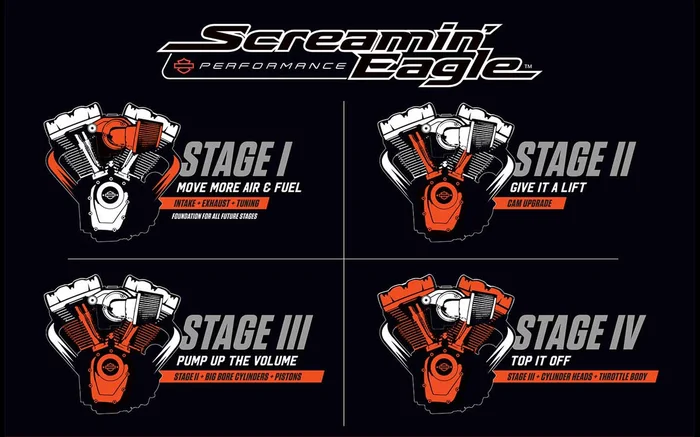
The Stage 4 upgrade typically follows the completion of Stages 1, 2, and 3, each aimed at progressively enhancing the bike’s capabilities.
The allure of a Stage 4 upgrade lies in its promise of transforming a standard Harley into a powerhouse. Riders can expect remarkable improvements in acceleration and responsiveness, which greatly enhance the overall riding experience.
The thrill of riding a fully upgraded Harley is something that many enthusiasts seek, combining both functionality and enjoyment in their motorcycle journeys.
In essence, the Stage 4 upgrade is ideal for those who want to feel the full potential of their Harley-Davidson, making it an exciting consideration for many motorcycle lovers.
2. Breakdown of Costs
Understanding the costs associated with a Stage 4 upgrade is crucial for any rider contemplating this enhancement. The total expense can vary significantly, typically ranging from $3,000 to $10,000 or more.
This range encompasses parts, labor, and any additional modifications that may be required.
Below is a breakdown of the typical costs involved in a Stage 4 upgrade:
| Cost Component | Typical Cost Range |
|---|---|
| Parts (Throttle Body, Cylinder Heads, etc.) | $2,000 – $5,000 |
| Labor (Installation Fees) | $1,000 – $3,000 |
| Additional Components (Clutch, Transmission) | $500 – $2,000 |
The table above outlines the major cost components associated with a Stage 4 upgrade. As seen, the parts alone can account for a significant portion of the expense, especially when considering high-performance components like the throttle body and cylinder heads.
Labor costs can also vary greatly depending on the dealership and location, which can impact the overall budget significantly. For instance, some riders may opt for additional modifications, further increasing costs.
3. Essential Components of a Stage 4 Upgrade
The Stage 4 upgrade encompasses several key components that work in unison to enhance the motorcycle’s performance. Each part plays a vital role in maximizing air intake, improving combustion efficiency, and ensuring overall engine responsiveness.
Essential components of a Stage 4 upgrade include:
High-Flow Throttle Body
A high-flow throttle body is crucial for increasing the amount of air entering the engine. This upgrade allows for a better air-fuel mixture, leading to improved performance and responsiveness.
Upgraded Cylinder Heads
Upgrading to high-performance cylinder heads with larger valves and optimized port shapes significantly enhances airflow and combustion efficiency. This upgrade is critical for achieving the desired power output from the engine.
High-Lift Camshaft
The installation of a high-lift camshaft is essential for maximizing the engine’s capability to intake and exhaust air effectively. This component is a critical element in achieving higher horsepower and torque figures.
| Component | Function |
|---|---|
| High-Flow Throttle Body | Increases airflow into the engine for better performance. |
| Upgraded Cylinder Heads | Enhances combustion efficiency and airflow. |
| High-Lift Camshaft | Optimizes air intake and exhaust for increased horsepower. |
The table above summarizes the essential components of the Stage 4 upgrade and their functions. Each part contributes uniquely to the overall performance enhancements, ensuring that the motorcycle operates at peak efficiency.
Upgrading these components is essential for achieving the desired results when undertaking a Stage 4 upgrade.
4. Performance Gains from Stage 4 Upgrade
After completing a Stage 4 upgrade, riders can expect significant improvements in their motorcycle’s performance metrics. The upgrade is specifically designed to enhance both horsepower and torque, resulting in a more exhilarating riding experience.
Typical performance gains from a Stage 4 upgrade include:
| Performance Metric | Expected Improvement |
|---|---|
| Torque | Approx. 24% Increase |
| Horsepower | Approx. 50% Increase |
| Overall Performance Boost | Enhanced acceleration and responsiveness |
The data in the table illustrate the dramatic performance gains associated with a Stage 4 upgrade. A 24% increase in torque can significantly enhance the bike’s ability to accelerate, especially at cruising speeds.
Furthermore, the 50% increase in horsepower means that riders will experience a more powerful performance overall, particularly in high RPM scenarios. This upgrade truly maximizes the bike’s potential, making it a top choice for performance enthusiasts.
5. Comparing Stages: What Sets Stage 4 Apart?
When evaluating the various upgrade stages—1 through 4—it is essential to understand the differences in performance, cost, and complexity. Each stage offers a unique set of enhancements, culminating in the comprehensive upgrades provided by Stage 4.
| Stage | Components | Typical Cost | Performance Gains |
|---|---|---|---|
| Stage 1 | Air intake, exhaust, tuning | $500 – $1,500 | 5-10% increase in horsepower and torque |
| Stage 2 | Cylinder kit, cam upgrade | $1,500 – $3,500 | 15-25% increase in horsepower and torque |
| Stage 3 | Big bore kit, high-performance cam | $3,000 – $7,000 | 30-35% increase in horsepower and torque |
| Stage 4 | High-flow throttle body, upgraded cylinder heads | $5,000 – $10,000 | 50% increase in horsepower, 24% increase in torque |
The above comparison table highlights the differences between the upgrade stages. As riders progress from Stage 1 to Stage 4, the complexity and cost of upgrades increase significantly.
Stage 4 stands out as the most comprehensive upgrade, offering the highest performance gains and requiring the most extensive modifications. This stage is particularly suited for those who are serious about their bike’s performance, willing to invest both time and money into achieving their desired riding experience.
6. DIY vs. Professional Installation
When considering a Stage 4 upgrade, one significant decision is whether to install the components yourself or hire a professional. Each option has its advantages and disadvantages, and the choice typically depends on the rider’s skill level, tools available, and comfort with complex mechanical tasks.
Benefits of Professional Installation
Hiring a professional mechanic for the installation of a Stage 4 upgrade ensures that the work is completed to the highest standards. Professionals have the expertise to handle complex modifications and can provide insights into the best practices for tuning and performance optimization.
Furthermore, professional installation may protect the bike’s warranty, as improperly installed components can lead to issues that void coverage.
Considerations for DIY Installation
For those with mechanical experience, a DIY installation can save money on labor costs. However, it is crucial to have the right tools and a thorough understanding of the motorcycle’s mechanics.
Mistakes made during the installation process can result in costly repairs or performance issues down the line. Additionally, any modifications made by the owner may impact warranty coverage.
Potential Pitfalls of Incorrect Installation
Incorrect installation of the Stage 4 components can lead to significant issues, including suboptimal performance and even engine damage. Riders may also face challenges with tuning and compatibility if they attempt to modify their bike without sufficient knowledge.
Therefore, assessing one’s mechanical skills and weighing the potential risks versus rewards is critical when deciding on installation methods.
7. Additional Modifications to Consider
After completing a Stage 4 upgrade, riders may want to consider additional modifications that can further enhance their motorcycle’s performance and aesthetics. Some complementary upgrades include:
Suspension Upgrades
Enhancing the suspension system can significantly improve handling and comfort. Upgrades to shocks and forks can help accommodate the increased power and torque from the Stage 4 upgrade, providing a smoother ride and better control during high-speed maneuvers.
Brake System Enhancements
With the increase in power, upgrading the braking system becomes essential for safety. High-performance brake pads, rotors, and calipers can provide better stopping power, ensuring that the motorcycle can safely handle the enhanced performance.
Aesthetic Customizations
Riders may want to consider aesthetic modifications to complement the performance upgrades. Custom paint jobs, new seat designs, and unique graphics can personalize the motorcycle, making it a true reflection of the owner’s style.
| Modification Type | Benefits |
|---|---|
| Suspension Upgrades | Improved handling and comfort |
| Brake System Enhancements | Increased stopping power for safety |
| Aesthetic Customizations | Personalized style and appeal |
The table above outlines various additional modifications that can enhance the motorcycle’s overall performance and appearance. Each modification not only improves functionality but also contributes to a more enjoyable riding experience.
Evaluating these options can help riders create a motorcycle that truly meets their needs and preferences.
8. Financing Options for Your Upgrade
Financing a Stage 4 upgrade can be a practical solution for riders who may not have the full amount available upfront. Several options are available to help manage the costs associated with this significant investment.
Dealership Financing Options
Many Harley-Davidson dealerships offer financing programs designed specifically for motorcycle upgrades. These programs often feature competitive interest rates and flexible terms, making it easier for riders to afford the upgrades they desire.
It’s advisable to inquire about any special promotions or discounts available for financing through the dealership.
Personal Loan Considerations
Riders may also consider obtaining a personal loan from a bank or credit union to finance their Stage 4 upgrade. Personal loans can offer a fixed interest rate and predictable monthly payments, allowing riders to budget effectively for their motorcycle enhancements.
However, it’s essential to compare rates and terms from multiple lenders to find the best option.
Budgeting for Upgrades
Regardless of the financing option chosen, budgeting for upgrades is crucial. Riders should consider not only the cost of the Stage 4 components but also potential additional expenses, such as installation and any supplementary modifications.
Establishing a clear budget helps avoid unexpected financial strain and ensures that riders can enjoy their upgraded motorcycle without worry.
9. Testimonials and Rider Experiences
Hearing from other riders who have completed the Stage 4 upgrade can provide valuable insights into the process and outcomes. Below are some testimonials and experiences shared by Harley enthusiasts:
Positive Rider Experiences
Many riders report significant improvements in performance and satisfaction after completing the Stage 4 upgrade. They often highlight the dramatic increase in horsepower and torque, which transforms their riding experience.
Riders frequently express excitement about the enhanced acceleration and responsiveness, making their Harley feel like a completely different machine.
Common Challenges
While the upgrade offers many benefits, some riders note challenges related to installation and tuning. Ensuring that the motorcycle is tuned correctly after modifications is crucial for optimal performance.
Additionally, some riders have encountered longer wait times for parts, which can delay the upgrade process.
Long-term Rider Satisfaction
Overall, riders who have invested in the Stage 4 upgrade tend to express high levels of satisfaction with their decision. The significant performance enhancements and the thrill of riding a powerful motorcycle often outweigh the challenges faced during the upgrade process.
10. Conclusion and Next Steps
In conclusion, the Stage 4 upgrade for Harley-Davidson motorcycles is a substantial investment that can dramatically enhance your riding experience. With increased power, improved torque, and overall performance, it offers an exhilarating ride for enthusiasts.
However, potential buyers should carefully consider the associated costs, installation options, and additional modifications that could complement their upgrade. By taking the time to evaluate your needs and budget, you can make a well-informed decision that aligns with your passion for Harley-Davidson motorcycles.
FAQs on Harley Stage 4 Upgrade Cost
1. What is included in a Harley Stage 4 upgrade?
A Harley Stage 4 upgrade typically includes a high-flow throttle body, upgraded cylinder heads, a high-lift camshaft, and performance tuning components. These parts work together to significantly enhance the motorcycle’s power and torque output, resulting in improved overall performance.
2. How much does a Stage 4 upgrade typically cost?
The cost of a Stage 4 upgrade generally ranges from $3,000 to $10,000 or more. This price includes parts, labor, and any additional modifications required.
The total cost can vary depending on the specific components chosen and the dealership’s labor rates.
3. Are there financing options available for the upgrade?
Yes, many Harley-Davidson dealerships offer financing options specifically for upgrades. Riders can also consider personal loans from banks or credit unions.
Budgeting for these upgrades is essential to manage expenses effectively.
4. What kind of performance gains can I expect?
After a Stage 4 upgrade, riders can expect approximately a 24% increase in torque and a 50% increase in horsepower. These performance improvements lead to a more exhilarating riding experience, marked by enhanced acceleration and responsiveness.
5. Is professional installation necessary for a Stage 4 upgrade?
While DIY installation is possible for those with mechanical expertise, professional installation is highly recommended. Professionals ensure that the components are installed correctly and tuned for optimal performance, which can also help maintain warranty coverage.
6. How does Stage 4 compare to other upgrade stages?
Stage 4 upgrades provide the most significant performance enhancements compared to Stages 1, 2, and 3. While earlier stages focus on basic modifications and enhancements, Stage 4 encompasses comprehensive upgrades that maximize power and torque, making it ideal for serious enthusiasts.
7. What additional modifications should I consider after upgrading?
After a Stage 4 upgrade, riders may want to consider suspension upgrades, brake system enhancements, and aesthetic customizations. These modifications can further improve the motorcycle’s performance and personalize its appearance to match the owner’s style.