
In automotive maintenance, ensuring that ball joints are properly lubricated is crucial for the overall performance and longevity of a vehicle’s suspension system. While many ball joints come with zerk fittings that allow for easy greasing, others are sealed and cannot be serviced in the same manner.
This article will guide you through the steps to How to Grease a Ball Joint Without a Fitting Effectively. By understanding the importance of regular lubrication and learning how to effectively grease your ball joints, you can prevent premature wear and ensure a smoother driving experience.
Understanding Ball Joints
Anatomy of a Ball Joint
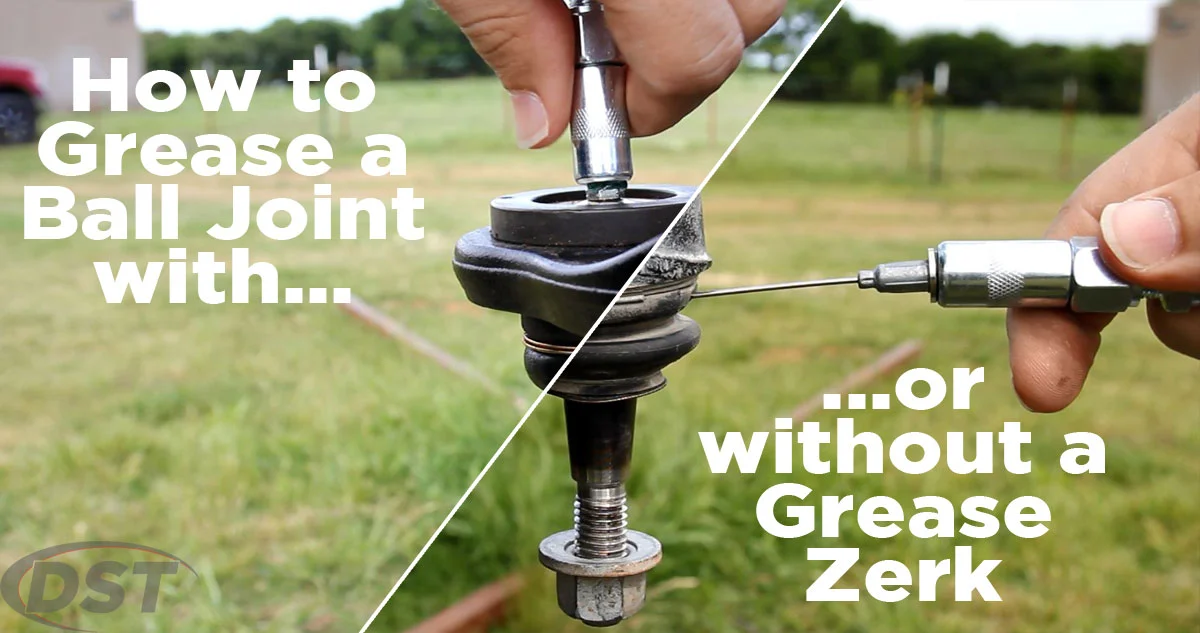
A ball joint consists of a ball stud that fits into a socket, allowing for pivoting motion between the steering knuckle and control arms. This design mimics the human joint, enabling fluid motion while restricting unwanted movement.
The integrity of the boot that encases the joint is vital for keeping dirt and moisture out, which can lead to premature wear if compromised.
Function of Ball Joints in Suspension
Ball joints play a critical role in a vehicle’s suspension system by allowing the wheels to move up and down while also steering left and right. They are essential for maintaining proper wheel alignment and handling characteristics, ensuring a smooth and safe driving experience.
Types of Ball Joints
There are primarily two types of ball joints: greasable (with zerk fittings) and non-greasable (sealed). Greasable ball joints allow for regular maintenance and lubrication, while non-greasable joints are typically designed to be maintenance-free.
| Type | Greasable | Non-Greasable |
|---|---|---|
| Lubrication | Can be easily serviced | Sealed, no service possible |
| Maintenance | Regular greasing required | Maintenance-free |
| Lifespan | Can extend lifespan with proper care | Limited lifespan, typically need replacement |
The table highlights the differences between greasable and non-greasable ball joints. Greasable joints allow for regular maintenance, which can significantly extend their lifespan.
In contrast, non-greasable joints, while convenient, often require complete replacement once the factory grease degrades. Understanding these differences is crucial for effective vehicle maintenance and can help prevent costly repairs due to neglect.
Importance of Greasing Ball Joints
Consequences of Neglecting Grease
Failing to grease ball joints can lead to increased friction, resulting in wear and eventual failure of the joint. This can compromise vehicle handling, lead to irregular tire wear, and even pose safety risks while driving.
Benefits of Regular Maintenance
Regular greasing of ball joints ensures that they operate smoothly and effectively. This maintenance can extend the life of the joints, improve handling, and enhance overall driving safety by reducing the risk of failure.
Signs Indicating Ball Joint Needs Greasing
Common indicators that a ball joint needs greasing include squeaking or creaking noises during turns, looseness in the steering, and uneven tire wear. Regular inspections can help identify these signs early, allowing for timely maintenance.
| Maintenance Frequency | Signs of Neglect |
|---|---|
| Every oil change | Squeaking or creaking noises |
| Every 6 months | Loose steering |
| Every 10,000 miles | Uneven tire wear |
The table presents a suggested maintenance schedule for greasing ball joints alongside common signs of neglect. Regular lubrication every oil change, or at least every 10,000 miles, can prevent issues such as squeaking noises, looseness in steering, and uneven tire wear.
This proactive approach not only enhances vehicle performance but also ensures safety and extends component life.
Tools Required for Greasing Ball Joints
Essential Tools for Greasing with Zerk Fitting
For greasable ball joints, essential tools include a grease gun, appropriate grease (heavy-duty lithium or synthetic), and a rag for cleanup. A flexible hose can be beneficial for accessing hard-to-reach fittings.
Tools for Non-Greasable Ball Joints
For non-greasable ball joints, a needle adapter for the grease gun is essential, along with standard tools like wrenches and screwdrivers for disassembly and reassembly.
Additional Accessories (Needle Adapter)
A needle adapter allows for injecting grease into sealed ball joints. This tool is crucial for maintaining non-greasable joints, providing a means to add lubrication without needing to replace the joint.
| Tool | Purpose | Recommended Brands |
|---|---|---|
| Grease Gun | For applying grease | Lube-Shuttle, Lincoln |
| Needle Adapter | For injecting grease into sealed joints | Neiko, Astro Pneumatic |
| Flexible Hose | To reach difficult fittings | Milwaukee, Dewalt |
The table summarizes essential tools required for greasing ball joints, including their purpose and recommended brands. Using quality tools ensures efficient greasing and maintenance of both greasable and non-greasable ball joints.
Investing in these tools can save time and enhance the effectiveness of your maintenance routine.
Greasing Ball Joints with Zerk Fittings
Preparing the Vehicle
Before starting the greasing process, ensure the vehicle is parked on a level surface with the parking brake engaged. Use jack stands to lift the vehicle and remove the wheel for access to the ball joints.
Inspect the dust boot for any signs of wear or damage.
Connecting the Grease Gun
Clean the zerk fitting to remove any grime. Attach the grease gun securely to the fitting until you feel it click into place.
Ensure a good seal to prevent grease from escaping during application.
Monitoring the Greasing Process
Pump the grease gun slowly. Watch for the boot to swell slightly, indicating that the joint is filling with grease.
Stop pumping once you see the boot begin to expand to avoid overfilling, which could damage the seal.
| Step | Action | Estimated Time |
|---|---|---|
| 1 | Lift vehicle and remove wheel | 10 minutes |
| 2 | Connect grease gun to zerk fitting | 5 minutes |
| 3 | Grease until boot swells | 5 minutes |
The table outlines the step-by-step process for greasing ball joints with zerk fittings, including estimated time for each step. Properly following these steps ensures effective greasing, which is crucial for maintaining the functionality and longevity of the ball joints.
Regular maintenance contributes to overall vehicle safety and performance.
Greasing Ball Joints Without Zerk Fittings
Assessing the Condition of the Boot
Before attempting to grease a sealed ball joint, inspect the dust boot for any damage. A compromised boot can lead to contamination of the joint, making it necessary to replace the joint instead of merely lubricating it.
Injecting Grease Using a Needle Adapter
If the boot is in good condition, carefully insert the needle adapter under the rubber seal. Gently pump grease into the joint, watching for the boot to swell.
Do not overfill, as this can cause the boot to tear or leak.
Best Practices for Maintenance
Regularly inspect the ball joints and their boots. If any signs of wear or damage are present, consider replacing the joint rather than attempting to grease it.
For sealed joints, using a high-quality needle adapter can help prolong their life.
| Action | Risk | Mitigation |
|---|---|---|
| Puncturing the boot | Contamination | Carefully insert needle without damaging boot |
| Over-greasing | Boot rupture | Stop when boot swells |
| Greasing without inspection | Joint failure | Regular inspections for wear |
The table presents potential risks when greasing ball joints without zerk fittings and corresponding mitigation strategies. Understanding these risks ensures a safer maintenance process while prolonging the lifespan of ball joints.
Regular inspections and careful greasing can prevent significant issues down the line.
When to Replace Ball Joints
Symptoms of Worn Ball Joints
Symptoms indicating that ball joints need replacement may include knocking or clunking noises when driving, steering wheel vibrations, and uneven tire wear. If any of these signs are observed, a thorough inspection should be conducted.
Comparing Costs of Replacement vs. Repair
The cost of replacing ball joints can range from $400 to $800, depending on the vehicle type and labor costs. In contrast, regular maintenance is significantly less expensive and can extend the lifespan of existing joints.
Professional vs. DIY Replacement
While replacing ball joints can be a DIY task for experienced mechanics, it often requires specialized tools and knowledge. For those unfamiliar with suspension systems, hiring a professional may be the best option to ensure proper installation and alignment.
| Action | Cost Range | Time Required |
|---|---|---|
| DIY Replacement | $100-$200 | 3-5 hours |
| Professional Replacement | $400-$800 | 1-2 hours |
| Regular Maintenance | $50-$100 | 1 hour |
The table compares the costs and time required for different actions related to ball joint maintenance and replacement. Regular maintenance is significantly cheaper and less time-consuming than full replacements, reinforcing the importance of proactive care in extending the lifespan of ball joints and ensuring vehicle safety and performance.
Common Myths about Ball Joint Greasing
Myth: All Ball Joints Can Be Greased
It is a common misconception that all ball joints can be greased. In reality, many modern vehicles come equipped with sealed ball joints that are not designed for lubrication after manufacturing.
Attempting to grease these can damage the seals and harm the joint.
Myth: Puncturing the Boot is Effective
Some believe that puncturing the boot to inject grease is a valid method. However, this can allow dirt and moisture into the joint, leading to premature failure.
It is better to replace the joint if the boot is compromised.
Myth: Greasing is Only Necessary When Noises Occur
Waiting for noises to occur before greasing is a dangerous mindset. Regular maintenance and inspections are crucial to prevent wear and tear before it leads to significant issues.
Implementing a routine maintenance schedule is essential for vehicle longevity.
| Myth | Truth |
|---|---|
| All ball joints can be greased | Many are sealed and cannot be serviced |
| Puncturing the boot helps | It can damage the joint and allow contamination |
| Greasing only when noises occur | Regular maintenance is essential |
The table dispels common myths associated with ball joint greasing, clarifying misconceptions. By understanding the truths behind these myths, vehicle owners can better maintain their vehicles and avoid costly repairs due to neglect.
Maintenance Tips for Longevity
Regular Inspection Schedule
Establishing a regular inspection schedule for ball joints is crucial. It is recommended to check them at least twice a year or during routine oil changes to assess their condition and ensure they are adequately lubricated.
Signs of Wear to Look For
Be vigilant for signs of wear, including noise, loose steering, or uneven tire wear. Early detection of these symptoms can lead to timely maintenance and replacement, preventing further issues.
Best Practices for Driving Conditions
Avoiding harsh driving conditions can prolong the life of ball joints. If frequently driving on rough or uneven terrain, consider increasing the frequency of inspections and maintenance to address any wear that may occur more rapidly in these conditions.
| Inspection Frequency | Driving Conditions | Recommended Action |
|---|---|---|
| Every 6 months | Normal driving conditions | Routine inspection |
| Every 3 months | Harsh driving conditions | Increased inspections |
| Before long trips | Hot weather or heavy loads | Pre-trip inspection |
The table outlines the recommended inspection frequency based on driving conditions and corresponding actions. Regular inspections, especially under harsh driving conditions, are crucial for maintaining ball joint integrity and ensuring vehicle safety.
Proactive maintenance can prevent significant damage and costly repairs in the future.
FAQs on Grease a Ball Joint Without a Fitting
Can I grease a sealed ball joint?
No, sealed ball joints are designed to be maintenance-free and are pre-greased at the factory. Attempting to grease them can damage the seals, leading to contamination and joint failure.
If a sealed joint shows signs of wear, it is best to replace it rather than try to service it.
How often should ball joints be greased?
Greasable ball joints should be lubricated every 3,000 to 5,000 miles or every time you change your vehicle’s oil. Regular maintenance ensures optimal performance and extends the lifespan of the joints, reducing the risk of premature wear and failure.
What type of grease is best for ball joints?
The best grease for ball joints is typically a heavy-duty lithium or synthetic grease, as these can withstand the pressures and temperatures experienced in suspension components. Always refer to your vehicle’s manufacturer recommendations for specific grease requirements.
How can I tell if my ball joint needs greasing?
Signs that your ball joint may need greasing include squeaking or creaking sounds, looseness in the steering, or uneven tire wear. Regular inspections can help detect these issues early, allowing for timely maintenance.
What are the risks of not greasing ball joints?
Neglecting to grease ball joints can lead to increased friction, resulting in wear and eventual failure of the joint. This can compromise vehicle handling, lead to irregular tire wear, and pose safety risks while driving.
Final thoughts: Grease a Ball Joint Without a Fitting
In conclusion, understanding how to properly grease ball joints—whether they have fittings or not—is essential for vehicle maintenance. Regular lubrication prevents wear and tear, ensures smooth operation, and ultimately saves on costly repairs.
By following the steps outlined in this article, vehicle owners can extend the life of their suspension components, enhance driving safety, and maintain optimal vehicle performance. Regular inspections and maintenance will go a long way in keeping your vehicle in top condition.