
In this article, we will explore the functionality of a battery tender with trying to properly understand How Does a Battery Tender Work?, a vital tool for maintaining the health of vehicle batteries during periods of inactivity. Whether you own a classic car, motorcycle, or any equipment that relies on a battery, understanding how a battery tender works can save you from the frustration of dead batteries.
We’ll discuss the differences between battery tenders and traditional chargers, the smart technology behind these devices, and the benefits they provide. Furthermore, we will detail the process of connecting a battery tender to your vehicle and highlight key features that make these devices essential for long-term battery maintenance.
By grasping the operation of a battery tender, users can ensure optimal performance from their batteries, thereby extending their lifespan and reducing the risk of failure when it’s time to use the vehicle.
Table of Contents
- Understanding Battery Tenders
- How Battery Tenders Operate
- Connecting a Battery Tender to Your Vehicle
- Benefits of Using a Battery Tender
- Common Issues and Troubleshooting
- FAQs About Battery Tenders
source: https://www.bestbeginnermotorcycles.com/
Understanding Battery Tenders
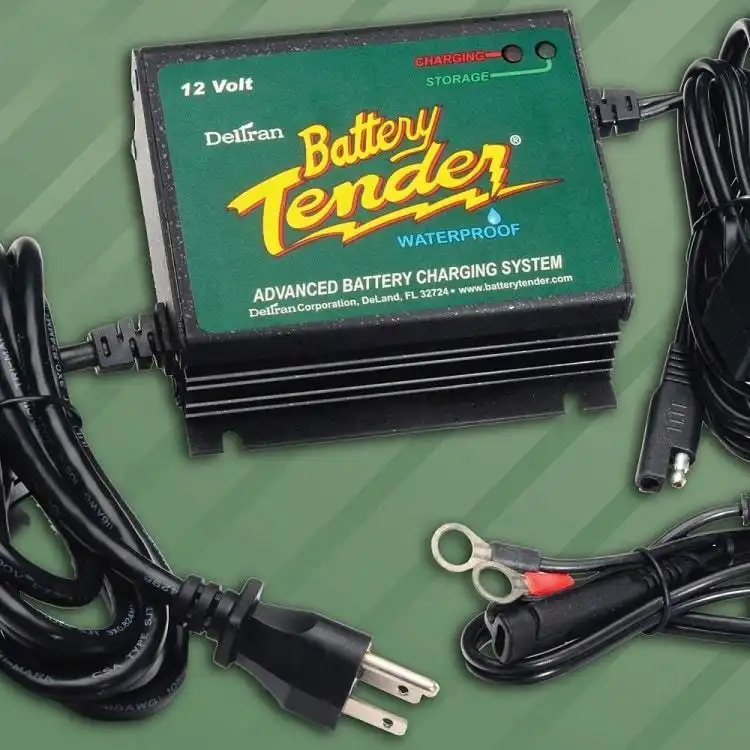
A battery tender is a specialized device designed to maintain the charge of a battery during long periods of inactivity. Unlike traditional chargers that simply provide power until the battery is fully charged, battery tenders utilize smart technology to prevent overcharging and extend battery life.
What is a Battery Tender?
The term “battery tender” refers to a type of battery maintainer that keeps your battery charged without the risk of overcharging, which can damage the battery. Battery tenders are particularly beneficial for vehicles that are not used regularly, as they help in preventing the battery from discharging to a level that could lead to sulfation, a condition that shortens battery life.
Key Features of Battery Tenders
- Microprocessor Controlled: Battery tenders feature microprocessor technology that allows them to adapt their charging rates based on the battery’s condition.
- Multi-Stage Charging: They utilize a multi-stage charging process that includes initialization, bulk, absorption, and float modes.
- Safety Features: Many battery tenders come equipped with safety features such as reverse polarity protection and spark-free connections.
Differences Between Battery Tenders and Trickle Chargers
While both battery tenders and trickle chargers aim to maintain battery charge, they differ significantly in operation. Trickle chargers provide a constant low charge to the battery, which can lead to overcharging if not monitored.
In contrast, battery tenders switch to maintenance mode once the battery is fully charged, ensuring optimal charging without risk of damage.
| Feature | Battery Tender | Trickle Charger |
|---|---|---|
| Charging Type | Smart, Multi-Stage | Constant Low Charge |
| Overcharge Protection | Yes | No |
| Compatibility | Lead-Acid, AGM, Gel | Lead-Acid |
This table illustrates the fundamental differences between battery tenders and trickle chargers. Battery tenders are designed with advanced technology that allows them to identify when a battery is fully charged and prevent overcharging, which is a significant risk associated with traditional trickle chargers.
The ability to work with various battery types further enhances the versatility of battery tenders, making them suitable for a wider range of applications.
How Battery Tenders Operate
Battery tenders operate through a multi-step charging process designed to charge and maintain batteries safely and effectively. This process includes four main phases: initialization, bulk charge, absorption, and float.
Initialization Phase
During the initialization phase, the battery tender conducts a series of checks to assess the battery’s condition. This includes verifying the battery voltage to ensure it is within the acceptable range for charging.
If the voltage is too low, the charger will not activate, protecting the battery from potential damage.
Bulk Charge Phase
Once the initialization checks are complete, the battery tender enters the bulk charge phase. In this phase, it delivers a constant charge at a specified current (typically 0.75 to 1.25 amps) until the battery voltage reaches a predetermined level, indicating that it is nearing full charge.
Absorption and Float Mode
After the bulk charge phase, the battery tender switches to the absorption mode. Here, it maintains the voltage constant while allowing the current to taper off as the battery reaches its full charge.
Finally, the float mode kicks in, where the charger maintains the battery voltage just above the fully charged level, preventing self-discharge while ensuring the battery remains ready for use.
| Charging Phase | Function | Voltage Range |
|---|---|---|
| Initialization | Conduct checks on the battery | Below 3 volts (not activated) |
| Bulk Charge | Deliver constant charge | 12.6 to 14.4 volts |
| Absorption | Maintain voltage, taper current | 14.4 volts |
| Float | Maintain battery voltage | 13.2 volts |
This table outlines the different charging phases of a battery tender along with their respective functions and voltage ranges. Understanding these phases is crucial for users as it highlights the smart operation of battery tenders, ensuring batteries are charged efficiently without risking damage.
Connecting a Battery Tender to Your Vehicle
Correctly connecting a battery tender to your vehicle’s battery is essential for safe and effective charging. Below is a step-by-step guide to ensure proper connection.
Using Ring Terminals
- Locate the battery, ensuring the vehicle is off and the key is removed from the ignition.
- Identify the positive (+) and negative (-) terminals on the battery.
- Attach the red ring terminal to the positive terminal and the black ring terminal to the negative terminal.
- Secure the connections and plug the other end into the battery tender.
Using Alligator Clips
- Ensure the vehicle is turned off and locate the battery.
- Identify the battery terminals.
- Clip the red alligator clip to the positive terminal and the black clip to the negative terminal.
- Ensure a stable connection, then plug the charger into a wall outlet.
Switching Connections Safely
When switching between ring terminals and alligator clips, use a hex wrench to loosen the bolts holding the alligator clips. Switch to the desired connection type and secure it back in place.
Always ensure correct polarity (red to positive, black to negative) to avoid short circuits.
| Connection Method | Pros | Cons |
|---|---|---|
| Ring Terminals | Secure, reliable connection | Requires installation |
| Alligator Clips | Easy to connect/disconnect | Can be loose if not secured properly |
This table compares the two primary connection methods for battery tenders. While ring terminals offer a more secure connection, alligator clips provide convenience, especially for users who may frequently connect and disconnect the charger.
Understanding these differences can help users choose the best method for their needs.
Benefits of Using a Battery Tender
Using a battery tender comes with numerous advantages that can significantly enhance the longevity and reliability of your vehicle’s battery.
Extending Battery Life
One of the primary benefits of using a battery tender is its ability to extend battery life. By preventing deep discharges and maintaining optimal charge levels, these devices can prolong the lifespan of lead-acid batteries by as much as 50% or more.
Cost-Effectiveness Over Time
While the initial investment in a battery tender may seem higher than traditional chargers, the long-term savings can be substantial. Reduced battery replacements and maintenance costs can offset the initial cost, making it a smart investment for vehicle owners.
Convenience for Infrequently Used Vehicles
For vehicles that are not used regularly, such as classic cars or motorcycles, a battery tender ensures that the battery remains charged and ready for use. This convenience saves time and hassle, allowing for immediate use when needed.
| Benefit | Data Point |
|---|---|
| Battery Life Extension | Extends life by 50% or more |
| Cost Savings | Potential savings of $60-$300 on battery replacements |
| Convenience | Immediate readiness for infrequently used vehicles |
This table summarizes the key benefits of using a battery tender, highlighting not only the economic advantages but also the practical benefits of ensuring your vehicle is always ready to go. By understanding these benefits, users can appreciate the value of investing in a battery tender for their vehicles.
Common Issues and Troubleshooting
While battery tenders are generally straightforward to use, issues may occasionally arise. Here are some common problems and troubleshooting tips.
No Output Voltage Issues
If your battery tender shows no output voltage, ensure that it is properly connected to the battery. The unit will not activate if the battery voltage is below 3 volts or if the connections are incorrect.
Battery Compatibility Concerns
Not all battery tenders are compatible with every battery type. Ensure that your battery tender is suitable for your battery type (lead-acid, AGM, gel, etc.).
Using the wrong type can lead to inefficiencies or battery damage.
Maintenance of the Battery Tender
Regular checks on the battery tender itself are essential. Inspect the cables for wear and ensure connections are clean and secure.
Storing the tender properly and keeping it away from extreme temperatures will also help maintain its functionality.
| Issue | Potential Cause | Solution |
|---|---|---|
| No Output Voltage | Battery voltage below 3V | Pre-charge battery or check connections |
| Incompatible Battery Types | Using wrong type of charger | Check specifications of battery and charger |
| Damaged Cables | Wear and tear over time | Inspect and replace if necessary |
This table outlines common issues users might face with battery tenders, along with their potential causes and suggested solutions. By understanding these troubleshooting steps, users can quickly address any problems that may arise, ensuring their battery tender operates effectively and safely.
FAQs on How Does a Battery Tender Work
Can I Leave the Battery Tender Connected?
Yes, you can leave a battery tender connected for extended periods. They are designed to maintain the battery charge without overcharging it.
However, periodic checks are recommended to ensure everything is functioning correctly.
Do Battery Tenders Work with Lithium Batteries?
Most battery tenders are designed for lead-acid batteries. However, some models are compatible with lithium batteries.
Always check the specifications to ensure compatibility with lithium technology.
Are Battery Tenders Safe for Long-Term Use?
Battery tenders are safe for long-term use when used correctly. They have built-in safety features to prevent overcharging and ensure safe operation.
Nonetheless, it’s wise to monitor the connections occasionally to prevent any potential issues.
Final thoughts: How Does a Battery Tender Work
In conclusion, understanding how a battery tender works can significantly enhance the longevity and reliability of vehicle batteries, especially during extended periods of inactivity. By utilizing this smart technology, vehicle owners can avoid the frustration of dead batteries and ensure their vehicles are ready to go when needed.
The outlined processes and benefits will help users make informed decisions about battery maintenance, ultimately saving time and money. Investing in a battery tender is a wise choice for anyone looking to protect their automotive investment.