
Motorcycle maintenance is a critical aspect of ensuring safety, performance, and longevity for your bike. Many new riders may feel overwhelmed by the thought of maintaining their motorcycle, but with a basic understanding of essential maintenance tasks, anyone can keep their motorcycle in top condition.
This article aims to provide a comprehensive guide on basic motorcycle maintenance, covering everything from pre-ride checks to routine maintenance tasks. We will explore practical tips that riders can easily implement, ensuring their motorcycle remains safe and reliable on the road.
Whether you are a novice or an experienced rider, this guide will equip you with the knowledge to care for your motorcycle effectively.
Table of Contents
- The Importance of Motorcycle Maintenance
- Essential Motorcycle Maintenance Checklist
- Tire Maintenance: Pressure and Tread Checks
- Engine Oil and Filter: Keeping Your Engine Healthy
- Brake Maintenance: Ensuring Stopping Power
- Chain Maintenance: Lubrication and Tension
- Battery Care: Extending Battery Life
- Air Filter Maintenance: Optimizing Engine Performance
- Coolant System: Preventing Overheating
- Regular Inspections: Catching Issues Early
- FAQ Section
- Conclusion
The Importance of Motorcycle Maintenance
Regular motorcycle maintenance is crucial for safety, performance, and cost savings. Neglecting maintenance can lead to significant risks for riders.
For instance, according to statistics, a significant percentage of motorcycle accidents can be attributed to mechanical failure, often resulting from poor maintenance practices. By adhering to a routine maintenance schedule, riders can substantially mitigate these risks and enhance their riding experience.
Safety Considerations
Ensuring that your motorcycle is well-maintained is vital for safety. Regular checks of critical components such as brakes, tires, and lights can prevent accidents.
A report from safety experts indicates that a well-maintained motorcycle can reduce the likelihood of crashes caused by mechanical failures.
Performance Benefits
Proper maintenance not only enhances safety but also improves the overall performance of your motorcycle. Regular oil changes, tire checks, and brake inspections can lead to better fuel efficiency and an overall smoother ride.
A well-maintained bike will respond better in various riding conditions, providing a more enjoyable experience.
Cost Savings
Investing time in regular maintenance can lead to significant cost savings in the long run. Preventive care often costs less than major repairs that result from neglect.
For example, the cost of routine oil changes is far less than the potential expense of engine repairs due to inadequate lubrication. Maintaining your motorcycle can help you avoid unexpected repair costs that can accumulate over time.
| Maintenance Task | Estimated Cost | Potential Repair Cost |
|---|---|---|
| Oil Change | $50 – $100 | $1,000 – $3,000 (engine damage) |
| Tire Replacement | $150 – $300 | $500 – $2,000 (accident costs) |
| Brake Pad Replacement | $75 – $150 | $500 – $1,500 (accident costs) |
The table summarizes the estimated costs of routine maintenance tasks alongside potential repair costs if maintenance is neglected. For instance, an oil change costs between $50 and $100, while failing to change the oil could lead to significant engine damage, costing up to $3,000 in repairs.
Similarly, neglecting to replace worn tires can result in accidents, leading to repair costs that can easily surpass the cost of preventive maintenance. Thus, regular maintenance not only enhances safety and performance but is also a financially savvy decision for riders.
Essential Motorcycle Maintenance Checklist
A well-structured maintenance checklist is essential for every motorcycle owner. This checklist categorizes tasks by frequency, ensuring that no essential maintenance is overlooked, which can help in prolonging the life of your bike and enhancing safety.
Pre-Ride Checks
- Check tire pressure and tread depth.
- Inspect brake fluid level and functionality.
- Examine engine oil level.
- Test lights and turn signals.
- Assess chain tension and lubrication.
- Ensure controls (clutch, throttle) operate smoothly.
Monthly Maintenance
- Check oil level and top up if necessary.
- Inspect tire condition and pressure.
- Examine brake pads and fluid levels.
- Clean and lubricate the chain.
- Check battery condition and electrolyte levels.
- Inspect coolant level and top up as needed.
Yearly Maintenance
- Change engine oil and filter.
- Inspect and replace air filter if necessary.
- Check brake system components and fluid.
- Flush coolant system and replace coolant.
- Inspect tires for wear and replace if necessary.
- Check suspension and steering components.
| Maintenance Frequency | Task | Recommended Interval |
|---|---|---|
| Pre-Ride | Tire Pressure Check | Every Ride |
| Monthly | Oil Level Check | Every Month |
| Yearly | Brake System Inspection | Once a Year |
The above table illustrates the different maintenance tasks and their recommended frequency, providing an easy reference for riders. Pre-ride checks should be performed before every ride to ensure safety.
Monthly checks help maintain the motorcycle’s functionality and performance, while yearly inspections are crucial for more in-depth assessments of the bike’s overall condition. Adhering to this checklist can help prevent mechanical failures and enhance the riding experience.
Tire Maintenance: Pressure and Tread Checks
Tire maintenance is essential for motorcycle safety and performance. Proper tire pressure and tread depth are key factors that significantly affect handling, braking, and overall stability while riding.
Checking Tire Pressure
Tire pressure should be checked regularly, ideally before each ride. Under-inflated tires can lead to poor handling and increased tire wear, while over-inflated tires can reduce traction and increase the risk of blowouts.
Recommended tire pressures can usually be found on the sidewall of the tire or in the owner’s manual. Using a reliable tire pressure gauge, riders should ensure that their tires are inflated to the manufacturer’s specifications.
Assessing Tread Depth
Tread depth is crucial for maintaining grip on the road, especially in wet conditions. A tread depth of at least 1 mm is typically required for adequate traction.
Riders can use a tread depth gauge to measure the tire tread or rely on the wear indicators present on the tires. If the tread is worn down to these indicators, it is time to replace the tires.
Signs of Tire Wear
Common signs of tire wear include uneven tread wear, cracks on the sidewalls, and bulges. If any of these conditions are observed, the tires should be inspected further and potentially replaced.
Regular checks can help prevent tire-related accidents, which are among the most common causes of motorcycle crashes.
| Motorcycle Type | Recommended Tire Pressure (PSI) |
|---|---|
| Sport Bikes | 32-36 |
| Cruisers | 30-34 |
| Dirt Bikes | 12-15 |
This table provides the recommended tire pressures for different types of motorcycles. Sport bikes typically require higher pressures compared to cruisers, which can enhance performance and handling characteristics.
Dirt bikes have much lower recommended pressures to accommodate off-road conditions, which can require more flexibility in the tire. Keeping tires at the correct pressure is essential for optimal performance and safety, making it a critical component of motorcycle maintenance.
Engine Oil and Filter: Keeping Your Engine Healthy
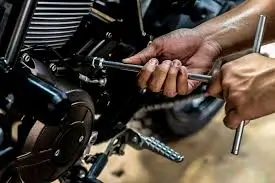
Maintaining engine oil and the oil filter is one of the most vital aspects of motorcycle maintenance. Regular oil changes help to ensure that your engine runs smoothly and efficiently, reducing wear and tear on internal components.
How to Check Oil Levels
To check the oil level, first warm up the engine for a few minutes to allow the oil to flow freely. Then, place your motorcycle on a level surface and use the dipstick or oil sight glass to assess the oil level.
If the oil is below the recommended level, top it up with the correct type of oil as specified in the owner’s manual.
When to Change Oil
Oil change intervals can vary based on the type of oil used and riding conditions. Generally, it is recommended to change the oil every 3,000 to 5,000 miles for mineral oils and up to 10,000 miles for synthetic oils.
It is important to follow the manufacturer’s recommendations for the best performance.
Oil Filter Replacement
The oil filter should be replaced every time the oil is changed. A clogged filter can restrict oil flow, leading to engine damage.
Replacement of the oil filter is typically straightforward and can be done during the oil change process.
| Oil Type | Change Interval (Miles) | Average Cost |
|---|---|---|
| Mineral Oil | 3,000 | $40 – $70 |
| Semi-Synthetic Oil | 5,000 | $50 – $90 |
| Synthetic Oil | 7,500 – 10,000 | $60 – $120 |
The table compares different types of engine oil, their recommended change intervals, and associated costs. Mineral oils require more frequent changes, making them less economical over time compared to synthetic oils, which last longer and offer better engine protection.
Understanding these factors can help riders choose the right oil type for their motorcycle, balancing performance and cost-effectiveness.
Brake Maintenance: Ensuring Stopping Power
Brakes are one of the most critical safety components of a motorcycle. Regular maintenance of the brake system ensures that your stopping power remains reliable and effective.
Checking Brake Fluid Levels
Brake fluid should be checked regularly, particularly before long rides. The fluid level should be between the minimum and maximum marks on the reservoir.
Low brake fluid can indicate a leak or worn brake pads, both of which require immediate attention.
Inspecting Brake Pads
Brake pads wear over time and should be inspected regularly. If the pad thickness is less than 2 mm, they should be replaced.
Signs of wear include squeaking or grinding noises during braking, which can indicate that the pads have worn down too far.
Brake System Functionality
Beyond fluid and pad checks, the entire brake system should be assessed for proper functionality. This includes checking for leaks in the brake lines, ensuring that the brake lever feels firm when applied, and inspecting calipers for any signs of wear or damage.
| Brake Pad Thickness (mm) | Action Required |
|---|---|
| 2.0 or less | Replace Immediately |
| 3.0 – 4.0 | Monitor Closely |
| 4.0 and above | Check Regularly |
This table outlines the necessary actions based on brake pad thickness. Pads at or below 2 mm should be replaced immediately to ensure safe braking.
Regular monitoring of pads between 3.0 and 4.0 mm is essential, as they can wear down quickly, especially under heavy use. Keeping track of brake pad conditions is crucial for maintaining stopping power and overall safety while riding.
Chain Maintenance: Lubrication and Tension
Proper chain maintenance is essential for the performance and safety of your motorcycle. A well-maintained chain improves power transfer from the engine to the wheels and enhances overall ride quality.
Cleaning the Chain
To clean the chain, start by placing the motorcycle on a stand. Use a chain cleaner and a brush to remove dirt and grime.
Ensure that the chain is thoroughly dried before lubricating to prevent dirt accumulation.
Lubrication Techniques
Lubricating the chain should be done after cleaning. Use a spray lubricant specifically designed for motorcycle chains and apply it evenly on the inner side while rotating the rear wheel.
This ensures that the lubricant penetrates all parts of the chain.
Checking Chain Tension
Chain tension should be checked regularly. A properly adjusted chain should have a free play of 30-40 mm.
Too much slack can lead to chain jumping or failure, while too little can cause excessive wear on the sprockets.
| Maintenance Task | Recommended Frequency |
|---|---|
| Chain Cleaning | Every 500-700 miles |
| Chain Lubrication | After Every Ride (if wet or dirty) |
| Chain Tension Check | Monthly |
The table summarizes the recommended frequency for various chain maintenance tasks. Cleaning the chain every 500-700 miles is essential for removing debris that can cause wear.
Regular lubrication after rides in dirty or wet conditions ensures smooth operation and longevity. Monthly checks of chain tension help maintain optimal performance, preventing issues related to improper tension.
Battery Care: Extending Battery Life
The motorcycle battery is crucial for starting the engine and powering electrical components. Proper care can extend the battery’s life significantly and ensure reliability.
Checking Battery Charge
Battery charge should be checked regularly, especially before long rides. Most batteries will last 2-5 years, depending on usage and maintenance.
A multimeter can be used to measure voltage, with 12.5 V DC as a typical threshold for a healthy battery.
Cleaning Terminals
Clean battery terminals to prevent corrosion, which can hinder performance. Use a mixture of baking soda and water to clean the terminals and ensure a solid connection.
Seasonal Battery Maintenance
During colder months, it is wise to either disconnect the battery or use a trickle charger to maintain its charge. Batteries left in cold conditions without maintenance can lose their ability to hold a charge.
| Battery Type | Maintenance Needs | Average Lifespan |
|---|---|---|
| Lead-Acid | Check charge, clean terminals | 2-5 years |
| Gel | Check charge, minimal maintenance | 3-7 years |
| Lithium-Ion | Check charge, avoid deep discharges | 5-10 years |
The table outlines the maintenance needs and average lifespans of different battery types. Lead-acid batteries require regular checks and terminal cleaning to ensure performance, typically lasting 2-5 years.
In contrast, gel and lithium-ion batteries tend to have longer lifespans with simpler maintenance needs. Understanding these differences can help riders select the right battery for their motorcycle and maintain it effectively for optimal performance.
Air Filter Maintenance: Optimizing Engine Performance
The air filter plays a critical role in engine performance by ensuring that clean air enters the engine for combustion. Regular maintenance of the air filter is essential for optimal efficiency.
Checking Air Filter Condition
Riders should inspect the air filter regularly, especially if riding in dusty or dirty conditions. A clean air filter allows for proper airflow, which is vital for engine performance.
If the filter appears dirty or clogged, it should be cleaned or replaced.
Cleaning vs. Replacing the Filter
Depending on the type of filter, cleaning can often restore it to optimal condition. However, if the filter is damaged or excessively dirty, replacement is necessary.
Consult the owner’s manual for specific cleaning instructions and replacement intervals.
Frequency of Maintenance
Typically, the air filter should be inspected and cleaned or replaced every 5,000 miles for road bikes. Riders who frequently ride in dusty conditions may need to clean or replace their filters more often to ensure efficient engine operation.
| Air Filter Type | Replacement Interval (Miles) | Cleaning Method |
|---|---|---|
| Paper | 5,000 (replace) | Not Cleanable |
| Foam | 3,000 (clean/replace) | Wash with soap and water |
| Oiled | 5,000 (clean/replace) | Clean and re-oil |
The table compares different types of air filters, their recommended replacement intervals, and cleaning methods. Paper filters typically require replacement due to their inability to be cleaned, while foam and oiled filters can be cleaned and reused.
Understanding the properties of different filters can help riders maintain engine efficiency and performance effectively.
Coolant System: Preventing Overheating
Proper maintenance of the coolant system is vital for preventing engine overheating. Regular checks and maintenance can help ensure that the engine operates efficiently and safely.
Checking Coolant Levels
Coolant levels should be checked regularly, particularly before long rides. The coolant reservoir typically has minimum and maximum marks to guide proper levels.
Low coolant levels can lead to overheating, which can cause significant engine damage.
Flushing the Cooling System
Flushing the cooling system helps remove contaminants and prevents corrosion. It is generally recommended to flush the coolant system every two years or as specified in the owner’s manual.
This ensures that the coolant remains effective and that the cooling system operates optimally.
Signs of Cooling System Issues
Common signs of cooling system issues include overheating, coolant leaks, or a low coolant level. If any of these signs are present, riders should seek immediate attention to prevent further engine damage.
| Maintenance Task | Recommended Interval | Average Cost |
|---|---|---|
| Coolant Check | Monthly | $10 – $20 |
| Coolant Flush | Every 2 Years | $50 – $100 |
This table outlines the recommended intervals for coolant maintenance tasks along with their average costs. Regular coolant checks help ensure that levels are maintained, while a flush every two years helps keep the cooling system clean and functioning correctly.
Understanding these intervals can assist riders in maintaining their motorcycle’s cooling system effectively, preventing overheating and potential engine damage.
Regular Inspections: Catching Issues Early
Routine inspections are crucial for identifying potential problems before they escalate into serious issues. Regular checks can save time and money while ensuring safety on the road.
Visual Inspections
Performing visual inspections can help catch issues such as leaks, cracks, or loose components. Riders should regularly inspect the entire motorcycle, including the frame, wheels, brakes, and electrical components.
Noticing small problems early can prevent them from becoming bigger issues.
Listening for Unusual Noises
Listening for unusual sounds during operation can indicate underlying issues. Sounds like grinding, clunking, or abnormal engine noises can signal that something needs attention.
Riders should be familiar with the normal sounds of their motorcycle to notice any changes quickly.
Keeping a Maintenance Log
Maintaining a log of inspections and maintenance tasks can help riders stay organized and ensure that no important tasks are forgotten. A maintenance log can also be beneficial when selling the motorcycle, as it demonstrates a history of responsible care.
| Inspection Type | Frequency | Key Areas to Check |
|---|---|---|
| Visual Inspection | Monthly | Frame, Wheels, Brakes |
| Noise Check | Every Ride | Engine, Brakes, Chain |
This table summarizes the different types of inspections and their recommended frequency. A visual inspection should be performed monthly, focusing on critical components to ensure safety.
Additionally, checking for unusual noises should be part of every ride, helping to catch potential issues early. Regular inspections are a proactive approach to motorcycle maintenance, ensuring both safety and performance.
FAQ Section
What are the basic maintenance tasks every motorcycle owner should know?
Every motorcycle owner should be familiar with checking tire pressure, oil levels, brake functionality, and chain maintenance. These tasks are fundamental to ensuring a safe and efficient ride.
Additionally, understanding how to clean and maintain the air filter, check coolant levels, and inspect the battery can significantly enhance the motorcycle’s performance and longevity.
How often should I change my motorcycle oil?
Motorcycle oil should be changed every 3,000 to 5,000 miles for mineral oils and up to 10,000 miles for synthetic oils. It is essential to refer to the owner’s manual for specific recommendations, as factors like riding conditions can influence oil change frequency.
Regular oil changes help maintain engine health and prevent wear and tear.
What are the signs that my motorcycle tires need replacing?
Signs that motorcycle tires need replacing include low tread depth (below 1 mm), visible cracks or bulges on the sidewalls, and uneven wear patterns. Additionally, if the tires feel excessively soft or lose pressure frequently, it may be time for a replacement.
Regular inspections can help catch these issues early.
How can I check if my motorcycle brakes are functioning correctly?
To check motorcycle brakes, inspect the brake fluid level, check for any leaks, and test the brake pads for wear. Squeeze the brake lever; it should feel firm and responsive.
If the lever feels spongy or goes to the handlebar, there may be an issue with the brake system that needs immediate attention.
Why is it important to maintain my motorcycle chain?
Maintaining the motorcycle chain is crucial for ensuring proper power transfer from the engine to the wheels. A well-maintained chain reduces wear on components and improves overall ride quality.
Neglecting chain maintenance can lead to chain failure, which can cause accidents and result in costly repairs.
What should I do if my motorcycle battery is dead?
If your motorcycle battery is dead, you can try jump-starting it using jumper cables and a functioning vehicle or a jump starter. If the battery fails to hold a charge, it may need to be replaced.
Regularly checking the battery’s charge and keeping it clean can help prevent unexpected failures.
How can I tell if my motorcycle air filter needs cleaning or replacing?
An air filter should be cleaned or replaced if it appears dirty or clogged. Regular inspections, especially after riding in dusty conditions, can help identify when cleaning is necessary.
If the performance of the motorcycle decreases or the engine runs poorly, it’s a good indicator that the air filter needs attention.
Conclusion
In conclusion, regular motorcycle maintenance is essential for ensuring safety, enhancing performance, and prolonging the life of your bike. By following the outlined practices and maintaining an organized checklist, riders can effectively manage their motorcycle’s upkeep.
This proactive approach not only fosters a more enjoyable riding experience but also reduces the chances of unexpected breakdowns. Remember, a well-maintained motorcycle is a reliable companion on every journey, so invest the time and effort needed to keep it in prime condition.