
Troubleshooting Ignition: The Bad Ground Conundrum
Can a Bad Ground Cause No Spark? Yes, a bad ground can cause no spark in a vehicle’s ignition system. A faulty ground connection can disrupt the flow of electricity, leading to a lack of spark and preventing the engine from starting.
When the ground is weak or faulty, it may prevent the ignition coil from producing the necessary spark to ignite the fuel, resulting in a no-start condition. It’s crucial to ensure that all ground connections are clean, tight, and free from corrosion to maintain proper electrical flow and reliable spark generation in the ignition system.
Regular maintenance and inspection of the ground connections can help prevent no-spark issues and keep the vehicle running smoothly.
Post Overview:
- Understanding Ignition Systems
- Diagnosing Ground Issues In Ignition
- Can A Bad Ground Halt Spark Generation?
- Troubleshooting Spark Issues
- Resolving Bad Ground And No Spark Problems
- Frequently Asked Questions For Can A Bad Ground Cause No Spark
- Conclusion
Understanding Ignition Systems
In a vehicle’s ignition system, the process of generating the spark that ignites the fuel-air mixture in the engine cylinders is critical for the vehicle to start and run smoothly. The ignition system consists of several key components that work together to produce the spark needed for combustion. Additionally, the grounding within the ignition system plays an essential role in ensuring the proper flow of current and the generation of the spark. Understanding the basics of ignition systems, the role of grounding, and the symptoms of ignition system failures is crucial for maintaining a properly functioning vehicle.
Basics Of Ignition System Components
The ignition system of a vehicle typically consists of the ignition coil, distributor, spark plugs, and the associated wiring and control module. The ignition coil transforms the low voltage from the battery into the high voltage needed to produce the spark. The distributor distributes this high voltage to the spark plugs in the correct firing order. The spark plugs then ignite the fuel-air mixture within the engine cylinders, leading to combustion. Understanding the function of these components is essential for diagnosing ignition system issues.
Role Of Grounding In Ignition Systems
Proper grounding within the ignition system is crucial for the efficient flow of current and the generation of a strong spark. The ground connection provides a path for the current to return to the battery, completing the electrical circuit. If the ground connection is poor or faulty, it can impede the flow of current and lead to a weak or no spark. Understanding the significance of grounding in the ignition system is essential for troubleshooting and resolving ignition-related problems.
Typical Symptoms Of Ignition System Failures
- Intermittent or no spark from the spark plugs
- Rough idling or difficulty starting the engine
- Decreased fuel efficiency and engine performance
- Unusual engine noises or vibrations
- Dashboard warning lights related to ignition system issues
Recognizing these symptoms can help identify potential ignition system failures, allowing for timely maintenance and repairs to ensure the proper functioning of the vehicle.
Diagnosing Ground Issues In Ignition
Tools Required For Ignition System Diagnostics
When it comes to diagnosing ground issues in the ignition system, having the right tools at your disposal is crucial. The following tools are essential for a comprehensive ignition system diagnostic:
- Digital multimeter
- Test light
- Ground strap kit
- Wire piercing probe
Steps To Assess Grounding In Ignition Systems
Assessing the grounding in an ignition system involves a systematic approach to identify and rectify potential issues. The following steps can aid in this diagnostic process:
- Inspect the ground connections: Ensure all ground connections are clean, secure, and free from corrosion. Any loose or corroded connections must be addressed.
- Use a multimeter to measure resistance: Utilize a digital multimeter to measure the resistance between the ground point and the negative terminal of the battery. A high resistance reading indicates a poor ground connection.
- Perform a voltage drop test: With the test light or voltage meter, check for voltage drop across the ground connections. Excessive voltage drop signifies a faulty ground point.
- Check for physical damage: Inspect the wiring harness and ground straps for any signs of physical damage or wear. Any compromised components should be repaired or replaced.
Common Misdiagnoses And How To Avoid Them
It is crucial to be aware of common misdiagnoses to effectively address ground issues in the ignition system. Some prevalent misdiagnoses and strategies to avoid them include:
- Misinterpreting engine misfires: Misinterpreting engine misfires as a fuel or ignition problem without considering potential ground issues can lead to ineffective repairs. Always assess the grounding before ruling out other causes.
- Overlooking intermittent issues: Ignoring sporadic ignition system issues can mask underlying grounding problems. Take note of any intermittent symptoms and investigate potential ground-related causes.
- Assuming a new component equals a good connection: Assuming that a new ignition component automatically guarantees a good ground connection can lead to oversight. Always verify the integrity of ground connections, even with new parts installed.
Can A Bad Ground Halt Spark Generation?
Can a bad ground halt spark generation or Can a Bad Ground Cause No Spark? Understanding the impact of grounding on a vehicle’s electrical system is crucial for diagnosing issues related to spark generation. A bad ground connection can disrupt the flow of electrical current and lead to a lack of spark, affecting the vehicle’s performance. In this article, we’ll explore how grounding affects electrical circuits in vehicles and its relationship with spark production.
How Grounding Affects Electrical Circuits In Vehicles
Grounding plays a critical role in ensuring the efficient operation of electrical circuits in vehicles. It serves as a path for the electrical current to return to the battery, completing the circuit. A solid ground connection is necessary for stabilizing voltage levels and preventing electrical malfunctions. Without proper grounding, electrical components may experience fluctuations in power, leading to issues such as no spark generation.
The Relationship Between Bad Grounding And Spark Production
A bad ground can directly impact the spark production in a vehicle’s ignition system. When the ground connection is compromised, it disrupts the flow of current through the ignition coil and spark plugs, hindering the generation of spark needed for combustion. This can result in engine misfires, rough idling, and overall performance issues. Therefore, maintaining a secure and clean ground connection is essential for ensuring consistent spark production.
Troubleshooting Spark Issues
When your vehicle fails to start, a common culprit can be a lack of spark. A bad ground can indeed cause no spark, leading to frustration for car owners. Fortunately, troubleshooting spark issues can be tackled methodically, allowing you to isolate the problem effectively and determine if professional help is necessary. In this guide, we’ll explore the step-by-step process for isolating no-spark issues, provide practical tips for testing ignition coil and spark plug connections, and discuss when it may be time to seek professional mechanic assistance.
Step-by-step Guide To Isolate No-spark Issues
When faced with a no-spark issue, it’s vital to proceed with a systematic approach. By following these steps, you can isolate and troubleshoot the problem:
- Check the battery to ensure it’s fully charged and the terminals are clean and secure.
- Inspect the ignition switch and ensure it’s functioning properly.
- Test the ignition coil for continuity and proper voltage output.
- Examine the spark plugs for signs of fouling or damage.
- Verify the ground connections to ensure they’re secure and free of corrosion.
- Use a multimeter to test for voltage at the ignition coil and spark plug connections.
Practical Tips For Testing Ignition Coil And Spark Plug Connections
Testing the ignition coil and spark plug connections is crucial for identifying potential issues. Here are some practical tips to consider:
- Use a multimeter to measure the resistance of the ignition coil and compare it to the manufacturer’s specifications.
- Inspect the spark plug wires for cracks, wear, or damage, and replace as needed.
- Clean the spark plug connections and ensure they’re making secure contact.
- Perform a spark test by removing a spark plug, grounding it against the engine, and cranking the engine to observe for a visible spark.
When To Seek Professional Mechanic Assistance
While troubleshooting spark issues can often be done by DIY enthusiasts, there are instances when professional assistance becomes necessary. Consider seeking help from a mechanic if:
- The diagnostic tests yield inconclusive results.
- You lack the specialized tools or equipment needed for accurate troubleshooting.
- You are uncomfortable or inexperienced with electrical system diagnostics.
- The vehicle’s warranty or insurance coverage requires professional repairs.
Resolving Bad Ground And No Spark Problems
Repairing Grounding Problems To Restore Ignition Function
When facing no spark issues in a vehicle, a common culprit can be a bad ground. Resolving bad ground connections is essential to restore the ignition function. To remedy this, check and repair any frayed, corroded, or loose grounding wires. Ensure that the ground points on the engine block and chassis are clean and securely connected. By addressing grounding problems, you can effectively restore the spark and ignition function in your vehicle.
Preventative Measures To Maintain Reliable Grounding
To prevent bad ground issues from causing no spark problems, it’s crucial to implement preventative measures in maintaining reliable grounding for the ignition system. This can be accomplished by periodically inspecting and cleaning the ground connections to remove any corrosion or debris. Additionally, using dielectric grease on the connections can help prevent future corrosion and ensure a reliable ground for the ignition system.
Long-term Maintenance Tips For Ignition System Health
Ensuring the long-term health of the ignition system involves implementing maintenance practices that focus on preventing bad ground and no spark issues. Regularly inspecting the grounding connections, utilizing dielectric grease, and securing all ground points can significantly contribute to the overall health and reliability of the ignition system. By incorporating these long-term maintenance tips, you can mitigate the risk of encountering no spark problems due to bad ground connections.
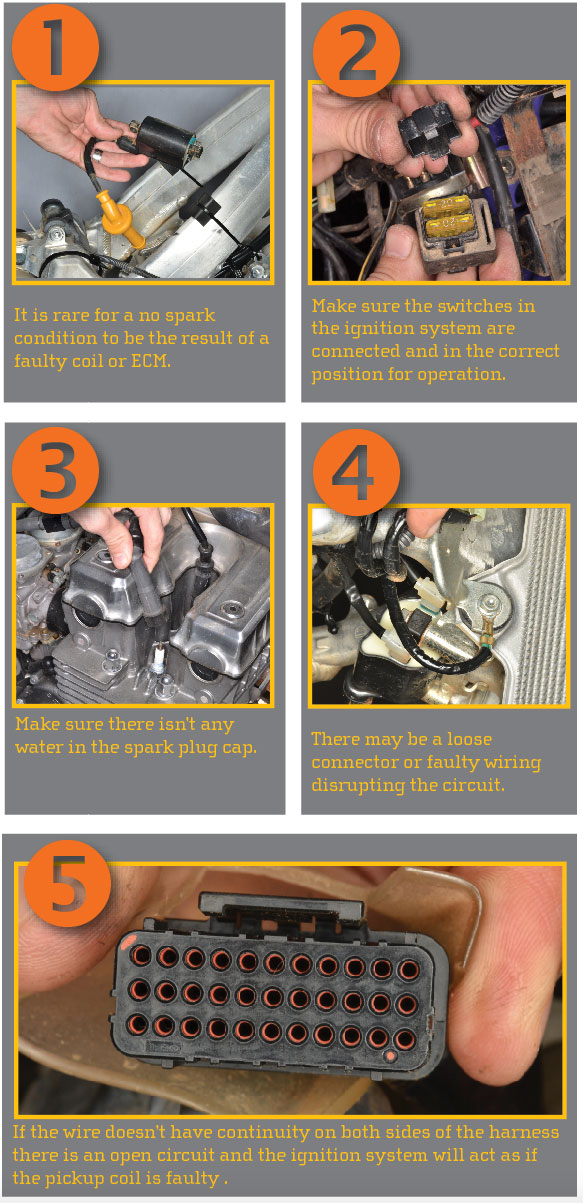
Credit: www.motorcyclepowersportsnews.com
Frequently Asked Questions For Can A Bad Ground Cause No Spark
What Are Common Causes Of No Spark?
Common causes of no spark include faulty ignition coils, worn out spark plugs, defective ignition module, damaged spark plug wires, and a faulty crankshaft position sensor. These issues can disrupt the ignition system, preventing the spark needed to ignite the fuel-air mixture in the engine.
Can A Bad Ground Cause An Ignition Coil To Go Bad?
Yes, a bad ground can cause an ignition coil to go bad. Poor grounding can lead to erratic voltage, damaging the ignition coil. Ensure proper grounding to avoid coil failure.
What Causes Car Not To Spark?
A car not sparking can be due to faulty spark plugs, ignition coils, or a problem with the fuel system. Other causes could be a malfunctioning ignition switch or a disrupted electrical connection. Regular maintenance and prompt diagnosis of issues can prevent these problems.
Can A Bad Ground Stop A Car From Starting?
Yes, a bad ground can prevent a car from starting. This can cause electrical issues, preventing the ignition system from functioning properly. Ensure all ground connections are clean and tight to avoid this problem. Regular maintenance can help prevent this issue.
Conclusion
finally, Can a Bad Ground Cause No Spark? A bad ground can indeed cause no spark in your vehicle. It’s crucial to regularly inspect and maintain the grounding system to confirm accurate functioning. By addressing any potential problems with the ground, you can avoid ignition problems and maintain the performance of your engine.
Keep your vehicle running smoothly by staying diligent with maintenance.