
Wide bike tires vs narrow: Wide bike tires offer better stability and comfort, while narrow bike tires provide more speed and efficiency. Choosing between them depends on terrain and riding style.
Wide bike tires are ideal for rough terrains and off-road adventures. They offer superior grip, cushioning, and stability. These tires also perform well on wet and slippery surfaces. Narrow bike tires, on the other hand, are best suited for road biking and racing.
They reduce rolling resistance and increase speed, making them perfect for smooth pavements. Riders often choose narrow tires for competitive cycling due to their efficiency. Understanding the differences can help you select the right tires for your biking needs. Whether you prioritize speed or stability, the right tire choice enhances your overall riding experience.
Wide Tires: An Overview
Wide bike tires have gained popularity among cyclists. They offer a range of benefits and some drawbacks. Understanding these can help you decide if wide tires are right for you.
Advantages
- Improved Traction: Wide tires have a larger surface area. This allows for better grip on the road or trail.
- Enhanced Comfort: The extra width helps absorb shocks. This makes for a smoother ride, especially on rough terrains.
- Increased Stability: Wider tires provide more balance. This is particularly useful when biking at slower speeds or on uneven surfaces.
- Better Durability: They are generally more robust. This means they can withstand more wear and tear.
Disadvantages
- Heavier Weight: Wide tires are heavier. This can make pedaling more strenuous, especially uphill.
- Increased Rolling Resistance: They create more friction. This results in slower speeds on smooth surfaces.
- Compatibility Issues: Not all bikes can accommodate wide tires. You may need to check your bike’s frame and fork size.
| Aspect | Wide Tires |
|---|---|
| Traction | High |
| Comfort | Very Good |
| Stability | Excellent |
| Weight | Heavy |
| Rolling Resistance | High |

Credit: www.youtube.com
Narrow Tires: An Overview
Narrow bike tires have been a staple for road cyclists for decades. These tires are less than 30mm wide. They are often used by cyclists who value speed and agility. Narrow tires are best for smooth pavement. They offer unique advantages and some disadvantages.
Advantages
- Speed: Narrow tires reduce rolling resistance. This helps cyclists to ride faster.
- Lightweight: They are lighter than wider tires. This makes the bike easier to handle.
- Agility: Narrow tires offer better maneuverability. They help cyclists navigate tight turns with ease.
- Aerodynamics: These tires cut through the air more efficiently. This reduces drag.
Disadvantages
- Comfort: Narrow tires offer less cushioning. This can make the ride feel bumpier on rough surfaces.
- Traction: They provide less grip on wet or uneven roads. This increases the risk of slipping.
- Durability: Narrow tires are more prone to punctures. They wear out faster than wide tires.
Performance On Different Terrains
Choosing between wide and narrow bike tires often depends on the terrain. Each tire size has its unique advantages. Understanding these can help you make the right choice for your biking needs.
Roads
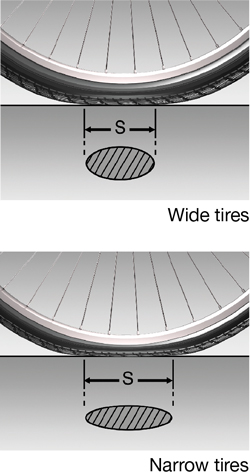
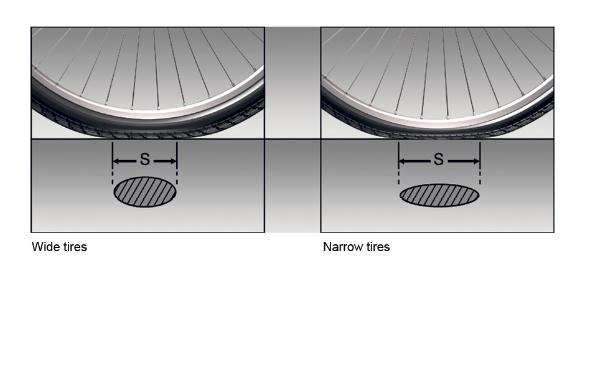
Wide bike tires offer more comfort and better traction on paved roads. They absorb bumps better. This makes rides smoother and less tiring. However, they may have more rolling resistance. This can make pedaling harder.
Narrow bike tires are designed for speed on smooth surfaces. They have less rolling resistance. This makes them ideal for road racing and commuting. They cut through the air more easily, making rides faster.
| Feature | Wide Tires | Narrow Tires |
|---|---|---|
| Comfort | High | Medium |
| Traction | High | Medium |
| Speed | Medium | High |
| Rolling Resistance | High | Low |
Trails
Wide bike tires are excellent for off-road trails. They provide better grip on loose or uneven surfaces. This helps in maintaining stability on rocky paths. The extra width also reduces the risk of punctures from sharp objects.
Narrow bike tires are not ideal for rough trails. They can get stuck in soft ground. They also have less traction on loose surfaces. This makes them less stable and more prone to slipping.
Gravel
Wide bike tires perform well on gravel paths. Their larger surface area spreads the weight more evenly. This prevents sinking into loose gravel. They also offer better control and comfort on bumpy gravel roads.
Narrow bike tires struggle on gravel. They can easily sink into loose stones. This makes the ride uncomfortable and less stable. They also have a higher chance of punctures on sharp gravel.
Credit: www.schwalbetires.com
Impact On Speed
Wide bike tires and narrow bike tires both affect speed differently. The type of tire you choose can change your ride. This section explores the Impact on Speed of wide and narrow bike tires.
Acceleration
Wide tires offer more grip on the road. This extra grip helps in faster acceleration. On rough surfaces, wide tires perform better. They provide better traction and control.
Narrow tires, on the other hand, have less rolling resistance. This means they can accelerate quickly on smooth surfaces. They are lighter, making the bike feel more agile.
| Aspect | Wide Tires | Narrow Tires |
|---|---|---|
| Acceleration | Better on rough surfaces | Better on smooth surfaces |
| Traction | Higher | Lower |
Top Speed
When discussing top speed, narrow tires usually win. Their low rolling resistance allows for higher speeds. Narrow tires cut through the air with less drag.
Wide tires generate more friction. This friction can slow you down at higher speeds. They are excellent for stability but not for top speed.
- Narrow tires reach higher top speeds.
- Wide tires offer more stability at slower speeds.
Comfort And Stability
Choosing between wide and narrow bike tires can affect your ride. The decision impacts comfort and stability significantly. Let’s explore how each type affects your biking experience.
Shock Absorption
Wide bike tires provide better shock absorption. They have more surface area to cushion bumps. This results in a smoother ride on uneven terrain.
Narrow bike tires have less shock absorption. They are less forgiving on rough surfaces. You might feel more vibrations and jolts.
Handling
Wide tires offer increased stability. They have a larger contact patch with the ground. This means better grip and control, especially off-road.
Narrow tires excel in agility. They are lighter and can turn quicker. This makes them ideal for fast, on-road biking.
| Feature | Wide Tires | Narrow Tires |
|---|---|---|
| Shock Absorption | Better | Poorer |
| Stability | More stable | Less stable |
| Handling | Grippy | Agile |
In summary, wide tires are better for comfort and stability. Narrow tires excel in speed and agility. Choose based on your biking needs.
Durability And Maintenance
Choosing between wide bike tires and narrow bike tires depends on various factors. One key consideration is their durability and maintenance. Let’s delve into how these two types of tires differ in terms of wear and tear, and the care tips required to keep them in top shape.
Wear And Tear
Wide bike tires generally have a larger contact area with the ground. This makes them more durable over rough terrains. They distribute the rider’s weight more evenly, reducing the risk of punctures.
Narrow bike tires are designed for speed and efficiency. They have less rubber in contact with the ground. They wear out faster, especially on rough surfaces. This means they might need to be replaced more frequently.
Care Tips
Proper maintenance extends the life of both wide and narrow bike tires. Here are some care tips:
- Regular Inspection: Check for cuts, punctures, or uneven wear.
- Correct Inflation: Maintain the recommended tire pressure. Use a pressure gauge.
- Cleaning: Clean tires to remove debris and prevent damage.
- Storage: Store bikes in a cool, dry place. Avoid prolonged exposure to sunlight.
- Rotation: Rotate tires regularly to ensure even wear.
Following these tips helps in maintaining tire durability and performance.
| Aspect | Wide Bike Tires | Narrow Bike Tires |
|---|---|---|
| Contact Area | Larger | Smaller |
| Durability | Higher | Lower |
| Wear Rate | Slower | Faster |
| Maintenance Frequency | Less Frequent | More Frequent |
Cost Considerations
Choosing between wide and narrow bike tires involves various cost considerations. It’s crucial to weigh the initial investment and long-term expenses. This helps in making an informed decision about which tire type suits your needs and budget.
Initial Investment
The initial cost of bike tires can vary significantly. Here’s a comparison:
| Type of Tire | Average Cost |
|---|---|
| Wide Bike Tires | $50 – $100 |
| Narrow Bike Tires | $20 – $70 |
Wide bike tires are generally more expensive. They offer better stability and comfort. On the other hand, narrow bike tires are more budget-friendly. They are ideal for smooth, paved roads.
Long-term Expenses
Long-term expenses include maintenance and replacement costs. Consider the following points:
- Durability: Wide tires often last longer due to thicker tread.
- Maintenance: Narrow tires may require frequent checks and replacements.
- Road Conditions: Wide tires handle rough terrain better, reducing wear and tear.
Wide bike tires might save money over time. They require less frequent replacements. Although narrow tires are cheaper initially, they might incur higher costs in the long run.
Consider your riding habits and terrain to choose the most cost-effective option. Balancing initial investment and long-term expenses is key to making the right choice.
Choosing The Right Tire For You
Choosing the right bike tire can be tricky. Your riding style and personal preferences play a big role. This section will help you decide between wide and narrow bike tires.
Riding Style
Your riding style is important. If you like mountain biking, wide tires are best. Wide tires give better grip on rough trails. They also offer more comfort on bumpy rides.
If you prefer road biking, narrow tires are better. Narrow tires roll faster on smooth roads. They also make it easier to go faster with less effort.
Consider your usual riding conditions. Wide tires handle mud, sand, and rocks well. Narrow tires are great for paved roads and city streets.
Personal Preferences
Your personal preferences also matter. Some riders like the stability of wide tires. Others prefer the speed of narrow tires.
Wide tires can make you feel safer on tricky paths. Narrow tires can make your bike feel lighter and more agile.
Think about how you like to ride. Do you enjoy long, leisurely rides? Wide tires can offer more comfort. Do you love racing against the clock? Narrow tires can help you go faster.
| Aspect | Wide Tires | Narrow Tires |
|---|---|---|
| Best For | Mountain Biking | Road Biking |
| Comfort Level | High | Moderate |
| Speed | Slower | Faster |
| Stability | More Stable | Less Stable |
Use this table to compare wide and narrow tires. It can help you make a better choice.
Credit: road.cc
Frequently Asked Questions
What Are The Benefits Of Wide Bike Tires?
Wide bike tires offer better traction and stability. They are ideal for rough terrains. They also provide a more comfortable ride by absorbing shocks.
Are Narrow Bike Tires Faster?
Yes, narrow bike tires are faster on smooth surfaces. They have less rolling resistance. This makes them ideal for road cycling and racing.
Which Is Better For Off-road Biking?
Wide bike tires are better for off-road biking. They offer better grip and control on uneven terrains. This enhances safety and performance.
Do Wide Tires Affect Bike Weight?
Yes, wide tires can add extra weight to your bike. This might impact speed. However, they provide better traction and comfort.
Conclusion
“Choosing between wide bike tires vs narrow depends on your riding style and terrain preferences. Wide tires offer stability and comfort, making them ideal for off-road adventures. Narrow tires provide speed and efficiency, perfect for smooth roads and racing. Consider your needs and preferences to make the best choice for your cycling experience.