
To learn how to diagnose overheating engine, first check the coolant level and inspect for leaks. Next, examine the radiator and thermostat.
An overheating engine can cause serious damage if not addressed promptly. Identifying the root cause is crucial for preventing further issues. Common reasons include low coolant, a faulty radiator, or a malfunctioning thermostat. Regular maintenance helps avoid these problems. Always monitor your engine temperature gauge while driving.
If the temperature rises unexpectedly, pull over and let the engine cool down. Inspect the cooling system components thoroughly. Timely intervention can save you costly repairs and ensure your vehicle runs smoothly. Proper care and attention to your engine’s cooling system are essential for long-term performance.
Common Causes Of Engine Overheating
Understanding the common causes of engine overheating can save you time and money. Different issues can lead to your engine overheating. By diagnosing these problems early, you can prevent severe engine damage. Below are some of the most frequent culprits.
Low Coolant Levels
Low coolant levels often cause engines to overheat. Coolant helps regulate engine temperature. Without enough coolant, your engine cannot stay cool.
Check your coolant levels regularly. Here are signs of low coolant:
- Warning lights on your dashboard
- Steam coming from the engine
- Engine temperature gauge rising
To avoid this problem, keep your coolant reservoir full. Also, check for leaks in the cooling system.
Faulty Thermostat
A faulty thermostat can also cause engine overheating. The thermostat regulates the flow of coolant through the engine. If it gets stuck, your engine may overheat.
Signs of a faulty thermostat include:
- Engine takes a long time to warm up
- Temperature gauge fluctuates
- Coolant leaks around the thermostat housing
Replace the thermostat if you notice these signs. A working thermostat keeps your engine at the right temperature.
Identifying Warning Signs

Recognizing the early signs of an overheating engine can save you from costly repairs. It’s crucial to understand what to look for to prevent serious damage.
Temperature Gauge Fluctuations
The temperature gauge on your dashboard is a key indicator of engine health. It should stay in the middle range. If it moves towards the hot zone, your engine is overheating.
Watch for sudden spikes in the temperature gauge. This can indicate a malfunction. Consistent temperature fluctuations can signal a cooling system issue.
Steps to Monitor Temperature Gauge:
- Turn on your car and let it idle.
- Observe the gauge for any rapid changes.
- If the needle moves to the red zone, turn off the engine.
Steam From Engine Bay
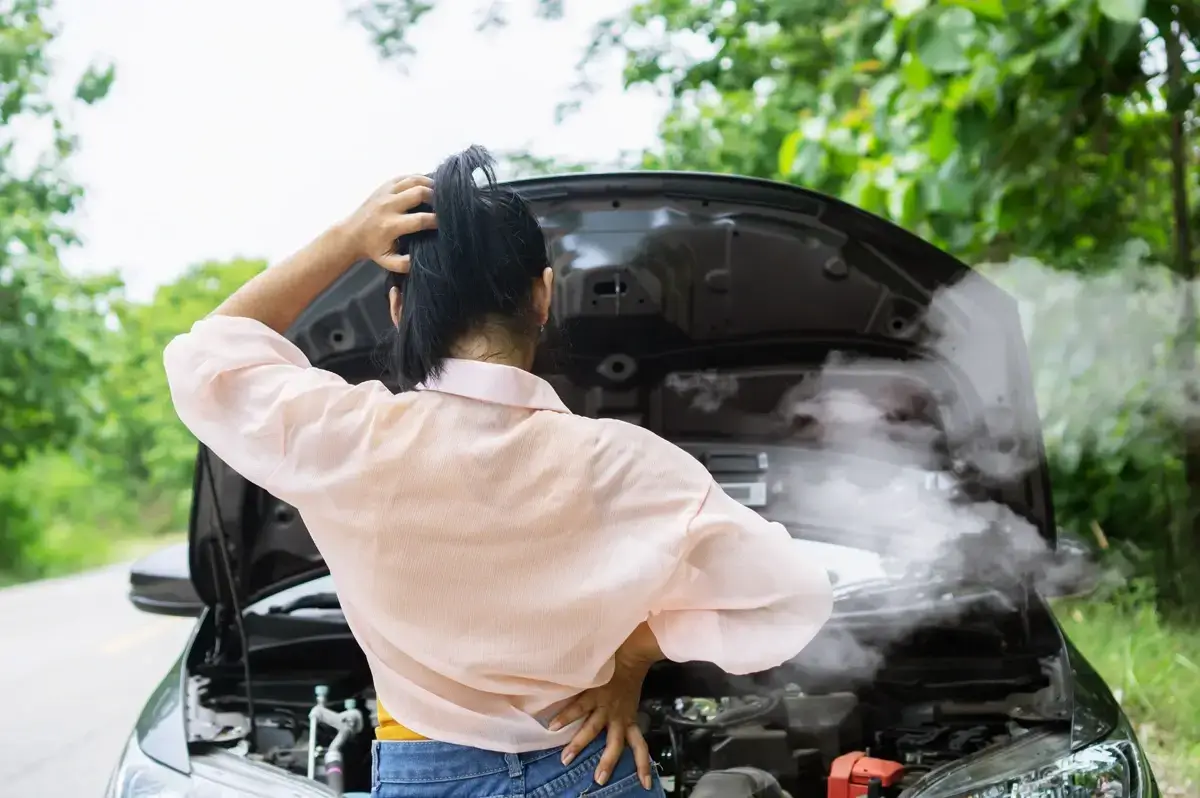
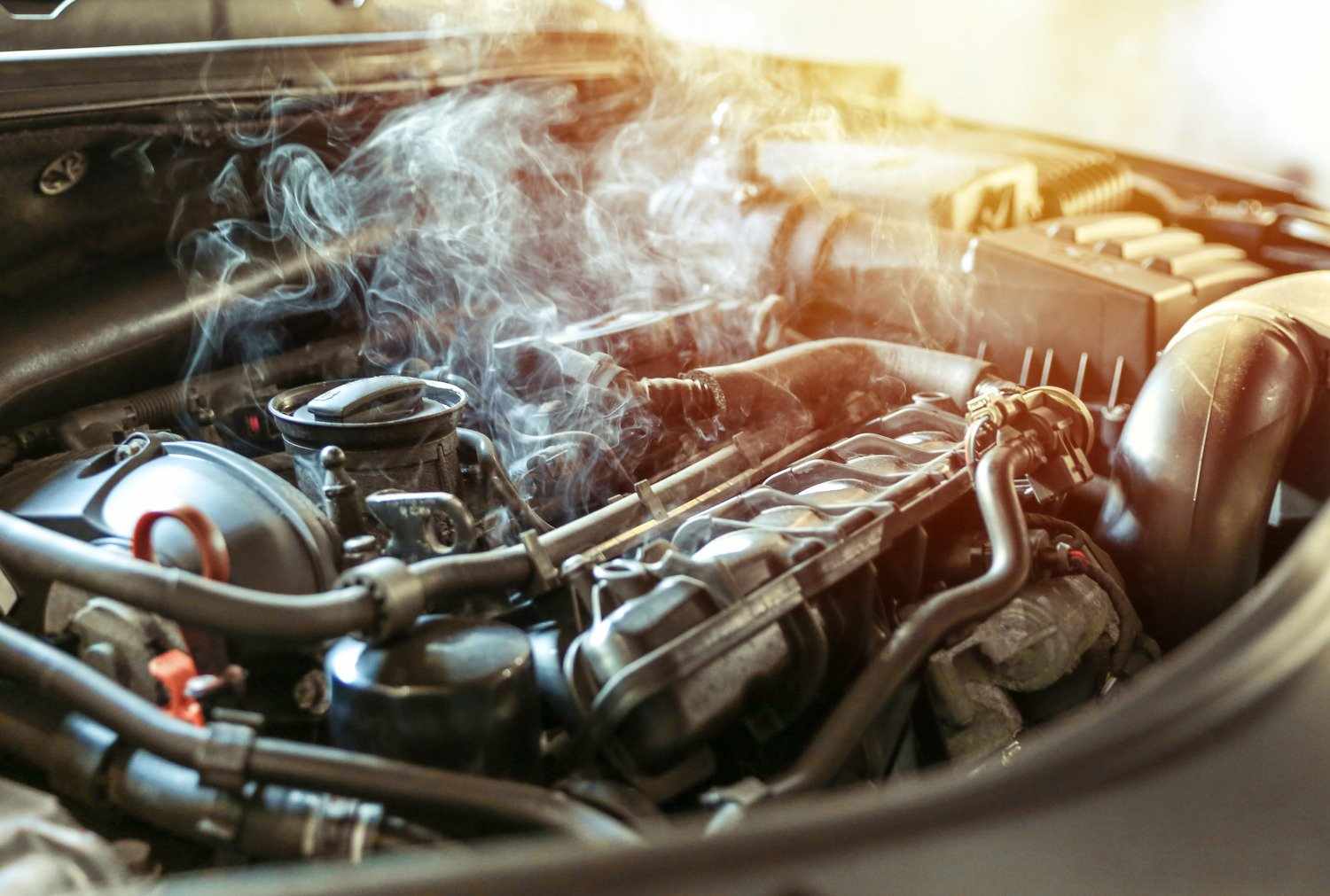
Steam coming from the engine bay is a clear warning sign. It indicates overheating. This is often due to coolant leakage or a broken radiator.
Steam can appear as white vapor. This is different from exhaust smoke. Always pull over safely if you see steam.
Actions to Take if You See Steam:
- Safely pull over to the side of the road.
- Turn off the engine immediately.
- Wait for the engine to cool before opening the hood.
Identifying these warning signs early can prevent severe engine damage. Always keep an eye on the temperature gauge and watch for steam from the engine bay.
Inspecting The Cooling System
Diagnosing an overheating engine starts with the cooling system. The cooling system keeps the engine at the right temperature. Proper inspection can prevent serious damage.
Radiator Check
The radiator plays a key role in cooling the engine. Follow these steps to check it:
- Make sure the engine is off and cool.
- Open the hood and locate the radiator.
- Look for any visible leaks or damage.
- Check the coolant level inside the radiator.
- Ensure the radiator cap is tight and in good condition.
Coolant Hose Inspection
Coolant hoses transport coolant between the engine and the radiator. Inspecting them is crucial:
- Locate the hoses connected to the radiator.
- Look for cracks, bulges, or leaks.
- Check the clamps securing the hoses for tightness.
- Feel the hoses to ensure they are firm and not soft.
Regular inspection of the cooling system helps avoid engine overheating. Keep the radiator and coolant hoses in good condition for a smooth ride.
Testing The Thermostat
Diagnosing an overheating engine involves many steps. One crucial step is testing the thermostat. A faulty thermostat can cause severe engine problems. Below, we’ll guide you through the process.
Thermostat Removal
First, you need to remove the thermostat. Follow these simple steps:
- Ensure the engine is cool before starting.
- Locate the thermostat housing. It’s near the top radiator hose.
- Use a wrench to remove the bolts on the housing.
- Carefully lift the housing to expose the thermostat.
- Take out the thermostat. Note its position for reinstallation.
Boiling Water Test
Next, perform the boiling water test. This step checks if the thermostat opens and closes properly.
Here’s how to do it:
- Fill a pot with water and bring it to a boil.
- Attach a string or wire to the thermostat.
- Immerse the thermostat in the boiling water.
- Observe if the thermostat opens. It should open fully at its rated temperature.
- Remove the thermostat and let it cool. It should close completely.
If the thermostat fails to open or close, it needs replacement.
| Step | Description |
|---|---|
| Remove thermostat | Take out the thermostat from its housing. |
| Boil water | Heat water in a pot until it boils. |
| Test thermostat | Check if the thermostat opens and closes in boiling water. |
Testing the thermostat is a straightforward process. It’s crucial for diagnosing engine overheating issues. Follow these steps to ensure your engine runs smoothly.
Examining The Water Pump
To diagnose an overheating engine, examining the water pump is crucial. The water pump helps keep the engine cool by circulating coolant. A faulty water pump can lead to overheating.
Pump Leaks
Leaks are a common problem with water pumps. Look for signs of coolant under your car. Use a flashlight to inspect the pump and surrounding areas. A leaking water pump can cause coolant levels to drop. Low coolant levels lead to overheating.
| Sign | Description |
|---|---|
| Coolant puddles | Indicates a leak |
| Wet pump | Visible moisture on the pump |
Impeller Damage
The impeller is inside the pump. It pushes the coolant through the engine. An impeller with damage can’t move coolant effectively. This causes overheating.
- Remove the pump from the engine.
- Inspect the impeller for cracks or wear.
- Replace the pump if the impeller is damaged.
Inspecting the water pump can prevent engine damage. Always address issues promptly.
Credit: www.gulfoilltd.com
Radiator Fan Functionality
The radiator fan is crucial for your engine’s cooling system. It helps regulate the temperature by cooling the radiator. An overheating engine can indicate a malfunctioning radiator fan. Here’s how to diagnose it:
Fan Blade Inspection
Inspect the fan blades for any visible damage. Broken or bent blades can hinder performance.
- Check for cracks or chips.
- Ensure the blades spin freely.
- Look for debris obstructing the blades.
A damaged fan blade can reduce airflow, causing the engine to overheat.
Electrical Connections
Electrical issues can also affect the radiator fan. Check the electrical connections for secure attachment.
- Locate the fan’s electrical connector.
- Inspect for loose or corroded wires.
- Use a multimeter to check voltage.
| Connection | Status |
|---|---|
| Wire Attachments | Secure |
| Voltage Check | 12V |
Secure electrical connections ensure the fan operates correctly.
Checking For Coolant Leaks
An overheating engine can be a serious problem. One common cause is coolant leaks. Coolant leaks can reduce the coolant level, leading to inefficient cooling. This section will guide you on how to check for coolant leaks effectively.
Pressure Test
A pressure test helps identify leaks in the cooling system. You will need a pressure tester for this.
- Ensure the engine is cool.
- Remove the radiator cap.
- Attach the pressure tester to the radiator.
- Pump the tester to the pressure specified in your car’s manual.
- Observe the pressure gauge. If it drops, there’s a leak.
Note: Always follow the car manual instructions for safety.
Visual Inspection
A visual inspection can also help locate coolant leaks. Start by checking visible parts of the cooling system.
- Look under the car for puddles or stains.
- Inspect the radiator for cracks or holes.
- Check hoses for bulges or splits.
- Examine the water pump for any signs of leakage.
- Look at the coolant reservoir for cracks or low levels.
Tip: Use a flashlight for better visibility during inspection.
By following these steps, you can effectively identify coolant leaks. This will help in diagnosing an overheating engine.
Credit: dynastyautobody.com
Preventive Maintenance Tips
Regular maintenance can prevent engine overheating. Follow these tips to keep your engine cool.
Regular Coolant Flush
A coolant flush removes old coolant and contaminants. Fresh coolant keeps the engine temperature stable.
Flush your coolant every 30,000 miles. Check your car’s manual for exact intervals. Use the right coolant for your vehicle. Always mix it with water as recommended.
Here is a simple table to guide you on coolant types:
| Vehicle Type | Coolant Type |
|---|---|
| Passenger Car | Ethylene Glycol |
| Heavy-Duty Truck | Propylene Glycol |
Routine System Checks
Check the cooling system regularly. This includes the radiator, hoses, and thermostat.
- Inspect the radiator for leaks and corrosion.
- Check hoses for cracks and soft spots.
- Ensure the thermostat opens and closes correctly.
These checks help identify issues early.
Here is a list of tools you need:
- Flashlight
- Pressure Tester
- Thermometer
Perform these checks every six months. This keeps the system in good shape.
Frequently Asked Questions For How to Diagnose Overheating Engine
What Causes An Engine To Overheat?
Several factors can cause engine overheating. Common reasons include low coolant, faulty thermostat, or a broken water pump. Regular maintenance can help prevent these issues.
How Do I Know If My Engine Is Overheating?
Signs of overheating include a rising temperature gauge, steam from the hood, or a strange smell. Pull over safely if you notice these symptoms.
Can Low Coolant Cause Engine Overheating?
Yes, low coolant levels can cause your engine to overheat. Coolant helps regulate engine temperature. Check and refill coolant regularly to avoid issues.
How Can I Prevent Engine Overheating?
Regular maintenance is key. Check coolant levels, inspect the radiator, and ensure the thermostat works properly. Regularly service your vehicle to prevent overheating.
Conclusion
How to diagnose an overheating engine is essential for ensuring your engine stays cool and maintaining vehicle health. Regular maintenance can prevent overheating issues. Always check coolant levels, inspect hoses, and watch for leaks. Promptly addressing warning signs can save you from costly repairs. Stay proactive, and your engine will run smoothly for years to come.