
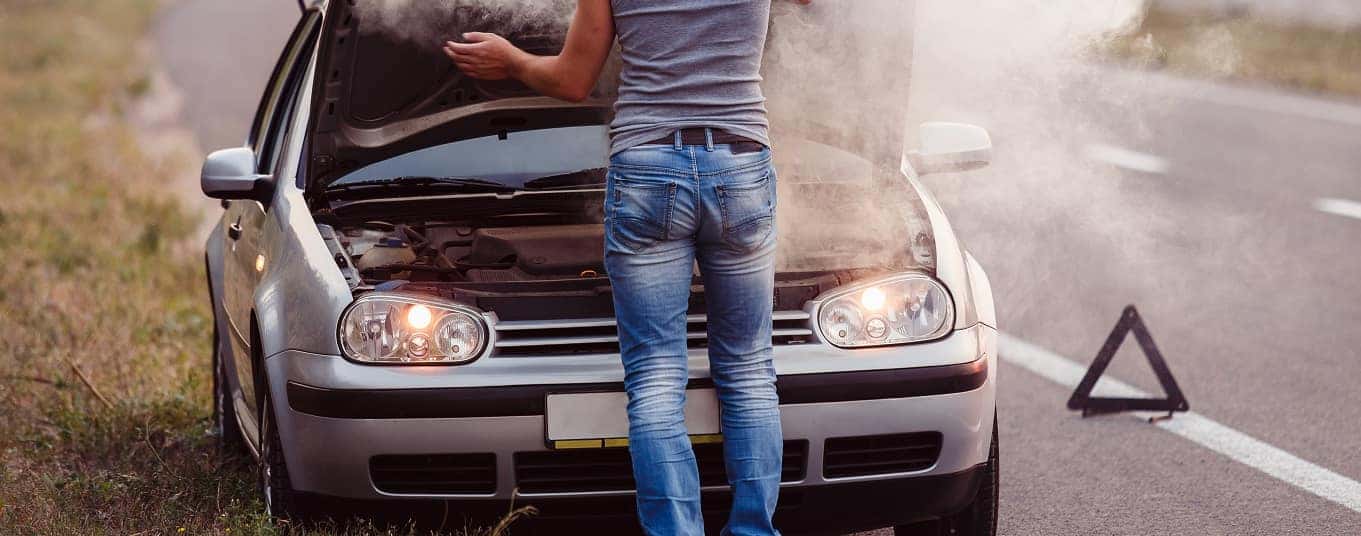
Smoke coming from radiator but not overheating often indicates coolant or oil leakage. It could also be due to debris burning on the engine.
Seeing smoke from your car’s radiator can be alarming. While it might not always mean the engine is overheating, it still signals a potential issue. Smoke usually arises from fluid leaks, such as coolant or oil, dripping onto hot engine parts.
Another possibility is debris caught in the engine bay, burning and producing smoke. Ignoring these signs can lead to more serious problems. It’s crucial to diagnose and address the root cause promptly. Regular maintenance and inspections can help prevent such issues and ensure your vehicle runs smoothly. Always consult a professional mechanic to identify and fix the problem accurately.
Common Causes
Seeing smoke coming from your radiator can be alarming. But sometimes, the engine isn’t overheating. Understanding the common causes can help you address the issue quickly.
Coolant Leaks
Coolant leaks are a frequent cause of smoke. When coolant escapes, it may land on hot engine parts. This creates smoke but does not always mean overheating. Look for these signs of a coolant leak:
- Low coolant levels in the reservoir
- Puddles of coolant under the car
- Sweet smell near the engine
Inspect hoses and the radiator for cracks or holes. Fixing these can often stop the smoke.
Oil Leaks
Oil leaks can also cause smoke without overheating. Oil dripping onto hot parts burns and creates smoke. Here are signs of an oil leak:
- Dark puddles under the car
- Burning oil smell
- Visible oil on engine components
Check the oil pan, valve cover gasket, and seals. Replace any damaged parts to stop the leak.
Electrical Issues
Electrical issues might be behind the smoke. Worn-out wiring can overheat and produce smoke. Here are some indicators of electrical problems:
- Flickering dashboard lights
- Blown fuses
- Burnt plastic smell
Inspect the wiring for frays or damage. Fixing faulty wiring can prevent smoke from appearing.
Identifying Coolant Leaks

Seeing smoke from your radiator but no overheating? This could be a sign of a coolant leak. Understanding the signs can help you identify the problem early. Let’s explore how to identify coolant leaks.
Signs Of Coolant Leaks
Coolant leaks can cause various issues. Here are some common signs:
- Visible puddles: Look for green or orange puddles under your car.
- Low coolant levels: Check if your coolant reservoir is low.
- Sweet smell: A sweet, syrupy smell can indicate a coolant leak.
- Steam or smoke: Seeing steam or smoke from the radiator area.
Checking Coolant Levels
Regularly checking your coolant levels is crucial. Follow these steps:
- Make sure your car is off and the engine is cool.
- Open the hood and locate the coolant reservoir.
- Look at the markings on the side of the reservoir.
- If the level is below the “Min” line, top it up.
Use a 50/50 mix of coolant and water to refill. Ensure the cap is secure after topping up.
| Signs | Description |
|---|---|
| Visible puddles | Green or orange puddles under your car. |
| Low coolant levels | Coolant reservoir shows below “Min” line. |
| Sweet smell | A syrupy smell near your car. |
| Steam or smoke | Steam or smoke from the radiator area. |
Oil Leaks And Smoke
Sometimes, you might see smoke coming from your car’s radiator, yet the engine isn’t overheating. This can be confusing. One common cause of this issue is oil leaks. These leaks can lead to smoke without causing the engine to overheat.
Oil On Hot Surfaces
Oil leaks often occur in older cars. The oil can drip onto hot surfaces like the exhaust manifold. This contact creates smoke. The smoke might seem alarming, but it’s usually not a sign of overheating.
Here are some key points to remember:
- Oil leaks are common in older vehicles.
- Oil drips onto hot surfaces, creating smoke.
- This smoke is not always a sign of engine trouble.
Identifying Oil Leaks
Identifying oil leaks is crucial. You can check for oil spots under your car. Use a flashlight to inspect the engine bay for wet spots. Look for any oil around the valve cover, oil pan, or gasket areas. Check the color and smell of the fluid. Oil is typically brown or black and has a distinct smell.
Here is a simple checklist to identify oil leaks:
- Look for oil spots under the car.
- Use a flashlight to inspect the engine bay.
- Check valve cover, oil pan, and gasket areas.
- Observe the color and smell of the fluid.
Regular maintenance can help prevent leaks. Make sure to check your oil levels frequently. Fix any leaks as soon as you notice them. This will keep your engine running smoothly and prevent smoke from the radiator.
Electrical Issues And Smoke
Smoke coming from your radiator without overheating is alarming. Electrical issues are often the cause. Understanding these problems can help you take the right steps to fix it.
Wiring Problems
Wiring problems can cause smoke from your radiator. Damaged wires might be the culprit. Frayed or exposed wires can create sparks. Sparks can ignite surrounding materials. This leads to smoke without overheating.
Inspect your car’s wiring regularly. Look for signs of wear and tear. Use a flashlight to check hard-to-see areas. If you find damaged wires, replace them immediately.
Short Circuits
Short circuits are another cause of smoke. A short circuit happens when a wire touches a metal part. This contact can create excessive heat. The heat can cause smoke and even fire.
To prevent short circuits, ensure all wires are properly insulated. Use electrical tape on exposed wires. Keep wires away from hot engine parts.
| Issue | Possible Cause | Solution |
|---|---|---|
| Smoke from Radiator | Wiring Problems | Inspect and Replace Damaged Wires |
| Smoke from Radiator | Short Circuits | Insulate Wires Properly |
- Check wiring regularly.
- Replace frayed wires.
- Use electrical tape on exposed wires.
- Keep wires away from hot engine parts.
Diagnosing The Problem
Credit: www.hondaboardwalk.com
Smoke coming from the radiator but not overheating can be puzzling. It is essential to diagnose the problem accurately. This ensures your vehicle stays in good condition. Below are methods to help you identify the issue.
Visual Inspection
Begin with a visual inspection. Look for any signs of leaks or damage. Check the radiator hoses. Ensure they are intact and not cracked.
Inspect the radiator cap. It should be secure and not worn out. Look around the radiator for any debris or obstructions. Make sure the radiator itself is not bent or damaged.
Using Diagnostic Tools
Next, use diagnostic tools to pinpoint the problem. A pressure tester can help. Attach it to the radiator cap. This will show if there are any leaks in the system.
A coolant tester can check the quality of the coolant. Ensure the coolant has the right mixture and is not contaminated. Use an OBD-II scanner to read any error codes. This can give you clues about potential issues.
Common Issues and Symptoms
| Issue | Symptom |
|---|---|
| Coolant Leak | Wet spots under the car |
| Faulty Radiator Cap | Coolant overflow |
| Damaged Hoses | Cracks or bulges in hoses |
Steps to Take
- Check for visible leaks or damage.
- Use a pressure tester for leaks.
- Test coolant quality.
- Read error codes with an OBD-II scanner.
By following these steps, you can diagnose the issue. Keeping your radiator in good shape is crucial. This prevents more severe problems down the road.
Fixing Coolant Leaks
If you see smoke from the radiator but the engine is not overheating, a coolant leak might be the issue. Fixing coolant leaks can prevent damage and keep your car running smoothly. Here are some steps to address common causes of coolant leaks.
Replacing Hoses
Coolant hoses can wear out over time. Leaks in these hoses can cause smoke without overheating. Follow these steps to replace the hoses:
- Turn off the engine and let it cool.
- Locate the damaged hose.
- Drain the coolant from the radiator.
- Remove the clamps holding the hose.
- Take off the old hose.
- Attach a new hose in place.
- Secure the new hose with clamps.
- Refill the coolant.
- Start the engine and check for leaks.
This method ensures the coolant system works properly. Always use hoses that fit your car model.
Repairing Radiator
A damaged radiator can also lead to coolant leaks. Here’s how to repair it:
- Let the engine cool down.
- Inspect the radiator for visible cracks.
- Drain the coolant.
- Use a radiator sealant to fix small cracks.
- If the damage is significant, replace the radiator.
- Refill with coolant.
- Check for leaks after starting the engine.
Using a sealant can be a quick fix. Replacing the radiator might be necessary for severe damage.
| Step | Action |
|---|---|
| 1 | Cool the engine. |
| 2 | Inspect for cracks. |
| 3 | Drain coolant. |
| 4 | Apply sealant or replace radiator. |
| 5 | Refill coolant. |
| 6 | Check for leaks. |
By following these steps, you can fix most coolant leaks. This will stop the smoke and ensure your car runs well.
Addressing Oil Leaks
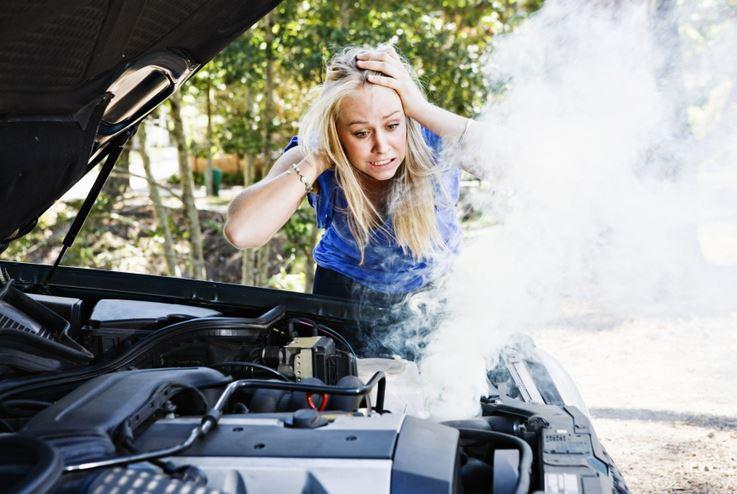
If you see smoke from your radiator but it’s not overheating, you might have an oil leak. Oil leaks can cause smoke and damage other parts. Addressing these leaks quickly is important.
Replacing Gaskets
Gaskets keep oil from leaking out of your engine. Over time, they can wear out. Replacing old gaskets can stop leaks and prevent smoke. Here’s how to replace a gasket:
- Identify the leaking gasket.
- Get a new gasket that fits your vehicle.
- Remove the old gasket carefully.
- Clean the area to remove any debris.
- Install the new gasket and secure it properly.
Ensure the gasket fits perfectly. A bad fit can cause more leaks.
Tightening Connections
Loose connections can also lead to oil leaks. Tightening these connections can stop oil from leaking and causing smoke. Follow these steps:
- Check all oil lines and hoses.
- Use a wrench to tighten any loose fittings.
- Inspect the connections for any signs of wear or damage.
- Replace worn parts if necessary.
Regularly check connections to avoid future leaks.
Addressing oil leaks is vital to keep your car running smoothly. Regular checks and maintenance can save you from costly repairs and keep your engine clean.
Credit: carfromjapan.com
Dealing With Electrical Issues
Smoke from your radiator can be alarming. Yet, if your engine is not overheating, the cause might be electrical issues. These problems often stem from faulty wiring or blown fuses. Let’s explore how to address these concerns.
Repairing Wiring
Faulty wiring can cause smoke without overheating. Begin by inspecting all visible wires. Look for any signs of wear, such as frayed or burnt wires.
Follow these steps:
- Turn off the engine and disconnect the battery.
- Locate the damaged wire using a flashlight.
- Carefully remove the damaged section with wire cutters.
- Strip the ends of the remaining wire using a wire stripper.
- Connect a new wire segment using wire connectors.
- Wrap the connected wires with electrical tape for safety.
Ensure all connections are secure. Reconnect the battery and start the engine. Check if the smoke issue persists.
Replacing Fuses
Blown fuses can also lead to smoke. Fuses protect your car’s electrical components. They break the circuit if there is excessive current.
To replace a fuse:
- Turn off the engine and locate the fuse box.
- Use the diagram on the fuse box cover to identify the blown fuse.
- Remove the faulty fuse with a fuse puller or tweezers.
- Insert a new fuse of the same amperage rating.
Start your engine again. Observe if there is still smoke coming from the radiator.
Keep spare fuses in your car. Regularly check your car’s electrical system for potential issues.
Preventive Maintenance
Preventive maintenance can save your car from big issues. Smoke from the radiator without overheating can be concerning. Regular checks can help avoid this problem.
Regular Inspections
Performing regular inspections is key. Look for any signs of damage. Check hoses, clamps, and the radiator itself. Small cracks can lead to smoke.
Inspect the radiator cap. A faulty cap can cause issues. Ensure it’s tight and in good condition. A loose cap can let out steam.
Proper Fluid Levels
Check your car’s fluid levels often. Low coolant can cause the radiator to smoke. Open the hood and find the coolant reservoir.
Make sure the coolant is at the right level. If it’s low, fill it up. Use the correct type of coolant for your car.
Also, check the oil levels. Low oil can cause overheating. Ensure oil levels are within the recommended range.
| Inspection Task | Frequency |
|---|---|
| Check radiator for cracks | Monthly |
| Inspect radiator cap | Monthly |
| Check coolant levels | Weekly |
| Check oil levels | Weekly |
Frequently Asked Questions About Smoke Coming from Radiator But Not Overheating
Why Is Smoke Coming From My Radiator?
Smoke from your radiator often indicates coolant leakage. It can also be due to oil or debris burning on the radiator.
Can A Radiator Smoke Without Overheating?
Yes, a radiator can smoke without overheating. This usually happens due to minor leaks or debris burning off.
What Should I Do If My Radiator Smokes?
If your radiator smokes, check for leaks and debris. Seek professional help to prevent further damage.
Is Radiator Smoke Dangerous?
Radiator smoke can be dangerous if it indicates a coolant leak. It’s best to get it checked immediately.
Conclusion
Smoke from your radiator can be alarming. It doesn’t always mean overheating. Regular maintenance is essential. Check hoses and coolant levels frequently. Consult a mechanic if unsure. Preventative care helps avoid bigger issues. Keep your car in top shape for a smoother ride.
Stay safe on the road.