
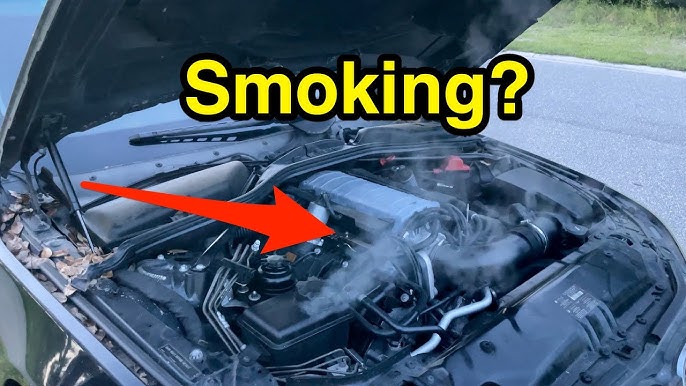
Your car might be smoking under the hood due to an oil leak or a coolant leak. These issues can cause severe engine damage.
Why is my car smoking under the hood? is a common concern, as car smoke under the hood is alarming and can indicate various problems. An oil leak can cause oil to drip onto hot engine parts, resulting in smoke. Similarly, a coolant leak can create steam, which looks like smoke. Ignoring these signs may lead to significant engine damage and costly repairs.
It’s crucial to identify the cause promptly to prevent further issues. Regular maintenance checks can help detect leaks early. If you notice smoke, stop driving and inspect your vehicle immediately. Consult a mechanic to diagnose and fix the problem to ensure your car runs smoothly and safely.
Common Causes Of Car Smoking
Seeing smoke coming from your car’s hood can be alarming. It’s essential to understand the causes to address the issue promptly. Here are some common reasons your car might be smoking under the hood.
Overheated Engine
An overheated engine is a common cause of car smoking. Engines get hot from continuous use. If the cooling system fails, the engine can overheat.
Signs of an overheated engine include:
- Temperature gauge rising above normal
- Steam coming from the hood
- Unusual smells from the engine
Leaking Coolant
Leaking coolant can also cause smoke under the hood. Coolant keeps the engine from overheating. If there’s a leak, the engine can overheat, leading to smoke.
Common signs of a coolant leak include:
- Puddles of coolant under the car
- Low coolant levels
- Sweet smell around the engine
| Cause | Sign |
|---|---|
| Overheated Engine | Temperature gauge rising, steam, unusual smells |
| Leaking Coolant | Puddles, low levels, sweet smell |
Understanding these causes can help you address the issue quickly. Always ensure your car’s cooling system is in good condition.
Credit: m.youtube.com
Smoke Colors And Their Meanings
Seeing smoke under your car’s hood is alarming. Different smoke colors can mean different issues. Understanding these colors can help you diagnose the problem.
White Smoke
White smoke usually means coolant is leaking into the engine. This can be serious. Possible causes include:
- Blown head gasket
- Cracked engine block
- Damaged cylinder head
Check your coolant level. If it’s low, you may have a leak. White smoke often has a sweet smell. This is from the burning coolant. Get your car checked immediately.
Blue Smoke
Blue smoke indicates oil is burning in the engine. This is not good. Common reasons are:
- Worn piston rings
- Leaky valve seals
- Damaged PCV valve
Oil leaks into the combustion chamber. This causes blue smoke. Your car may also use more oil than normal. Watch for frequent oil top-ups. Seek a mechanic’s help soon.
Engine Oil Issues
Experiencing smoke under your car’s hood can be alarming. One common cause is engine oil issues. These problems often lead to smoke and unpleasant smells. Understanding the key causes can help you address them quickly.
Oil Leak
An oil leak occurs when engine oil escapes its designated area. This can happen due to a damaged gasket or loose oil filter. When oil leaks onto hot engine parts, it creates smoke. You may also notice oil puddles under your car. Here’s a quick checklist to identify an oil leak:
- Check for dark oil spots on your driveway.
- Inspect the oil level using the dipstick.
- Look for wet, oily areas on the engine.
Fixing an oil leak involves tightening parts or replacing damaged gaskets. Regular maintenance can prevent leaks and ensure your engine runs smoothly.
Burning Oil
Burning oil is another issue that can cause smoke. This happens when oil enters the combustion chamber and burns along with fuel. Common reasons for burning oil include worn piston rings or valve seals. Signs of burning oil include:
- Blue or grey smoke from the exhaust.
- Rapid decrease in oil level.
- Strong burning smell from the engine.
Burning oil affects engine performance and emissions. Regularly check your oil level and top it off as needed. If the problem persists, have a professional mechanic inspect your engine for worn parts.

Coolant System Problems
Your car’s coolant system is vital for keeping the engine cool. A malfunctioning coolant system can cause your car to overheat. This often leads to smoke under the hood. Understanding the common issues can help you fix them quickly.
Coolant Leak
A coolant leak is a common problem in many cars. Leaks can happen due to cracked hoses or a damaged radiator. Check for puddles of coolant under your car. The coolant is usually green, pink, or orange. If you see any, inspect the hoses and radiator for damage.
A leaking coolant can also enter the engine. This can cause white smoke to come from under the hood. It’s important to fix leaks quickly. Ignoring them can lead to more serious engine damage.
Radiator Issues
The radiator is a key part of your car’s cooling system. Problems with the radiator can cause overheating. This often results in smoke from under the hood. Check the radiator for any visible damage. Look for cracks or corrosion on the surface.
The radiator cap is also important. A faulty cap can cause pressure problems. This can lead to leaks and overheating. Make sure the cap is tight and in good condition. Replacing a faulty radiator cap is a simple and inexpensive fix.
| Problem | Symptoms | Solution |
|---|---|---|
| Coolant Leak | Puddles under car, white smoke | Inspect and replace hoses, fix leaks |
| Radiator Issues | Overheating, visible damage, pressure loss | Check radiator and cap, replace if needed |
Keep your car’s coolant system in good shape. Regular checks can prevent many problems. Fix issues early to avoid costly repairs.
Electrical System Failures
Seeing smoke under your car’s hood can be alarming. Sometimes, electrical system failures are the cause. Electrical issues can lead to serious damage. Let’s explore two common electrical problems: burning wires and short circuits.
Burning Wires
Burning wires happen when too much current flows. The wires can’t handle the load. This causes the insulation to burn. You might smell a burning odor. The smoke could be white or blue. Check for frayed wires. Look for melted wire insulation. These can cause a fire hazard.
- Check for worn-out wires.
- Replace damaged wires.
- Ensure the electrical system is not overloaded.
Short Circuits
A short circuit occurs when a wire touches another wire. This creates an unintended path for electricity. The result is a large amount of current flow. This can cause wires to heat up and smoke. Look for loose connections or exposed wires. These can often lead to short circuits.
| Cause | Effect |
|---|---|
| Loose Connections | High Current Flow |
| Exposed Wires | Heat and Smoke |
To prevent short circuits:
- Inspect all wiring connections.
- Fix any loose or exposed wires.
- Ensure proper insulation of wires.
By understanding these electrical issues, you can take steps to prevent smoke under your hood.

Exhaust System Concerns
Is your car smoking under the hood? It can be alarming. One common cause is issues with the exhaust system. The exhaust system removes harmful gases. Problems here can lead to visible smoke. Let’s explore two main concerns.
Clogged Catalytic Converter
The catalytic converter reduces harmful emissions. A clog can cause smoke. It happens when the converter gets blocked. This blocks the flow of exhaust gases. You might notice a rotten egg smell. The engine can overheat too. This causes smoke under the hood.
Exhaust Leak
An exhaust leak is another issue. It happens when a pipe or joint breaks. This lets gases escape before they leave the car. The heat from leaking gases can burn parts. This creates smoke under the hood. You might hear a hissing sound. Or you could see soot around the leak.
Immediate Actions To Take
Seeing smoke under the hood of your car can be alarming. Knowing what to do instantly can prevent further damage. Here are immediate actions you should take to handle the situation safely and effectively.
Pull Over Safely
First, find a safe place to pull over. Use your hazard lights to alert other drivers. Do not stop in the middle of the road. Look for a shoulder or a parking lot. Stay calm and focused during this process.
Check The Temperature Gauge
After stopping, check your car’s temperature gauge. This gauge is usually on the dashboard. It shows how hot your engine is. If the gauge is in the red zone, your car is overheating.
| Temperature Gauge Reading | Action Required |
|---|---|
| Normal Range | Wait for the smoke to clear |
| Red Zone | Turn off the engine |
Next, wait for the smoke to clear before opening the hood. Do not touch any part of the engine; it will be very hot.
If you see any fluid leaks, take note of the color. Different colors can indicate different issues. Here are some examples:
- Green or Orange Fluid: Coolant leak
- Red Fluid: Transmission fluid leak
- Brown Fluid: Oil leak
Always keep a safety kit in your car. This should include items like:
- Fire extinguisher
- First aid kit
- Flashlight
- Basic tools
These tools can help you handle minor issues or wait safely for help.
Preventive Maintenance Tips
Taking care of your car can stop it from smoking under the hood. Preventive maintenance is the key. It helps avoid costly repairs and keeps your car running smoothly. Let’s dive into some important tips.
Regular Oil Changes
Regular oil changes are essential for your car’s health. Old oil can cause the engine to overheat and smoke. Change your oil every 3,000 to 5,000 miles. Check your owner’s manual for the exact interval.
| Miles Driven | Oil Change Frequency |
|---|---|
| 0 – 3,000 miles | Check oil level |
| 3,000 – 5,000 miles | Change oil and filter |
Coolant System Checks
The coolant system keeps your engine from overheating. Check the coolant level regularly. Low coolant can lead to engine smoke and damage.
Inspect hoses for leaks and cracks. Replace damaged hoses immediately. Clean the radiator to ensure proper airflow.
- Check coolant level weekly
- Inspect hoses for leaks
- Clean radiator for airflow
Use a 50/50 mix of coolant and water. This mix provides the best protection.
Frequently Asked Questions About Why is My Car Smoking under the Hood
Why Is My Car Smoking Under The Hood?
Your car might be overheating, leaking oil, or experiencing coolant issues. Check for fluid leaks and monitor engine temperature.
What Should I Do If My Car Is Smoking?
Pull over immediately and turn off the engine. Check for visible leaks or overheating signs. Call for roadside assistance.
Can I Drive My Car If It’s Smoking?
No, driving a smoking car can cause further damage. It’s important to address the issue immediately to avoid costly repairs.
Is White Smoke From The Hood Dangerous?
Yes, white smoke usually indicates a coolant leak or engine overheating. Both issues can cause severe engine damage if not addressed.
Conclusion
Experiencing smoke under the hood can be alarming. Regular maintenance is crucial to prevent serious issues. Addressing problems early saves money and ensures safety. If your car smokes, consult a mechanic immediately. Keeping your car in good condition ensures a smooth and safe driving experience.
Take action to keep your vehicle running efficiently.