
Top 10 Motorcycle Safety Tips: Always wear proper gear and maintain your motorcycle regularly for optimal safety. Riding a motorcycle offers a thrilling experience, but safety should always come first.
Motorcyclists are more vulnerable on the road compared to car drivers. Proper safety measures can significantly reduce the risk of accidents. Essential tips include wearing a helmet, using protective clothing, and staying visible to other drivers. Regular maintenance of your motorcycle ensures it remains in good working condition.
Understanding and following traffic laws is crucial. Practicing defensive riding and staying alert can prevent many accidents. It’s also important to avoid riding in poor weather conditions. These tips can enhance safety and make your riding experience more enjoyable.
Wear Proper Gear
Wearing proper gear is crucial for motorcycle safety. It can save your life. Proper gear protects you from injuries. It also keeps you comfortable. Let’s look at the essential gear you need.
Helmet
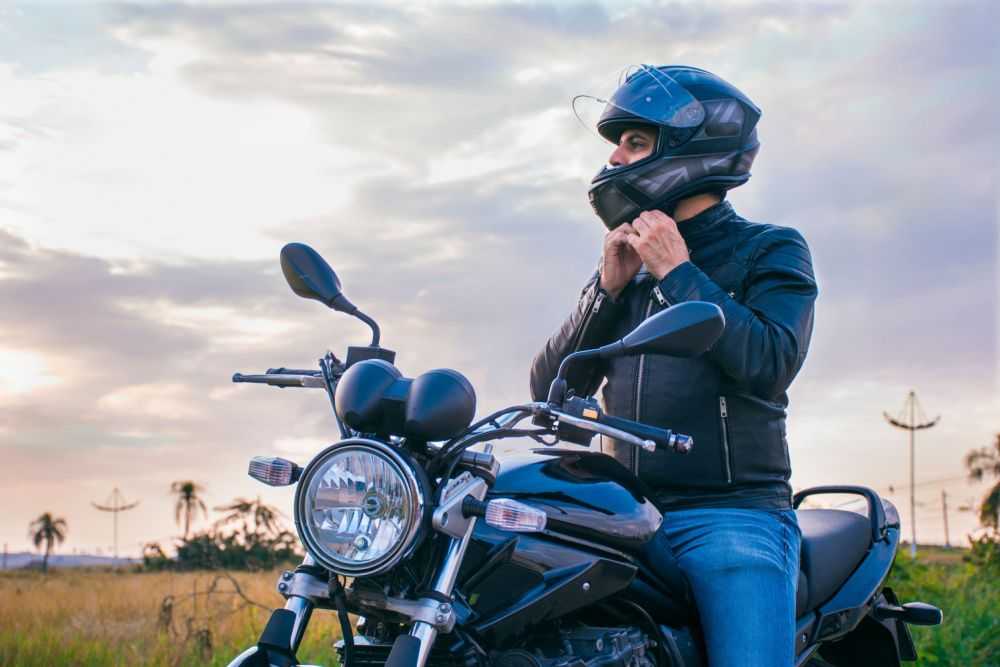
Always wear a helmet. It protects your head. Choose a DOT-approved helmet. Ensure it fits well. A good helmet can prevent head injuries. It also keeps bugs and debris away.
| Feature | Importance |
|---|---|
| DOT-Approved | High |
| Proper Fit | High |
Jacket And Pants
Wear a sturdy jacket and pants. They protect your skin. Choose materials like leather or Kevlar. These materials are strong. They can reduce road rash in a crash.
Ensure a good fit. Loose clothing can flap in the wind. This can be distracting. Snug clothing is safer.
- Leather or Kevlar
- Snug fit
- Protects skin
Gloves And Boots
Gloves protect your hands. They offer a better grip. Choose gloves with good padding. They absorb vibrations from the bike.
Wear sturdy boots. They protect your feet and ankles. Boots should cover your ankles. They provide better support and protection.
- Padded gloves
- Sturdy boots
- Ankle coverage

Credit: www.pinterest.com
Inspect Your Motorcycle
Before hitting the road, inspect your motorcycle. Regular checks keep you safe. A well-maintained bike reduces accidents. Let’s dive into the key areas to inspect.
Tire Check
Ensure your tires are in top condition. Check tire pressure. Low pressure affects handling. Use a pressure gauge to get an accurate reading. Look for any visible damage, such as cuts or punctures. Inspect the tread depth. Worn-out treads reduce grip.
| Inspection Point | Action |
|---|---|
| Tire Pressure | Use a gauge, ensure it’s within recommended range |
| Tread Depth | Check for wear, replace if too low |
| Visible Damage | Inspect for cuts or punctures |
Brake Function
Brakes are crucial for your safety. Test both front and rear brakes. Ensure they engage smoothly. Listen for unusual sounds. Squeaking or grinding means trouble. Check brake pads for wear. Replace them if they are too thin. Also, inspect brake fluid levels. Low levels affect brake performance.
- Test front and rear brakes
- Listen for unusual sounds
- Check brake pads for wear
- Inspect brake fluid levels
Fluid Levels
Fluids keep your motorcycle running smoothly. Check engine oil. Low oil can cause engine damage. Inspect coolant levels. Overheating is dangerous. Brake fluid is also vital. Low levels reduce braking power. Finally, check the transmission fluid. It ensures smooth gear changes.
- Check engine oil
- Inspect coolant levels
- Check brake fluid
- Inspect transmission fluid
Regular inspections are essential. They keep your motorcycle in top shape. Stay safe and enjoy the ride!
Follow Traffic Rules
Riding a motorcycle is thrilling but staying safe is crucial. Following traffic rules can save lives. Here are some tips to keep you safe on the road.
Speed Limits
Always adhere to the speed limits posted on roads. Speeding reduces your reaction time. It also increases the severity of accidents. Riding within speed limits keeps you and others safe. Check your speedometer often to ensure compliance.
Lane Discipline
Maintaining proper lane discipline is essential. Always ride in your designated lane. Avoid weaving between lanes. It confuses other drivers and increases crash risks. Use the correct lane for turning or changing directions.
Traffic Signals
Traffic signals are there for a reason. Always obey them. Red means stop, green means go, and yellow means slow down. Ignoring signals can lead to accidents. Pay attention to pedestrian signals too.
- Stop at red lights
- Proceed on green
- Slow down on yellow
Following traffic rules is not just about avoiding fines. It ensures safety for everyone on the road.
Stay Visible
Motorcycle safety is crucial for every rider. One of the best ways to stay safe is to stay visible on the road. Visibility helps others see you and reduces the risk of accidents. Here are some tips to make sure you are always seen.
Reflective Clothing
Wearing reflective clothing is essential for nighttime riding. These clothes reflect light from car headlights, making you more noticeable. Look for jackets, vests, and helmets with reflective strips. Even small patches of reflective material can make a big difference.
Headlights
Always use your headlights, even during the day. Daytime running lights increase your visibility to other drivers. At night, make sure your headlights are properly adjusted. This ensures that they illuminate the road without blinding other drivers.
Positioning
Your positioning on the road affects your visibility. Ride in the lane where you are most visible to drivers. Avoid blind spots by staying out of areas where drivers can’t see you. Keep a safe distance from other vehicles and use your signals early.
Use Defensive Riding
Defensive riding can save lives. It means being aware and prepared. This approach helps avoid accidents. Here are some tips to master defensive riding:
Safe Distance
Always keep a safe distance from other vehicles. This gives you time to react. A good rule is the two-second rule. Maintain at least two seconds behind the vehicle in front. In bad weather, increase this to four seconds.
Here is a simple way to measure safe distance:
| Condition | Safe Distance |
|---|---|
| Good Weather | 2 Seconds |
| Bad Weather | 4 Seconds |
Predicting Moves
Predicting moves of other drivers is crucial. Watch for signals and brake lights. Look for signs of sudden lane changes. Always be ready for the unexpected. This helps avoid sudden stops and collisions.
Key points for predicting moves:
- Watch brake lights
- Check for turn signals
- Observe driver behavior
Escape Routes
Always have an escape route. This means knowing where to go if danger appears. Think about where you can move to avoid a crash. This could be the shoulder of the road or another lane.
Tips for planning escape routes:
- Stay aware of your surroundings
- Identify safe spaces on the road
- Always have a backup plan
Defensive riding is a key skill for every motorcyclist. Stay safe by keeping a safe distance, predicting moves, and having escape routes.
Avoid Riding In Bad Weather

Credit: ultimatemotorcycling.com
Riding a motorcycle can be thrilling. But bad weather can make it dangerous. Rain, fog, and snow can reduce visibility and traction. It’s best to avoid riding in these conditions. Here are some tips for each type of weather.
Rain
Rain makes roads slippery. Wet roads reduce tire grip. This can cause accidents. Always check the weather forecast. If rain is predicted, avoid riding. If you must ride, wear waterproof gear. Slow down and increase the distance from other vehicles.
Fog
Fog reduces visibility. It makes it hard to see the road and other vehicles. Use your low-beam headlights. High beams can reflect off the fog, making visibility worse. Wear reflective gear to be seen by others. Ride slowly and stay in your lane.
Snow
Snow can be very dangerous for motorcyclists. It can make the road icy and slippery. Avoid riding in snowy conditions. If it’s unavoidable, use winter tires. Wear warm, insulated clothing. Keep your bike clean from snow and ice. Ride very slowly and carefully.
Stay Sober
Riding a motorcycle is exhilarating, but it comes with responsibilities. One key responsibility is staying sober. Riding under the influence can lead to accidents. Here are some crucial points on staying sober while riding.
Alcohol Effects
Alcohol impairs your judgment and slows your reaction time. This can lead to dangerous situations while riding. Even a small amount of alcohol can affect your balance and coordination. This makes it harder to control your bike. Avoid drinking before or during your ride to stay safe.
Prescription Drugs
Many prescription drugs can cause drowsiness or impair your focus. Always check the labels of your medications. If a drug warns against operating machinery, don’t ride your motorcycle. Consult your doctor for alternatives that won’t affect your riding ability.
Fatigue
Fatigue can be as dangerous as alcohol when riding. It reduces your alertness and increases reaction time. To avoid fatigue, get plenty of rest before your ride. Take breaks during long trips to stay fresh and alert.
| Factor | Effect on Riding |
|---|---|
| Alcohol | Impairs judgment, slows reactions |
| Prescription Drugs | Can cause drowsiness, impair focus |
| Fatigue | Reduces alertness, increases reaction time |
- Avoid alcohol before and during your ride.
- Check your medications for warnings against operating machinery.
- Get enough sleep to stay alert on the road.
- Take breaks during long rides to avoid fatigue.
Enhance Riding Skills
Improving your motorcycle riding skills is key to staying safe on the road. This section covers crucial tips to enhance your riding abilities. Whether you are a beginner or an experienced rider, these tips will help you ride confidently and safely.
Training Courses
Enrolling in motorcycle training courses is a great way to improve your riding skills. These courses are designed to teach you the basics and advanced techniques.
Consider these types of courses:
- Basic Rider Courses – Ideal for beginners, covering essential skills.
- Intermediate Rider Courses – Focuses on improving existing skills.
- Advanced Rider Courses – Teaches advanced techniques for experienced riders.
Training courses offer professional guidance and hands-on practice. They often cover crucial aspects like braking, cornering, and hazard avoidance.
Practice Sessions
Regular practice sessions are essential to keep your skills sharp. Practice in a safe, controlled environment before hitting the road.
Here are some tips for effective practice sessions:
- Find an Empty Parking Lot – Ideal for practicing basic maneuvers.
- Set Up Cones – Create a course to practice turns and stops.
- Ride in Various Conditions – Practice in different weather to adapt quickly.
Consistent practice helps you build muscle memory and improves reaction times.
Advanced Techniques
Learning advanced techniques can significantly enhance your riding skills. These techniques are crucial for navigating challenging situations.
Some advanced techniques include:
- Counter Steering – Helps you make quick, sharp turns.
- Trail Braking – Controls speed while entering a corner.
- Throttle Control – Ensures smooth acceleration and deceleration.
Mastering these techniques can make a huge difference in your safety and riding experience. Always aim to improve and refine your skills.
Plan Your Route
Planning your route is crucial for a safe motorcycle ride. Knowing where you’re going helps avoid surprises. Let’s dive into some tips to plan your route effectively.
Familiar Roads
Stick to roads you know. Familiar roads have fewer surprises. You know the turns and traffic. This makes riding safer and more enjoyable.
Gps And Maps
Use a GPS or map. They help you stay on track. Modern GPS devices offer real-time updates. This includes traffic and road conditions. Always have a backup, like a paper map. Technology can fail, but a map won’t.
Rest Stops
Plan your rest stops. Long rides can be tiring. Frequent breaks keep you alert. Use rest stops to relax and hydrate. This keeps your focus sharp.
| Tip | Importance |
|---|---|
| Stick to familiar roads | High |
| Use GPS and maps | Medium |
| Plan rest stops | High |
Following these tips ensures a safer, smoother ride. Happy riding!
Credit: www.thebikeinsurer.co.uk
Emergency Preparedness
Being prepared for emergencies is crucial for motorcycle riders. Accidents can happen anytime. Having the right supplies and information can make a difference. Here are three key elements for emergency preparedness: a first aid kit, contact information, and a tool kit.
First Aid Kit
A well-stocked first aid kit is essential for every rider. It should include:
- Bandages
- Gauze pads
- Antiseptic wipes
- Adhesive tape
- Scissors
- Tweezers
- Pain relievers
Keep the kit in an easy-to-reach spot. Regularly check and replenish it as needed.
Contact Information
Always carry emergency contact information. This should include:
| Type | Details |
|---|---|
| Personal Contacts | Phone numbers of family and friends |
| Medical Information | List of allergies, medications |
| Insurance Details | Policy number, provider contact |
Store this information in your wallet or phone. Ensure it’s accessible in case of an accident.
Tool Kit
A basic tool kit can help with minor repairs. Include items like:
- Multi-tool
- Allen wrenches
- Screwdrivers
- Tire repair kit
- Flashlight
- Zip ties
Carry these tools in a compact bag. They can help you fix minor issues and get back on the road.
Frequently Asked Questions About Top 10 Motorcycle Safety Tips
What Are The Essential Motorcycle Safety Tips?
Wearing a helmet, proper gear, and maintaining your bike are essential. Always stay visible and follow traffic rules.
How Can I Improve My Motorcycle Riding Skills?
Take a certified motorcycle safety course. Practice regularly and stay updated on riding techniques.
Why Is Motorcycle Maintenance Important?
Regular maintenance ensures your motorcycle runs smoothly and safely. It prevents accidents caused by mechanical failures.
What Gear Should I Wear For Motorcycle Safety?
Always wear a helmet, gloves, jacket, pants, and boots. Choose gear made from durable, protective materials.
Conclusion
Staying safe on the road is crucial for every motorcyclist. Follow these Top 10 Motorcycle Safety Tips to protect yourself. Wearing proper gear, staying alert, and maintaining your bike can save lives. Always prioritize your safety and ride responsibly. Enjoy the thrill of motorcycling while keeping safety in mind.
Happy riding!