
To protect your bike from rain, use a waterproof cover and apply a rust prevention spray. Store your bike in a sheltered area.
Rain can cause significant damage to your bike, leading to rust and mechanical issues. Knowing how to protect bike from rain is essential for its longevity and performance. A high-quality waterproof cover acts as a shield against moisture, keeping your bike dry even during heavy downpours.
Regularly applying a rust prevention spray to metal parts helps protect against corrosion. If possible, store your bike in a garage or under a roof to minimize direct exposure to rain. These simple steps can significantly extend the lifespan of your bike, maintaining its efficiency and appearance. Keep your bike safe from rain to enjoy smooth rides for years.
Choosing The Right Cover
Protecting your bike from the rain is crucial. A good cover can save your bike from rust and damage. Let’s explore how to choose the right cover for your bike.
Types Of Covers
There are different types of bike covers. Knowing them helps you make the right choice.
- Full Covers: These cover the entire bike. They protect from rain, dust, and UV rays.
- Half Covers: These cover only the top part. They are lighter and easier to carry.
- Bike Tents: These are like small tents for your bike. They offer excellent protection but can be bulky.
Materials To Look For
The material of the cover is very important. It should be waterproof and durable.
| Material | Benefits |
|---|---|
| Polyester | Lightweight and waterproof. Easy to handle. |
| Nylon | Strong and durable. Resists tears. |
| Polyurethane Coating | Adds extra waterproofing. Increases durability. |
Look for covers with double-stitched seams. These prevent water from seeping in.
Choosing the right cover can make a big difference. Protect your bike well to ensure it lasts long.
Parking Considerations

Credit: www.pinterest.com
Protecting your bike from rain starts with smart parking. Rain can damage your bike. Choosing the right parking spot is crucial. The wrong spot can lead to rust and mechanical issues. Let’s dive into the best parking practices.
Optimal Locations
Always choose a covered parking spot. A garage or a shed works best. If indoors isn’t an option, look for a bike shelter. Many cities have them near public places. Use a bike cover if no shelter is available. This keeps your bike dry. Avoid parking under trees. Rainwater can drip from leaves and branches.
Avoiding Puddles
Never park your bike in low areas. These spots collect water quickly. Always check the ground before parking. A dry surface is best. If you see a puddle, find another spot. Puddles can hide sharp objects. These can damage your tires. Wet ground also speeds up rusting. Keep your bike elevated if possible. Use a bike rack or stand.
Using Fenders
Protecting your bike from rain is essential for its longevity. One effective method is using fenders. Fenders shield your bike from water and mud, keeping it clean and dry. This section will guide you through the types of fenders and installation tips.
Types Of Fenders
Fenders come in various types to suit different bikes and needs. Below are the main types:
- Full-Coverage Fenders: These fenders cover the entire wheel. They provide maximum protection from water and debris.
- Clip-On Fenders: These are easy to attach and remove. They are ideal for casual riders.
- Mountain Bike Fenders: Designed for rough terrains. These fenders are sturdy and offer good protection.
- Road Bike Fenders: Lightweight and aerodynamic. These fenders are perfect for road cyclists.
Installation Tips
Installing fenders can be straightforward with the right guidance. Follow these tips:
- Gather Tools: You will need a wrench, screwdriver, and possibly zip ties.
- Read the Manual: Always read the fender’s manual. It provides specific instructions for your fender type.
- Remove Wheels: Take off the wheels for easier access to the frame.
- Attach Brackets: Secure the fender brackets to the bike frame. Ensure they are tight.
- Install Fenders: Place the fenders over the wheels. Align them properly with the brackets.
- Check Clearance: Ensure there is enough space between the fender and tire. Adjust if necessary.
- Test Ride: Take a short ride to ensure the fenders are secure. Listen for any rattling sounds.
Using fenders can significantly protect your bike from rain. Choose the right type and follow the installation tips for the best results.
Lubricating Bike Parts
Keeping your bike well-lubricated ensures smooth performance and protects it from rain. Proper lubrication helps prevent rust and wear. It also ensures your bike parts move seamlessly.
Choosing The Right Lubricant
Using the correct lubricant is essential. There are two main types: wet and dry lubricants. Wet lubricants are ideal for rainy conditions. They stick to bike parts and resist water. Dry lubricants are best for dry, dusty environments. They reduce dirt build-up but wash off in the rain.
Here’s a quick comparison:
| Type of Lubricant | Best For | Drawbacks |
|---|---|---|
| Wet Lubricant | Rainy conditions | Collects more dirt |
| Dry Lubricant | Dry, dusty conditions | Washes off in rain |
Frequency Of Application
Regular lubrication is crucial. Apply lubricant every 100-150 miles for optimal performance. In rainy conditions, apply lubricant more often.
Follow these steps for effective lubrication:
- Clean the chain thoroughly.
- Apply lubricant to each link.
- Let it sit for a few minutes.
- Wipe off excess lubricant with a clean cloth.
Repeat this process regularly to ensure your bike remains in top condition.
Cleaning After Rain
Rain can leave your bike dirty and rusty. Cleaning your bike after rain is essential. This helps maintain its performance and longevity. Below are the steps you should follow.
Essential Cleaning Tools
To clean your bike, you will need the right tools. Here is a list of essential cleaning tools:
- Bucket of warm water
- Soft sponge or cloth
- Bike-specific soap or mild detergent
- Old toothbrush
- Chain cleaner
- Degreaser
- Dry towels
- Lubricant
Drying Techniques
After cleaning, drying your bike is crucial. Follow these drying techniques to avoid rust:
- Use a dry towel to wipe down the frame.
- Pay special attention to metal parts.
- Use a second dry towel for the chain.
- Ensure all water is removed from crevices.
- If possible, leave the bike in a sunny spot.
By following these steps, you can keep your bike in top shape. Protect your investment and enjoy smooth rides.

Credit: xtracycle.com
Protecting The Chain
Rain can harm your bike chain. It can lead to rust and damage. Here are some tips to keep your chain safe.
Chain Covers
Using a chain cover is a great option. It shields the chain from rain. Covers are easy to install. They offer good protection.
| Cover Type | Benefits |
|---|---|
| Plastic Covers | Lightweight and affordable |
| Metal Covers | More durable and sturdy |
Rust Prevention
Rust can ruin a bike chain. Prevent it with some simple steps.
- Clean the chain after every ride.
- Dry the chain thoroughly to avoid moisture.
- Lubricate the chain with rust-preventive oil.
These steps will keep your bike chain in good condition. Always check your chain for rust. Early detection can save you money and trouble.
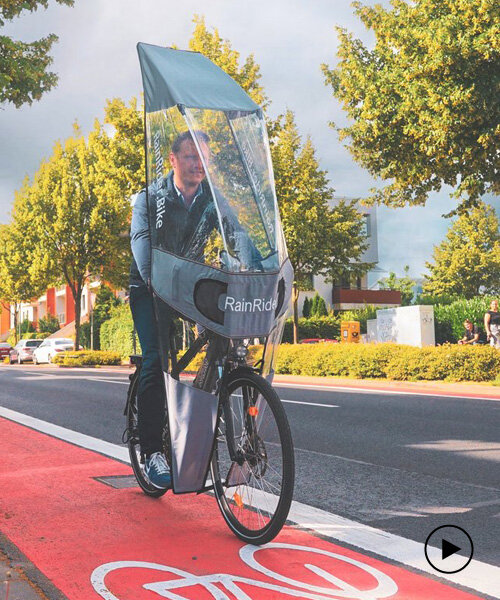
Waterproofing Accessories
Riding your bike in the rain can be challenging. The right waterproofing accessories protect your gear and enhance your ride. Let’s explore some essential waterproofing accessories.
Bags And Panniers
Wet gear can ruin your day. Use waterproof bags and panniers to keep your items dry. Look for panniers with sealed seams and sturdy materials.
- Waterproof Backpacks: Ideal for carrying personal items.
- Waterproof Panniers: Attach to your bike for extra storage.
- Dry Bags: Great for keeping sensitive items safe.
Choose bags with roll-top closures. They offer extra protection against water. Reflective strips on bags increase visibility in low light.
Lights And Electronics
Rain affects visibility. Use waterproof lights and electronics to stay safe. Your bike lights should be bright and waterproof.
| Accessory | Feature |
|---|---|
| Headlights | Waterproof casing, bright LED |
| Taillights | Waterproof, multiple modes |
| GPS Devices | Water-resistant, long battery life |
Invest in a waterproof phone case. It will protect your phone from rain. Consider using a handlebar mount for easy access.
Check the IP rating of your electronics. A higher IP rating means better protection against water.
Credit: www.designboom.com
Maintaining Tire Pressure
Tire pressure plays a big role in your bike’s safety, especially in the rain. Proper tire pressure helps with traction and control. Let’s explore how to keep your tire pressure just right.
Checking Pressure
Check your tire pressure regularly. Use a pressure gauge for accuracy. Make sure to check before every ride.
Refer to the manufacturer’s guidelines for the correct pressure. Too low or high pressure can be unsafe.
Inflating Tips
Use a reliable pump to inflate your tires.
Portable pumps are handy for quick fixes. Always carry one during rides.
Inflate tires to the recommended PSI (pounds per square inch).
Check for any leaks after inflating.
| Task | Frequency |
|---|---|
| Check Tire Pressure | Before every ride |
| Inflate Tires | As needed |
Frequently Asked Questions About how to protect bike from rain
How Can I Protect My Bike From Rain?
To protect your bike from rain, use a waterproof cover. Store it in a dry, sheltered area. Regularly apply anti-rust spray on metal parts.
Is It Necessary To Dry My Bike After Rain?
Yes, drying your bike after rain prevents rust. Wipe it with a clean, dry cloth. Pay special attention to the chain and gears.
What Are The Best Bike Covers For Rain Protection?
The best bike covers are waterproof and durable. Look for covers made from high-quality materials. Ensure they fit your bike properly.
Can Rain Damage My Bike?
Yes, rain can cause rust and corrosion. Water can damage electrical components. Regular maintenance and proper storage can prevent these issues.
Conclusion
Learning how to protect bike from rain is crucial for its longevity. Use waterproof covers and keep up with regular maintenance. Store it in a dry place to prevent rust. Following these simple steps on how to protect a bike from rain ensures it stays in top condition. Keep your ride safe and enjoy smooth biking, rain or shine.