
Charging a car battery while driving typically takes around 30 minutes to an hour. The exact time depends on various factors like battery condition and driving speed.
Understanding how your car battery charges can be crucial. We rely heavily on our vehicles, and a dead battery can be a major inconvenience. When you drive, the alternator charges the battery, providing the necessary power. But how long does it take to charge a car battery while driving? Several factors influence the charging time, such as the battery’s health, your driving speed, and the car’s electrical load.
Knowing these can help you maintain your battery’s lifespan and ensure your car runs smoothly. In this blog post, we’ll explore these factors in detail, giving you a clearer picture of what to expect when charging your car battery while driving.
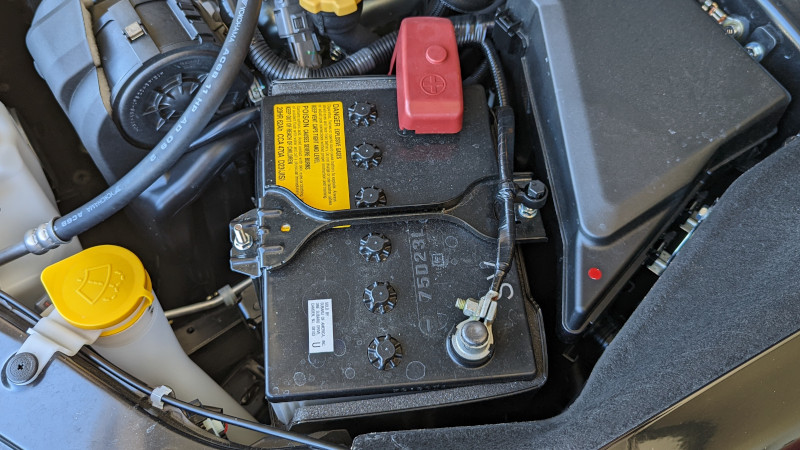
Credit: drivehomesafe.com
Factors Affecting Charging Time
Understanding the factors affecting the charging time of a car battery while driving is essential. These factors can vary based on several conditions and components of your vehicle. Knowing these will help you maintain your car battery better.
Battery Size
The size of your battery plays a significant role in how long it takes to charge. Larger batteries require more time to charge fully. Smaller batteries charge faster. The capacity of the battery, measured in ampere-hours (Ah), determines the charging duration. Here is a simple table to illustrate:
| Battery Size (Ah) | Estimated Charging Time |
|---|---|
| 35 Ah | 1-2 hours |
| 50 Ah | 2-4 hours |
| 80 Ah | 4-6 hours |
Alternator Capacity
The alternator capacity impacts the charging time significantly. A higher capacity alternator charges the battery faster. Alternators convert engine power into electrical energy. The typical alternator capacity ranges from 50 to 150 amps. Here are some points to consider:
- 50-70 amps: Slower charging
- 80-100 amps: Moderate charging
- 120-150 amps: Faster charging
Driving Conditions
Driving conditions also affect how quickly your battery charges. Short trips do not provide enough time for the battery to charge fully. Long drives are better for charging the battery. Here are some factors influencing charging time:
- Speed: Higher speeds can help charge the battery faster.
- Traffic: Heavy traffic and frequent stops slow down charging.
- Temperature: Extreme cold or heat can affect the charging process.
Driving at a steady speed on a highway is ideal for charging your car battery efficiently.
Typical Charging Duration
Charging a car battery while driving depends on several factors. These include the vehicle’s alternator capacity, the battery’s condition, and driving habits. On average, it takes about 30 minutes to one hour to charge a car battery to a functional level. Full charging might take longer.
Short Trips Vs Long Trips
Short trips usually do not provide enough time to charge a battery fully. The alternator needs more time to replenish the battery’s power. A short trip might only add a few percentage points to the battery’s charge.
In contrast, long trips give the alternator enough time to charge the battery fully. A drive of one hour or more can bring a battery closer to full charge. This is especially true if the battery was not deeply discharged.
City Driving Vs Highway Driving
City driving often involves frequent stops and starts. This driving pattern can make it harder for the alternator to charge the battery. The engine runs at lower RPMs, which means less power to the alternator.
Highway driving provides a more consistent power supply to the battery. Higher RPMs mean the alternator works more efficiently. This results in faster charging of the car battery. A highway drive can significantly boost the battery charge in a shorter period.
| Driving Condition | Charging Efficiency |
|---|---|
| Short Trips | Low |
| Long Trips | High |
| City Driving | Moderate to Low |
| Highway Driving | High |
- Short trips: Inefficient for charging.
- Long trips: Efficient for charging.
- City driving: Moderate to low efficiency.
- Highway driving: High efficiency.
Maintaining a healthy battery requires understanding these factors. Adjusting your driving habits can help keep your battery charged and your car running smoothly.
Signs Of A Fully Charged Battery
Knowing the signs of a fully charged battery is crucial for every driver. A fully charged battery ensures your car runs smoothly and prevents unexpected breakdowns. Let’s explore how you can identify a fully charged battery while driving.
Battery Voltage Levels
One of the primary indicators of a fully charged battery is its voltage level. You can measure this using a voltmeter. A fully charged car battery typically shows a voltage of around 12.6 to 12.8 volts when the engine is off. When the engine is running, the voltage should be between 13.7 to 14.7 volts. If the voltage falls within this range, your battery is likely fully charged.
Dashboard Indicators
Your car’s dashboard also provides vital clues about your battery’s status. Modern vehicles come equipped with a battery warning light. If this light is off, it usually means your battery is in good condition. On the other hand, if the battery warning light is on, it could indicate a charging issue or a weak battery.
In addition to the battery warning light, you might notice other signs on your dashboard. These can include dim headlights or flickering interior lights when the battery is not fully charged. A fully charged battery ensures all electrical components function properly without any flickering or dimming.
By keeping an eye on these signs, you can ensure your car battery remains in top condition. Regular checks and understanding your battery’s voltage levels and dashboard indicators can help you avoid unexpected issues on the road.

Credit: www.interstatebatteries.com
Impact Of Weather On Charging
Weather plays a significant role in how quickly a car battery charges while driving. Both cold and hot weather can affect the charging process in different ways. Understanding these effects can help you manage your car battery more effectively.
Cold Weather Effects
Cold weather can slow down the charging process. Batteries work less efficiently in lower temperatures. This results in a slower charge rate.
When the temperature drops, the battery’s chemical reactions slow down. This makes it harder for the battery to gain and hold a charge. Cold weather also increases the resistance within the battery. This further hampers the charging process.
For instance, if the outside temperature is below freezing, it may take twice as long to charge your battery compared to a mild day. This means if it usually takes 30 minutes, it could take 60 minutes in cold weather.
Hot Weather Effects
Hot weather also affects charging but in a different way. High temperatures can cause the battery to overheat. This can lead to reduced charging efficiency.
When a battery gets too hot, it can lose some of its capacity to hold a charge. This means you may need to drive longer to achieve the same level of charge. Additionally, high temperatures can cause the battery fluid to evaporate. This can damage the battery over time.
For example, if the temperature is above 90°F (32°C), you might notice a decrease in charging speed. In extreme cases, this can also lead to battery failure.
Here is a summary of the impact of weather on charging:
| Weather Condition | Effect on Charging |
|---|---|
| Cold Weather | Slower charging, increased resistance, longer charging time |
| Hot Weather | Overheating, reduced efficiency, potential battery damage |
By understanding these effects, you can better manage your car’s battery life. Always monitor the weather and adjust your driving habits accordingly.
Battery Maintenance Tips
Maintaining your car battery is essential for its longevity and performance. Regular maintenance not only ensures a reliable start every time but also extends the battery’s lifespan. Here are some battery maintenance tips to keep your car battery in top shape.
Regular Inspections
Regular inspections help identify potential issues early. Check the battery terminals for corrosion and ensure they are tight. Look for any cracks or bulges on the battery case.
Inspect the battery cables. Ensure they are not frayed or damaged. Replace any damaged cables immediately.
Proper Cleaning
Proper cleaning prevents corrosion and maintains good electrical connections. Use a mixture of baking soda and water to clean the terminals. Apply it with a brush, then rinse with water.
Dry the terminals with a clean cloth. Apply a thin layer of petroleum jelly to the terminals to prevent future corrosion.
Keep the battery case clean and dry. Wipe it with a damp cloth and remove any dirt or debris.
| Maintenance Task | Frequency |
|---|---|
| Inspect battery terminals | Monthly |
| Clean battery terminals | Every 3 months |
| Check battery cables | Monthly |
By following these tips, you can ensure your car battery remains in excellent condition. Regular inspections and proper cleaning are simple yet effective ways to maintain battery health. Remember, a well-maintained battery means fewer breakdowns and more reliable performance.
Common Charging Issues
Charging a car battery while driving is usually straightforward. Yet, some problems may arise. These issues can affect how long it takes to charge the battery. Understanding these problems can help you find solutions quickly.
Alternator Problems
The alternator is vital for charging the car battery. If the alternator fails, the battery won’t charge properly. A faulty alternator can cause dim lights and battery warning lights. Listen for strange noises from the alternator. These noises can indicate a problem.
Regular checks can prevent alternator issues. Look for loose belts or corroded connections. Clean and tighten them to ensure proper function.
Battery Health
The battery’s health affects its charging time. An old or damaged battery charges slower. Signs of a weak battery include slow engine cranking and dim headlights. Regularly test your battery’s voltage to monitor its health. Replace a failing battery to avoid charging issues.
Maintaining good battery health ensures efficient charging. Clean the battery terminals to prevent corrosion. Check the electrolyte level in non-sealed batteries. Keep the battery secure to avoid vibrations and damage.
Tools To Monitor Battery Status
Knowing your car battery’s status is crucial. It helps avoid unexpected breakdowns. You can use various tools to monitor the battery status. Here are two important ones:
Multimeters
A multimeter is a versatile tool. It measures voltage, current, and resistance. Use it to check the battery’s health. Follow these simple steps:
- Set the multimeter to DC voltage.
- Connect the red probe to the battery’s positive terminal.
- Connect the black probe to the battery’s negative terminal.
- Read the voltage displayed on the screen.
A healthy battery should show a reading of 12.6 volts or higher. If the reading is below 12.4 volts, the battery needs charging.
Battery Testers
Battery testers are dedicated devices. They provide a quick assessment of the battery’s health. These testers are easy to use. Just follow these steps:
- Connect the tester’s clamps to the battery terminals.
- Red clamp to positive terminal and black clamp to negative terminal.
- Turn on the tester and read the display.
Battery testers often give more detailed information. They can show the battery’s charge level, health, and starting power. This helps you decide if the battery needs replacing or charging.
Both tools are essential for monitoring your car battery. They help ensure your battery is always in good condition.
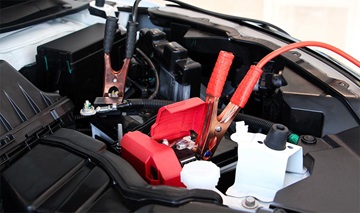
Credit: www.interstatebatteries.com
When To Seek Professional Help
Driving with a weak battery can be stressful. It’s important to know when to call a professional. Recognizing the signs of a failing battery can save you from unexpected breakdowns.
Signs Of Failing Battery
- Slow engine crank: Your engine takes longer to start.
- Dim lights: Headlights and interior lights are dimmer than usual.
- Check engine light: This warning light appears on your dashboard.
If you notice any of these signs, it may be time to get your battery checked by a professional.
Frequent Charging Issues
Frequent charging problems signal a deeper issue. Your battery should hold a charge well. If it doesn’t, seek help. Here are some common charging problems:
| Issue | Possible Cause |
|---|---|
| Battery drains quickly | Faulty alternator or electrical system |
| Battery won’t charge | Damaged battery or charging system |
| Overcharging | Malfunctioning voltage regulator |
These issues can lead to a dead battery, leaving you stranded. A professional can diagnose and fix the problem.
Frequently Asked Questions
How Long Does It Take To Fully Charge A Car Battery?
The time to fully charge a car battery while driving varies. It generally takes 30 minutes to 2 hours. The duration depends on driving speed, battery health, and alternator efficiency.
Can Idling Charge A Car Battery?
Yes, idling can charge a car battery. However, it is slower than driving. Driving at higher speeds charges the battery more efficiently.
Does Driving Faster Charge The Battery Quicker?
Yes, driving faster can charge the battery quicker. Higher speeds increase the alternator’s output, thus charging the battery more efficiently.
How Does The Alternator Affect Battery Charging?
The alternator charges the car battery while driving. It converts engine power into electrical energy, recharging the battery. A faulty alternator can slow down charging.
Conclusion
Charging a car battery while driving varies by car and conditions. Generally, it takes a few hours to fully recharge. Factors like battery health and driving speed matter. Regular maintenance helps keep your battery in good shape. Remember to check your battery and alternator regularly.
This ensures your car runs smoothly. Understanding these basics can save you time and trouble. So, next time your battery is low, drive a bit longer. Your car will thank you.