
Wearing a motorcycle helmet with long hair can be tricky. It often leads to discomfort and tangled hair.
Riders with long hair face unique challenges when it comes to helmet wear. Stray strands can obstruct vision, and tight helmets can cause pain. But don’t worry! If you’re wondering how to wear a motorcycle helmet with long hair, there are simple ways to manage your hair and stay safe on the road.
In this guide, we’ll explore easy tips to wear your helmet comfortably. Whether you ride daily or just on weekends, these tips will help you protect both your head and hair. Stay tuned to learn how to wear a motorcycle helmet with long hair while keeping your hair neat and enjoying a comfortable ride.

Credit: www.youtube.com
Choosing The Right Helmet
Choosing the right helmet is crucial for both safety and comfort, especially for riders with long hair. A well-fitted helmet ensures protection while accommodating your hair without causing discomfort or damage. Let’s dive into the essential aspects of selecting a helmet that suits your needs.
Helmet Types
There are several types of motorcycle helmets, each offering different levels of protection and comfort:
- Full-face helmets: Provide maximum protection and coverage, ideal for long rides.
- Modular helmets: Offer flexibility with a flip-up front, combining safety and convenience.
- Open-face helmets: Less coverage but more airflow, suitable for shorter rides.
- Half helmets: Offer minimal coverage, best for low-speed rides.
Sizing And Fit
A proper fit is essential for helmet effectiveness. Follow these steps to ensure the right size:
- Measure your head: Use a soft measuring tape around the widest part of your head.
- Check size charts: Compare your measurement with the helmet manufacturer’s size chart.
- Try it on: Wear the helmet and adjust the straps for a snug fit.
- Perform a fit test: Shake your head to ensure the helmet stays in place.
Remember, the helmet should not be too tight or too loose. It should fit comfortably while securing your long hair without causing pressure points.
| Helmet Type | Features |
|---|---|
| Full-face | Maximum protection, covers entire head and face |
| Modular | Flip-up front, combines safety and convenience |
| Open-face | More airflow, less coverage |
| Half | Minimal coverage, best for low-speed rides |
Choosing the right helmet involves considering your riding style, the level of protection you need, and how comfortably it fits with your long hair. With the right helmet, you can enjoy a safe and comfortable ride every time.
Preparing Your Hair
Wearing a motorcycle helmet with long hair can be challenging. Proper preparation helps avoid tangling and discomfort. Here are some steps to prepare your hair before putting on your helmet.
Clean And Dry
Make sure your hair is clean and dry before wearing your helmet. Wet hair can cause discomfort and increase tangling. Use a mild shampoo to keep your hair clean and fresh.
Dry your hair completely with a towel or hair dryer. Moisture can cause a helmet to feel tight and slippery. Dry hair also reduces the risk of helmet odor.
Detangling
Detangle your hair to make it smooth and manageable. Use a wide-tooth comb or a detangling brush for best results. Start from the ends and work your way up to the roots.
Apply a leave-in conditioner or detangling spray. This makes your hair easier to manage and less prone to breakage. Smooth hair is more comfortable under a helmet.
Securing Your Hair
Wearing a motorcycle helmet with long hair can be challenging. Properly securing your hair ensures comfort and safety. Below are practical tips for keeping your hair in place while riding.
Braids And Ponytails
Braiding your hair or tying it into a ponytail can help. These styles keep hair from getting tangled or caught. A braid can be simple or intricate, depending on your preference.
- Braids: Braids are a great option. They keep hair tight and manageable.
- Ponytails: A low ponytail works best. High ponytails can be uncomfortable under the helmet.
Use a soft hair tie to avoid pressure points. It keeps the helmet fit snug.
Hair Ties And Bands
Using hair ties and bands can be effective. These accessories keep hair in place.
| Accessory | Benefit |
|---|---|
| Elastic Hair Ties | Easy to use and adjust. |
| Headbands | Keep hair away from the face. |
Choose soft, elastic bands. They prevent hair breakage and maintain comfort.
Combining braids with hair ties can offer extra security. Experiment to find what works best.
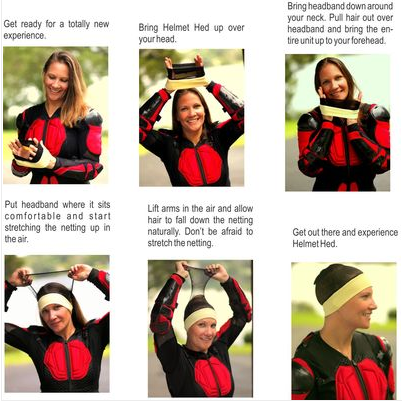
Credit: www.gearchic.com
Using Hair Protection Accessories
Having long hair and wearing a motorcycle helmet can be a challenge. Strands can get tangled, and your hair can become a mess. Using hair protection accessories can help maintain your hair’s health and keep it neat. Let’s explore some accessories that can make your riding experience more comfortable.
Helmet Liners
Helmet liners are a great solution for riders with long hair. They offer a protective layer between your hair and the helmet. This reduces friction and prevents tangling.
Some benefits of using helmet liners include:
- Keeping your hair smooth and tangle-free.
- Absorbing sweat and keeping your helmet clean.
- Providing an extra layer of comfort.
Choose a liner made from breathable materials like cotton or moisture-wicking fabric. This ensures comfort and prevents overheating.
Head Scarves
Head scarves are another excellent option. They protect your hair and add a stylish touch to your riding gear.
Here are some reasons to use head scarves:
- Preventing hair from frizzing and breaking.
- Adding a layer of protection against dust and dirt.
- Offering a variety of styles and colors.
To use a head scarf, simply tie it around your head before putting on your helmet. Ensure it’s snug but not too tight to avoid discomfort.
Using these accessories can make a big difference. Keep your long hair protected and enjoy your ride without worry.
Putting On The Helmet
Wearing a motorcycle helmet with long hair can be challenging. But with the right technique, you can ensure both safety and comfort. This section will guide you through the process of putting on the helmet correctly.
Proper Technique
Start by gathering your long hair at the nape of your neck. Use a hair tie to secure it in a low ponytail. This will help prevent your hair from getting tangled inside the helmet. Next, hold the helmet by the straps and gently pull it over your head. Make sure the helmet sits level on your head, not tilted forward or backward. Check that the helmet covers your forehead and doesn’t obstruct your vision.
For added comfort, you can use a bandana or skull cap. This will help keep your hair in place and absorb sweat. Simply put on the bandana or skull cap before putting on the helmet.
Adjusting Straps
Once the helmet is on your head, adjust the straps for a secure fit. Start by tightening the chin strap. The strap should be snug but not too tight. You should be able to fit two fingers between the strap and your chin. This ensures that the helmet stays in place without causing discomfort.
Next, adjust the side straps. These straps should form a “V” shape around your ears. Move the sliders up or down to achieve the right fit. Make sure the straps are even on both sides to maintain balance.
Finally, fasten the buckle and give the helmet a gentle shake. If it moves, tighten the straps further. A properly fitted helmet should stay in place and not shift around.
Remember, safety is the top priority. Take your time to ensure that your helmet is securely and comfortably fitted.

Credit: www.tiktok.com
Maintaining Hair Health
Maintaining hair health while wearing a motorcycle helmet can be challenging, especially for those with long hair. The friction and pressure from the helmet can lead to dryness and breakage. By following proper hair care routines, you can keep your hair healthy and strong.
Moisturizing
Moisturizing is essential for keeping your hair soft and shiny. Dry hair breaks easily, so it’s important to keep it hydrated. Use a leave-in conditioner or hair oil before putting on your helmet. Look for products that contain natural oils like argan or coconut oil. These help to lock in moisture and protect your hair from damage.
- Apply leave-in conditioner before wearing the helmet.
- Use hair oils like argan or coconut oil.
- Choose products with natural ingredients.
Avoiding Breakage
Avoiding breakage is crucial for maintaining long hair. To prevent hair from breaking, secure it properly before wearing your helmet. Use a soft hair tie or band. Avoid tight hairstyles like ponytails or buns. These can cause tension and breakage.
Consider braiding your hair to minimize friction. Braids keep your hair in place and reduce the chances of it getting caught or pulled. Silk or satin liners inside the helmet can also reduce friction. These materials are gentler on hair compared to standard helmet linings.
- Use a soft hair tie or band.
- Avoid tight hairstyles.
- Braid your hair to minimize friction.
- Use silk or satin liners inside the helmet.
Dealing With Helmet Hair
Riding a motorcycle with long hair can be a challenge. One common problem is helmet hair. It happens when your hair gets flattened or tangled under the helmet. This can be uncomfortable and unsightly. But don’t worry! There are ways to manage it.
Quick Fixes
- Use a hair tie: Tie your hair back in a low ponytail or braid. This reduces tangling and flattening.
- Wear a bandana or skull cap: This adds a layer of protection between your hair and the helmet. It keeps hair in place.
- Carry a small brush or comb: A quick brush after removing the helmet can fix minor tangles and flattening.
- Dry shampoo: Keeps your hair looking fresh and adds volume if it gets flat.
Post-ride Care
Taking care of your hair after a ride is crucial. It helps maintain its health and appearance. Here are some tips:
- Wash and condition your hair: Use a mild shampoo and a good conditioner. This removes sweat and dirt. It also detangles hair.
- Use a leave-in conditioner: This provides extra moisture and makes combing easier.
- Avoid tight hairstyles: Give your hair a break from tight ponytails or braids. Opt for loose styles.
- Brush gently: Use a wide-toothed comb or a brush with soft bristles. Start from the ends and work your way up.
- Protect your hair: Apply a heat protectant if you use a blow dryer. Better yet, let your hair air dry.
With these tips, you can enjoy your ride without worrying about helmet hair. Keep your hair healthy and looking great.
Additional Tips
Wearing a motorcycle helmet with long hair can be tricky. But with a few additional tips, you can make the process easier and more comfortable. Let’s explore some seasonal considerations and product recommendations to help you manage your long hair under a helmet.
Seasonal Considerations
Different seasons can affect how you wear your helmet with long hair. Here are some tips for each season:
| Season | Tip |
|---|---|
| Summer | Use a moisture-wicking liner to keep sweat at bay. Consider lighter, ventilated helmets. |
| Winter | Opt for a thermal liner to keep warm. A balaclava can also help manage hair and add warmth. |
| Spring/Fall | Choose a versatile liner that balances warmth and breathability. Adjust your hair routine based on the weather. |
Product Recommendations
Using the right products can make a big difference. Here are some recommended products:
- Helmet Liners: Look for liners with moisture-wicking properties for summer and thermal properties for winter.
- Hair Ties: Use soft, no-crease hair ties to avoid damaging your hair.
- Balaclavas: A balaclava can help manage long hair and add an extra layer of protection.
- Leave-In Conditioner: Applying a leave-in conditioner can help keep your hair smooth and tangle-free.
- Detangling Brush: A good detangling brush can help you manage your hair before and after wearing the helmet.
By considering the season and using the right products, you can make wearing a motorcycle helmet with long hair a more pleasant experience.
Frequently Asked Questions
How Do I Wear A Helmet With Long Hair?
To wear a helmet with long hair, tie your hair in a low bun or braid. This keeps it secure and prevents discomfort. Use a hair cover or bandana to minimize helmet hair.
Can Long Hair Affect Helmet Safety?
Yes, long hair can affect helmet safety. Ensure your hair is secured properly. This helps maintain a snug fit and proper protection. Avoid bulky hairstyles that could compromise helmet stability.
What Hairstyles Work Best With Motorcycle Helmets?
Low buns, braids, and ponytails work best with motorcycle helmets. These styles keep hair compact and manageable. They also help maintain a comfortable fit without causing pressure points.
Should I Use Hair Products When Wearing A Helmet?
Avoid heavy hair products when wearing a helmet. They can make your hair greasy and uncomfortable. Use lightweight products to keep your hair manageable and fresh.
Conclusion
Wearing a motorcycle helmet with long hair can be challenging. Simple steps make it easier. Use a hair tie or braid to manage your hair. Consider wearing a bandana for extra comfort. Always ensure your helmet fits snugly. Practice these tips for a smoother ride.
Safety and comfort are both important. Enjoy your ride with confidence and style. Keep your hair neat and helmet secure.